
What are the advantages of using compost on my lawn?
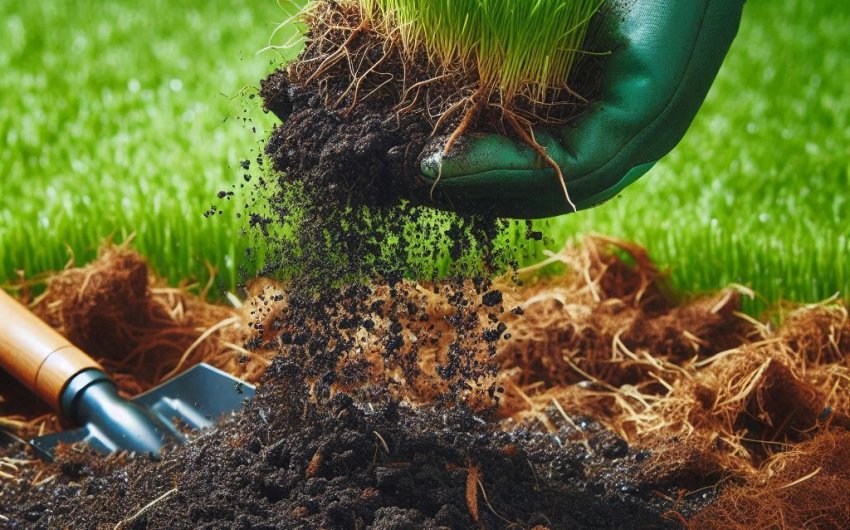
You might think of compost as something just for your vegetable garden or flower beds. But did you know that topdressing your lawn with compost can be one of the best things you do for it? Compost is often called "black gold" by gardeners, and for good reason. It's an incredibly versatile and beneficial organic material that can transform a dull, struggling lawn into a vibrant, healthy, and resilient green carpet. Let's explore the many advantages of using compost on your lawn.
How Does Compost Improve Soil Structure?
The foundation of a healthy lawn is healthy soil. Compost works wonders on soil structure, no matter what type of soil you have, making it more hospitable for grass roots.
How Does Compost Improve Drainage in Clay Soil?
Clay soil is known for being dense and heavy. It's made of tiny, flat particles that pack together tightly. This can lead to big problems for a lawn:
- Poor Drainage: Water sits on top, leading to puddles and waterlogged soil. This suffocates grass roots, leading to root rot.
- Compaction: Heavy foot traffic or machinery can easily compact clay soil, making it even harder for water and air to penetrate.
- Nutrient Lock-up: While clay soil holds nutrients well, they can be tightly bound and less available to plants when the soil is compacted or waterlogged.
Compost is a game-changer for clay soil:
- Acts as a Flocculant: When mixed into clay soil, the organic particles in compost act like tiny magnets, clumping the fine clay particles together into larger, more stable aggregates (clumps).
- Creates Pore Space: These new aggregates create larger pore spaces (air pockets) in the soil. These pores allow water to infiltrate more easily and excess water to drain away, preventing waterlogging.
- Improves Aeration: The increased pore space also allows more oxygen to reach grass roots. Roots need oxygen to breathe and absorb nutrients effectively.
- Makes Soil Workable: Over time, compost makes heavy clay soil lighter, more crumbly, and easier to work with.
By improving drainage and aeration, compost creates a much healthier environment for grass roots, leading to a stronger, more resilient lawn that can withstand wet periods better. You can find excellent organic compost for clay soil to address drainage issues.
How Does Compost Improve Water Retention in Sandy Soil?
On the opposite end of the spectrum, sandy soil presents its own challenges for a lawn. Sandy soil is made of large, coarse particles with big gaps between them.
- Rapid Drainage: Water rushes right through sandy soil, carrying nutrients with it (leaching). This means grass roots quickly dry out.
- Poor Nutrient Holding: The large particle size gives sandy soil a low cation exchange capacity (CEC), meaning it's poor at holding onto essential plant nutrients. Nutrients simply wash away before roots can absorb them.
- Drought Stress: Even with regular watering, lawns in sandy soil often suffer from drought stress because the soil just can't hold enough moisture.
Here's how compost comes to the rescue for sandy soil:
- Acts Like a Sponge: The organic matter in compost is highly porous and acts like a sponge. It absorbs and holds a remarkable amount of water within its structure.
- Slows Drainage: When mixed with sandy soil, compost fills in some of the large gaps between sand particles, slowing down the rate at which water drains through.
- Improves Nutrient Holding: Compost significantly increases the CEC of sandy soil. It creates binding sites that hold onto nutrients, preventing them from leaching away and making them available to grass roots over a longer period.
- Builds Soil Structure: It adds body and structure to loose sandy soil, making it less prone to erosion.
By dramatically improving water retention and nutrient holding, compost transforms parched sandy soil into a more hospitable environment, allowing grass to stay hydrated and nourished, even during dry spells.
How Does Compost Fertilize Your Lawn Naturally?
Forget quick-fix synthetic fertilizers. Compost is a powerhouse of nutrients, providing a slow-release, natural food source that builds soil fertility over time.
What Nutrients Does Compost Provide to Your Grass?
Compost is rich in a wide array of plant nutrients, making it a complete, balanced fertilizer for your lawn.
- Macronutrients (N-P-K): While the exact N-P-K (Nitrogen-Phosphorus-Potassium) ratio of compost varies (often around 1-1-1 or 2-1-2), it provides these essential building blocks for grass growth.
- Nitrogen (N): For lush, green, leafy growth.
- Phosphorus (P): For strong root development.
- Potassium (K): For overall plant vigor, disease resistance, and stress tolerance.
- Micronutrients: Compost also contains a treasure trove of micronutrients (needed in smaller amounts but equally vital). These include iron, manganese, zinc, copper, boron, and more. Synthetic fertilizers often only provide N-P-K, neglecting these crucial trace elements.
- Slow Release: Unlike many synthetic fertilizers that release all their nutrients quickly (leading to a sudden flush of growth and potential leaching), compost releases its nutrients slowly over time as microorganisms break down the organic matter. This provides a steady, consistent food supply for your lawn, preventing nutrient deficiencies and reducing the risk of fertilizer burn.
- Enhances Nutrient Availability: Compost helps make existing nutrients in your soil more available to grass roots by improving soil pH and fostering a healthy soil microbial community.
Using compost is like giving your lawn a healthy, balanced diet that supports long-term vigor, rather than just a sugary snack.
How Does Compost Improve Microbial Activity in the Soil?
This is perhaps one of the most profound advantages of using compost. Compost isn't just dead organic matter; it's teeming with beneficial microorganisms that are vital for soil health.
- Introducing Beneficial Microbes: Compost is packed with bacteria, fungi, protozoa, and other tiny creatures. When you add compost to your lawn, you're inoculating your soil with these beneficial life forms.
- Nutrient Cycling: These microorganisms are the unsung heroes of the soil. They break down organic matter, converting complex nutrients into simpler forms that grass roots can easily absorb. They also help cycle existing nutrients in the soil, making them available to plants.
- Disease Suppression: A diverse and thriving microbial community can help suppress plant diseases. Some microbes directly compete with harmful pathogens, while others produce compounds that inhibit disease growth.
- Improved Soil Structure: Microbes produce sticky substances that help bind soil particles together, further improving soil structure and aeration (see previous section).
- Earthworm Heaven: Compost attracts earthworms, which are fantastic for your lawn. They tunnel through the soil, creating channels that improve aeration and drainage, and their castings (waste) are rich in nutrients.
By fostering a healthy microbial community, compost creates a truly living soil that naturally supports a robust and resilient lawn. You can find specialized compost tea brewers to create a liquid microbial boost for your lawn.
Does Compost Reduce the Need for Synthetic Fertilizers?
Absolutely! This is a major long-term advantage and a huge benefit for your wallet and the environment.
- Natural Nutrient Source: Because compost provides a slow, steady supply of all the macronutrients and micronutrients your lawn needs, it significantly reduces or can even eliminate the need for synthetic chemical fertilizers.
- Builds Soil Fertility: Unlike synthetic fertilizers that feed the plant directly but do little for soil health, compost builds the soil's natural fertility over time. As soil structure and microbial life improve, the soil becomes more efficient at holding and cycling nutrients, making the lawn less dependent on external inputs.
- Reduces Leaching and Runoff: Synthetic fertilizers can be prone to leaching (washing through the soil) or runoff (washing over the surface) into waterways, contributing to pollution. Because compost releases nutrients slowly and improves soil's ability to retain water, it drastically reduces this environmental impact.
- Healthier Root System: A lawn grown in compost-rich soil develops a deeper, stronger root system, making it naturally more resilient to stress, pests, and diseases, further reducing the need for chemical interventions.
Switching to a compost-based lawn care regimen is a move towards a more sustainable, self-sufficient, and environmentally friendly approach to lawn maintenance.
How Does Compost Enhance Lawn Health and Appearance?
Beyond its impact on the soil, compost directly translates to a healthier, greener, and more attractive lawn above ground.
How Does Compost Lead to Greener, Thicker Grass?
Every gardener dreams of a lush, vibrant green lawn. Compost helps achieve this in several ways.
- Nutrient Availability: By providing a balanced and consistent supply of essential nutrients (especially nitrogen and iron), compost directly fuels the growth of chlorophyll, giving grass its deep green color.
- Stronger Roots: The improved soil structure (better aeration and drainage) created by compost allows grass roots to grow deeper and spread wider. A robust root system can access more water and nutrients, making the grass more vigorous and resilient.
- Increased Tillering: Healthy grass plants respond to good soil conditions by producing more tillers (new shoots from the base of the plant). This leads to a denser, thicker lawn that feels springy underfoot and naturally outcompetes weeds.
- Improved Stress Tolerance: A lawn growing in compost-amended soil is better equipped to handle environmental stresses like drought, heat, and cold. This means it stays greener longer in dry spells and recovers faster.
- Reduced Compaction: As discussed, compost prevents soil compaction, which otherwise restricts root growth and nutrient uptake, leading to thin, struggling grass.
The result is a visibly greener, denser, and more uniform lawn that is the envy of the neighborhood.
How Does Compost Help Suppress Weeds?
A thick, healthy lawn is your best defense against weeds, and compost plays a crucial role in fostering such a lawn.
- Thick Turf Outcompetes Weeds: When compost helps your grass grow thicker and denser, it leaves less open space for weed seeds to germinate and less sunlight for weed seedlings to establish. A dense turf simply crowds out weeds.
- Improved Grass Vigor: Healthy, well-nourished grass grows more vigorously and can outcompete weeds for water, nutrients, and light. Stressed, thin lawns are often the first to be taken over by weeds.
- Encourages Beneficial Microbes: A diverse microbial community in compost can sometimes produce compounds that are detrimental to certain weed seeds or pathogens, further suppressing weed growth.
- Proper pH: By helping to balance soil pH, compost creates conditions more favorable for desirable grass and less so for common weeds that might prefer more extreme pH levels.
While compost won't magically eliminate all weeds overnight, it creates the optimal conditions for your lawn to naturally resist weed invasion, significantly reducing your reliance on chemical weed killers.
Does Compost Improve Disease and Pest Resistance?
A healthy lawn is inherently more resistant to diseases and pests, and compost is a cornerstone of this natural defense.
- Stronger Plants: Compost-fed grass develops stronger cell walls, deeper root systems, and better overall vigor. Healthy, robust plants are less susceptible to attack from diseases and insects. Think of it like a healthy person being less likely to catch a cold.
- Enhanced Immune System: The diverse microbial community introduced by compost can help the grass plants develop a stronger natural immune response. Some microbes produce compounds that act as natural fungicides or insecticides, while others can trigger the plant's own defenses.
- Beneficial Organisms: Compost attracts and supports a population of beneficial insects (like ground beetles that eat grubs) and other organisms that prey on lawn pests, reducing the need for chemical pesticides.
- Improved Drainage: For many fungal diseases (like brown patch or dollar spot), prolonged wet conditions are a key trigger. By improving soil drainage, compost reduces these favorable conditions, thus lowering disease incidence.
- Reduced Stress: A lawn less prone to nutrient deficiencies, water stress, or compaction is less vulnerable to opportunistic pests and diseases.
By fostering a thriving soil ecosystem and strengthening the grass from the roots up, compost acts as a powerful natural shield against many common lawn problems.
How Do You Apply Compost to Your Lawn?
Applying compost to your lawn is called topdressing. It's a simple process, but doing it correctly ensures you get the most benefit.
When is the Best Time to Topdress Your Lawn with Compost?
Timing is important for effective compost topdressing.
- Cool-Season Grasses (e.g., Fescue, Kentucky Bluegrass, Ryegrass):
- Best Time: Early fall (late August to October) is ideal. The grass is actively growing and recovering from summer stress, and the cool, moist conditions help the compost integrate into the soil and support robust root growth before winter.
- Second Best: Early spring (March to April), as the grass greens up, is also a good time.
- Warm-Season Grasses (e.g., Bermuda, Zoysia, St. Augustine, Centipede):
- Best Time: Late spring to early summer (April to June), when the grass is actively growing and temperatures are warm.
- Avoid: Do not topdress warm-season grasses in fall, as new growth stimulated by the compost could be damaged by winter cold.
General Timing Tips:
- After Aeration: If you are aerating your lawn (poking holes in the soil), apply compost immediately after. The holes provide direct pathways for the compost to reach deeper into the soil profile, maximizing its benefits.
- Avoid Extreme Heat: Don't apply compost during periods of extreme heat or drought, as it can dry out too quickly or smother stressed grass.
How Do You Prepare Your Lawn for Topdressing?
A little preparation goes a long way to ensure the compost effectively reaches the soil.
- Mow Your Lawn: Mow your lawn a bit shorter than usual (but not so short that you scalp it) just before applying compost. This allows the compost to get down to the soil surface more easily, rather than sitting on top of long grass blades.
- Dethatch (Optional but Recommended): If your lawn has a thick layer of thatch (more than (1/2) inch of dead organic matter between the grass blades and the soil), consider dethatching before topdressing. Thatch can prevent compost from reaching the soil. You can use a manual dethatching rake for small lawns or rent a power dethatcher for larger areas.
- Aerate (Highly Recommended): If possible, aerate your lawn just before topdressing. Aeration removes small cores of soil, creating holes that are perfect for the compost to settle into. This directly delivers the compost and its benefits deeper into the root zone, significantly enhancing its effectiveness. A good lawn core aerator can make a big difference.
These preparation steps ensure the compost does its best work.
What is the Correct Method for Spreading Compost?
The goal is to apply a thin, even layer of compost over your entire lawn.
- Use Finished Compost: Ensure your compost is fully "finished" or mature. It should be dark brown, crumbly, and smell earthy, not like rotten food. Unfinished compost can draw nitrogen from the soil as it breaks down, temporarily harming your lawn. You can purchase bags of screened organic topdressing compost.
- Apply a Thin Layer: Spread a layer of compost about (1/4) to (1/2) inch thick over the lawn. A little goes a long way! Applying too thick a layer can smother the grass.
- Spreading Methods:
- Shovel and Rake: For smaller lawns, use a shovel to place small piles of compost around the lawn, then use the back of a leaf rake or a push broom to spread it evenly. Work it down into the grass canopy.
- Compost Spreader: For larger lawns, a compost spreader (a specialized tool that rotates and distributes the compost) makes the job much easier and more even.
- Wheelbarrow and Shovel: A garden wheelbarrow is essential for moving large amounts of compost around.
- Work It In: After spreading, use your rake or broom again to work the compost particles down through the grass blades and into contact with the soil. You want the grass blades to still be visible and standing upright.
- Water Lightly: After applying and working in the compost, water your lawn lightly. This helps wash the compost particles off the grass blades and encourages them to settle into the soil.
How Often Should You Topdress Your Lawn with Compost?
You don't need to topdress your lawn with compost every year, especially after the first few applications have started to build soil health.
- Initial Applications: For a struggling lawn or very poor soil, you might want to apply compost yearly for the first 2-3 years.
- Maintenance: Once your lawn is healthy and thriving, you can switch to topdressing every 2-3 years, or whenever you notice a decline in vigor.
- Listen to Your Lawn: Observe your lawn's health and appearance. If it's looking fantastic, you might not need to topdress as often. If it starts to look tired, an application of compost can give it a boost.
Regular compost topdressing is a powerful, long-term strategy for maintaining a vibrant, low-maintenance, and eco-friendly lawn.