
How often should I apply lawn fertilizer?
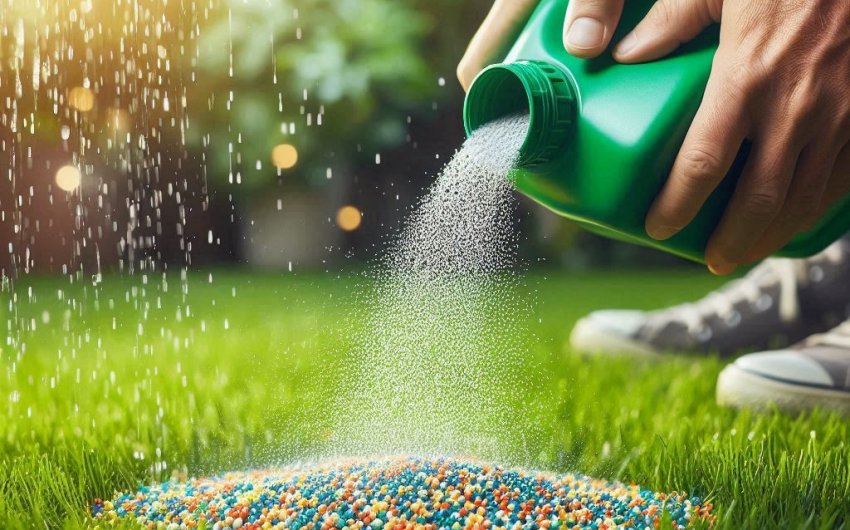
A lush, green lawn is often the pride of a homeowner, providing a beautiful backdrop for outdoor activities and enhancing curb appeal. Achieving that vibrant, healthy turf, however, usually requires more than just regular watering and mowing. Just like any living organism, your lawn needs proper nutrition to thrive. This is where lawn fertilizer comes in, supplying the essential elements that promote strong root growth, dense blades, and that enviable emerald hue. Understanding how and when to feed your lawn is a fundamental step in its ongoing care.
The question of how often should I apply lawn fertilizer is one that many homeowners ponder, and the answer isn't a simple one-size-fits-all. It depends on various factors, including your grass type, local climate, soil conditions, and your desired level of lawn perfection. Too little fertilizer can leave your lawn weak and susceptible to weeds and diseases, while too much can cause burn, promote excessive growth, and even harm the environment. This guide will unravel the complexities of lawn fertilization, providing clear, actionable advice to help you develop a feeding schedule that will lead to a truly magnificent lawn.
Why Is Fertilizing Your Lawn Important?
Fertilizing your lawn might seem like an extra step, but it's a crucial part of keeping your grass healthy and looking its best. Just like we need food to grow strong, your grass needs specific nutrients to thrive. Understanding the benefits of lawn fertilizer will help you appreciate its role in achieving a truly beautiful yard.
What Nutrients Do Lawns Need?
Lawns primarily need three main nutrients, often referred to by their chemical symbols:
- Nitrogen (N): This is the most important nutrient for lawn growth. It promotes strong, green, leafy growth. Nitrogen gives your lawn that vibrant green color.
- Phosphorus (P): This nutrient helps with root development, energy transfer, and overall plant health. It's especially important for new grass or during the early stages of growth.
- Potassium (K): Also known as potash, potassium helps grass withstand stress from drought, extreme temperatures, diseases, and foot traffic. It's like the immune system booster for your lawn. Most lawn fertilizers will have three numbers prominently displayed on the bag, like "10-10-10" or "20-5-10." These numbers represent the percentage of Nitrogen (N), Phosphorus (P), and Potassium (K) in the fertilizer, in that order. This is called the NPK ratio. For example, a "20-5-10" fertilizer has 20% nitrogen, 5% phosphorus, and 10% potassium. You can choose from various lawn fertilizer brands with different NPK ratios.
How Does Fertilizer Help My Lawn?
Applying lawn fertilizer offers several significant benefits:
- Promotes Lush Green Color: Nitrogen is the star here, directly responsible for the deep green color that makes a lawn look healthy and vibrant.
- Encourages Dense Growth: A well-fed lawn will grow thicker and denser, helping it crowd out weeds by not leaving much room for them to sprout.
- Strengthens Roots: Phosphorus and potassium contribute to a strong, deep root system. Robust roots help the grass absorb water and nutrients more efficiently, making it more resilient.
- Improves Stress Tolerance: Potassium, in particular, helps your lawn better withstand environmental stresses like drought, heat, cold, and heavy foot traffic.
- Boosts Disease and Pest Resistance: A healthy, well-nourished lawn is inherently more resistant to common lawn diseases and insect pests. It can recover more quickly if an issue does arise.
Without proper fertilization, your lawn might look pale, thin, and be more susceptible to problems.
Can I Just Rely on Rain and Soil?
While rain provides water and your soil contains some natural nutrients, it's usually not enough to support a consistently healthy and vibrant lawn.
- Nutrient Depletion: Grass constantly uses up nutrients from the soil as it grows. Mowing also removes nutrients (which is why leaving grass clippings can be beneficial, returning some of those nutrients). Over time, the soil becomes depleted.
- Soil Variation: Natural soil quality varies widely. Some soils are naturally nutrient-poor. Even good soils might lack sufficient quantities of specific nutrients that grass needs in abundance, like nitrogen.
- Optimal Growth: To achieve that dense, deep green, healthy lawn that can resist weeds and stress, supplementing with a targeted lawn fertilizer is almost always necessary. It gives your grass the extra boost it needs to look its absolute best. However, it's always a good idea to perform a soil test kit first to understand your soil's specific needs before starting a fertilization program.
How Often Should I Fertilize My Lawn?
The question of how often should I apply lawn fertilizer doesn't have a single answer that fits all yards. The ideal frequency depends on several key factors. Understanding these will help you tailor a feeding schedule that's perfect for your specific lawn and climate.
Does Grass Type Matter?
Yes, absolutely! The type of grass you have is one of the most important factors in determining your fertilization schedule. Lawns are typically made up of either cool-season grasses or warm-season grasses.
Cool-Season Grasses: These grasses grow best in cooler temperatures (60-75°F or 15-24°C). They include Kentucky bluegrass, fescue (tall, fine), and ryegrass.
- Peak Growth: Their main growth periods are in the spring and fall.
- Fertilization Schedule:
- Early Spring: A light feeding to help green up and recover from winter.
- Late Spring: A more substantial feeding to support spring growth.
- Early Fall (Most Important): The most critical feeding for cool-season grasses. It helps strengthen roots before winter and promotes strong spring growth.
- Late Fall (Optional, but beneficial): A "winterizer" fertilizer can provide nutrients for root development over winter.
- Typically, 3-4 applications per year are recommended for cool-season grasses.
Warm-Season Grasses: These grasses thrive in warmer temperatures (75-90°F or 24-32°C). They include Bermudagrass, Zoysiagrass, St. Augustinegrass, and Centipedegrass.
- Peak Growth: Their main growth period is in the summer.
- Fertilization Schedule:
- Late Spring/Early Summer: First feeding as the grass fully greens up and actively starts growing.
- Mid-Summer: Additional feeding during peak summer growth.
- Late Summer/Early Fall: Last feeding before the grass starts to go dormant for winter.
- Typically, 2-4 applications per year are recommended for warm-season grasses.
Knowing your grass type is the first step to creating an effective lawn fertilization plan.
Does Climate and Region Affect the Schedule?
The climate in your region directly influences when your grass is actively growing, which dictates when you should fertilize.
- Northern Climates: Predominantly cool-season grasses. Focus on spring and especially fall feedings. Summers can be mild or hot, requiring adjustments based on stress.
- Southern Climates: Predominantly warm-season grasses. Focus on late spring through early fall feedings. Avoid fertilizing too late in the fall, which can stimulate tender growth that gets damaged by early frosts.
- Transition Zones: These areas experience both cold winters and hot summers, making it tricky. You might have a mix of cool and warm-season grasses or need to adjust your schedule more carefully. For example, a light feeding in early spring, a heavier one in late spring/early summer, and another in early fall might work for cool-season grasses in a transition zone, avoiding heavy summer feeding.
Always consider your local average temperatures and frost dates when planning your lawn fertilizer applications.
What About Soil Health and Grass Condition?
The health of your soil and the current condition of your grass also play a role.
- Soil Test: The best way to know exactly what your soil needs is to get a soil test kit. This test will tell you your soil's pH and which nutrients are abundant or deficient. Based on the results, you can choose a fertilizer with the appropriate NPK ratio. For example, if your soil is low in phosphorus, you'd choose a fertilizer with a higher middle number.
- Current Grass Condition:
- Healthy, Dense Lawn: May need fewer applications or a lower nitrogen fertilizer.
- Thin, Pale, or Struggling Lawn: Might benefit from more frequent applications (within recommended guidelines) or a higher nitrogen content to promote growth and greening.
- New Lawn/Seeding: Needs a "starter fertilizer" which is high in phosphorus to encourage root development.
- Organic Matter: If your soil is rich in organic matter (from leaving grass clippings, topdressing with compost), it will retain nutrients better, potentially allowing for less frequent synthetic fertilization.
Ultimately, the goal is to feed your lawn when it's actively growing and can best use the nutrients, avoiding times of stress or dormancy. This thoughtful approach will answer the question of how often should I apply lawn fertilizer for your specific situation.
What Are the Different Types of Lawn Fertilizers?
When you go to buy lawn fertilizer, you'll see many options on the shelves. Understanding the different types can help you choose the best product for your lawn's needs and your fertilization schedule. They vary in how quickly they release nutrients and what other ingredients they contain.
What is the Difference Between Slow-Release and Quick-Release?
This refers to how quickly the nitrogen in the fertilizer becomes available to the grass.
Quick-Release (or Fast-Release) Fertilizers:
- How they work: The nitrogen is immediately available to the plant once applied and watered in.
- Pros: Provide a very fast green-up, often visible within a few days to a week. They are generally less expensive.
- Cons: The "flush" of green growth is often short-lived. There's a higher risk of lawn burn if over-applied, especially in hot weather or without proper watering. Nutrients can leach (wash away) into groundwater more easily.
- When to use: Good for a quick boost or to correct a deficiency quickly. Often used in early spring for a fast green-up.
- Appearance: Usually granular, but dissolve quickly.
Slow-Release (or Controlled-Release) Fertilizers:
- How they work: The nitrogen is encapsulated or chemically altered to break down and release nutrients slowly over an extended period (weeks or even months).
- Pros: Provide a more consistent, steady growth and green color over a longer period. Lower risk of lawn burn. Less frequent application needed. Reduced nutrient leaching.
- Cons: Green-up is slower, taking a week or two to become noticeable. Generally more expensive.
- When to use: Ideal for sustained feeding throughout the growing season, especially important for fall applications to build root reserves.
- Appearance: Often granular, sometimes with coated pellets.
Many lawn fertilizers are a blend of both quick and slow-release nitrogen to provide immediate greening with sustained feeding. Look at the fertilizer analysis on the bag; it should specify the percentage of slow-release nitrogen.
What are Synthetic vs. Organic Fertilizers?
This categorizes fertilizers based on their source.
Synthetic Fertilizers:
- Source: Man-made, typically derived from petroleum or natural gas.
- Pros: Nutrients are very precise and immediately available to the plant (especially quick-release types). Often less expensive and more concentrated.
- Cons: Can lead to lawn burn if over-applied. Don't add organic matter to the soil. Can contribute to nutrient runoff if not used correctly.
- Examples: Ammonium nitrate, urea, muriate of potash. You can find synthetic lawn fertilizer.
Organic Fertilizers:
- Source: Derived from natural sources like plant or animal matter (e.g., bone meal, blood meal, composted manure, seaweed, feather meal).
- How they work: Nutrients are released slowly as microbes in the soil break down the organic material. This process is dependent on soil temperature and moisture.
- Pros: Improve soil health by adding organic matter. Lower risk of lawn burn. Support beneficial soil microbes. Nutrients are released slowly and steadily, reducing leaching. Environmentally friendly.
- Cons: Slower to show results. Generally less concentrated, so you might need to apply more product. Can be more expensive.
- Examples: Organic lawn fertilizer, compost, worm castings.
Choosing between synthetic and organic often comes down to personal preference, budget, and environmental concerns. Many gardeners use a combination or transition to fully organic over time to build soil health.
What are "Weed and Feed" Products?
Weed and Feed products are a type of lawn fertilizer that combines nutrients with a herbicide (weed killer).
- How they work: They aim to feed your grass while simultaneously killing weeds, usually broadleaf weeds. The herbicide portion works either by being absorbed by the weed's leaves or by its roots.
- Pros: Convenience – you apply fertilizer and weed control in one step.
- Cons:
- Timing: The ideal time to fertilize might not be the ideal time to apply a specific herbicide for weed control, leading to less effective results for one or both.
- Targeting: Herbicides are often broad-spectrum, meaning they might harm desirable plants if misapplied.
- Unnecessary Chemicals: You might be applying a weed killer to areas that don't have weeds, or when weeds aren't actively growing, leading to wasted chemicals.
- Grass Type Sensitivity: Some herbicides are specific to grass type, so using the wrong "weed and feed" can damage your grass.
- Recommendation: For best results, it's generally recommended to apply fertilizer and weed control separately. This allows you to choose products tailored to your specific needs and apply them at the optimal time for each purpose. However, if convenience is a top priority, a weed and feed fertilizer can be an option, but always read the label carefully.
How Do I Properly Apply Lawn Fertilizer?
Applying lawn fertilizer correctly is just as important as choosing the right type and knowing how often. Incorrect application can lead to uneven growth, streaks, lawn burn, or wasted product. A few simple tools and techniques will ensure your efforts pay off with a uniformly green and healthy lawn.
What Tools Do I Need for Application?
Having the right equipment makes the job much easier and more accurate.
- Spreader: This is the most crucial tool for applying granular fertilizer evenly.
- Broadcast Spreader (Rotary Spreader): Recommended for larger lawns. It throws the fertilizer in a wide arc, covering a large area quickly. Provides excellent coverage if used correctly. A good broadcast spreader is a worthwhile investment.
- Drop Spreader: Ideal for smaller, rectangular lawns or for precise application around garden beds. It drops fertilizer directly below the spreader, in a narrow band. Requires careful overlapping to avoid stripes.
- Gloves: Always wear gardening gloves to protect your hands from the fertilizer chemicals.
- Safety Glasses: Recommended, especially if it's windy, to prevent dust or granules from getting into your eyes.
- Scale (Optional but helpful): For very precise applications or if you want to be sure you're applying the correct rate for a small area.
- Hose/Sprinkler (for watering in): Essential for liquid fertilizers and for watering in granular fertilizers.
What are the Key Steps for Granular Fertilizer Application?
Follow these steps for best results with granular lawn fertilizer:
- Read the Label: This is the most important step! The fertilizer bag will tell you the recommended application rate (how much to use per square footage) and the correct spreader setting for your type of spreader. Do NOT guess.
- Measure Your Lawn: Before you start, accurately measure the square footage of your lawn area to determine how much fertilizer you need. You don't want to run out halfway or have too much leftover.
- Calibrate Your Spreader: Set your spreader to the number recommended on the fertilizer bag for your specific type of spreader. If your spreader isn't listed, start with a low setting and do a test pass over a tarp to see how much comes out.
- Fill the Spreader Safely: Fill the spreader on a hard surface (like a driveway or patio) to easily sweep up any spills. Avoid filling over the lawn itself.
- Apply Evenly:
- Start with the Perimeter: Go around the edges of your lawn first to create a border.
- Walk at a Steady Pace: Walk at a consistent speed to ensure even distribution.
- Overlap Correctly: With a broadcast spreader, overlap your passes so that the fertilizer pattern slightly overlaps the previous one, preventing missed strips. With a drop spreader, overlap the wheel marks.
- Avoid Over-application: Don't stop or slow down with the spreader engaged, as this can cause fertilizer to dump and lead to lawn burn.
- Water In Immediately (or as directed): Most granular fertilizers, especially synthetic quick-release types, need to be watered into the soil immediately after application. This helps them dissolve and prevents lawn burn. Check the label – some slow-release types prefer to be watered in, while others can wait for rain.
Applying granular fertilizer on a calm day (not windy) is best to avoid drift onto unwanted areas like flower beds or driveways.
How Do I Apply Liquid Lawn Fertilizer?
Liquid lawn fertilizers are often applied using a hose-end sprayer.
- Read the Label: Again, consult the product label for mixing ratios and application instructions. Some liquid fertilizers are concentrate and need to be diluted, while others come in bottles that attach directly to your hose.
- Prepare the Sprayer: Fill your hose-end sprayer with the concentrated fertilizer or attach the pre-mixed bottle.
- Apply Evenly: Walk at a steady pace, spraying the lawn evenly. Ensure good coverage.
- Coverage: Liquid fertilizers might require more passes to cover the same area compared to granular types, as they are typically less concentrated.
- Water In (if needed): Some liquid fertilizers might also require watering in, depending on the type and conditions. Check the label.
Liquid fertilizers are fast-acting and can provide a quick green-up, but they might need more frequent application than slow-release granular products. Regardless of the type, always clean your spreader or sprayer thoroughly after use to prevent corrosion and blockages.
What Common Mistakes Should I Avoid When Fertilizing?
Even with the best intentions, it's easy to make mistakes when fertilizing your lawn. Avoiding these common pitfalls will save you time, money, and help prevent damage to your grass, ensuring your efforts result in a truly healthy and vibrant lawn.
How Can I Prevent Lawn Burn?
Lawn burn is perhaps the most visible and frustrating mistake, appearing as yellow or brown scorched patches on your grass.
- Over-application: The most common cause is applying too much lawn fertilizer in one spot. This means using too high a spreader setting, letting the spreader sit in one spot while engaged, or overlapping too heavily. The excess salts in the fertilizer draw moisture out of the grass blades, essentially dehydrating them.
- Solution: Always read and follow the label's application rates precisely. Walk at a steady, consistent pace. Don't stop moving when the spreader is on.
- Uneven Application: Streaks of green grass next to burned or pale strips indicate uneven application.
- Solution: Calibrate your spreader correctly and ensure proper overlap between passes. Walk in straight lines.
- Applying on Wet Grass (with granular): Granular fertilizer can stick to wet grass blades. When the sun hits them, it magnifies the effect, leading to burn spots.
- Solution: Apply granular fertilizer to dry grass blades.
- Not Watering In: Many granular fertilizers need to be watered in immediately after application. If left on the surface, they can burn the grass.
- Solution: Water thoroughly after applying granular fertilizer, unless the label specifically states otherwise (for some slow-release types). Aim for about ( 1/4 ) to ( 1/2 ) inch of water.
- Applying in Extreme Heat: Fertilizing during hot, dry weather (especially above 85°F or 30°C) stresses the grass, making it more susceptible to burn.
- Solution: Avoid fertilizing during peak summer heat. Apply in cooler parts of the day or when temperatures are milder.
Why is Fertilizing at the Wrong Time Bad?
Timing is everything in lawn fertilization. Applying fertilizer when your grass isn't ready for it can be ineffective or even harmful.
- Dormancy: Don't fertilize dormant grass (cool-season grass in summer heat or warm-season grass in winter cold). Dormant grass isn't actively growing and can't absorb the nutrients. The fertilizer will either sit there and potentially cause burn when it rains, or it will wash away, wasting product and possibly polluting water.
- Just Before a Hard Frost: For warm-season grasses, fertilizing too late in the fall can stimulate tender new growth that will be killed by the first hard frost, weakening the plant.
- During Drought: Fertilizing a drought-stressed lawn can exacerbate stress and lead to burn. Ensure your lawn is well-watered before and after application (unless you're relying on expected rain).
- Improper Growth Cycle: Not aligning fertilizer with your grass type's active growth cycle (spring/fall for cool-season, summer for warm-season) means you're not giving the grass nutrients when it needs them most.
What are Other Common Fertilizing Pitfalls?
- Not Doing a Soil Test: Guessing your soil's needs means you might be applying nutrients it doesn't need or missing those it truly lacks. A soil test kit is inexpensive and provides invaluable information.
- Ignoring Label Instructions: This is perhaps the biggest mistake. Every fertilizer product has specific directions for application rates, safety, and timing. These instructions are there for a reason!
- Fertilizing Newly Seeded Lawns with Regular Fertilizer: New grass needs a starter fertilizer (high in phosphorus) to promote root growth, not a regular maintenance fertilizer high in nitrogen.
- Leaving Spills: If you spill granular fertilizer on your driveway or sidewalk, sweep it up immediately. If it gets wet, it will dissolve and can create unsightly stains or wash into storm drains.
- Not Cleaning Your Spreader: Fertilizer can be corrosive. Clean your spreader thoroughly with water after each use to prevent damage and ensure it works properly next time.
- Believing "More is Better": With fertilizer, more is definitely not better. Over-application wastes product, can harm your lawn, and can contribute to environmental pollution. Stick to the recommended rates.
By avoiding these common mistakes, you'll be well on your way to successfully feeding your lawn and enjoying a vibrant, healthy outdoor space.