
How Do I Amend Clay Soil to Improve Drainage for My Garden?
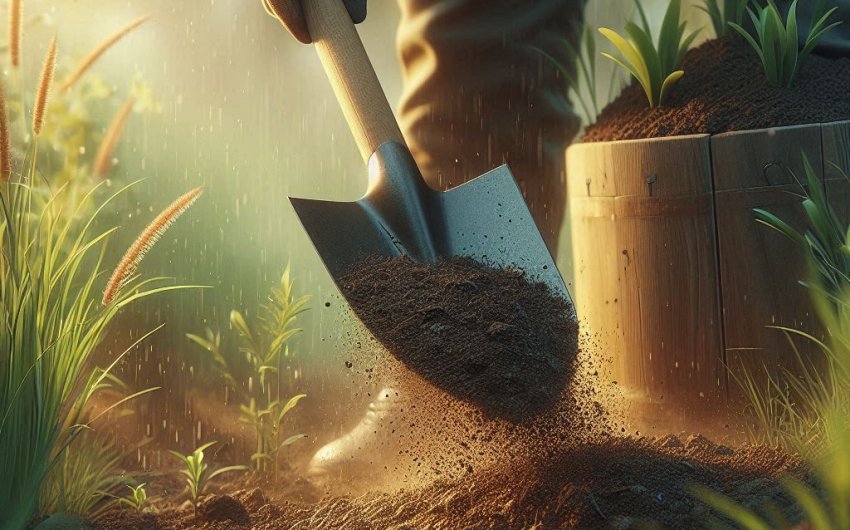
Heavy, dense soil can be a gardener's bane, so understanding how do I amend clay soil to improve drainage for my garden is a fundamental skill. Clay, with its tiny, tightly packed particles, struggles to allow water and air to move freely, often leading to waterlogged roots and unhappy plants. Fortunately, with the right techniques and amendments, you can transform challenging clay into a rich, friable medium that supports healthy plant growth.
What Are the Characteristics of Clay Soil?
Before you begin to amend it, it's important to truly understand what you're working with. Clay soil has unique characteristics that set it apart from other soil types.
Particle Size:
- Smallest Particles: Clay particles are the smallest of all soil particles, less than 0.002 mm in diameter. This is much finer than silt (0.002 to 0.05 mm) or sand (0.05 to 2.0 mm).
- Implication: Because they are so tiny, they pack together very tightly, leaving little space between them for air or water to move freely.
Texture and Feel:
- Sticky When Wet: When wet, clay soil feels very sticky, slippery, and can be easily molded into shapes like a ball or a ribbon.
- Hard When Dry: When it dries out, it becomes extremely hard, dense, and can form large, difficult-to-break clods or cracks.
- Ribbon Test: You can identify clay by taking a small amount of moist soil and rolling it into a "ribbon" between your thumb and forefinger. If you can make a long, thin ribbon (over 1 inch) without it breaking, you likely have a high clay content.
Water Retention and Drainage:
- High Water Retention: Clay particles hold onto water very well. This means clay soil takes a long time to drain after rain or watering.
- Poor Drainage: The tiny pore spaces mean water moves very slowly through the soil, leading to waterlogging and anaerobic (low oxygen) conditions.
- Compaction: When clay soil is walked on or worked when wet, it easily compacts, making drainage even worse.
Air Circulation (Aeration):
Advertisement- Poor Aeration: Due to the tightly packed particles and small pore spaces, clay soil has poor air circulation.
- Root Health Issue: Plant roots need oxygen to respire and absorb nutrients. In waterlogged, poorly aerated clay, roots can suffocate and rot.
Nutrient Holding Capacity:
- High Cation Exchange Capacity (CEC): This is a positive trait of clay. Clay particles have a negative charge, which allows them to hold onto positively charged nutrient ions (like potassium, calcium, magnesium) very well, preventing them from washing away.
- Implication: Clay soil can be very fertile because it retains nutrients. The challenge is making those nutrients accessible to plants by improving structure.
Workability:
- Difficult to Work: Clay soil is notoriously difficult to dig, till, or cultivate, especially when it's too wet or too dry.
- Best Time to Work: It's best worked when it's moist but not soggy – sometimes described as "crumbly" or "friable."
- Tools: Can be hard on gardening tools. A sturdy broadfork or digging shovel is essential.
Understanding these characteristics highlights why clay soil needs special attention to improve its structure and make it suitable for healthy plant growth. The goal of amending is to create larger pore spaces for better drainage and aeration, while still capitalizing on its good nutrient-holding capacity.
Why Does Clay Soil Need Improved Drainage for Gardening?
Poor drainage in clay soil is more than just an inconvenience; it actively harms plants. Understanding these reasons is crucial for motivating the effort to amend your garden beds.
Root Suffocation and Rot:
- Lack of Oxygen: Plant roots, like all living organisms, need oxygen to "breathe" (respire). In waterlogged clay soil, the tiny spaces between soil particles fill up with water, pushing out all the air.
- Anaerobic Conditions: This creates anaerobic conditions (lack of oxygen), which can quickly suffocate roots.
- Root Rot: Prolonged lack of oxygen weakens roots, making them susceptible to root rot diseases caused by specific fungi and bacteria that thrive in wet, oxygen-deprived environments. Once root rot sets in, it's often fatal to the plant.
Nutrient Lock-up and Deficiency:
- Reduced Nutrient Uptake: Even if nutrients are present in the soil, damaged or suffocating roots cannot effectively absorb them.
- Chemical Changes: Waterlogging can also lead to chemical changes in the soil, altering the availability of certain nutrients. For example, nitrogen can be lost through denitrification in anaerobic conditions, and some micronutrients become less available.
Stunted Growth and Poor Yields:
- Stress: Plants in poorly draining soil are constantly under stress, leading to stunted growth, yellowing leaves (chlorosis), and overall lack of vigor.
- Reduced Productivity: Stress directly impacts a plant's ability to flower and produce fruit or vegetables, leading to disappointing yields.
Increased Disease Susceptibility:
- Fungal and Bacterial Diseases: Beyond root rot, many foliar (leaf) and stem diseases thrive in consistently wet conditions that result from poor drainage.
- Splashing Spores: Waterlogging at the soil surface also increases water splashing, which can carry soil-borne fungal and bacterial spores onto plant leaves, leading to leaf spots and other infections.
Compaction Issues:
- Workability Problems: Clay soil compacts easily when worked or walked on when wet. This further reduces pore space, creating a vicious cycle of poorer drainage and aeration.
- Hardpan Formation: Over time, particularly in construction areas, clay can form a nearly impenetrable "hardpan" layer below the surface, completely blocking drainage.
Delayed Planting and Drying Out:
- Slower Warm-up: Waterlogged clay soil takes much longer to warm up in spring, delaying planting times.
- Crusting: When it finally dries, the surface often forms a hard crust, making it difficult for seedlings to emerge and for water to penetrate in the future.
In essence, amending clay soil to improve drainage isn't just about making it easier to dig; it's about creating a healthy, oxygen-rich environment where plant roots can thrive, absorb nutrients efficiently, and resist disease, leading to a much more productive and beautiful garden.
What Are the Best Organic Amendments to Improve Clay Soil Drainage?
The most effective and sustainable way to improve clay soil drainage is by regularly incorporating organic matter. This approach addresses the root cause of poor drainage by improving soil structure.
Compost (The Champion Amendment):
- Type: Well-rotted organic compost made from decomposed plant material (leaves, grass clippings, food scraps).
- How it Works: Compost acts like a glue, binding the tiny clay particles together into larger "aggregates" (crumbs or clumps). This creates larger pore spaces for air and water to move through, significantly improving drainage and aeration. It also attracts earthworms and beneficial microbes, which further improve soil structure.
- Application:
- New Beds: Incorporate a 2-4 inch layer of compost into the top 6-12 inches of soil.
- Existing Beds: Top-dress with a 1-2 inch layer annually, allowing earthworms and natural processes to work it into the soil.
- Benefit: Improves drainage, aeration, nutrient retention, and adds beneficial microbes. It's the single most impactful amendment for clay soil.
Well-Rotted Manure:
- Type: Aged or composted animal manure (cow, horse, chicken, sheep).
- How it Works: Similar to compost, manure adds organic matter that helps form soil aggregates, improving structure and drainage. It also provides a slow release of nutrients.
- Application: Incorporate a 1-2 inch layer into the soil. Ensure it is well-rotted or composted to avoid burning plants with excess nitrogen and to kill weed seeds. Composted cow manure is a common choice.
- Benefit: Excellent for structure and fertility.
Leaf Mold:
- Type: Decomposed leaves, ideally from hardwood trees. You can make your own by simply composting leaves in a separate pile.
- How it Works: Adds a light, fluffy form of organic matter that helps open up heavy clay soil, improves drainage, and retains moisture (important during dry spells in amended clay).
- Application: Incorporate into soil or use as a top-dressing mulch. Leaf mold compost can also be purchased.
- Benefit: Improves structure and feeds soil microbes.
Composted Pine Bark (Fines):
- Type: Finely shredded, aged pine bark. Avoid fresh bark, which can deplete nitrogen as it breaks down.
- How it Works: Adds woody organic matter that is slow to break down, providing long-term structural improvement by creating stable pore spaces.
- Application: Incorporate into the soil.
- Benefit: Good for long-term improvement, especially in areas needing consistent aeration. Look for composted pine bark fines.
Straw or Hay (Used as Mulch then Incorporated):
- How it Works: While primarily used as a mulch, over time, the straw breaks down and its organic matter works its way into the soil, improving structure.
- Application: Apply a thick layer (3-6 inches) as a mulch. At the end of the season, turn it into the top few inches of soil.
- Caution: Ensure it's weed-seed-free straw, not hay (which often contains seeds).
Important Considerations for Amending Clay Soil with Organic Matter:
- Consistency is Key: Amending clay soil is not a one-time fix. It's an ongoing process. Regular additions of organic matter over several seasons will yield the best results.
- Work When Moist, Not Wet: Never work clay soil when it's soggy, as this will lead to severe compaction and create even worse problems. Wait until it's crumbly.
- Don't Add Too Much at Once: While adding a lot of organic matter is good, it should be done over time. Aim for 2-4 inches incorporated initially, then top-dress annually.
- Avoid Sand: While it seems counterintuitive, adding sand to clay soil usually makes the problem worse, creating a concrete-like mixture. Only very coarse sand in very large quantities (which is impractical) can help.
By focusing on generous and consistent applications of organic matter, you will effectively answer the question of how do I amend clay soil to improve drainage for my garden and create a thriving ecosystem for your plants.
What Are Other Methods to Improve Drainage in Clay Soil?
Beyond adding organic matter, there are several other practical methods to help improve drainage in stubborn clay soil, especially for areas where traditional amendment might be challenging or insufficient.
Raised Garden Beds:
- How it Works: By building a raised structure and filling it with a custom soil mix (typically a blend of good topsoil, compost, and possibly some coarse sand), you create an entirely new growing environment with excellent drainage.
- Benefits:
- Instant Drainage: Immediately solves drainage problems without extensive ground amendment.
- Custom Soil: Allows you to tailor the soil composition precisely to your plants' needs.
- Warmer Soil: Raised beds tend to warm up faster in spring.
- Easier Access: Reduces bending and kneeling.
- Considerations: Requires an initial investment in materials (wood, stone, metal) and soil. You can find raised garden bed kits online.
- Ideal for: Vegetable gardens, perennial borders, or any area where drainage is critical.
Double Digging or Deep Cultivation:
- How it Works: This involves digging down two spade depths (about 18-24 inches) to loosen the soil structure deeply. The top layer of soil is set aside, the subsoil is loosened (and potentially amended), and then the topsoil is returned.
- Benefits: Breaks up compaction layers (hardpan) and creates long-term pathways for water and roots.
- Considerations: Labor-intensive and can be difficult in very heavy clay. Best done when the soil is moist but not wet. A broadfork can achieve similar results with less effort.
- Ideal for: Preparing new garden beds or rejuvenating compacted areas.
French Drains or Perforated Piping (for severe cases or specific areas):
- How it Works: This is an engineering solution for significant drainage problems. A trench is dug, lined with landscape fabric, filled with gravel, and often includes a perforated pipe to direct excess water away from the area.
- Benefits: Provides a dedicated channel for water to escape, preventing pooling and saturation.
- Considerations: More involved and costly. Usually done for significant landscape drainage issues rather than typical garden beds. Requires careful planning of water runoff.
- Ideal for: Areas that consistently flood or remain waterlogged for extended periods, or around building foundations.
Gypsum (Calcium Sulfate):
- How it Works: Gypsum is a clay flocculant, meaning it helps clay particles clump together, creating larger pore spaces. It does this by exchanging calcium ions with sodium ions on clay particles.
- Benefits: Can improve the structure of sodic (high sodium) clay soils. Also adds calcium and sulfur, which are plant nutrients.
- Considerations: It only works if your clay soil has a high sodium content. Most clay soils do not. Adding gypsum to non-sodic clay soils will have little to no effect on drainage. It's crucial to get a soil test before adding gypsum to confirm if sodium is an issue.
- Application: Spread evenly over the soil surface and gently rake in. Follow product instructions for quantity. You can find garden gypsum at garden centers.
Planting in Mounds or Berms:
- How it Works: Instead of digging down into heavy clay, create raised planting areas by mounding up soil (amended with organic matter) on top of the existing clay.
- Benefits: Provides a naturally elevated, well-drained growing medium for plant roots.
- Considerations: Can alter the aesthetic of your garden. Requires ongoing amendment of the mounded soil.
- Ideal for: Individual plants that are very sensitive to wet feet, or for creating informal garden beds.
Living Root Systems (Cover Crops and Deep-Rooted Plants):
- How it Works: Growing plants with strong, deep root systems can naturally break up compacted clay over time.
- Cover Crops: Plant cover crops like daikon radish, clover, or fava beans during the off-season. Their roots penetrate deep into the clay, creating channels. When they decompose, they add organic matter and leave behind pathways for air and water.
- Deep-Rooted Perennials: Incorporate plants known for their deep, robust root systems (e.g., some prairie grasses, certain perennial flowers) into your landscape.
- Benefits: A natural, long-term, and low-effort way to improve soil structure.
By combining organic matter amendments with one or more of these additional methods, you can effectively answer the question of how do I amend clay soil to improve drainage for my garden, turning a challenging garden spot into a productive one.
How Do I Maintain Improved Clay Soil Drainage Over Time?
Amending clay soil isn't a one-and-done job. To maintain good drainage and a healthy soil structure, ongoing practices are essential. Consistency is key to long-term success in your garden.
Continue Adding Organic Matter Annually:
- Top-Dressing: The easiest and most effective way to maintain good soil structure is to apply a 1-2 inch layer of well-rotted compost or leaf mold to your garden beds every spring or fall.
- No-Dig Gardening: Many gardeners advocate for a "no-dig" approach in clay soil. Instead of tilling, you simply layer organic matter on top, allowing earthworms and microbes to pull it down and incorporate it naturally. This prevents re-compacting the soil.
- Why it's important: Organic matter constantly breaks down, so regular replenishment is necessary to keep the soil aggregates stable and ensure continuous improvement in drainage and aeration.
Avoid Compaction:
- Stay Off Wet Soil: This is perhaps the most crucial rule for clay soil. Never walk on, kneel on, or drive heavy equipment over wet clay soil. Wait until it's just moist and crumbly. Working wet clay destroys its structure and creates hardpan.
- Use Walkways and Boards: Install designated pathways or place wooden boards over beds to distribute your weight when you need to access plants in the middle of a bed.
- Define Beds: Use edging or borders to clearly define garden beds and keep foot traffic out.
Mulch Heavily and Consistently:
- Benefits: A 2-4 inch layer of organic mulch (e.g., shredded leaves, straw, wood chips) provides numerous benefits for clay soil:
- Prevents Compaction from Rain: Cushions the impact of raindrops, preventing the formation of a hard crust on the soil surface.
- Adds Organic Matter: As the mulch breaks down, it slowly adds organic matter to the soil.
- Regulates Soil Temperature: Keeps soil cooler in summer and warmer in winter.
- Suppresses Weeds: Reduces competition for water and nutrients.
- Conserves Moisture: Maintains more consistent soil moisture, reducing the need for frequent watering.
- Benefits: A 2-4 inch layer of organic mulch (e.g., shredded leaves, straw, wood chips) provides numerous benefits for clay soil:
Mindful Watering Practices:
- Deep and Infrequent: Water deeply but less frequently. This encourages roots to grow deeper into the soil, seeking moisture, and allows the soil to dry out a bit between waterings, promoting better aeration.
- Water at the Base: Use a soaker hose or drip irrigation to deliver water directly to the root zone, avoiding overhead watering which can compact the soil surface and contribute to fungal diseases.
Consider Cover Crops:
- Winter Protection: If you leave garden beds bare over winter, they are prone to compaction from rain and snow. Planting winter cover crops (like winter rye, crimson clover, or hairy vetch) protects the soil surface.
- Root Channels: Their roots penetrate the clay, creating channels for air and water. When turned under in spring (or left to decompose on the surface in no-dig systems), they add a significant amount of organic matter.
Minimize Tilling/Cultivation:
- No-Till Approach: For long-term improvement of clay soil, many experts recommend moving towards a "no-till" or "no-dig" gardening system.
- Why: While initial incorporation of organic matter may require some digging, ongoing deep tilling disrupts the newly formed soil aggregates and destroys the beneficial fungal networks that help build soil structure.
- Surface Loosening: If surface compaction occurs, use a garden fork to gently aerate the top few inches without turning over the soil layers.
By consistently applying these maintenance strategies, you will continually improve and sustain the drainage of your clay soil, ensuring a healthy and productive garden for years to come. This ongoing commitment is the ultimate answer to how do I amend clay soil to improve drainage for my garden.