
What Organic Materials Can I Add to Enrich Sandy Soil in My Garden?
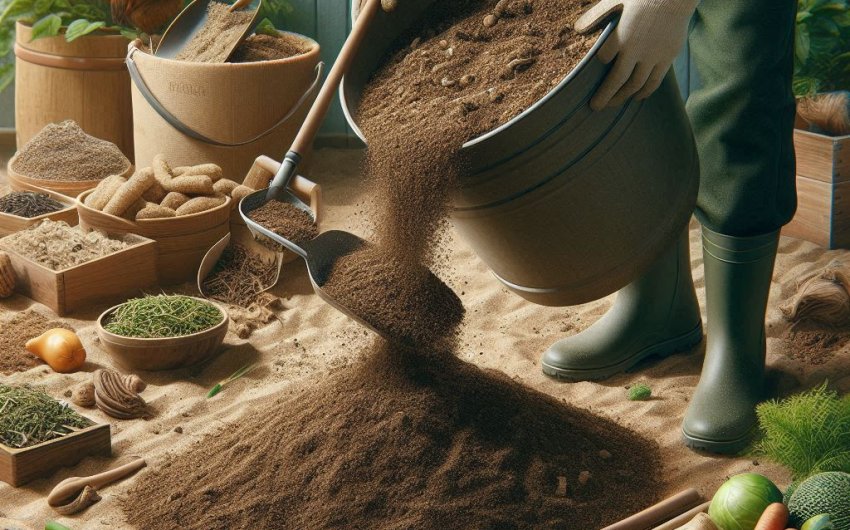
Are you wondering what organic materials you can incorporate to significantly improve sandy soil in your garden? Transforming loose, well-draining sandy earth into a fertile environment for plant growth requires a strategic approach, primarily focusing on the addition of various natural amendments. These materials not only boost nutrient availability but also enhance the soil's capacity to retain moisture, a common challenge with sandy textures.
Why is Enriching Sandy Soil Important?
Improving sandy soil is crucial because its large particles create wide spaces, allowing water and nutrients to drain quickly. This means plants often don't get enough water or food, leading to poor growth. Adding organic materials helps fill these gaps, making the soil better at holding onto what plants need to thrive.
What is Compost and How Does It Help Sandy Soil?
Compost is a dark, crumbly material made from decomposed organic matter. It's often called "black gold" by gardeners because it's so beneficial. When you mix compost into sandy soil, it acts like a sponge, dramatically improving the soil's ability to hold onto water and nutrients. It also introduces a rich array of microorganisms that are vital for breaking down organic matter and making nutrients available to plants. You can find ready-to-use garden compost or create your own with a compost bin.
Can Manure Be Used to Improve Sandy Soil?
Yes, manure is an excellent organic amendment for sandy soil, providing a substantial boost in organic matter and essential nutrients. It's important to use well-rotted or aged manure, as fresh manure can be too strong and potentially harm plants due to high nitrogen levels or the presence of pathogens. Well-composted animal manures from cows, horses, chickens, or sheep are particularly effective. These contribute to better soil structure, increased water retention, and a slow release of nutrients over time. You might look for aged cow manure or composted chicken manure for your garden.
How Do Cover Crops Benefit Sandy Soil?
Cover crops are plants grown specifically to benefit the soil rather than for harvest. When tilled into sandy soil, they add a significant amount of organic matter, which improves water retention and nutrient levels. Their root systems also help to break up the soil, improving aeration and creating channels for water and nutrient movement. Popular choices for improving sandy soil include legumes like clover and vetch, which fix nitrogen in the soil, and grains like rye and oats, which produce a large amount of biomass. After they grow, you can chop them up and leave them on the surface as green manure or dig them into the soil.
Is Leaf Mold Effective for Amending Sandy Soil?
Leaf mold is made from decomposed leaves and is a fantastic, free source of organic matter for sandy soil. It's excellent for improving soil structure, increasing water retention, and providing a slow release of nutrients. Unlike compost, which is rich in a wide range of nutrients, leaf mold primarily adds organic matter and creates a habitat for beneficial soil organisms. It helps to bind sandy particles together, making the soil less prone to erosion and improving its overall texture. You can make your own leaf mold by collecting fallen leaves and letting them decompose in a leaf mold composter or simply in a corner of your garden.
What Role Does Sphagnum Peat Moss Play in Sandy Soil?
Sphagnum peat moss is often used to improve sandy soil due to its exceptional water-holding capacity. It can absorb many times its weight in water, making it incredibly effective at increasing moisture retention in well-draining sandy soil. While it provides minimal nutrients, its acidic nature can also help to lower the pH of alkaline sandy soils, benefiting acid-loving plants. However, its use is sometimes debated due to environmental concerns regarding its harvesting from peat bogs. If you choose to use it, look for sustainably harvested sphagnum peat moss.
Can Wood Chips and Bark Improve Sandy Soil?
Wood chips and bark are effective long-term additions for sandy soil, particularly when used as a mulch. As they break down, they slowly release organic matter into the soil, improving its structure and fertility over time. When mixed directly into the soil, especially in large quantities, they can temporarily tie up nitrogen as microorganisms work to decompose them. To avoid this, it's best to use them as a top dressing or ensure they are partially decomposed before incorporation. They help to conserve moisture, suppress weeds, and regulate soil temperature. You can find various types of wood chip mulch for your garden beds.
How Does Green Manure Enhance Sandy Soil?
Green manure refers to specific plants, often cover crops, that are grown and then tilled directly into the soil while still green. This process rapidly incorporates a large amount of organic matter, which is quickly broken down by soil microorganisms. For sandy soil, this provides an immediate boost in organic content, improving water retention and nutrient availability. Leguminous green manures, like alfalfa or clover, are especially beneficial as they also fix atmospheric nitrogen into the soil, reducing the need for synthetic nitrogen fertilizers. Planting a green manure seed mix is an easy way to get started.
What About Biochar for Sandy Soil Improvement?
Biochar is a highly porous form of charcoal produced by heating organic materials in a low-oxygen environment. When added to sandy soil, it acts like a permanent sponge, significantly improving water retention and nutrient-holding capacity. Its stable structure means it decomposes very slowly, providing long-lasting benefits to soil health and fertility. Biochar also provides an excellent habitat for beneficial soil microorganisms. It's a relatively new but highly promising amendment for sandy soils. You can purchase garden biochar to incorporate into your garden beds.
Is Straw or Hay a Good Addition to Sandy Soil?
Straw and hay can be used to enrich sandy soil, either as a mulch or incorporated directly. As they break down, they add valuable organic matter, improving soil structure and water retention. Straw is primarily carbon-rich, while hay, especially if it contains legumes, will offer more nitrogen. When tilled into the soil, especially fresh material, they may temporarily deplete nitrogen as they decompose, so it's often better to use them as a surface mulch or to compost them first. They are particularly good for suppressing weeds and retaining moisture when used as a top layer. Consider using organic straw mulch or weed-free hay.
How Does Spent Mushroom Compost Help Sandy Soil?
Spent mushroom compost is a byproduct of mushroom cultivation, consisting of a mix of organic materials like straw, hay, peat moss, and various animal manures, along with a bit of chalk or gypsum. It's an excellent organic amendment for sandy soil, providing a rich source of organic matter and a balanced range of nutrients. Its fine texture helps to bind sandy particles together, improving water and nutrient retention. It also helps to buffer soil pH, making it less acidic or alkaline. Ensure it has been well-composted and is free of active mushroom spores. Look for readily available spent mushroom substrate.
Can Coffee Grounds Improve Sandy Soil?
Coffee grounds are a surprisingly beneficial addition to sandy soil. They are rich in nitrogen, phosphorus, and potassium, along with several micronutrients, providing a gentle, slow-release fertilizer. As they break down, they add organic matter, improving soil structure and water retention. Their slightly acidic nature can also be beneficial for plants that prefer a lower pH. You can sprinkle them directly around plants or add them to your compost pile. Many local coffee shops are happy to give away used coffee grounds for gardening purposes.
What is Vermicompost and How Does It Benefit Sandy Soil?
Vermicompost, also known as worm castings, is the end product of organic matter decomposition by earthworms. It's incredibly rich in nutrients, enzymes, and beneficial microbes, making it a powerful amendment for sandy soil. The worm castings help to improve soil structure, increasing water retention and aeration, while providing a readily available source of plant nutrients. It's a highly concentrated form of organic matter that can significantly boost plant growth and soil health. You can make your own with a worm composting bin or buy premium worm castings.
How Does Alfalfa Meal or Pellets Enhance Sandy Soil?
Alfalfa meal or pellets are made from dried and ground alfalfa plants. They are a fantastic slow-release source of nitrogen, along with phosphorus, potassium, and trace minerals. When added to sandy soil, they not only provide essential nutrients but also contribute organic matter as they break down, improving soil structure and water-holding capacity. They also stimulate microbial activity in the soil. Alfalfa meal is a popular choice for organic gardeners looking to boost fertility naturally. You can find alfalfa meal fertilizer at garden supply stores.
Can Coco Coir Be Used to Improve Sandy Soil?
Coco coir is a natural fiber extracted from the husk of coconuts. Similar to peat moss, it has an excellent water-holding capacity, making it highly effective at improving moisture retention in sandy soil. It's also pH neutral, which means it won't significantly alter the soil's acidity or alkalinity. Coco coir is a sustainable alternative to peat moss and provides a stable, long-lasting organic amendment that enhances aeration and drainage while retaining water. You can buy coco coir blocks that expand when wet, making them easy to use.
What is the Benefit of Seaweed or Kelp Meal for Sandy Soil?
Seaweed or kelp meal is derived from dried and ground sea plants. It's an incredible source of trace minerals, vitamins, and plant hormones that promote healthy growth. When added to sandy soil, it not only provides a gentle, slow-release nutrient boost but also acts as a natural soil conditioner, improving soil structure and water retention. It encourages beneficial microbial activity and can enhance a plant's resilience to stress. Both dried seaweed meal and liquid kelp concentrate are valuable additions.
How Do Crushed Eggshells Affect Sandy Soil?
Crushed eggshells are a source of calcium carbonate, which is primarily beneficial for raising soil pH if your sandy soil is too acidic. While they don't directly add significant organic matter, they provide a slow-release source of calcium, an essential nutrient for plant growth, particularly for preventing blossom end rot in tomatoes and peppers. Over time, as they break down, they contribute to overall soil health and structure. For best results, wash and crush eggshells finely before incorporating them into the soil. Collecting egg shells for garden is an easy way to recycle kitchen waste.
What Role Does Gypsum Play in Sandy Soil (If Applicable)?
While not strictly an organic material, gypsum (calcium sulfate) is sometimes used in sandy soil, particularly if it has issues with compaction or high sodium levels. Gypsum helps to improve soil structure by causing small clay particles (which can be present even in sandy soil) to clump together, enhancing drainage and aeration. It also supplies calcium and sulfur, two important plant nutrients. However, it doesn't add organic matter or significantly improve water retention in the way that compost or other organic amendments do. It's more of a soil conditioner for specific problems rather than a general amendment. You can find garden gypsum at most garden centers.
How to Apply Organic Materials to Sandy Soil?
Applying organic materials to sandy soil generally involves working them into the top 6-12 inches of the garden bed. For new beds, a generous application of compost or aged manure can be spread over the surface and then tilled or dug in. For existing gardens, top-dressing with these materials and allowing them to gradually work into the soil through watering and microbial activity is effective. Regularly adding a fresh layer of mulch, such as wood chips or straw, will also slowly break down and contribute to the soil's organic matter content over time. Consistent application over several seasons will yield the best results. Using a garden tiller can make the incorporation process easier for larger areas.
What is the Long-Term Strategy for Amending Sandy Soil?
The long-term strategy for amending sandy soil is continuous and consistent addition of organic matter. Soil improvement isn't a one-time task; it's an ongoing process. Each year, aim to add a fresh layer of compost, manure, or other chosen organic materials. Employing cover crops during off-seasons is also an excellent long-term strategy to build up organic matter and improve soil structure. As the organic content increases, the sandy soil will gradually transform, becoming darker, richer, and more capable of sustaining healthy plant growth with less effort. It's about building a living, thriving soil ecosystem that will support your plants for years to come.
By consistently applying what organic materials you can add to enrich sandy soil in your garden, you will foster a more vibrant and productive growing environment.