
How Do Soil Microbes Affect Plant Growth in a Garden?
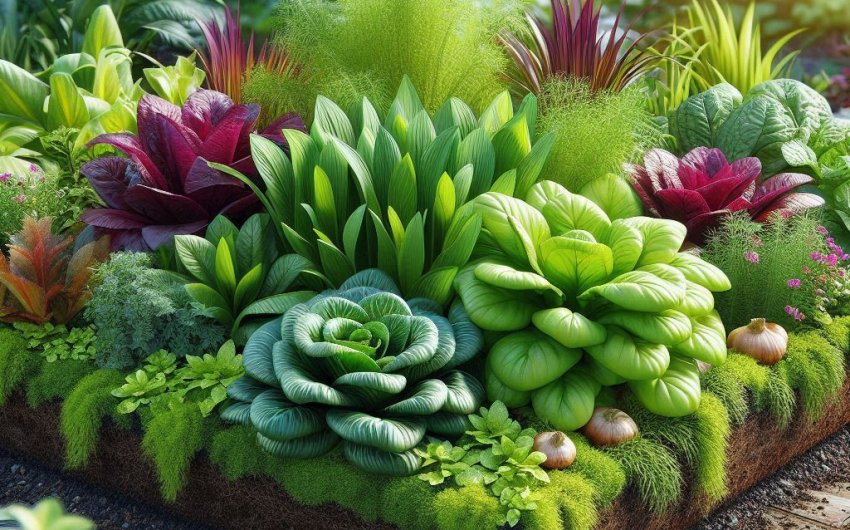
The unseen world beneath our feet, teeming with soil microbes, plays an indispensable role in determining plant growth and overall garden vitality. Far from being inert dirt, healthy garden soil is a bustling ecosystem where billions of microscopic organisms tirelessly work to support plant life. Understanding this intricate underground network reveals how profoundly these tiny helpers influence everything from nutrient uptake to disease resistance, ultimately shaping the success of your garden.
What Are Soil Microbes and Why Are They Important?
Soil microbes are an incredibly diverse community of microscopic living organisms that inhabit the soil. This unseen workforce includes bacteria, fungi, protozoa, and nematodes, each playing a vital role in the complex web of life beneath the garden surface. They are the true architects of healthy soil, directly impacting plant growth and ecosystem function.
Types of Soil Microbes
The microbial world is vast, but several key groups are particularly important for gardeners:
- Bacteria: These are the most numerous soil microbes. They are critical decomposers, breaking down organic matter and cycling nutrients. Specific types of bacteria are involved in nitrogen fixation (converting atmospheric nitrogen into a form plants can use) and nitrification (converting ammonia to nitrates).
- Fungi: Fungi come in various forms crucial for soil health.
- Decomposers: Like bacteria, many fungi break down complex organic materials.
- Mycorrhizal Fungi: These form symbiotic relationships with plant roots, extending the root system's reach and improving nutrient and water uptake.
- Pathogenic Fungi: A small percentage can cause plant diseases, but beneficial fungi often outcompete them.
- Protozoa: These single-celled organisms prey on bacteria and other microbes, releasing nutrients in a form available for plants. They help regulate bacterial populations.
- Nematodes: These are tiny, unsegmented worms. While some are plant parasites, most soil nematodes are beneficial, feeding on bacteria, fungi, or other nematodes, contributing to nutrient cycling.
The Soil Food Web: A Mini-Ecosystem
Soil microbes are not isolated; they form the base of the soil food web, a complex network of organisms living in and on the soil. This web begins with plants, which release root exudates (sugars and other compounds) that feed microbes. In turn, these microbes become food for larger organisms like protozoa and nematodes, which are then consumed by even larger creatures. Each step in this food web contributes to:
- Decomposition: Breaking down organic matter (dead plants, leaves, manure) into simpler forms.
- Nutrient Cycling: Transforming nutrients from organic forms into mineral forms that plants can absorb.
- Soil Structure: Creating stable soil aggregates (clumps of soil), which improve aeration, water infiltration, and root penetration.
- Disease Suppression: Beneficial microbes can outcompete or directly attack plant pathogens, protecting plants from disease.
Without a thriving community of soil microbes, the soil becomes inert and lifeless, unable to support vigorous plant growth effectively. They are the essential workers that make nutrient delivery and soil health possible.
How Do Soil Microbes Enhance Nutrient Availability?
One of the most critical ways soil microbes affect plant growth is by transforming and making essential nutrients available to plants. Plants can only absorb nutrients in specific forms, and much of this conversion relies on the tireless work of microscopic organisms.
Nitrogen Fixation
Nitrogen is a cornerstone nutrient for plant growth, crucial for leafy development and photosynthesis. However, plants cannot directly use the abundant nitrogen gas ((N_2)) in the atmosphere.
- Rhizobium Bacteria: These specialized bacteria form symbiotic relationships with the roots of legumes (such as beans, peas, clover, and alfalfa). They create nodules on the roots where they convert atmospheric nitrogen gas into ammonia ((NH_3)), a form plants can readily use. In return, the plant provides the bacteria with sugars. This natural process significantly enriches the soil's nitrogen content without the need for synthetic fertilizers. You can find Rhizobium inoculant to boost this process for your legume crops.
- Free-Living Nitrogen Fixers: Other bacteria, like Azotobacter and Clostridium, live freely in the soil and can also convert atmospheric nitrogen into usable forms for plants, though generally at lower rates than rhizobia.
Phosphorus and Potassium Solubilization
Phosphorus is vital for root development, flowering, and fruiting, while potassium supports overall plant vigor, water regulation, and disease resistance. Much of the phosphorus and potassium in soil exists in forms unavailable to plants.
- Phosphate-Solubilizing Bacteria (PSB): These bacteria secrete organic acids that dissolve insoluble phosphate compounds in the soil, converting them into forms like orthophosphate ((H_2PO_4^-) or (HPO_4^{2-})), which plants can absorb.
- Potassium-Solubilizing Bacteria (KSB): Similar to PSB, these bacteria and some fungi can release potassium from insoluble mineral forms, making it available for plant uptake.
- Mycorrhizal Fungi: These fungi are exceptionally good at helping plants acquire phosphorus. Their vast network of fungal hyphae (root-like structures) extends far beyond the plant's root zone, efficiently scavenging phosphorus and transporting it back to the plant in exchange for sugars. This symbiotic relationship is crucial for phosphorus uptake, especially in soils where phosphorus is locked up.
Organic Matter Decomposition and Nutrient Cycling
When organic materials (dead leaves, grass clippings, compost, manure) are added to the soil, the nutrients within them are not immediately available to plants.
- Decomposers: Bacteria and fungi are the primary decomposers. They break down complex organic compounds into simpler forms.
- Mineralization: As decomposers consume organic matter, they convert organically bound nutrients (like nitrogen, phosphorus, sulfur) into inorganic, mineral forms that plants can absorb. This process is called mineralization.
- Nutrient Release: The continuous decomposition of organic matter by microbes ensures a steady, slow release of nutrients, preventing nutrient runoff and providing plants with a consistent food supply. This is why adding organic compost to your garden regularly is so beneficial.
By actively participating in these crucial nutrient transformations, soil microbes act as the essential intermediaries, unlocking the full potential of soil nutrients and ensuring robust plant growth.
How Do Soil Microbes Improve Soil Structure and Water Management?
Beyond nutrient cycling, soil microbes are vital engineers of soil, creating a healthy physical environment that supports optimal plant growth. Their activities significantly improve soil structure, which in turn enhances water infiltration, aeration, and root development.
Formation of Soil Aggregates
Healthy soil isn't just loose dirt; it's composed of stable soil aggregates, which are small clumps of soil particles bound together. This aggregated structure is largely thanks to microbial activity.
- Bacterial Gums and Polysaccharides: Bacteria excrete sticky substances (polysaccharides and other organic glues) that act like cement, binding individual soil particles (sand, silt, clay) into stable aggregates.
- Fungal Hyphae: Mycorrhizal fungi and other saprophytic fungi produce long, thread-like structures called hyphae. These hyphae grow through the soil, physically binding soil particles together like a microscopic net, further stabilizing aggregates. The protein glomalin, produced by arbuscular mycorrhizal fungi, is particularly important as a "superglue" for soil aggregates.
- Improved Pore Space: When soil particles clump into aggregates, they create a network of different-sized pores (spaces) within the soil.
- Macropores: Larger pores allow for good aeration (oxygen for roots and microbes) and rapid water infiltration (preventing waterlogging).
- Micropores: Smaller pores retain water for plants to access slowly, like tiny sponges.
This improved soil structure is essential. Compacted soil, lacking good aggregation, has few macropores, leading to poor drainage, insufficient oxygen, and stunted root growth.
Enhanced Water Infiltration and Retention
The improved soil structure directly impacts how water moves through and is held in the soil.
- Faster Infiltration: The network of macropores allows rainwater or irrigation water to penetrate the soil quickly, reducing runoff and erosion.
- Increased Water Holding Capacity: While macropores allow drainage, the micropores within the aggregates, along with the organic matter content (which microbes help to create and incorporate), increase the overall water holding capacity of the soil. This means the soil can hold more water in a plant-available form, making plants more resilient during dry periods.
- Reduced Evaporation: A well-aggregated soil, often covered by a layer of organic matter, helps to reduce direct evaporation from the soil surface, conserving moisture.
Better Aeration and Root Penetration
Oxygen is just as vital for healthy roots as it is for aerobic soil microbes.
- Oxygen Supply: The improved macropore network in aggregated soil ensures a continuous supply of oxygen to plant roots and beneficial microorganisms. Roots "breathe" just like we do, needing oxygen for cellular respiration.
- Root Growth: In well-aerated, loose, and aggregated soil, plant roots can easily penetrate deeper and spread wider, accessing more water and nutrients. In compacted, poorly aggregated soil, roots struggle to grow, leading to weak, shallow root systems.
By actively participating in the creation and maintenance of stable soil aggregates, soil microbes fundamentally transform inert dirt into a dynamic, living medium that provides the ideal physical environment for robust plant growth. This intricate microbial engineering improves everything from water dynamics to root health, laying the groundwork for a thriving garden.
How Do Soil Microbes Protect Plants from Pests and Diseases?
Beyond their roles in nutrient cycling and soil structure, soil microbes act as an invisible shield for plants, playing a crucial role in suppressing pests and diseases. A diverse and robust microbial community helps create a healthier, more resilient garden ecosystem where plants are better equipped to defend themselves.
Disease Suppression
Beneficial soil microbes employ several strategies to protect plants from pathogenic (disease-causing) bacteria and fungi.
- Competitive Exclusion: Healthy soil is teeming with beneficial microbes that simply outcompete pathogens for resources (food, space). By dominating the soil environment, they leave fewer opportunities for harmful organisms to establish and multiply.
- Antagonism and Antibiosis: Some beneficial microbes produce antibiotics or other biochemicals that are toxic or inhibitory to pathogens. For example, certain Bacillus species of bacteria and Trichoderma fungi are known to produce compounds that suppress common plant diseases. You can often find beneficial microbe soil amendments that contain these specific strains.
- Predation: Certain protozoa and nematodes feed on disease-causing bacteria and fungi, directly reducing pathogen populations in the soil.
- Induction of Systemic Resistance (ISR): Some beneficial microbes, particularly certain bacteria and mycorrhizal fungi, can trigger a plant's natural defense mechanisms. This process, known as Induced Systemic Resistance (ISR), makes the entire plant more resistant to a wide range of pests and diseases, even in parts of the plant not directly colonized by the microbes. It's like giving the plant an immune system booster shot.
Pest Deterrence
While the effect is often indirect, a healthy microbial community can also contribute to pest deterrence.
- Healthier Plants: Plants grown in microbe-rich, nutrient-balanced soil are inherently stronger and healthier. Robust plants are more resilient and less susceptible to pest attacks than stressed or nutrient-deficient ones.
- Root Protection: Mycorrhizal fungi create a physical barrier around plant roots, making it harder for root-feeding nematodes or disease organisms to penetrate.
- Altered Plant Chemistry: Some research suggests that beneficial microbes can subtly alter plant chemistry, making them less appealing to certain insect pests.
The Role of Organic Matter
The link between organic matter and disease suppression is strong, and soil microbes are the facilitators.
- Microbial Diversity: Adding diverse organic matter (compost, cover crops, mulch) encourages a wider variety of beneficial microbes. A diverse microbial community is more resilient and better equipped to fight off specific pathogens.
- Nutrient Cycling: As microbes decompose organic matter, they ensure a steady supply of nutrients, preventing stress-induced vulnerability in plants.
- Improved Soil Structure: Better aeration and drainage from improved soil structure (thanks to microbes) reduce conditions favorable for many root rot diseases.
In essence, by fostering a thriving community of beneficial soil microbes, gardeners create a naturally robust and disease-suppressing environment. This biological defense system works silently beneath the surface, significantly improving plant health and vigor and reducing the need for chemical interventions.
How Can Gardeners Foster a Healthy Soil Microbe Population?
Understanding the profound impact of soil microbes on plant growth naturally leads to the question: How can gardeners actively encourage and sustain these beneficial populations? Fortunately, many best practices in organic gardening directly contribute to a thriving microbial ecosystem.
Minimize Soil Disturbance (No-Till/Reduced-Till)
Tilling (digging or turning over the soil) is highly disruptive to the delicate structures and networks created by soil microbes.
- Destroying Hyphae: Tilling breaks up the intricate fungal hyphae networks, especially those of mycorrhizal fungi, which can take time to re-establish.
- Disrupting Aggregates: It collapses the stable soil aggregates, leading to compaction and reduced aeration over time.
- Killing Microbes: Exposure to air and sunlight can kill sensitive microbes, and the physical disturbance itself can destroy their habitats.
- Solution: Embrace no-till or reduced-till gardening. This means minimizing digging to only when necessary for planting. Instead of tilling, build soil fertility by adding layers of organic matter on top. Tools like a broadfork can loosen soil without inverting layers.
Feed the Soil (Not Just the Plants) with Organic Matter
Soil microbes rely on organic matter as their primary food source. By consistently adding organic material, you're nourishing the microbial community.
- Compost: Regularly incorporate well-rotted organic compost into your garden beds. Compost is a rich source of diverse microbes and provides a steady supply of complex organic compounds for them to break down.
- Mulch: Apply a thick layer of organic mulch (wood chips, straw, shredded leaves) on top of your soil. As it breaks down, it continuously feeds the microbes beneath, moderates soil temperature, conserves moisture, and suppresses weeds.
- Cover Crops: Plant cover crops during off-seasons. Their roots provide food for microbes, and when tilled under or "chopped and dropped," they add valuable organic matter to the soil.
- Manure: Incorporate aged animal manure (like composted cow manure or horse manure compost) into your soil. It's a rich source of nutrients and microbial life.
Maintain Proper Moisture Levels
Microbes, like all living organisms, need water to survive and thrive.
- Consistent Moisture: Avoid extreme fluctuations between soggy and bone-dry soil. Consistent, moderate moisture is ideal.
- Deep Watering: Water deeply and less frequently to encourage roots and microbes to explore deeper soil layers.
- Drainage: Ensure good soil drainage to prevent anaerobic conditions that can lead to harmful microbes and odors.
Avoid Synthetic Chemicals (Pesticides, Herbicides, Excess Fertilizers)
Many synthetic garden chemicals can have detrimental effects on beneficial soil microbes.
- Broad-Spectrum Impact: Many pesticides and fungicides are designed to kill living organisms, and they don't differentiate between harmful and beneficial microbes.
- Salt Buildup: Excessive use of synthetic fertilizers can lead to salt buildup in the soil, which is harmful to microbial life.
- Reduced Diversity: Reliance on chemicals can reduce the overall diversity and resilience of your microbial community.
- Solution: Opt for organic pest and disease control methods. Focus on building healthy soil and healthy plants, which are naturally more resistant. If fertilizers are needed, choose organic slow-release options that feed the soil food web.
Incorporate Microbial Inoculants (Optional but Beneficial)
For a jumpstart or to address specific deficiencies, you can introduce beneficial microbes directly into your soil.
- Mycorrhizal Fungi: These are widely available as powders or granules to add to planting holes or seed trays. They form crucial symbiotic relationships with most plants.
- Beneficial Bacteria: Products containing specific strains of beneficial bacteria (e.g., Bacillus species) can enhance nutrient cycling and disease suppression. Look for soil inoculants at your garden center.
- Compost Tea: Brewing compost tea involves extracting beneficial microbes from compost into a liquid solution, which can then be used as a soil drench or foliar spray.
By implementing these organic gardening practices, you're not just growing plants; you're cultivating a vibrant, living soil ecosystem where billions of soil microbes tirelessly support robust plant growth, ensuring a healthy and productive garden for years to come.