
What Is the Best Way to Layer Soil for Raised Bed Gardening?
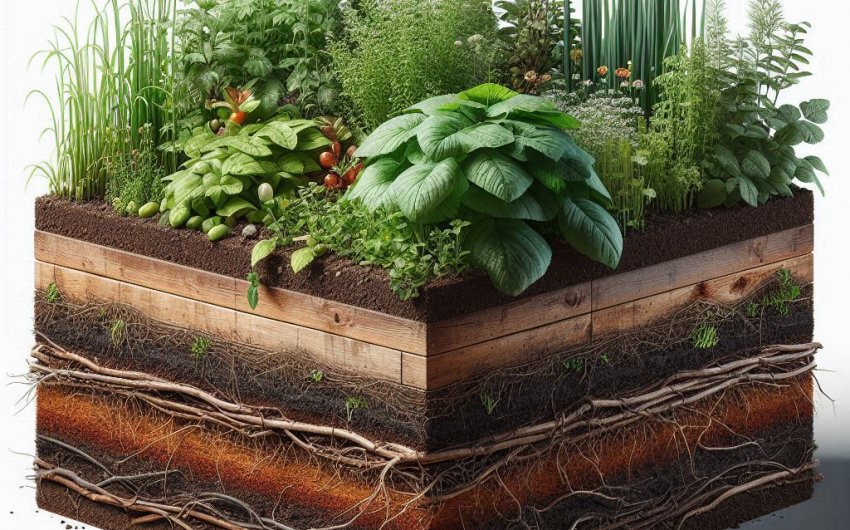
Creating a thriving elevated garden involves more than just filling a container with dirt; understanding what is the best way to layer soil for raised bed gardening is crucial for long-term success. A thoughtful layering approach, often called "lasagna gardening" or "hugelkultur light," optimizes drainage, provides a slow release of nutrients, and reduces the amount of expensive topsoil needed. This method transforms your raised bed into a self-sustaining ecosystem that supports robust plant growth.
Why Is Layering Soil Important for Raised Beds?
Layering soil in raised garden beds offers significant advantages over simply filling them with a single type of growing medium. This strategic approach creates a more dynamic and beneficial environment for your plants, directly impacting their health and your gardening success. The reasons for layering stem from optimizing various aspects of soil science and plant biology.
Firstly, layering helps to improve drainage. Raised beds, by their nature, drain faster than in-ground gardens. However, simply filling them with dense soil can still lead to waterlogging at the bottom. By incorporating coarser, more porous materials at the base, you create a natural drainage layer that prevents water from pooling around plant roots, which can lead to root rot. Good drainage is vital for most vegetable and fruit plants, as their roots need access to oxygen as much as water.
Secondly, a layered approach provides a slow-release nutrient supply. Many of the organic materials used in the lower layers of a raised bed will decompose over time. This decomposition process slowly releases essential nutrients back into the soil, feeding your plants throughout the growing season and reducing the need for frequent synthetic fertilizers. This natural nutrient cycling mimics how rich forest floors are formed, providing a sustainable and beneficial environment.
Thirdly, layering can significantly reduce costs. Filling an entire raised bed with premium raised bed soil or potting mix can be quite expensive, especially for larger or deeper beds. By utilizing bulkier, less expensive organic materials like logs, branches, and leaves in the lower layers, you effectively "fill" a good portion of the bed with free or low-cost resources, reserving the more expensive, nutrient-rich soil for the top layers where plant roots will primarily grow. This smart use of materials makes raised bed gardening more accessible and economical. In essence, layering transforms your raised bed into a living compost pile that constantly improves itself.
What Materials Can Be Used for Raised Bed Layers?
When considering what is the best way to layer soil for raised bed gardening, a wide variety of organic and inorganic materials can be incorporated into your layers. The choice of materials often depends on what is readily available, your budget, and the specific depth of your raised bed. Each material plays a role in drainage, nutrient provision, or volume filling.
Coarse Bottom Layer Materials
These materials form the base of your raised bed. They are primarily used for drainage and to take up significant volume, reducing the amount of finer soil needed.
- Logs and Thick Branches: Ideal for the very bottom of deep raised beds (18 inches or more). They decompose slowly, providing long-term nutrients and creating large air pockets for excellent drainage and aeration. They act like a hugelkultur mound in miniature, holding moisture like a sponge during dry spells.
- Twigs and Smaller Branches: Suitable for shallower beds or on top of larger logs. They also provide drainage and decompose, though faster than large logs.
- Wood Chips and Bark: Good for drainage and slowly releasing carbon. Use a thick layer directly above logs/branches or as the primary coarse layer in shallower beds. Ensure they are untreated wood. You can find bulk wood chips from local arborists.
- Inverted Sod: If your raised bed is placed directly on top of an existing lawn, you can simply invert the sod and place it grass-side down as your first layer. The grass and roots will decompose, adding organic matter.
- Rough Compost: Larger, less decomposed pieces of compost, including thicker stems and small woody bits, can also form a part of this layer, providing bulk and starting the decomposition process.
Nitrogen-Rich Middle Layer Materials
These layers are designed to add a significant boost of nitrogen and other nutrients, which are essential for plant growth and for balancing the carbon from the woody materials below. They also help facilitate decomposition.
- Grass Clippings: Fresh grass clippings are an excellent source of nitrogen and moisture. Apply in thin layers (no more than 2-3 inches at a time) to prevent anaerobic decomposition (smell and slime).
- Green Leaves: Freshly fallen leaves (especially from deciduous trees) are rich in nitrogen.
- Kitchen Scraps (Non-Meat/Dairy): Fruit and vegetable scraps, coffee grounds, and eggshells are fantastic additions that break down quickly, releasing nutrients. Bury them in pockets rather than broad layers to avoid pests.
- Manure: Well-rotted manure (from chickens, cows, horses, etc.) is a nutrient powerhouse. Ensure it's aged to prevent burning plants with too much nitrogen. Composted manure is always best.
- Compost (Finished): Rich, dark, fully decomposed compost is a superfood for your soil, providing a balanced array of nutrients and improving soil structure.
- Alfalfa Pellets: These animal feed pellets are a great source of nitrogen and break down quickly.
- Peat Moss (or Coco Coir): While not nutrient-rich, these are excellent for moisture retention and improving soil structure. Use sparingly or in combination with other nutrient-dense materials. You can purchase peat moss from garden centers.
Carbon-Rich Middle Layer Materials
These materials provide bulk, improve drainage, and balance the nitrogen from the "green" layers. They tend to break down slower than nitrogen sources.
- Brown Leaves: Dry, fallen leaves are an excellent carbon source and provide good aeration as they decompose. They mimic the forest floor.
- Shredded Newspaper/Cardboard: Unwaxed, uncolored newspaper (without glossy inserts) and cardboard (removed of tape and labels) are good carbon sources. Shred them to speed up decomposition.
- Straw: Hay or straw provides structure and carbon. Avoid hay that contains a lot of weed seeds.
- Wood Pellets: Untreated wood stove pellets can also be used, breaking down slowly.
Top Layer Materials
This is where your plants will actually grow, so it needs to be the highest quality material.
- Raised Bed Mix / Potting Soil: A high-quality blend designed for containers or raised beds is ideal. It provides the necessary structure, drainage, and initial nutrients for young plants. Look for mixes that are light, airy, and nutrient-rich. You can buy raised bed soil mix readily.
- Topsoil (Amended): If using regular garden topsoil, it should be amended with a significant amount of compost (at least 30-50%) to improve drainage, aeration, and nutrient content. Pure topsoil can be too dense.
By combining these materials thoughtfully, you can create a vibrant, self-sustaining ecosystem within your raised bed, ensuring your plants have everything they need to thrive.
What Is the "Lasagna Gardening" Method for Raised Beds?
The "Lasagna Gardening" method is a popular and effective approach to layering soil for raised beds, particularly for new beds. It mimics the natural process of decomposition found in forests, creating a rich, fertile growing medium without the need for extensive tilling. This technique is central to understanding what is the best way to layer soil for raised bed gardening using readily available organic materials.
The concept is simple: you layer "brown" (carbon-rich) and "green" (nitrogen-rich) materials, similar to how you would build a compost pile or, indeed, a lasagna. Over time, these layers break down, forming a highly fertile, well-draining, and nutrient-dense soil that is ideal for growing vegetables, herbs, and flowers. This method is particularly attractive because it allows you to fill a large volume without purchasing vast amounts of expensive topsoil, by utilizing yard waste and kitchen scraps.
Here's a typical layering sequence for the Lasagna Gardening method:
- Base Layer (Drainage/Weed Barrier): Start with a layer of cardboard or several layers of newspaper directly on the ground. This acts as a weed barrier and will eventually decompose, adding carbon. If you have deep beds, this layer can also include logs or thick branches for long-term decomposition and drainage.
- Brown Layer (Carbon Source): On top of the cardboard, add a thick layer (4-6 inches) of carbon-rich materials. Good options include dried leaves, shredded twigs, straw, or untreated wood chips. This layer provides aeration and carbon for the decomposition process.
- Green Layer (Nitrogen Source): Next, add a thinner layer (2-4 inches) of nitrogen-rich materials. This could be fresh grass clippings, kitchen scraps (fruits and vegetables, coffee grounds, eggshells – avoid meat and dairy), or a layer of well-rotted manure. This "green" material provides the nitrogen needed to break down the "brown" layers.
- Repeat Layers: Continue alternating brown and green layers. You can vary the thickness depending on the materials you have available. Think of it as building up a balanced compost pile. You can also include thin layers of regular garden soil or topsoil between the organic layers to introduce beneficial microbes and speed up decomposition.
- Top Layer (Planting Medium): The final 6-12 inches (or more, depending on your raised bed depth) should be a high-quality, pre-made raised bed soil mix or a blend of compost and amended topsoil. This is the primary growing medium where you will plant your seeds or young plants. It needs to be rich, loose, and well-draining. You can find excellent organic compost to mix in.
After layering, water the bed thoroughly to kickstart the decomposition process. The bed will settle over time as materials break down, so be prepared to top it off with more compost or topsoil annually. The Lasagna Gardening method provides a nutrient-rich, self-feeding system that dramatically improves soil quality and reduces the need for external fertilizers, making it a sustainable and efficient way to optimize soil for raised bed gardening.
What Is the "Hugelkultur Light" Method for Raised Beds?
The "Hugelkultur Light" method for raised beds is a scaled-down adaptation of the traditional Hugelkultur practice, which involves building large mounds of decaying wood and organic matter. When applied to raised beds, it's a superb way to build deep beds while improving water retention, drainage, and long-term fertility. It provides an excellent answer to what is the best way to layer soil for raised bed gardening for those with access to woody materials.
Hugelkultur (German for "hill culture") involves burying large pieces of wood at the base of a garden bed or mound. Over time, this wood slowly decomposes, acting like a sponge to hold moisture during dry periods and releasing nutrients as it breaks down. The "light" version simply applies this concept within the confines of a raised bed. This method is particularly beneficial for deep raised beds (18 inches or more) and can significantly reduce the amount of purchased soil needed.
Here's how to implement the Hugelkultur Light layering for a raised bed:
- Bottom Layer (Woody Material): Start by placing a generous layer of untreated logs and thick branches at the very bottom of your raised bed. This is the core of the Hugelkultur principle. Ensure the wood is untreated to avoid introducing chemicals into your garden. Oak, maple, alder, cottonwood, and poplar are good choices. Avoid black walnut (can inhibit plant growth) and highly rot-resistant woods like cedar, as they break down too slowly. This layer should be about 1/3 to 1/2 of the bed's total depth.
- Smaller Woody Material/Twigs: On top of the larger logs, add a layer of smaller branches, twigs, and wood chips. This fills in gaps and continues the woody carbon-rich base.
- Inverted Sod (Optional): If your bed is placed over lawn, an inverted layer of sod (grass-side down) can be placed here, acting as a weed barrier and adding more organic matter as it decomposes.
- Carbon-Rich Material: Next, add a layer of brown leaves, straw, shredded cardboard, or newspaper. These materials will help absorb moisture and slowly break down.
- Nitrogen-Rich Material: Follow with a layer of green materials to balance the carbon and kickstart decomposition. This can include fresh grass clippings (thin layers), kitchen scraps, or a layer of well-rotted manure.
- Rough Compost/Garden Soil: A layer of unfinished compost or even some native garden soil can be added here to introduce microbes and provide a transition to the finer layers.
- Top Layer (Premium Growing Medium): The top 6-12 inches of your raised bed should consist of a high-quality raised bed soil mix or a blend of finished compost and amended topsoil. This is where your plant roots will primarily establish and grow, so it needs to be nutrient-rich, light, and well-draining.
After layering, water the bed thoroughly. The bed will settle over the first few months as the wood begins to break down. This method provides excellent long-term fertility, improved drainage, and incredible water retention, making it an advanced way to optimize soil for raised bed gardening and create a highly productive growing space.
What Are Common Mistakes to Avoid When Layering?
While layering soil for raised beds offers many benefits, making certain mistakes can hinder your efforts and negatively impact plant growth. Knowing what is the best way to layer soil for raised bed gardening also includes understanding common pitfalls to avoid.
- Using Treated Wood: Never use pressure-treated lumber or wood that has been painted or stained in your raised bed layers, especially the lower ones. These materials can leach harmful chemicals into your soil, contaminating your crops and the surrounding environment. Always opt for untreated wood.
- Adding Too Much Fresh Green Material at Once: While nitrogen-rich "green" materials like fresh grass clippings or kitchen scraps are beneficial, adding very thick layers of them can lead to problems. They can become dense and compacted, turning anaerobic (lacking oxygen) as they decompose. This results in a foul, rotten egg smell, can generate excessive heat (harming plant roots), and may attract pests. Always apply green layers thinly (2-3 inches maximum) and ensure they are covered by brown materials to encourage aerobic decomposition.
- Using Diseased Plant Material: Avoid adding any plant material that shows signs of disease or pests. These could transfer pathogens or insects to your new raised bed, potentially infecting your healthy plants.
- Placing Undesirable Materials: Steer clear of things like pet waste (can contain harmful pathogens), non-biodegradable items (plastics, metal), or invasive weeds that could root through your layers.
- Ignoring Soil pH: While the layers will eventually balance out, be mindful of materials that drastically alter soil pH. For example, fresh pine needles can be very acidic, and too much can temporarily lower pH. If using a lot of one material, consider its pH impact on the final top layer.
- Not Watering Each Layer: After placing each significant layer, especially the organic materials, water it thoroughly. This initiates the decomposition process, helps settle the materials, and creates the necessary moisture for microbial activity. Without adequate moisture, decomposition will be very slow or stop altogether.
- Filling with Pure Topsoil or Garden Soil: While tempting, simply filling an entire raised bed with common topsoil or even your native garden soil (unless it's exceptionally good) is a mistake. These soils can be dense, compact easily, and lack the ideal drainage and aeration needed for raised beds. They also tend to be less nutrient-rich than a well-layered bed that constantly generates fertility. Always amend topsoil with plenty of compost if you're using it, or opt for a proper raised bed mix for the top layers.
- Forgetting About Settling: Layered beds, especially those with significant organic matter, will settle over time as the materials decompose. Be prepared to top off your beds with more compost or raised bed mix annually to maintain the desired depth.
By being aware of these common mistakes, you can ensure your layering efforts lead to a robust, fertile, and productive raised garden bed that truly exemplifies what is the best way to layer soil for raised bed gardening.
How Deep Should My Raised Bed Be for Layering?
The ideal depth of your raised bed significantly influences what is the best way to layer soil for raised bed gardening and what materials you can effectively incorporate. While shallower beds can be productive, deeper beds unlock more opportunities for advanced layering techniques and long-term benefits.
- Minimum Depth (6-8 inches): For herbs and shallow-rooted vegetables like lettuce, spinach, or radishes, a bed of 6-8 inches can be sufficient. For these shallower beds, a simple layering approach of a cardboard base, followed by a thin layer of compost or aged wood chips, and then filled primarily with a high-quality raised bed mix is usually enough. There isn't enough depth for extensive "Hugelkultur light" with large logs.
- Standard Depth (10-12 inches): This is a popular and versatile depth for many common vegetables. At this depth, you can implement a more comprehensive layering strategy. You can start with a cardboard weed barrier, a layer of smaller branches and twigs, followed by alternating layers of carbon (dried leaves, shredded cardboard) and nitrogen (grass clippings, kitchen scraps), topped with at least 6-8 inches of premium raised bed soil mix. This depth provides ample room for most plant roots and allows for some initial decomposition benefits.
- Optimal Depth (18-24 inches): This depth is often considered ideal for a truly self-sustaining raised bed, especially if you want to implement the "Hugelkultur Light" method. At 18-24 inches deep, you have enough space to include a substantial base layer of logs and thick branches, which will break down over many years, providing long-term nutrients and moisture retention. This depth also provides ample room for deep-rooted plants like tomatoes, carrots, potatoes, and corn to thrive. The greater volume allows for a more significant "lasagna" build-up, maximizing nutrient cycling and reducing the amount of purchased topsoil over the long run.
- Deeper Beds (24+ inches): While deeper beds require more material to fill, they can be incredibly productive and require less water and fertilizer over time due to the extensive decomposition happening below. They are also ideal for gardeners who want to minimize bending, as the bed height is more comfortable for working.
Ultimately, the best depth for your raised bed depends on your budget, the plants you intend to grow, and the availability of layering materials. Deeper beds offer more potential for long-term soil improvement and are excellent for techniques that exemplify what is the best way to layer soil for raised bed gardening for maximum fertility and reduced maintenance.
How Do I Maintain a Layered Raised Bed?
Once your raised bed is beautifully layered, ongoing maintenance is key to ensuring its continued fertility and productivity. A layered system, while designed to be self-sustaining, still benefits from a few simple practices to keep it thriving season after season. Understanding these steps is part of knowing what is the best way to layer soil for raised bed gardening for long-term success.
- Top Off Annually: The organic materials in your layered raised bed will decompose over time, causing the soil level to settle and sink. It's crucial to top off your beds annually, typically in early spring before planting. Add a fresh layer of 2-4 inches of high-quality finished compost or a rich raised bed soil mix. This replenishes nutrients, maintains the bed's depth, and keeps the top layer ideal for new plant growth. Think of it as adding a fresh "compost blanket" to your garden.
- Mulch Regularly: Applying a 2-3 inch layer of organic mulch (like straw, shredded leaves, or wood chips) on the surface of your raised bed is highly beneficial. Mulch helps to:
- Conserve Moisture: It reduces water evaporation from the soil, meaning you'll need to water less frequently.
- Suppress Weeds: It acts as a barrier, preventing weed seeds from germinating and competing with your plants for resources.
- Regulate Soil Temperature: It insulates the soil, keeping it cooler in summer and warmer in winter.
- Add Organic Matter: As the mulch slowly breaks down, it contributes more organic matter and nutrients to your soil. You can find useful garden mulching materials for sale.
- Replenish Nutrients (as needed): While layered beds provide slow-release nutrients, very heavy feeders or successive plantings might deplete certain elements over time. Observe your plants for signs of nutrient deficiencies (e.g., yellowing leaves, stunted growth). You can then supplement with organic granular fertilizers, worm castings, or liquid seaweed extract. A periodic soil test can also give you precise information on what nutrients your soil might be lacking.
- Avoid Compaction: One of the great advantages of raised beds is that you don't walk on the soil, which prevents compaction. Continue this practice by reaching into the bed from the sides rather than stepping inside it. This maintains the loose, airy structure that roots love.
- Practice Crop Rotation: Rotate your crops within the raised bed each season. This helps prevent the build-up of specific plant diseases or pests in the soil and ensures that different nutrients are drawn from the soil layers, promoting overall soil health.
- Monitor Moisture: Even with great water retention, raised beds can dry out faster than in-ground gardens, especially during hot, dry spells. Regularly check the soil moisture by hand and water as needed. Remember to water deeply to encourage roots to grow down into your rich layered system.
By adhering to these simple maintenance practices, your layered raised bed will continue to be a fertile and productive space, truly demonstrating what is the best way to layer soil for raised bed gardening for sustained success.