
How Can I Prevent Soil Erosion in My Garden?
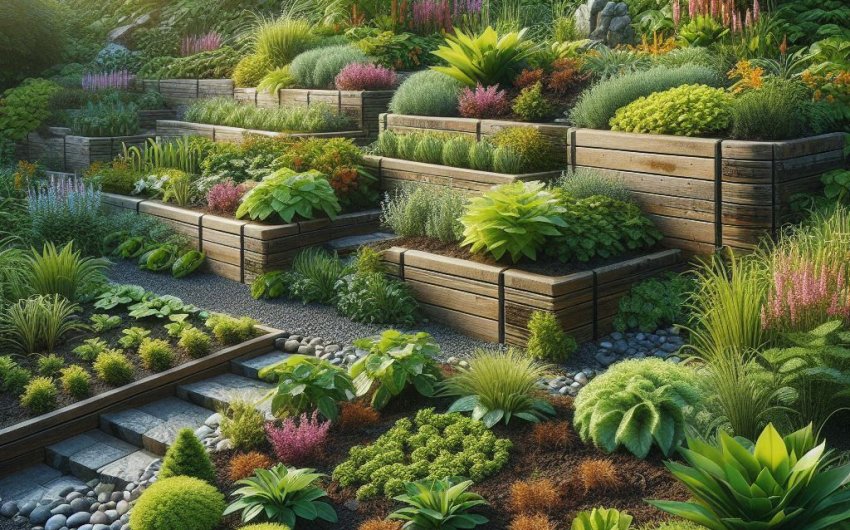
Safeguarding your garden from the detrimental effects of soil erosion is a critical aspect of maintaining its long-term health and productivity. The gradual loss of topsoil, whether due to wind, water, or human activities, can strip your plants of vital nutrients, alter drainage patterns, and ultimately diminish your garden's ability to flourish. Implementing effective strategies to combat soil degradation is essential for any gardener looking to cultivate a robust and thriving outdoor space.
What is Soil Erosion and Why is it a Problem?
Soil erosion is the process by which the top layer of soil is displaced and moved by natural forces like wind and water, or by human activities such as tilling. This fertile topsoil, rich in organic matter and nutrients, is crucial for plant growth. When it erodes, gardens can suffer from reduced fertility, poor water retention, and even structural damage, leading to less productive plants and an overall decline in garden health.
How Does Water Cause Soil Erosion?
Water is a primary agent of soil erosion, especially in gardens with slopes or inadequate drainage.
- Sheet Erosion: This occurs when a thin layer of topsoil is washed away uniformly across a broad area, often unnoticed until significant damage has occurred. It's subtle but can be very damaging over time.
- Rill Erosion: As water flows across a surface, it concentrates into small channels called rills. These small grooves can deepen and widen with continued water flow, removing more soil.
- Gully Erosion: When rills deepen and widen significantly, they become gullies. Gullies are large, deep channels that can be difficult to repair and often indicate severe erosion.
- Splash Erosion: Even individual raindrops can dislodge soil particles when they hit bare ground. This displaced soil then becomes more susceptible to being carried away by surface runoff.
How Does Wind Cause Soil Erosion?
Wind erosion is particularly prevalent in dry, exposed areas with loose soil.
- Surface Creep: Larger soil particles are rolled along the ground by the force of the wind.
- Saltation: Medium-sized particles bounce along the surface, lifted briefly by the wind before falling back down. This is the most common form of wind erosion.
- Suspension: Very fine soil particles are lifted high into the air and can be carried long distances, leading to dust storms and significant loss of topsoil from an area.
What are the Consequences of Soil Erosion for Gardens?
The impacts of soil erosion on gardens are far-reaching and detrimental.
- Loss of Fertility: The most fertile layer of soil is the first to erode, stripping plants of essential nutrients.
- Reduced Water Retention: Eroded soil often has poor structure, making it less able to hold water, leading to drought stress for plants.
- Poor Plant Growth: With fewer nutrients and less water, plants struggle to grow, leading to stunted growth and lower yields.
- Increased Runoff and Flooding: Eroded soil can form a crust that prevents water from soaking in, leading to more surface runoff and a higher risk of localized flooding.
- Damage to Infrastructure: Severe erosion can undermine paths, raised beds, and other garden structures.
How Can Organic Matter Help Prevent Soil Erosion?
Enriching your garden with organic matter is one of the most effective and fundamental ways to prevent soil erosion. Organic materials improve soil structure, enhance water absorption, and provide a protective layer, all of which contribute to a more stable and resilient garden environment.
Why is Organic Matter So Important for Soil Health?
Organic matter, derived from decaying plant and animal materials, acts like a sponge in the soil. It binds soil particles together, forming stable aggregates that are less susceptible to being carried away by wind or water. Furthermore, organic matter improves soil aeration, water infiltration, and drainage, while also serving as a vital food source for beneficial microorganisms.
How to Add Organic Matter to Your Garden
There are several ways to consistently introduce organic matter into your garden soil.
- Compost: Regularly incorporate well-rotted compost into your garden beds. Compost improves soil structure, adds a slow-release source of nutrients, and increases the soil's ability to hold water. You can create your own compost with a compost tumbler or purchase bagged compost from a garden center.
- Manure: Aged manure from herbivores like cows, chickens, or horses is an excellent source of organic matter and nutrients. Ensure it is well-rotted to avoid burning plants or introducing weed seeds.
- Cover Crops: Planting cover crops during dormant seasons is a fantastic way to add organic matter and protect the soil. When tilled under, they decompose, enriching the soil.
- Leaf Mold: Decomposed leaves create a rich, crumbly leaf mold that significantly boosts soil structure and water retention. Collect fallen leaves in the autumn and let them break down over time.
- Mulch: While primarily a surface layer, mulch eventually breaks down and contributes organic matter to the soil below.
How Can Ground Cover and Plants Protect Your Soil?
Utilizing ground cover plants and establishing a dense vegetative cover is a powerful, natural defense against soil erosion. Plants act as a living barrier, their roots holding the soil in place and their foliage softening the impact of rain and wind, thereby significantly reducing soil degradation.
What are the Best Ground Cover Plants for Erosion Control?
The best ground cover plants for erosion control are those that establish dense root systems, spread quickly, and thrive in your local climate. They can be herbaceous (non-woody) or woody, depending on the specific needs of the area.
- Creeping Phlox (Phlox subulata): A low-growing, mat-forming perennial with vibrant spring blooms, excellent for slopes.
- Creeping Thyme (Thymus serpyllum): Drought-tolerant and fragrant, forming a dense carpet.
- Sedum (various species): Succulent groundcovers that are extremely drought-tolerant and thrive in sunny, well-drained areas.
- Vinca Minor (Periwinkle): A vigorous evergreen groundcover that tolerates shade and forms a thick mat.
- Pachysandra (Pachysandra terminalis): Another evergreen option for shady areas, creating a uniform ground cover.
- Ornamental Grasses: Clumping or spreading grasses like blue fescue or fountain grass have fibrous root systems that effectively stabilize soil.
How to Use Cover Crops to Prevent Erosion
Cover crops are plants grown primarily to benefit the soil rather than for harvest. They are typically sown during periods when the main garden beds would otherwise be bare, such as over winter or in between main crop rotations.
Benefits of Cover Crops for Erosion Prevention:
- Root Structure: Their extensive root systems bind soil particles together, preventing them from being washed or blown away.
- Surface Protection: The foliage of cover crops protects the soil surface from the direct impact of raindrops and reduces wind speed at ground level.
- Organic Matter Addition: When cover crops are tilled into the soil, they decompose, adding valuable organic matter that further improves soil structure and water retention.
- Nutrient Cycling: Many cover crops, especially legumes, can fix nitrogen from the air, making it available to subsequent cash crops.
Common Cover Crops for Garden Use:
| Cover Crop Type | Examples | Benefits |
|---|---|---|
| Legumes | Clover, Vetch, Peas | Nitrogen fixation, adds organic matter |
| Grains | Rye, Wheat, Oats | Excellent for root mass, suppresses weeds, adds organic matter |
| Brassicas | Daikon Radish, Mustard | Deep taproots break up compacted soil, biofumigant properties |
| Broadleaves | Buckwheat, Phacelia | Quick growth, attracts beneficial insects, good for suppressing weeds |
Strategic Planting for Erosion Control
Beyond general ground cover, strategic planting of individual plants, shrubs, and trees can play a crucial role in preventing soil erosion, especially on slopes or in areas prone to wind.
- Contour Planting: Planting in rows that follow the natural contours of a slope rather than running straight up and down can slow water flow and minimize erosion.
- Terracing: For steeper slopes, constructing terraces (flat steps supported by retaining walls) creates level planting areas, effectively breaking up the slope and preventing water runoff. You can find options for retaining wall blocks or landscape timbers at home improvement stores.
- Buffer Zones: Establish vegetated buffer zones along garden edges, waterways, or property lines. These areas, planted with dense grasses, shrubs, or trees, can intercept runoff and filter sediment before it leaves your garden.
- Windbreaks: Planting rows of trees or shrubs can act as windbreaks, significantly reducing wind speed across your garden and preventing wind erosion. Choose fast-growing, dense species that are native to your region.
What Mulching Strategies Prevent Soil Erosion?
Applying mulch is one of the quickest and most effective ways to prevent soil erosion in your garden. By covering the bare soil surface, mulch provides a protective barrier against the erosive forces of rain and wind, while also offering numerous other benefits for soil health.
How Does Mulch Prevent Erosion?
Mulch creates a physical barrier between the elements and the soil.
- Raindrop Impact: It absorbs the force of falling raindrops, preventing splash erosion where soil particles are dislodged and moved.
- Water Runoff: Mulch slows down the flow of surface water, allowing more time for it to infiltrate the soil rather than running off and carrying soil with it.
- Wind Protection: A layer of mulch prevents dry, loose soil from being picked up and carried away by wind, acting as a direct physical barrier.
- Soil Structure: As organic mulches decompose, they add organic matter to the soil, improving its structure and making it more resistant to erosion over time.
Types of Mulch for Erosion Control
Both organic and inorganic mulches can be effective, but organic mulches offer additional benefits for soil health.
Organic Mulches
These materials are derived from natural sources and will decompose, adding organic matter to the soil.
- Wood Chips/Bark Mulch: Durable, long-lasting, and aesthetically pleasing. Available in various sizes, with cedar mulch or pine bark being popular choices.
- Straw: Lightweight, inexpensive, and excellent for new plantings or vegetable gardens. Look for weed-free straw to avoid introducing unwanted plants.
- Shredded Leaves: Readily available and free for many gardeners. They decompose quickly, enriching the soil.
- Compost: While also used as a soil amendment, a layer of coarse compost can serve as an excellent protective mulch.
- Pine Needles: Ideal for acid-loving plants and provide a loose, airy mulch.
Inorganic Mulches
These materials do not decompose but can still offer good erosion control.
- Landscape Fabric/Weed Barrier: A woven or non-woven material laid directly on the soil to suppress weeds and prevent erosion. Often topped with decorative mulch. A good quality landscape fabric is essential.
- Gravel/Crushed Stone: Durable and suitable for paths or areas where a permanent, low-maintenance solution is desired. Comes in various sizes and colors, such as pea gravel.
- Rubber Mulch: Made from recycled tires, it's long-lasting and won't decompose, though it doesn't add to soil health.
How to Apply Mulch for Maximum Effect
Applying mulch correctly is just as important as choosing the right type.
- Prepare the Area: Clear any weeds from the area before applying mulch.
- Apply a Sufficient Layer: Aim for a layer of 2-4 inches for most organic mulches. For coarser materials like wood chips, 3-4 inches is good.
- Avoid Piling Around Stems/Trunks: Keep mulch a few inches away from the base of plant stems and tree trunks to prevent rot and pest issues. This creates a "donut" shape.
- Reapply as Needed: Organic mulches will decompose over time and need to be replenished annually or biennially.
How Can Drainage and Water Management Prevent Erosion?
Effective drainage and thoughtful water management are critical components of any comprehensive soil erosion prevention strategy. By controlling how water moves through and around your garden, you can significantly reduce its erosive power and ensure precious topsoil remains in place.
Understanding Your Garden's Drainage
Before implementing any solutions, it's important to understand how water currently moves through your garden. Observe your garden during and after rainfall. Do you see puddles forming? Does water rush off slopes? Are there areas where the soil looks washed away? Identifying these patterns will help you target your erosion control efforts effectively.
Techniques for Improving Drainage and Reducing Runoff
Several techniques can be employed to manage water flow and minimize erosion.
- Swales: A swale is a shallow, elongated depression or ditch with gently sloping sides, designed to slow down and spread out water runoff, allowing it to infiltrate the soil rather than rushing away. They are often planted with water-loving plants.
- Rain Gardens: A rain garden is a depressed area planted with native plants that can tolerate both wet and dry conditions. It's designed to collect and absorb stormwater runoff from impervious surfaces like roofs or driveways, preventing it from causing erosion elsewhere.
- Berms: A berm is a raised mound of soil designed to redirect or slow water flow. For example, a small berm built along the contour of a slope can slow water runoff, giving it more time to soak into the soil.
- French Drains: A French drain is a trench filled with gravel or rock, containing a perforated pipe that redirects surface and groundwater away from an area. It's an effective solution for persistently wet spots or to divert water from foundations. You can find perforated drain pipes and drainage gravel at hardware stores.
- Terracing: As mentioned before, terraces transform a single slope into a series of smaller, level steps, effectively reducing the length of the slope and allowing water to settle rather than rush downwards.
- Contour Tilling/Planting: If you are tilling your garden, do so along the contours of the land, not up and down slopes. Similarly, plant in rows that follow the natural elevation changes. This creates small ridges that trap water.
- Permeable Paving: For pathways or patios, consider using permeable paving materials like permeable pavers or gravel. These allow water to seep through, reducing surface runoff.
Rainwater Harvesting and Erosion Control
Rainwater harvesting not only conserves water but also contributes significantly to erosion control by reducing the volume of stormwater runoff.
- Rain Barrels: Placing a rain barrel at your downspouts collects rainwater from your roof, preventing it from rushing across your garden. This collected water can then be used for irrigation, reducing your reliance on municipal water.
- Cisterns: For larger-scale water collection, a cistern can store significant amounts of rainwater, often underground.
- Directing Downspouts: Ensure your downspouts discharge water into a permeable area, a rain garden, or a rain barrel, rather than directly onto bare soil or concrete, where it can cause concentrated erosion.
What Tools and Materials Help Prevent Erosion?
Beyond plants and organic matter, specific tools and materials can be invaluable in your fight against soil erosion. These items provide immediate structural support, help stabilize loose soil, or assist in managing water flow.
Erosion Control Blankets and Mats
For newly seeded areas or steep slopes, erosion control blankets and mats offer immediate protection.
- Jute Matting: A woven, biodegradable material that holds soil in place and allows seeds to germinate through it. Over time, it breaks down and adds organic matter. You can find rolls of jute matting for various applications.
- Coir Blankets: Made from coconut fibers, coir blankets are very durable and excellent for critical erosion control on slopes or near waterways. They are also biodegradable.
- Straw Wattles/Logs: These are mesh tubes filled with straw or other organic material, placed on contours of slopes to slow water flow, trap sediment, and allow vegetation to establish. They are excellent for temporary erosion control until plants take hold. Look for straw wattles from landscaping suppliers.
Retaining Walls and Edging
For more significant slopes or to create distinct garden areas, retaining walls and edging provide structural support that directly prevents soil erosion.
- Retaining Walls: These structures are built to hold back soil on a slope, creating level terraces. They can be made from various materials, including concrete blocks, natural stone, timber, or gabions (wire cages filled with rocks). Proper construction, including drainage behind the wall, is crucial.
- Garden Edging: While primarily for aesthetics, strong garden edging can help prevent soil from washing out of raised beds or defined garden areas, especially on slight slopes. Options include metal edging, plastic edging, or even small logs.
Gardening Tools for Soil Health
Certain gardening tools can indirectly help prevent soil erosion by promoting better soil structure and minimizing disturbance.
- Broadfork: This tool loosens compacted soil deeply without inverting the soil layers, which can destroy soil structure. Improved soil structure enhances water infiltration and reduces runoff. A garden broadfork is a valuable investment for heavy soils.
- No-Till/Min-Till Tools: Practices that minimize soil disturbance, such as no-till gardening, help preserve soil aggregates and organic matter, making the soil more resistant to erosion. Tools like a garden hoe for weeding or a hand trowel for planting are used, rather than rototillers.
- Garden Forks: For gently aerating soil or incorporating compost without causing major disturbance, a sturdy garden fork is invaluable.
How Can Sustainable Gardening Practices Support Erosion Prevention?
Embracing sustainable gardening practices goes hand-in-hand with effective soil erosion prevention. These methods prioritize long-term soil health, biodiversity, and environmental stewardship, creating a resilient garden that naturally resists degradation.
Minimizing Soil Disturbance (No-Till Gardening)
No-till gardening, or minimal tillage, is a practice where the soil is left undisturbed as much as possible. Instead of digging or plowing, amendments are added to the surface, and plants are either direct-seeded or transplanted into small holes.
Benefits of No-Till for Erosion Control:
- Maintains Soil Structure: Tilling breaks up soil aggregates, making the soil more vulnerable to erosion. No-till preserves these structures, enhancing water infiltration and reducing runoff.
- Increases Organic Matter: Undisturbed soil allows organic matter to accumulate on the surface and integrate into the soil profile more effectively, fostering a healthier and more stable environment.
- Supports Soil Life: Beneficial microorganisms, fungi, and earthworms thrive in undisturbed soil, contributing to improved soil structure and nutrient cycling.
Crop Rotation and Diversity
Practicing crop rotation and planting a diverse range of plants contributes significantly to erosion prevention.
- Varied Root Systems: Different plants have different root structures. Rotating crops ensures a mix of deep-rooted and shallow-rooted plants throughout the garden, which collectively bind the soil at various depths.
- Reduced Pest and Disease Pressure: Healthy soil, supported by diverse planting, leads to healthier plants that are less susceptible to pests and diseases, reducing the need for chemical interventions that can harm soil life.
- Continuous Ground Cover: By rotating crops and interplanting, you can maintain a more continuous vegetative cover throughout the growing season, preventing bare patches of soil.
Integrated Pest Management (IPM)
Integrated Pest Management (IPM) is an approach that focuses on long-term prevention of pests through a combination of techniques, minimizing risks to human health and the environment. This often means reducing the reliance on broad-spectrum chemical pesticides, which can harm beneficial soil organisms that contribute to good soil structure.
- Healthy Soil, Healthy Plants: By fostering a healthy soil ecosystem, plants become more resilient to pests and diseases, reducing the need for interventions that could disturb the soil or harm its microbial life.
- Beneficial Organisms: Many beneficial insects and microbes reside in the soil or are attracted to diverse plant communities. IPM encourages these natural allies to control pests, rather than resorting to chemicals that could lead to bare patches or further soil issues.
Water Conservation Techniques
Many water conservation methods also inherently contribute to soil erosion prevention by managing water more efficiently and reducing runoff.
- Drip Irrigation/Soaker Hoses: These systems deliver water directly to the plant roots, minimizing water loss from evaporation and reducing surface runoff that can lead to erosion. A good quality drip irrigation kit can save water and prevent erosion.
- Watering at the Right Time: Watering early in the morning allows water to soak in before evaporation rates are high, reducing the chances of surface pooling and runoff.
- Improving Soil Infiltration: All the strategies discussed, such as adding organic matter and mulching, improve the soil's ability to absorb water, which is the most fundamental aspect of water conservation and erosion prevention.
By consistently applying these techniques and fostering a holistic approach to garden care, you can effectively prevent soil erosion in your garden, ensuring its beauty and productivity for years to come.