
Is it possible to compost in an apartment or without outdoor space?
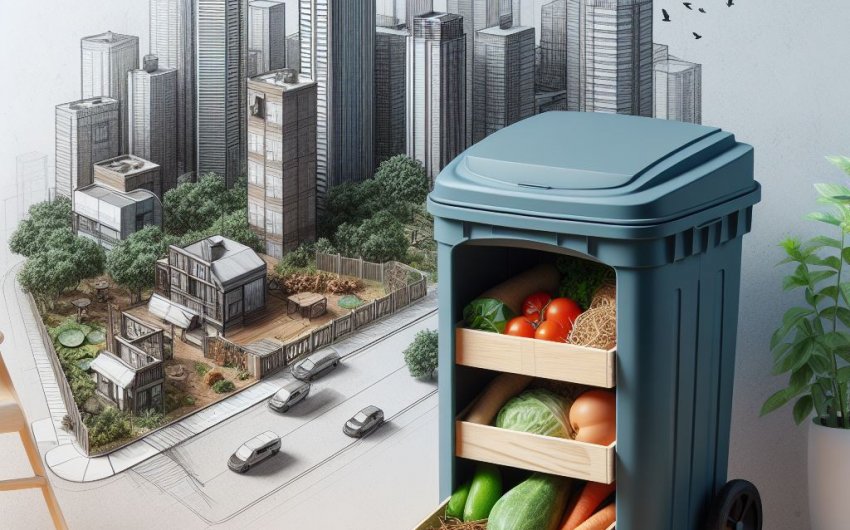
Many people think that composting is only for those with a big backyard and a sprawling garden. They picture large outdoor bins, piles of decaying leaves, and a slightly earthy smell. If you live in an apartment or a small home with no outdoor space, you might feel like composting is out of reach. But that's simply not true! You absolutely can compost, even without a traditional garden. In fact, indoor composting methods are incredibly effective, surprisingly clean, and a fantastic way to reduce your waste and create valuable soil amendments. It's all about choosing the right method for your living situation and understanding the basics of decomposition. Getting started with indoor composting can be a fun and rewarding way to make a big difference for the environment, all from the comfort of your kitchen or balcony.
Why Should I Compost Indoors (or Without Outdoor Space)?
Composting, especially when you have limited or no outdoor space, offers a surprising number of benefits that make it a truly worthwhile endeavor. It's not just about gardening; it's about mindful living and environmental impact.
Reducing Landfill Waste
This is perhaps the biggest reason. A significant portion of household waste, often (30-50\%) by weight, is made up of organic materials organic kitchen waste bags like food scraps and yard trimmings. When these materials end up in landfills, they decompose without oxygen, producing methane, a powerful greenhouse gas that contributes to climate change. By composting, you divert these materials from landfills, directly reducing harmful emissions and lowering your personal waste footprint. It's a tangible way to make a difference for the planet, one banana peel at a time.
Creating Nutrient-Rich Soil Amendment
Compost is often called "black gold" by gardeners for a reason. It's a phenomenal soil amendment, a rich, dark, crumbly material full of beneficial microorganisms and essential nutrients. Even without a garden, you can use this finished compost for your indoor houseplants, balcony containers, or even gift it to gardening friends. It improves soil structure, aeration, and water retention, and provides a slow-release source of food for plants. This reduces the need for chemical fertilizers.
Saving Money
While the initial setup cost for some indoor composting systems might be small, you'll save money in the long run.
- Reduced Waste Hauling: If your city charges for trash pickup by weight or volume, you'll be sending less to the curb, potentially lowering your bill.
- No Need for Fertilizers: For houseplant owners, you'll have your own supply of free, organic fertilizer.
- Buying Less Potting Mix: For container gardeners, compost can be mixed into your potting soil, extending its life and reducing the amount of new mix you need to buy.
Odor and Pest Control (When Done Right!)
A common misconception about composting is that it's smelly and attracts pests. When done correctly, indoor composting methods are surprisingly odor-free and won't attract unwanted guests. Methods like vermicomposting (worm composting) or Bokashi fermentation manage odors very well. Bad smells are usually a sign that something is off balance in the compost, which is easy to fix.
Educational and Engaging
Composting, especially vermicomposting, is a fascinating process to observe. Watching food scraps transform into rich soil through the work of tiny organisms can be incredibly educational, especially for children. It fosters a deeper connection to nature and a greater understanding of natural cycles and sustainability.
Convenience
Indoor composting means your compost bin is often right in your kitchen or close by, making it incredibly convenient to drop in food scraps as you generate them. No more trips to an outdoor bin in the rain or cold. This ease of access encourages more consistent composting habits.
Supporting a Circular Economy
Composting is a core part of a circular economy – a system where resources are kept in use for as long as possible, extracting the maximum value from them while in use, then recovering and regenerating products and materials at the end of their service life. By composting, you're actively participating in returning nutrients to the earth, completing the natural cycle of decomposition and renewal.
What Are the Best Indoor Composting Methods?
When you don't have a backyard, there are a few highly effective and popular indoor composting methods to choose from. Each has its own benefits and best uses.
1. Vermicomposting (Worm Composting)
This is perhaps the most popular and effective method for apartment dwellers or anyone with limited space. It uses special compost worms (most commonly Red Wigglers) to break down organic waste.
How it Works
- Worm Bin: You need a specialized worm bin indoor worm compost bin. These are often multi-tiered systems that allow the worms to move upwards as they consume material, leaving finished compost behind.
- Bedding: Start with moist bedding material like shredded newspaper, cardboard, or coconut coir. This provides a habitat for the worms.
- Worms: Introduce Red Wiggler worms live red wiggler worms (they are different from garden earthworms and are best for composting).
- Feeding: Add your food scraps (see "What Can and Can't I Compost Indoors?" below). The worms eat the scraps and excrete worm castings (worm poop), which is incredibly rich, nutrient-dense compost.
- Harvesting: After a few months, you'll have nutrient-rich worm castings ready to use.
Pros
- Odorless (if done right): A healthy worm bin with the right balance of food and moisture will have little to no odor, sometimes a faint earthy smell.
- Fast: Worms are efficient eaters and can process a good amount of waste relatively quickly.
- High-Quality Compost: Worm castings are considered one of the best soil amendments available.
- Educational: Fascinating to watch and learn about the decomposition process.
- Year-Round: Works indoors regardless of external temperatures.
Cons
- Requires Live Organisms: You need to be comfortable with worms! And ensure their living conditions (temperature, moisture, food type) are suitable.
- Specific Food Scraps: Cannot handle all types of food waste (e.g., meat, dairy, oily foods, citrus in large amounts).
- Initial Setup: Requires purchasing a bin and worms.
2. Bokashi Fermentation
Bokashi is a unique composting method that isn't true composting in the traditional sense, but rather a fermentation process. It's an excellent way to pre-treat almost all types of food waste, including meat and dairy, before burial or further composting.
How it Works
- Airtight Bin: You need a special Bokashi bin Bokashi composter with an airtight lid and usually a spigot at the bottom to drain liquid.
- Bokashi Bran: You layer your food scraps with Bokashi bran Bokashi bran**. These microbes are the key to the fermentation process.
- Fermentation: The microbes pickle your food scraps. The bin needs to be kept airtight. You add layers of food scraps and bran until the bin is full.
- Drain Liquid: A liquid (called Bokashi tea) will accumulate at the bottom and needs to be drained regularly. This liquid is a nutrient-rich fertilizer (dilute it before using!).
- Post-Fermentation: Once the bin is full and has fermented for (2-3) weeks, the pickled scraps are not yet usable compost. They need to be either:
- Buried: Buried in a garden bed or large container (they will break down quickly in soil).
- Added to a Worm Bin: Worms love fermented Bokashi scraps (but introduce them slowly).
- Added to a Community Compost: If your city has a composting program.
Pros
- Composts ALL Food Waste: Can handle meat, dairy, cooked food, citrus, and oily foods that worms cannot.
- Odor-Free (mostly): The fermentation process has a slightly pickly, sweet-and-sour smell, but it's generally not unpleasant or strong.
- Fast Pre-Treatment: Fermentation takes only (2-3) weeks.
- Space-Efficient: Bins are compact.
Cons
- Not Finished Compost: The output still needs a secondary decomposition step (burial or traditional composting).
- Requires Regular Bran Purchase: You need to keep buying Bokashi bran.
- "Bokashi Tea" Management: You need to drain and use or dispose of the liquid regularly.
3. Electric Countertop Composters
These appliances are not true composters in the biological sense, but rather food waste dehydrators or digesters. They rapidly break down food scraps into a dry, sterile, reduced-volume material.
How it Works
- Appliance: These are compact kitchen appliances, usually resembling bread makers or slow cookers.
- Process: You add food scraps, close the lid, and the machine uses heat, aeration, and sometimes grinding to break down the material.
- Output: The output is a dry, crumbly, odorless material that is significantly reduced in volume (up to (90\%)).
Pros
- Fast: Converts food waste in a matter of hours (usually (3-24) hours).
- Convenient: Countertop appliance, very easy to use.
- Odor-Free: Designed to be odor-free during operation, usually with charcoal filters.
- Handles All Food Waste: Can process meat, dairy, bones, etc.
- Volume Reduction: Great for reducing the bulk of your food waste.
Cons
- Not True Compost: The output is a dry, sterile material, not living compost. It lacks the beneficial microbes and diverse organic structure of true compost. It's more of a soil amendment or a soil conditioner that needs to be mixed with soil or real compost to become truly beneficial for plants.
- Electricity Use: Uses electricity to operate.
- Cost: The initial purchase price of the appliance can be significant.
- Filter Replacement: Requires periodic replacement of charcoal filters.
4. Community Composting or Food Scrap Drop-Offs
While not an "indoor composting method" in your own apartment, this is an excellent solution for apartment dwellers to participate in composting.
How it Works
- Collection: Many cities now have municipal composting programs where you can collect food scraps in a small kitchen compost bin kitchen counter compost bin and then drop them off at designated collection points, farmers markets, or have them picked up curbside.
- Processing: The collected scraps are then taken to large-scale commercial composting facilities.
Pros
- Zero Effort on Your Part (beyond collecting): You don't need to manage a composting system yourself.
- Handles All Food Waste: Commercial facilities can handle meat, dairy, bones, and other materials that are difficult for home composters.
- Guaranteed Success: The composting is done by professionals.
- No Odor or Pests in Your Home: You just collect the scraps, often in a small odor-proof bin [charcoal filter compost bin](https://www.amazon.com/s?k=charcoal+filter+compost+bin&linkCode=ll2&tag=onlinestorebo-20], and dispose of them regularly.
Cons
- No Personal Compost: You don't get the finished compost for your own use.
- Requires Drop-Off/Pickup: Depends on the availability of local programs and your willingness to transport scraps.
Choosing the right method depends on your comfort level, budget, and how much waste you generate. Often, a combination (like Bokashi for all food waste, then adding to a small worm bin or community drop-off) works best!
What Can and Can't I Compost Indoors?
Knowing what goes into your indoor composter is just as important as knowing how to manage it. The "recipe" for good compost, especially indoors, involves a balance of "greens" and "browns."
What You CAN Compost Indoors (Generally)
These items are rich in nitrogen ("greens") and break down relatively quickly.
- Fruit and Vegetable Scraps:
- Fruit peels (banana peels, apple cores, orange peels - in moderation for worms)
- Vegetable scraps (carrot tops, potato peels, lettuce, kale stems)
- Coffee grounds (and filters)
- Tea bags (ensure they are plastic-free)
- Spent flowers
- Grains and Bread:
- Plain bread (no mold or butter, small amounts)
- Cooked pasta or rice (plain, small amounts)
- Cereal
- Other Plant-Based Items:
- Houseplant trimmings (healthy, disease-free)
- Small amounts of yard trimmings (for outdoor-style indoor bins like some larger worm bins on a balcony, not for small countertop systems)
- Paper Products (for "Browns"): These are rich in carbon ("browns") and are essential for balance, aeration, and odor control.
- Shredded newspaper (black and white ink only)
- Shredded cardboard (unwaxed, uncolored, no tape)
- Paper towel and toilet paper rolls (torn into small pieces)
- Paper egg cartons (torn into small pieces)
- Sawdust (from untreated wood, in moderation)
- Dried leaves (crushed, in moderation for worm bins)
Special Considerations for Specific Methods:
- Vermicomposting (Worms):
- Good: Fruit & vegetable scraps (cut small), coffee grounds, tea bags, shredded paper/cardboard.
- Limit: Citrus peels (can be acidic), onions, garlic, hot peppers (in large amounts, can deter worms).
- Bokashi:
- Good: Almost all food waste, including meat scraps, fish, dairy products, cooked food, citrus, and oily foods. This is its major advantage.
- Limit: Large bones (won't break down fully), liquids (too much can overwhelm the bin).
- Electric Countertop Composters:
- Good: Most food scraps, including cooked food, small bones, meat, and dairy. Follow manufacturer instructions.
- Avoid: Large, dense bones; very fibrous materials like corn cobs or artichoke stems (can jam blades); excessive liquids.
What You CANNOT Compost Indoors (Generally)
These items can cause odor, attract pests, or simply don't break down well in a home composting system.
- Meat, Bones, Fish, and Dairy Products: (Unless using Bokashi or an electric composter). These decompose slowly, produce strong odors, and attract pests like flies, rodents, and other vermin.
- Oils and Greases: Too much oil (from cooking, salad dressings, etc.) can coat other materials, slow down decomposition, and create odors.
- Pet Waste: Feces from dogs and cats can contain harmful pathogens that are not broken down by home composting temperatures and could spread disease.
- Diseased Plants: Do not compost plants that show signs of disease (fungal, bacterial, or viral). You could spread the disease to other plants if you use the compost.
- Pesticide-Treated Plants: Avoid composting plants that have been treated with chemical pesticides or herbicides, as these chemicals can persist in the compost.
- Ash (from charcoal grills): Can contain harmful chemicals or heavy metals. Wood ash from a clean fireplace is okay in very small amounts for outdoor piles but not typically recommended for indoor systems.
- Fats: Excess fat can go rancid and attract pests.
- Synthetic Materials: Plastic, metal, glass, rubber, diapers, etc., obviously won't break down.
- Certain Heavily Processed Foods: Things with a lot of preservatives or artificial ingredients.
By sticking to the "yes" list and avoiding the "no" list, you'll ensure your indoor composting system runs smoothly, efficiently, and without unpleasant surprises. Always remember the balance of "greens" (nitrogen-rich food scraps) and "browns" (carbon-rich paper/cardboard) for success, especially in vermicomposting.
How Do I Manage Odors and Pests in My Indoor Composter?
One of the biggest concerns for apartment dwellers considering composting is the fear of smells and pests. The good news is, with proper management, indoor composting can be surprisingly clean and virtually odor-free. Bad smells or pests are almost always a sign that something is out of balance, and they're usually easy to fix.
Managing Odors
1. Maintain the Right Balance of Greens and Browns
- The Golden Rule: This is the most crucial factor for odor control, especially in vermicomposting. "Greens" (food scraps, coffee grounds) are rich in nitrogen and moisture. "Browns" (shredded newspaper, cardboard, dried leaves) are rich in carbon and provide aeration.
- Too Many Greens: If your compost smells sour, rotten, or like ammonia, you likely have too many greens and not enough browns. The system is becoming anaerobic (lacking oxygen).
- Solution: Add more shredded cardboard, newspaper, or other dry, carbon-rich material. Gently mix it in (for worm bins, just add it on top). This will absorb excess moisture and provide carbon for the microbes/worms.
2. Ensure Proper Aeration
- For Vermicomposting: If the bedding becomes too compacted, or if you add too many wet scraps without enough dry browns, the worms can't breathe, and decomposition becomes anaerobic, leading to odors.
- Solution: Gently fluff up the bedding periodically with a small hand rake or fork. Add more shredded dry browns to create air pockets.
- For Bokashi: This method is designed to be anaerobic, so aeration isn't a factor. Odors usually indicate the bin wasn't sealed properly or enough bran wasn't used.
3. Bury Food Scraps
- For Vermicomposting: When you add food scraps, always bury them under the top layer of bedding. This hides them from fruit flies and helps control odors as decomposition occurs below the surface.
- For Bokashi: Once you add food scraps and bran, press them down firmly to remove air, then immediately seal the lid tightly.
4. Avoid "No-No" Items
- Meat, Dairy, Oils, Cooked Food: These are major culprits for bad odors and attracting pests in traditional vermicomposting. Stick to plant-based scraps. If you want to compost these, use a Bokashi system or an electric composter.
- Excessive Wetness: Very wet food scraps can quickly make your compost soggy. Drain excess liquid from things like melon rinds before adding them.
5. Drain "Compost Tea" (Bokashi Only)
- The liquid (Bokashi tea) produced by a Bokashi composter needs to be drained regularly (every few days). If left to sit, it can become very strong-smelling. Dilute it and use it as a fertilizer or dispose of it.
Managing Pests
With proper management, you should have very few (if any) pests in your indoor composter.
1. Fruit Flies
These are the most common pests associated with indoor composting, especially vermicomposting.
- Cause: Exposed food scraps or food waste left uncovered.
- Prevention:
- Bury all food scraps: Always tuck food scraps completely under at least (2) inches of bedding.
- Cut food small: Smaller pieces break down faster, reducing the time they are attractive to flies.
- Avoid certain foods: Limit or avoid adding fruit that attracts flies (like melon rinds, overripe bananas) in large quantities. If you do add them, bury them deeply.
- Keep bin lid closed: Ensure the lid is always tightly closed when not adding scraps.
- Solution if Present:
- Add a fresh layer of moist shredded paper or cardboard on top of the existing bedding to bury any exposed food.
- Set up a fruit fly trap fruit fly trap for kitchen nearby (e.g., a small dish with apple cider vinegar and a drop of dish soap).
2. Ants
- Cause: Usually attracted by sugary food waste, especially if the bin is dry or left open.
- Prevention:
- Keep the bin on a stand with legs sitting in small cups of water if possible.
- Ensure the bin is well-sealed.
- Avoid excessively sweet scraps or bury them deeply.
- Solution: Eliminate their access to the bin. Use a damp cloth to wipe away scout ants.
3. Mold
- Cause: Surface mold (usually white or bluish-green) on food scraps in a worm bin is normal and part of the decomposition process. It means fungi are at work.
- When to Worry: If mold is excessive or fuzzy grey/black, it might indicate too much moisture or lack of aeration.
- Solution: Add more dry browns and gently aerate the bedding. The worms will often eat the mold.
4. Roaches or Rodents
- Extremely Rare Indoors (if managed correctly): These are almost never a problem for properly managed indoor composters. They are attracted to exposed, rotting food and strong odors.
- Prevention: The key is to never add meat, dairy, oils, or cooked food (unless using Bokashi or an electric composter specifically designed for it), and always keep the bin sealed and food buried. If you see these, it indicates a severe problem with your composting practices or hygiene in your living space.
By being mindful of what you put in, how you balance your "greens" and "browns," and keeping your bin properly sealed and maintained, your indoor composting experience will be clean, odor-free, and a truly rewarding part of your sustainable lifestyle.
What Are the Benefits of Using Indoor Compost?
Once your indoor composting system has worked its magic, you'll be left with a fantastic, nutrient-rich material. Even if you don't have an outdoor garden, this "black gold" can still be incredibly valuable.
For Houseplants
This is the most direct and common use for indoor compost (especially worm castings).
- Improved Potting Mix: Mix a small amount (about (10-20\%) of the total volume) of finished compost into your regular potting mix indoor plant potting mix when repotting your houseplants. This provides slow-release nutrients and improves the soil structure, aeration, and water retention.
- Top Dressing: Sprinkle a thin layer (about (1/4) to (1/2) inch) of compost on top of the soil in your potted plants. Gently scratch it into the top layer of soil, then water. The nutrients will slowly leach down to the roots with each watering. This is a great way to give your plants a natural nutrient boost.
- Seed Starting: Compost can be a component of your seed-starting mix [organic seed starting mix](https://www.amazon.com/s?k=organic+seed+starting+mix&linkCode=ll2&tag=onlinestorebo-20]. It provides gentle nutrients for young seedlings and improves their initial growth.
For Balcony or Container Gardens
If you have a balcony, patio, or even just a few pots on a windowsill, your indoor compost will be a game-changer.
- Rich Potting Soil: Mix your compost with potting soil for growing vegetables, herbs, or flowers in containers. The compost enriches the soil, improves its structure, and helps it retain moisture, which is especially beneficial for container plants that can dry out quickly.
- Increased Yields: Plants grown in compost-amended soil often show more vigorous growth, stronger disease resistance, and produce higher yields of fruits and vegetables.
As a Natural Plant Fertilizer
- "Compost Tea": For worm composting, the "leachate" or "worm tea" that collects at the bottom of the bin (if your bin has a spigot) is a liquid fertilizer. For Bokashi, the drained liquid is also a potent fertilizer. Dilute these liquids significantly (e.g., (1) part "tea" to (10) parts water or more, until it looks like weak tea) before using them to water your plants. Undiluted, they can be too strong and burn roots.
- Nutrient Boost: This liquid feed delivers readily available nutrients to your plants, promoting healthy growth.
Sharing with Community Gardens or Friends
Even if you don't use all of your finished compost yourself, it's a valuable resource for others.
- Community Gardens: Many community gardens community garden plot rental would be thrilled to receive your homemade compost. It helps them build healthy soil and support local food production.
- Gardening Friends and Neighbors: Your gardening friends will appreciate a gift of high-quality worm castings or finished compost. It's an excellent way to connect with your community and share the benefits of your composting efforts.
- Local Allotment Holders: If there are local allotment gardens near you, they are often in need of good compost.
Environmental Benefits Beyond Your Home
Even if you give away all your compost, the act of composting has significant positive impacts on the environment:
- Reduced Landfill Volume: You are directly diverting waste from landfills, reducing the burden on waste management systems.
- Methane Emission Reduction: Preventing organic waste from breaking down anaerobically in landfills significantly reduces methane gas emissions.
- Reduced Need for Chemical Fertilizers: By supporting home composting, you reduce the demand for industrially produced chemical fertilizers, which have their own environmental footprint (energy consumption, runoff pollution).
- Soil Health Contribution: Whether it's in your pots or a community garden, the compost contributes to healthier soil, which can improve water retention, reduce erosion, and support microbial life.
The benefits of indoor composting extend far beyond simply dealing with food waste. It's a mindful practice that enriches your plants, connects you to natural cycles, and contributes to a healthier planet, all from your own living space.