
What are the benefits of adding biochar to my compost pile?
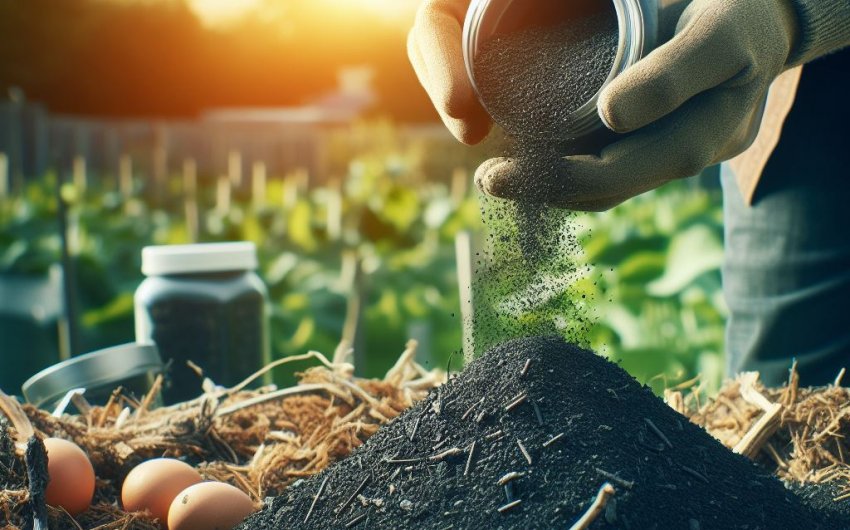
For generations, gardeners have understood the transformative power of compost, turning kitchen scraps and yard waste into nutrient-rich "black gold" that breathes life into tired soil. It's a cornerstone of organic gardening, improving soil structure, boosting fertility, and fostering a thriving ecosystem beneath the surface. However, a relatively new player has emerged in the world of soil amendments, promising to supercharge the benefits of traditional composting: biochar. This fascinating material, a form of charcoal produced through a special low-oxygen burning process, has been quietly revolutionizing sustainable agriculture and holds immense potential for the home gardener.
While often discussed as a direct soil amendment, adding biochar to your compost pile is an increasingly popular and highly effective strategy. This approach allows the biochar to become "charged" with nutrients and beneficial microbes during the composting process, making it even more powerful once it's incorporated into your garden beds. The synergy between compost and biochar creates a super-amendment, enhancing soil health, boosting plant growth, and even contributing to environmental well-being. Dive into the world of biochar composting and discover how this simple addition can unlock new levels of fertility and resilience in your garden.
What is Biochar and How Does it Benefit Soil?
Before diving into its role in composting, it's helpful to understand what biochar is and why it's considered such a valuable soil amendment.
What Exactly is Biochar?
Biochar is a highly porous, stable form of carbon that is made from organic materials (like wood, agricultural waste, or crop residues) heated in a high-temperature, low-oxygen process called pyrolysis.
- Not Just Charcoal: While it looks like charcoal, it's produced under specific conditions to maximize its porosity and stability, making it ideal for soil applications. It's specifically designed for agricultural or horticultural use, whereas regular charcoal (from a BBQ) might contain unhealthy additives.
- Stable Carbon: Unlike regular organic matter that breaks down quickly, biochar is very stable and can remain in the soil for hundreds, even thousands, of years. This means its benefits are long-lasting.
- Porous Structure: Its most important feature is its highly porous, honeycomb-like structure, full of tiny pores and channels. These pores are where the magic happens in the soil. You can often find biochar for gardening in bags at garden supply stores.
How Does Biochar Improve Soil Structure?
The unique structure of biochar directly enhances the physical properties of soil.
- Aeration: The porous nature of biochar creates and maintains tiny air pockets in the soil. These air pockets are vital for soil aeration, allowing oxygen to reach plant roots (which need to "breathe") and beneficial soil microbes. This is particularly helpful in heavy clay soils that tend to compact.
- Drainage: In clay soils, biochar helps create channels for excess water to drain away, preventing waterlogging and root rot.
- Water Retention: In sandy soils, the sponge-like pores of biochar can hold onto water and release it slowly to plant roots, significantly improving water retention in drought-prone conditions. It acts as a reservoir for moisture. This can reduce the need for frequent watering.
- Reduces Compaction: Over time, biochar helps prevent soil compaction, keeping the soil loose and friable, which is ideal for root growth.
How Does Biochar Enhance Nutrient Retention?
This is one of the most powerful benefits of biochar and why it's often called a "nutrient sponge."
- High Cation Exchange Capacity (CEC): Biochar has a very high CEC, which means it has many negatively charged sites on its surface. These sites can attract and hold positively charged nutrient ions (like calcium, magnesium, potassium, and ammonium nitrogen) that would otherwise leach out of the soil with water.
- Reduces Leaching: By holding onto these nutrients, biochar prevents them from washing away, making them available to plant roots over a longer period. This improves nutrient efficiency.
- Better Fertilizer Use: This means that when you do add fertilizers (organic or synthetic), less is wasted, and more is available to your plants. Over time, you might be able to reduce your fertilizer inputs. A soil test kit can help you monitor nutrient levels over time.
How Does Biochar Support Soil Microbes?
The porous structure of biochar creates an ideal living environment for the microscopic life that forms the soil food web.
- Microbe Habitats: The countless tiny pores act like miniature apartments, providing shelter and protection for beneficial bacteria, fungi, and other microorganisms from predators, temperature changes, and drying out.
- Increased Microbial Activity: By providing these optimal habitats, biochar encourages a thriving, diverse microbial community in the soil. These microbes are crucial for breaking down organic matter, cycling nutrients, and fighting off plant pathogens.
- Improved Nutrient Availability: A healthy microbial population makes nutrients more accessible to plants, further boosting soil fertility.
Why Add Biochar Specifically to Your Compost Pile?
While biochar can be added directly to soil, incorporating it into your compost pile first offers synergistic benefits, making it even more effective.
How Does Biochar Become "Charged" with Nutrients in Compost?
This is the primary advantage of adding biochar to compost.
- "Activated" Biochar: Raw biochar is highly porous but relatively inert (doesn't contain many nutrients itself). If added directly to the soil, it acts like a "hungry sponge," absorbing available nutrients from the soil initially, which can temporarily deplete them for plants.
- Nutrient Infusion: When added to an active compost pile, the biochar's pores become infused or "charged" with the rich array of nutrients (nitrogen, phosphorus, potassium, micronutrients) that are naturally released during the decomposition process. The compost essentially fills its empty "battery."
- Microbial Colonization: Even more importantly, the biochar's pores become colonized by the vast and diverse populations of beneficial microorganisms thriving in the compost pile. These microbes take up residence in the biochar's tiny habitats.
- Enhanced Delivery: When this "charged" biochar-compost blend is added to your garden, it delivers a powerful package of stable carbon, readily available nutrients, and a vibrant community of beneficial microbes directly to your soil, ready to get to work. An outdoor compost bin is essential for this process.
Can Biochar Speed Up the Composting Process?
Yes, biochar can act as a catalyst in the compost pile, helping things break down faster.
- Improved Aeration: Its porous structure prevents the compost pile from becoming too dense or anaerobic (lacking oxygen). Good airflow is crucial for fast, hot composting, as it supports the aerobic (oxygen-loving) bacteria that do most of the work.
- Moisture Management: Biochar can absorb excess moisture if the pile gets too wet, preventing sogginess and putrefaction. Conversely, it can slowly release moisture if the pile starts to dry out, maintaining optimal conditions for microbial activity.
- Enhanced Microbial Activity: By providing ideal homes for microbes, biochar encourages a larger and more active population of decomposers, leading to a faster and more efficient breakdown of organic materials.
- Reduced Odors: An active, aerated compost pile breaks down materials efficiently, significantly reducing unpleasant odors caused by anaerobic decomposition. Biochar can directly absorb some volatile organic compounds that cause odors. A compost thermometer can help you monitor the heat in your pile, indicating active decomposition.
How Does it Reduce Nutrient Leaching from Compost?
Just as it does in soil, biochar helps prevent nutrient loss from the compost pile itself.
- Nutrient Retention: As organic materials break down in the compost pile, soluble nutrients (like nitrogen in the form of nitrates) can leach out with excess water. Biochar acts like a sponge, adsorbing these nutrients and preventing them from washing away.
- Prevents Volatilization: It can also help reduce the loss of nitrogen through volatilization (turning into a gas) in the form of ammonia, particularly when composting nitrogen-rich materials like fresh grass clippings or manure. By adsorbing ammonium ions, it stabilizes the nitrogen in the compost.
- Richer End Product: The result is a richer, more nutrient-dense finished compost, as fewer valuable elements are lost during the composting process.
Does Biochar Help Absorb Toxins in Compost?
There's evidence that biochar can help reduce some undesirable compounds during composting.
- Adsorption of Contaminants: Biochar has a strong ability to adsorb (bind to its surface) various organic and inorganic contaminants, including some heavy metals, pesticides, or other harmful compounds that might be present in compost inputs (e.g., if you're using grass clippings from a lawn that was sprayed, though it's always best to avoid such inputs).
- Safer Compost: While not a guarantee for making truly contaminated material safe, it can help mitigate some risks, potentially leading to a cleaner, safer compost product for your garden. This is particularly valuable if you're using diverse sources of organic matter.
What is the Best Way to Add Biochar to My Compost Pile?
Adding biochar to your compost pile is straightforward, but a few tips can optimize its effectiveness.
What Form of Biochar Should I Use?
- Fine Granules or Powder: Look for biochar that is in fine granular form or even a powder. This maximizes its surface area for interaction with the compost and makes it easier to mix in evenly. Coarse, chunky biochar won't be as effective.
- Activated vs. Raw: Most commercially available biochar for gardening is "raw" biochar (just carbon). It's designed to be activated or charged by mixing with compost or fertilizer before direct soil application. Some specialized products may be pre-charged, but mixing with compost is generally the best way for home gardeners. A bag of activated biochar will often specify it's ready for use, but still benefits from composting.
How Much Biochar Should I Add to My Compost?
The general recommendation for adding biochar to a compost pile is usually around 5-10% of the total volume of your compost ingredients.
- Start Small: If you're new to it, start on the lower end, around 5%, and see how it performs.
- Layering: A good method is to add it in layers as you build your compost pile. For example, add a thin sprinkle of biochar every 6-12 inches as you add new "green" (nitrogen-rich) and "brown" (carbon-rich) materials. This ensures even distribution and good contact with all decomposing matter.
- Mix Thoroughly: As you turn your compost pile, the biochar will get thoroughly mixed in, further enhancing its contact with nutrients and microbes.
When is the Best Time to Add Biochar to Compost?
- At the Start of the Pile: The ideal time to add biochar is right at the beginning, as you build a new compost pile. This allows it to be present throughout the entire decomposition process, maximizing its charging and catalytic benefits.
- During Turning: You can also sprinkle in biochar when you turn your compost pile. This helps distribute it and can give a boost to an already active pile.
- Charging an Existing Pile: If you have an active compost pile already going, you can mix in biochar gradually during subsequent turns. It will still benefit from the process.
Should I "Charge" Biochar Before Adding to Compost?
While the compost pile itself will charge the biochar, some people pre-soak or pre-charge it slightly before adding it.
- Pre-soaking: You can soak the biochar in water for a day or two before adding it to the compost. This helps fill its pores with water, making it immediately available to absorb nutrients and microbes. You could even use a diluted liquid fertilizer or compost tea for soaking to give it a head start, though this isn't strictly necessary.
- Mix with Manure: Mixing biochar with fresh manure for a few days before adding to the compost pile is another way to quickly infuse it with nitrogen and microbes.
- Not Essential: For most home composters, simply adding the dry, granular biochar directly to the compost pile (especially in layers) will be sufficient for it to become effectively "charged." The compost process itself is a powerful charging mechanism.
What Are the Long-Term Benefits of Biochar-Enhanced Compost?
The benefits of combining biochar with compost extend far beyond the initial composting process, creating lasting positive impacts on your garden.
How Does it Improve Soil Fertility Long-Term?
The combination of stable carbon and rich organic matter creates a powerful and enduring soil amendment.
- Perennial Nutrient Hub: Unlike regular compost that breaks down over a year or two, the biochar component remains in the soil for centuries. It continues to act as a permanent home for beneficial microbes and a nutrient retention site, holding onto applied fertilizers and making them available to plants over time.
- Increased CEC: Regular additions of biochar-enhanced compost will gradually increase your soil's Cation Exchange Capacity (CEC) over the long term, making your soil naturally more fertile and efficient at holding onto nutrients.
- Sustainable Soil Building: This approach promotes a truly sustainable way of building soil health and fertility, reducing your reliance on external inputs over time.
Does it Help with Water Retention in Garden Beds?
Yes, the biochar component within the compost significantly boosts soil's ability to hold onto water.
- Improved Water-Holding Capacity: When the biochar-compost blend is incorporated into your garden soil, the biochar's porous structure helps the soil absorb and retain more water. This is a game-changer, especially for sandy soils or during dry periods.
- Reduced Watering Needs: By increasing the soil's water retention, you'll find your garden beds dry out slower, potentially allowing you to water less frequently, saving water and effort. This is a significant benefit in regions experiencing drought. A soil moisture meter can help you observe this benefit directly.
How Does it Enhance Plant Growth and Yield?
The combined benefits of improved soil structure, nutrient retention, and microbial activity all translate to healthier, more productive plants.
- Stronger Root Development: The improved aeration and drainage from biochar create an ideal environment for roots to grow strong and deep, allowing plants to access water and nutrients more effectively.
- Efficient Nutrient Uptake: Plants can access the nutrients held by the biochar and released by the active microbial population more efficiently, leading to more vigorous growth.
- Increased Resilience: Healthier, well-fed plants with strong root systems are more resilient to environmental stresses like drought, heat, and even some diseases.
- Higher Yields: Ultimately, healthier, more vigorous plants lead to better growth, more abundant flowering, and higher yields of fruits and vegetables in your garden. This is the ultimate goal for any gardener.
Can it Reduce the Need for Other Fertilizers?
Yes, over time, the consistent use of biochar-enhanced compost can significantly reduce your reliance on other fertilizers.
- Self-Sustaining System: As the biochar becomes a permanent part of your soil's structure and its nutrient-holding capacity increases, your soil becomes more efficient at cycling its own nutrients.
- Less Leaching: Because nutrients are less likely to leach away, more are retained in the root zone, meaning you won't need to add as much supplemental fertilizer.
- Environmental Benefit: This reduces chemical runoff into waterways and lowers your garden's environmental footprint, making your gardening practices more sustainable and eco-friendly. A sprayer for garden liquids becomes less necessary.
Are There Any Considerations When Using Biochar in Compost?
While the benefits are clear, it's important to be aware of a few practical considerations when incorporating biochar into your compost pile.
Is All Biochar the Same?
No, not all charcoal is biochar, and not all biochar is created equal.
- Production Process: True biochar is produced through pyrolysis (heating in low oxygen), which creates its stable, porous structure. BBQ charcoal is often produced differently and can contain additives or lighter fluids. Do not use BBQ charcoal in your garden or compost.
- Feedstock: The type of organic material (feedstock) used to make biochar (e.g., wood, bamboo, agricultural waste) can affect its properties slightly. However, for home gardening, good quality wood-based biochar is generally suitable.
- Particle Size: As mentioned, finer granular or powdered biochar is more effective for composting than large chunks.
- Reputable Source: Purchase biochar from a reputable supplier that specifies it's for horticultural or agricultural use. A reputable brand of biochar will typically have clear instructions.
Can I Add Too Much Biochar?
While biochar is generally beneficial, it's possible to overdo it, especially if applying raw biochar directly to the soil.
- Soil pH Changes: Some biochar can be alkaline, raising the soil pH. While beneficial in acidic soils, too much can make alkaline soils even more alkaline, which might not be suitable for all plants. However, when added to compost, the composting process often neutralizes some of this alkalinity.
- Temporary Nutrient Lock-Up (if uncharged): If you add large quantities of raw, uncharged biochar directly to soil, it can initially act as a "nutrient sink," temporarily adsorbing nutrients that would otherwise be available to plants. This is why charging it in compost is highly recommended.
- Cost: Biochar can be relatively expensive. Adding too much is simply a waste of money.
- Follow Recommendations: Stick to the recommended 5-10% volume when adding to compost, or around 5-10% by volume when applying charged biochar to soil.
How Does it Affect Compost Odor?
Biochar can actually help manage odors in your compost pile.
- Odor Adsorption: Its porous structure can adsorb some of the volatile organic compounds that cause unpleasant odors in compost, especially if the pile becomes anaerobic or is breaking down nitrogen-rich materials like food scraps.
- Improved Aeration: By promoting better airflow within the pile, biochar supports aerobic decomposition, which is much less smelly than anaerobic decomposition.
- Fresher Smelling Compost: The result is a compost pile that smells less offensive and a finished compost product that has that pleasant earthy aroma. A compost aerator tool also helps keep smells down.
What are the Environmental Impacts of Biochar Production?
The production of biochar itself has important environmental considerations.
- Carbon Sequestration: When organic matter is converted to biochar via pyrolysis, a significant portion of its carbon is converted into a very stable form that resists decomposition. When added to soil, this carbon is "sequestered" (stored) for very long periods, preventing it from being released into the atmosphere as CO2. This is a potential climate change mitigation strategy.
- Sustainable Feedstock: It's important that the biochar is made from sustainably sourced feedstock (e.g., agricultural waste, forestry residues, invasive species removal) rather than virgin timber, which would negate some of the environmental benefits.
- Energy Use: The pyrolysis process itself requires energy, so the overall environmental impact depends on the energy source used for production.
Choosing biochar that is produced sustainably and understanding its role in carbon sequestration can add another layer of satisfaction to your gardening efforts.