
How do I use compost tea to fertilize my plants?
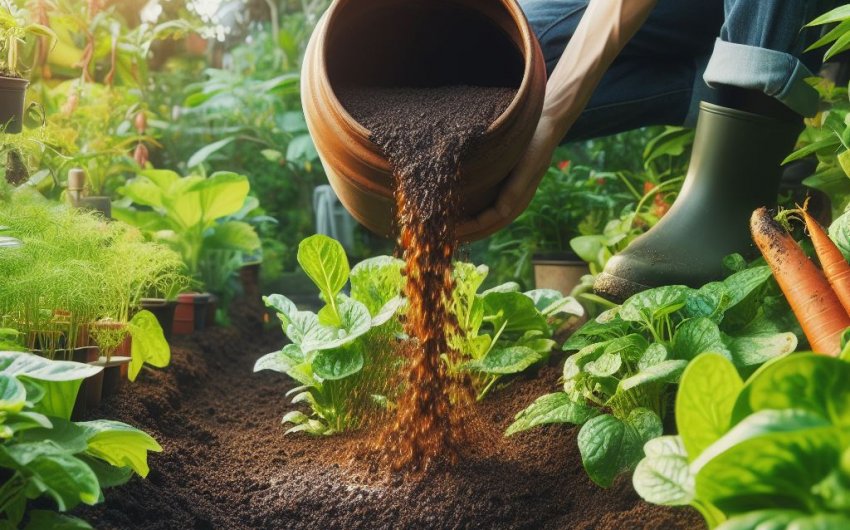
For gardeners seeking to nurture their plants in the most natural and sustainable way possible, the concept of feeding the soil rather than just the plant has gained immense popularity. While traditional fertilizers provide direct nutrients, they often neglect the crucial living component of healthy soil: its microbial inhabitants. This is where compost tea enters the picture, transforming ordinary compost into a liquid gold for your garden. It’s a method that promises to revitalize your plants from the ground up, fostering a thriving ecosystem beneath the surface.
Compost tea isn't just about nutrient delivery; it's about broadcasting beneficial microorganisms onto your plants and into your soil. These tiny, unseen heroes—bacteria, fungi, protozoa, and nematodes—work tirelessly to break down organic matter, cycle nutrients, and even help protect plants from diseases. When you brew compost tea, you're essentially creating a liquid version of all the goodness found in mature compost, making it easier for plants to absorb and for soil life to flourish. Embracing compost tea is a powerful step towards a more robust, resilient, and productive garden without relying on synthetic chemicals. Let’s dive into how to effectively use this organic elixir to supercharge your plants.
What is Compost Tea and Why is it Good for Plants?
What Exactly is Compost Tea?
Compost tea is a liquid made by steeping finished compost in water. Think of it like making a cup of tea, but instead of tea leaves, you're using nutrient-rich, microbe-filled compost. The goal is to extract the beneficial microorganisms, soluble nutrients, and organic compounds from the compost into the water, creating a liquid fertilizer and soil enhancer.
There are two main types of compost tea:
- Non-Aerated (Passive) Compost Tea: This is the simplest method. You just soak compost in water for a period. It's easy to make, but the microbial activity might be lower, and it can sometimes become anaerobic (lacking oxygen), which can encourage undesirable microbes.
- Aerated (Actively Aerated) Compost Tea (A.A.C.T.): This method involves bubbling air through the compost and water mixture using an air pump. This keeps the mixture oxygen-rich, promoting the rapid multiplication of beneficial aerobic (oxygen-loving) microorganisms. This type is generally considered more beneficial and safer.
Why is Compost Tea Beneficial for My Plants and Soil?
Compost tea offers a multi-faceted approach to plant health, going beyond what synthetic fertilizers can do.
- Boosts Soil Microbes: This is the biggest benefit. Compost tea introduces a diverse population of beneficial bacteria, fungi, protozoa, and nematodes into your soil. These microbes are essential for a healthy soil ecosystem. They help:
- Decompose Organic Matter: Breaking down dead plant material and other organic matter, releasing nutrients.
- Improve Nutrient Availability: Converting nutrients in the soil into forms that plants can easily absorb. Some microbes even help plants "fix" nitrogen from the air.
- Enhance Soil Structure: Microbes produce sticky substances that bind soil particles together, improving aeration and water penetration.
- Provides Nutrients: While not as concentrated as chemical fertilizers, compost tea provides a balanced, slow-release supply of macro- (nitrogen, phosphorus, potassium) and micronutrients (calcium, magnesium, iron, etc.) in a plant-available form.
- Suppresses Plant Diseases: The beneficial microbes in compost tea can help protect plants from disease in several ways:
- Competitive Exclusion: They outcompete harmful pathogens for food and space.
- Direct Predation: Some microbes actively consume or parasitize disease-causing organisms.
- Induced Systemic Resistance: They can trigger a plant's natural defense mechanisms, making it more resistant to disease.
- Enhances Plant Growth and Vigor: By improving nutrient uptake, protecting against disease, and fostering a healthy root environment, compost tea leads to stronger, healthier plants with better growth, more vibrant blooms, and often higher yields.
- Reduces Chemical Inputs: Using compost tea can reduce or even eliminate the need for synthetic fertilizers and pesticides, making your garden more organic and sustainable.
How Do I Make Actively Aerated Compost Tea (A.A.C.T.)?
Making actively aerated compost tea (A.A.C.T.) gives you the most bang for your buck by maximizing beneficial microbial growth.
What Supplies Do I Need to Make Compost Tea?
Gathering the right equipment before you start makes the process smooth.
- Container: A clean, non-metallic container, like a 5-gallon food-grade bucket or a plastic trash can. Avoid metal as it can react with the microbes. You can find a 5-gallon food-grade bucket online or at hardware stores.
- Water: Non-chlorinated water is crucial. Chlorine kills microbes.
- Options: Use rainwater, well water, or let tap water sit out for 24-48 hours in an open container for the chlorine to evaporate. Or use a carbon filter for quicker results.
- Compost: High-quality, mature compost is the heart of your tea. It should be dark, crumbly, and have an earthy smell. Avoid compost that smells rotten or has fresh, undecomposed material.
- Types: Vermicompost (worm castings) is often preferred for its high microbial diversity. Regular backyard compost or purchased organic compost can also work well. You can get organic worm castings.
- Aeration System: This is what makes it "aerated."
- Air Pump: An aquarium air pump is perfect for smaller batches (like a 5-gallon bucket). For larger batches, you might need a more powerful pond pump.
- Air Stone(s): These attach to the air pump tubing and create fine bubbles in the water, ensuring good oxygenation. Find aquarium air stones.
- Air Tubing: Standard aquarium air tubing to connect the pump to the air stones.
- Brew Bag (Optional but Recommended): A mesh bag, like a paint strainer bag or a reusable compost tea brew bag. This holds the compost and makes it easy to remove, leaving a clean liquid.
- Food Source (Optional but Recommended): A small amount of simple sugars or humic acids can help feed and multiply the beneficial microbes.
- Examples: Unsulfured blackstrap molasses, fish hydrolysate, or liquid kelp. A bottle of unsulfured molasses can last a long time.
What are the Steps to Brew Aerated Compost Tea?
Here's how to create your microbial powerhouse:
- Prepare Water: Fill your clean container with non-chlorinated water. If using tap water, let it sit out for at least 24 hours to allow chlorine to dissipate.
- Add Compost: Place 1-2 cups of high-quality, mature compost (or vermicompost) per gallon of water into your brew bag. Tie the bag securely and submerge it in the water. If not using a bag, simply add the compost directly to the water, but be aware you'll need to strain it later.
- Add Food Source (Optional): If desired, add a tablespoon or two of unsulfured molasses or liquid kelp per gallon of water. This gives the microbes a jump start. Avoid too much sugar, as it can favor undesirable microbes.
- Set Up Aeration: Place the air stone(s) in the bottom of the container. Connect the air tubing from the air pump to the air stone(s). Turn on the air pump. You should see a steady stream of bubbles. The goal is vigorous but not turbulent bubbling that would splash water out of the container.
- Brew Time: Let the mixture brew for 24-36 hours. The ideal temperature is between 60-70°F (15-21°C).
- Duration: Shorter brews (12-24 hours) tend to be more bacterial-dominant. Longer brews (24-36 hours) can encourage more fungal growth, which is good for woody plants. Do not brew for more than 48 hours, as the oxygen might deplete and beneficial microbes can start to die off, leading to anaerobic conditions.
- Appearance: The tea should develop a rich, earthy smell, similar to fresh soil. If it smells foul or sour, it has likely gone anaerobic and should be discarded.
- Strain (if no brew bag): If you didn't use a brew bag, strain the finished compost tea through a fine mesh strainer or cheesecloth to remove any solid particles. This prevents clogging your sprayer.
How Do I Know My Compost Tea is Ready?
- Smell: A good compost tea should smell earthy, like fresh soil after rain, or slightly sweet. A foul, rotten, or sour smell means it's gone bad (anaerobic) and should be discarded.
- Appearance: The color will depend on your compost, but it should be a consistent brown, like weak tea or coffee. It shouldn't be murky with large floating particles if strained.
- Foam: A healthy tea will often have a thin layer of foam on top due to microbial activity.
How Do I Use Compost Tea to Fertilize My Plants?
Once brewed, your compost tea is ready to be applied. It's best used fresh, within 4-6 hours, while the microbial life is most active.
How to Apply Compost Tea?
There are two primary ways to apply compost tea: as a soil drench or as a foliar spray.
- Soil Drench (Root Feeding): This is the most common method. You pour the diluted tea directly onto the soil around the base of your plants.
- Benefits: Delivers microbes directly to the root zone, where they can colonize the soil, improve nutrient uptake, and suppress root diseases. It feeds both the plant and the soil.
- How: Use a watering can or garden sprayer.
- Foliar Spray (Leaf Feeding): You spray the diluted tea directly onto the leaves of your plants.
- Benefits: Allows plants to absorb nutrients directly through their leaves. The microbes can also colonize the leaf surface, creating a protective barrier against foliar diseases.
- How: Use a pump sprayer for gardens or a backpack sprayer for larger areas. Ensure you get good coverage on both the top and underside of the leaves.
Do I Need to Dilute Compost Tea?
Yes, it's generally recommended to dilute compost tea before application.
- Typical Dilution: A common dilution ratio is 1:10 (1 part compost tea to 10 parts non-chlorinated water) up to 1:4. Some gardeners even use it undiluted, especially for a potent boost.
- Why Dilute: Diluting stretches your tea further, ensures even distribution of microbes, and prevents any potential for nutrient burn on sensitive plants, although compost tea is very gentle. It also makes it easier to apply large quantities.
- For Foliar Spray: Always dilute for foliar application to ensure even coverage and prevent any residue.
When is the Best Time to Apply Compost Tea?
Timing is important to maximize the benefits of compost tea.
- Frequency: For general plant health and soil improvement, apply every 2-4 weeks during the active growing season (spring through early fall). For stressed or ailing plants, you can apply more frequently (weekly).
- Time of Day (Foliar Spray): Apply foliar sprays in the early morning or late evening. This is when the plant's stomata (pores on leaves) are open, allowing for better absorption. It also reduces the risk of leaf burn in direct sun and gives the microbes time to establish before intense UV light.
- Avoid Rain: If heavy rain is expected within 24 hours, postpone foliar spraying, as the rain will wash the tea off the leaves.
- After Transplanting: Applying compost tea as a soil drench after transplanting new plants can help them establish quickly by reducing transplant shock and promoting root growth.
How Much Compost Tea Should I Use?
- Soil Drench: Water plants as you normally would, ensuring the root zone gets a good soaking of the diluted tea. For a raised garden bed, apply enough to thoroughly moisten the soil.
- Foliar Spray: Spray until the leaves are thoroughly coated and dripping, ensuring good coverage on both sides.
What Plants Benefit Most from Compost Tea?
Virtually all plants can benefit from compost tea!
- Vegetables and Herbs: Tomatoes, peppers, leafy greens, squash, corn, beans, and basil all respond very well to regular feeding. You'll often see improved yields and healthier foliage.
- Flowers: Annuals and perennials will produce more vibrant blooms and stronger stems.
- Trees and Shrubs: Especially young trees and shrubs, can benefit from compost tea drenches to establish strong root systems.
- Lawns: Compost tea can revitalize tired lawns, improving color, density, and disease resistance. Apply with a lawn sprayer.
- Seedlings and Young Plants: A gentle dilution can give young plants a healthy start.
- Stressed or Ailing Plants: It can help struggling plants recover by boosting their immune system and providing readily available nutrients.
What are the Do's and Don'ts of Using Compost Tea?
To get the most out of your compost tea and avoid common pitfalls, keep these guidelines in mind.
The Do's of Compost Tea
- DO use high-quality compost: The better your compost, the better your tea. Use fully mature, earthy-smelling compost, ideally vermicompost (worm castings) for maximum microbial diversity.
- DO use non-chlorinated water: Chlorine is a disinfectant and will kill the beneficial microbes you're trying to cultivate. Let tap water sit out for at least 24 hours, or use rainwater.
- DO use actively aerated compost tea (A.A.C.T.): Aeration is key to promoting beneficial aerobic microbes and preventing harmful anaerobic organisms.
- DO use the tea fresh: Apply compost tea within 4-6 hours of brewing for maximum microbial activity. The longer it sits, the more the beneficial microbes die off and it can turn anaerobic.
- DO apply as a soil drench: This is a very effective way to deliver microbes directly to the root zone, improving soil health and nutrient cycling.
- DO apply as a foliar spray: Spraying leaves can help suppress foliar diseases and provide quick nutrient absorption.
- DO apply in the early morning or late evening: This is especially important for foliar sprays to ensure stomata are open for absorption and to prevent leaf burn.
- DO clean your equipment thoroughly: Always clean your brewing container, air stones, and tubing after each use to prevent the buildup of harmful bacteria. A simple rinse with water and a scrub is usually enough.
The Don'ts of Compost Tea
- DON'T use fresh or unfinished compost: This can introduce pathogens and harmful organisms into your tea. Always use mature, fully decomposed compost.
- DON'T let your tea brew for too long: Brewing for more than 48 hours without proper aeration can lead to anaerobic conditions, producing harmful microbes and a foul-smelling tea. If it smells bad, discard it.
- DON'T add too many sugars: While a small amount of molasses can kick-start microbes, too much can lead to an imbalance and favor undesirable microbes. Less is often more.
- DON'T use on edible portions of plants right before harvest: While generally safe, some experts recommend avoiding foliar spraying edible crops a few days before harvesting, just to be extra cautious and to avoid any potential residue. Always wash produce thoroughly.
- DON'T use compost tea as a replacement for good cultural practices: It's a supplement, not a magic bullet. Good watering habits, proper light, healthy soil structure, and pest management are still essential for plant health.
- DON'T expect instant results: While you might see an improvement in plant vigor relatively quickly, the full benefits of compost tea on soil health accumulate over time with regular use.
- DON'T use un-strained tea in sprayers: If you didn't use a brew bag, make sure to strain your tea through fine mesh. Otherwise, solid particles will clog your sprayer nozzles.
What Are Some Advanced Tips for Making and Using Compost Tea?
Once you've mastered the basics, you might want to explore some ways to fine-tune your compost tea for even better results.
Tailoring Your Compost Tea for Specific Needs
You can influence the microbial balance of your tea to favor certain outcomes.
- Bacterial vs. Fungal Dominance:
- Bacterial-dominant tea: Good for leafy greens, annuals, and lawns. To encourage more bacteria, use high-nitrogen compost (like grass clippings or food scraps) and a shorter brew time (12-24 hours). Add a simple sugar like unsulfured molasses as a food source.
- Fungal-dominant tea: Better for trees, shrubs, perennials, and plants that need strong root systems (like tomatoes, peppers). To encourage more fungi, use compost with woody materials (shredded leaves, wood chips, aged bark) and a longer brew time (24-36 hours). Add a fungal food source like humic acids or liquid kelp fertilizer.
- Adding Specific Amendments: Some gardeners experiment with small additions to the brew.
- Fish hydrolysate: Provides nitrogen and trace minerals, boosting microbial activity. A good organic option is liquid fish fertilizer.
- Rock dust: Can add trace minerals, but their solubility in a short brew is limited.
- Mycorrhizal fungi inoculants: If you're trying to establish these beneficial fungi, some can be added to the brew, but it's often more effective to apply them directly to roots.
Storing and Cleaning Equipment
Proper maintenance of your brewing setup is important.
- Use Fresh Tea: Reiterate that compost tea is best used fresh. Do not store it. The beneficial aerobic microbes need oxygen, and once the aeration stops, the tea will quickly go anaerobic and potentially harmful.
- Cleanliness is Key: After each brew, thoroughly clean your bucket, air stones, tubing, and brew bag. Rinse everything well with water, and if needed, use a weak hydrogen peroxide solution or a mild bleach solution (then rinse extremely well) to sanitize. This prevents the buildup of old microbes and mold that could contaminate future batches.
Troubleshooting Your Compost Tea
- Foul Smell: If your tea smells sour, rotten, or like sulfur, it has gone anaerobic. Discard it immediately and adjust your aeration (more bubbles, different air stone placement) or reduce brew time.
- No Bubbles: Check your air pump, connections, and ensure air stones aren't clogged.
- Low Microbial Activity (if using a microscope): If you're getting serious and using a microscope to check your tea, and see low numbers of desired microbes, review your compost quality, water source, and aeration setup.
Long-Term Garden Benefits
- Building Soil Health Over Time: The most profound benefits of compost tea are seen with consistent, long-term use. It doesn't just feed the plants; it steadily builds the health and vitality of your soil, creating a living ecosystem that becomes more resilient and self-sustaining.
- Reduced Reliance on Inputs: As your soil health improves, you'll likely find you need less synthetic fertilizer, fewer pesticides, and potentially even less water, as healthy soil retains moisture better. This leads to a more sustainable and environmentally friendly gardening practice.
- Improved Plant Resilience: Plants growing in a microbially rich soil are generally stronger, healthier, and better able to resist pests, diseases, and environmental stresses like drought or heat.
Embracing compost tea is an exciting step into the world of truly organic gardening. It connects you more deeply with the unseen life in your soil, fostering a thriving garden ecosystem from the ground up. With patience and consistent application, you'll witness the remarkable transformation in your plants, enjoying a garden that is not only more productive but also humming with life.