
Can I compost weeds and invasive plants without spreading them in my garden?
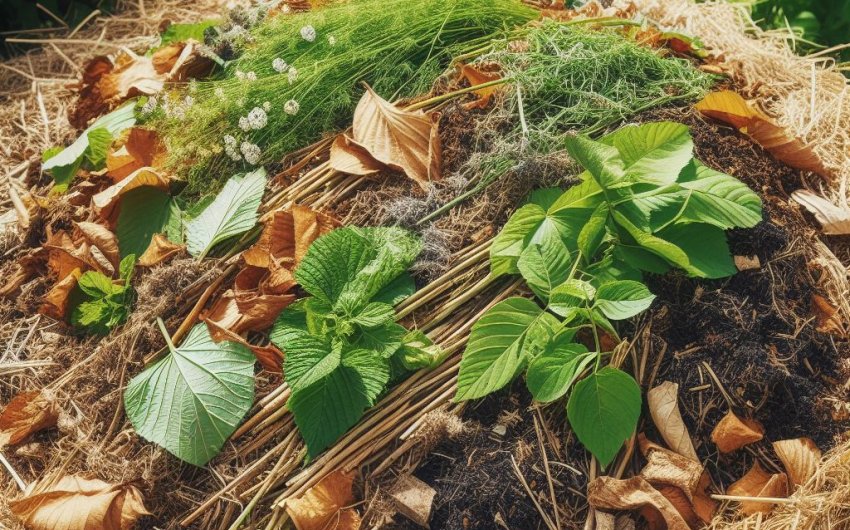
You've spent hours diligently weeding your garden, pulling up stubborn dandelions, persistent bindweed, or maybe even tenacious Japanese knotweed. Now you're left with a sizable pile of unwanted plant material, and the environmentalist in you wonders: "Can I compost weeds and invasive plants without spreading them in my garden?" It's a fantastic question, driven by a desire to reduce waste and enrich your soil.
The answer is, unfortunately, a nuanced "it depends." While many garden weeds are perfectly safe to compost, some (especially those with seeds or aggressive root systems) pose a significant risk of reinfesting your garden if not handled correctly. Throwing the wrong weed into a typical home compost pile can turn your "black gold" into a "weed bomb," spreading your gardening headaches far and wide.
This comprehensive guide will demystify the complexities of composting weeds and invasive plants. We'll explore which weeds are safe to compost, identify the high-risk culprits you absolutely must treat differently, and provide actionable pro tips for effectively neutralizing stubborn weeds before they ever enter (or exit!) your compost pile. Get ready to turn potential problems into a safe, nutrient-rich resource for your garden, confidently knowing how to compost without spreading them!
The Composting Dilemma: Why Weeds Pose a Risk
The idea of taking garden waste and turning it into valuable compost is appealing for its sustainability. Weeds are a huge part of that waste. But the very nature of weeds – their resilience and determination to survive – is precisely why they pose a dilemma when it comes to composting. The core question, "Can I compost weeds and invasive plants without spreading them in my garden?", directly addresses these survival mechanisms.
1. The Survival Power of Weed Seeds
- Abundant Production: Many common weeds are prolific seed producers. A single dandelion can produce thousands of seeds, and some annual weeds can go from seedling to seed-producing plant in a matter of weeks.
- Long Viability: Weed seeds are designed for survival. Many can remain viable (able to sprout) in the soil for years, sometimes even decades, waiting for the right conditions to germinate.
- Compost Pile Temperatures: A typical home compost pile (often called a "cold" compost pile) usually doesn't consistently reach the high temperatures (above 130-160°F or 55-70°C for several days) required to reliably kill all weed seeds. While the center of a very well-managed, hot compost pile might get hot enough, the edges and cooler spots often do not.
- Result: If weed seeds survive the composting process, you will be inadvertently spreading them back into your garden when you apply the finished compost, essentially re-infesting your beds with the very weeds you tried to remove.
2. The Persistence of Invasive Plant Roots and Stems
- Rhizomes and Stolons: Many aggressive perennial weeds and invasive plants reproduce not just by seed, but also vegetatively – through underground stems called rhizomes (e.g., quackgrass, bindweed, Japanese knotweed) or above-ground runners called stolons (e.g., creeping charlie).
- Regrowth from Fragments: These weeds are incredibly tenacious. Even a small fragment of a root or stem can sprout into a whole new plant if given the right conditions (moisture, warmth).
- Compost Pile Survival: These root and stem fragments are often very resilient. They can survive being tossed into a compost pile, especially if the pile doesn't reach consistently high temperatures throughout.
- Result: You dig up a weed like bindweed, throw it in the compost, and then use that compost only to find bindweed sprouting everywhere. It's a frustrating cycle.
3. Potential for Disease and Pest Carryover
- Diseased Weeds: If a weed has a fungal disease or a viral infection, putting it in your compost pile could allow those pathogens to survive and then spread to your desirable plants when the compost is used.
- Pest Eggs/Larvae: Some insect pests might lay eggs on weed leaves or hide in their roots. These could potentially survive composting and emerge later.
Understanding these risks is key. While composting weeds is a noble goal for reducing waste and building soil, it's essential to exercise caution and apply specific strategies to ensure your compost becomes a nutrient-rich blessing, not a weed-spreading curse.
Which Weeds Can I Safely Compost? (The "Yes" List)
Despite the risks posed by some stubborn varieties, many common garden weeds are perfectly safe and even beneficial to add to your compost pile. They fall squarely into the "green" (nitrogen-rich) category, adding valuable moisture and nitrogen to balance your "browns." This is the "yes" list for compostable materials!
General Rule for Safe Composting of Weeds:
- No Seeds: The absolute most important rule is that the weed should not have gone to seed. If it has mature seed heads, treat it differently.
- No Aggressive Roots/Rhizomes: It should not be a perennial weed known for spreading aggressively from root or stem fragments.
- No Diseases/Pests: The weed should appear healthy and free of obvious signs of disease or heavy pest infestations.
Common Weeds That Are Generally Safe to Compost:
Young Annual Weeds (Before Flowering/Seeding):
- Examples: Chickweed (before it sets tiny seeds!), young lambsquarters, purslane, annual bluegrass (if not yet seeding).
- Why they're safe: These weeds complete their life cycle in one season. If caught very young (before they've flowered or produced any seeds), their soft foliage breaks down quickly and adds excellent nitrogen.
- Pro Tip: If you have to pull them when they're older, they risk having seeds. Always err on the side of caution.
Dandelion Leaves and Roots (Before Flowering/Seeding):
- Why they're safe (mostly): While dandelions are notoriously persistent, if you pull them before they've formed a flower bud or seed head (the puffy white clock), their leaves and root sections can be composted. They add good nitrogen and trace minerals.
- Caution: Their seeds are notoriously resilient. If there's even a chance of seeds, treat them differently.
- Pro Tip: Chop the taproots into small pieces to speed decomposition.
Clover (Red, White, etc.)
- Why they're safe: Clover is a nitrogen-fixing plant, making it a great addition to compost. It breaks down easily.
- Caution: Small seeds are possible if mature, but generally less problematic than dandelion or annual weed seeds.
Young Broadleaf Weeds (Generic, Non-Spreading Types):
- Examples: Young plantain leaves (before seed heads form).
- Why they're safe: Simple growth habit, break down easily.
Small Amounts of Moss:
- Why it's safe: Moss is a simple plant structure that breaks down readily. It often indicates compacted or acidic soil, but adding it to compost won't spread these conditions.
Preparing Safe Weeds for Composting:
- Shake Off Excess Soil: Before adding weeds to your compost pile, vigorously shake off as much soil as possible from their roots. This prevents soil from introducing unwanted pathogens or compacting your pile.
- Chop or Shred: For faster decomposition, chop larger weeds into smaller pieces (e.g., 2-4 inches). This exposes more surface area to microbial action.
- Balance with Browns: Always remember to layer or mix your weed additions (which are "greens") with plenty of "browns" (shredded leaves, cardboard, straw) to maintain the optimal Carbon-to-Nitrogen ratio. This prevents odors and ensures efficient breakdown.
By sticking to this "yes" list and following proper preparation, you can confidently include many common weeds in your compost, turning them into a valuable resource rather than waste, and contribute to your compostable materials without fear of spreading them.
High-Risk Weeds: What NOT to Compost (or How to Neutralize Them)
This is the most critical section for anyone asking, "Can I compost weeds and invasive plants without spreading them in my garden?" Certain weeds pose a very high risk of re-infesting your garden if not handled correctly. These should never be composted directly in a typical home compost pile without prior neutralization.
Categories of High-Risk Weeds:
1. Weeds with Mature Seeds
- Why they're risky: As discussed, most home compost piles (especially "cold" composters) don't consistently reach temperatures high enough (above 130-160°F or 55-70°C for several days) to reliably kill all weed seeds. Many seeds have tough coats and can remain viable for years, even decades.
- Examples: Dandelion (once the puffball forms), crabgrass, prostrate knotweed, lambsquarters (once mature), chickweed (once tiny white flowers form), any annual weed that has clearly produced seed heads.
- Risk: Spreading these seeds back into your garden when you apply the finished compost.
2. Perennial Weeds with Aggressive Root Systems (Rhizomes, Stolons, Tubers)
- Why they're risky: These weeds can re-sprout from even small fragments of their roots or stems. They are incredibly tenacious.
- Examples:
- Rhizomatous Weeds: Quackgrass, bindweed (Convolvulus arvensis), Japanese knotweed, horsetail, ground elder/bishop's weed, creeping charlie (ground ivy), mint (if you don't want it spreading!).
- Tuberous Weeds: Nutsedge (Cyperus esculentus), some oxalis species.
- Risk: Regrowing directly in your compost pile, or (more likely) sprouting vigorously wherever you spread the finished compost.
3. Noxious Weeds / Highly Invasive Plants
- Why they're risky: These are particularly aggressive, non-native plants that outcompete native species and are notoriously difficult to eradicate. Many reproduce readily by seed or root fragments.
- Examples (check your local list!): Japanese knotweed (again!), garlic mustard, multiflora rose, purple loosestrife, kudzu.
- Risk: Contributing to a major ecological problem if accidentally spread.
4. Heavily Diseased Plants
- Why they're risky: Spores from fungal diseases (like powdery mildew, black spot, blight, rust, fusarium wilt) or viruses may survive in a cool compost pile.
- Risk: Re-infecting your desirable plants when compost is used.
How to Neutralize High-Risk Weeds (Methods of Destruction!)
These weeds should never go directly into a typical home compost pile. Here are safer alternatives:
Bag and Dispose (The Simplest & Safest Option):
- Method: Place the high-risk weeds (especially those with seeds or aggressive roots) into a heavy-duty black plastic bag. Seal the bag tightly.
- Process: Leave the bag in direct sunlight for several weeks or months. The heat inside the bag will "solarize" (cook) and kill the seeds and root fragments. This effectively creates an oven.
- Disposal: Once the contents are completely brown, dry, and lifeless, you can dispose of the bag in the regular trash. Some municipalities allow disposal in yard waste if solarized first.
- Pros: Very effective, simple, reduces risk.
- Cons: Uses plastic bags, doesn't create compost.
Drowning / Fermentation (for Rhizomes/Stolons):
- Method: Place weeds with aggressive roots/rhizomes in a bucket, barrel, or large container. Fill it with water, and weigh down the weeds to keep them submerged.
- Process: Let them sit and rot in the water for several weeks or months. This drowns the root systems and causes them to decompose into a slimy, nutrient-rich liquid (often called "weed tea" - which can be diluted and used as liquid fertilizer) and sludge.
- Disposal: Once completely decomposed and slimy (no viable parts left), the sludge can be added to your compost pile or directly to garden beds (if very well-rotted). Dilute the "weed tea" to 1:10 with water before using as fertilizer.
- Pros: Creates a nutrient-rich liquid.
- Cons: Can be smelly, takes time.
Hot Composting (Advanced Method - With Caution!):
- Method: This involves creating and maintaining a consistently "hot" compost pile that reaches temperatures of 130-160°F (55-70°C) for several consecutive days, and then actively turning it to ensure all material experiences these high temperatures.
- Why it Works: These sustained high temperatures are enough to kill most weed seeds and root fragments.
- Caution: This is difficult to achieve consistently in a typical home compost pile without proper management (right C:N ratio, moisture, frequent turning, large pile size). If you're not a dedicated hot composter, don't rely on this. The edges of the pile will likely not get hot enough.
- Pro Tip: If attempting, ensure you have a compost thermometer and a good compost aerator tool.
By carefully distinguishing between safe weeds and high-risk varieties, and employing appropriate neutralization methods, you can confidently answer "Can I compost weeds and invasive plants without spreading them in my garden?" with a resounding "yes!" for specific cases, ensuring your compost truly benefits your garden without becoming a source of frustration.
Pro Tips for Composting Weeds Safely and Effectively
Knowing what can I compost and what to avoid is essential. Now, let's look at the pro tips that ensure your weed composting efforts are not only safe but also contribute to a thriving, balanced compost pile, preventing you from spreading unwanted plants in your garden.
1. Act Early: The Golden Rule for Weeds
- Timing is Everything: Always pull weeds when they are young and small, before they have a chance to flower or set seed. This is the easiest way to ensure they are safe for composting.
- Small and Tender: Young weeds break down quickly and add excellent "green" material to your pile.
2. Prepare Your Weeds Properly
- Shake Off Soil: Vigorously shake off as much soil as possible from the roots of any weed before adding it to the compost pile. Excess soil can introduce unwanted pathogens or minerals, and can also compact your compost pile.
- Chop it Up: For faster decomposition, chop or tear larger weeds into smaller pieces (e.g., 2-4 inches). This increases the surface area for microbial activity. A sharp pair of pruning shears or even running over them with a lawnmower can help.
3. Balance with "Browns"
Weeds, especially fresh ones, are rich in nitrogen ("greens"). To avoid a smelly, soggy pile, you must balance them with carbon-rich "browns."
- Layering: Add a thin layer of weeds, then a thicker layer of "browns" (shredded leaves, straw, plain shredded cardboard, dry grass clippings).
- Mixing: When adding new material, actively mix the weeds into the existing compost pile, ensuring they are well-distributed among the browns.
- Cover Your Greens: Always cap off a layer of fresh "greens" (especially kitchen scraps and weeds) with a layer of "browns." This helps suppress odors and deters pests.
4. Maintain Proper Moisture Levels
- Damp, Not Soggy: Your compost pile should feel like a wrung-out sponge – damp but not dripping wet.
- Moisten Dry Weeds: If you're adding dried weeds (which act as browns), moisten them slightly as you add them to help kickstart decomposition.
- Observe: If the pile gets too wet (from too many fresh greens/weeds), add more dry browns and turn. If it gets too dry, water it.
5. Aerate (Turn) Regularly
Aeration is vital for active, odor-free decomposition, and it also helps distribute weed material evenly.
- Oxygen for Microbes: Turning the pile introduces oxygen, which is essential for the efficient aerobic microbes.
- Distribute Heat: Turning helps distribute heat (if hot composting) and ensures all materials eventually reach the hotter, more active center of the pile.
- Frequency: For an active pile, turn every few days to once a week. For slower composting, turn at least once a month. Use a compost aerator tool or a pitchfork.
6. Know Your Compost Pile's Temperature (Especially for Riskier Weeds)
- "Hot" vs. "Cold" Compost:
- "Cold" Composting: Most home compost piles are "cold" composters. They build up over time and don't consistently reach high temperatures. For these, strictly follow the "no seeds, no aggressive roots" rule.
- "Hot" Composting: A hot compost pile consistently reaches temperatures of 130-160°F (55-70°C) for several days. If you can maintain this (requires larger pile size, specific C:N ratio, and frequent turning), it can kill most weed seeds and root fragments. Use a compost thermometer to monitor.
- When in Doubt, Solarize: If you're unsure if your pile gets hot enough, or if you're dealing with very high-risk weeds, always default to solarizing them in a black bag before composting, or disposing of them.
7. Monitor Your Finished Compost
- Check for Sprouts: Before applying your finished compost to garden beds, inspect it closely. If you see any weed seeds sprouting or viable root fragments, it means your composting process didn't neutralize them.
- Re-compost or Dispose: If you find viable weed material, re-compost it in a hot pile, or dispose of it responsibly to avoid spreading.
By diligently applying these pro tips, you can safely and effectively include appropriate weeds in your composting efforts, turning potential garden nuisances into a valuable resource and confidently practicing sustainable gardening without the fear of spreading them in your garden. This is the art of knowing what can I compost strategically.