
What is vermicomposting and how can I set up a worm bin?
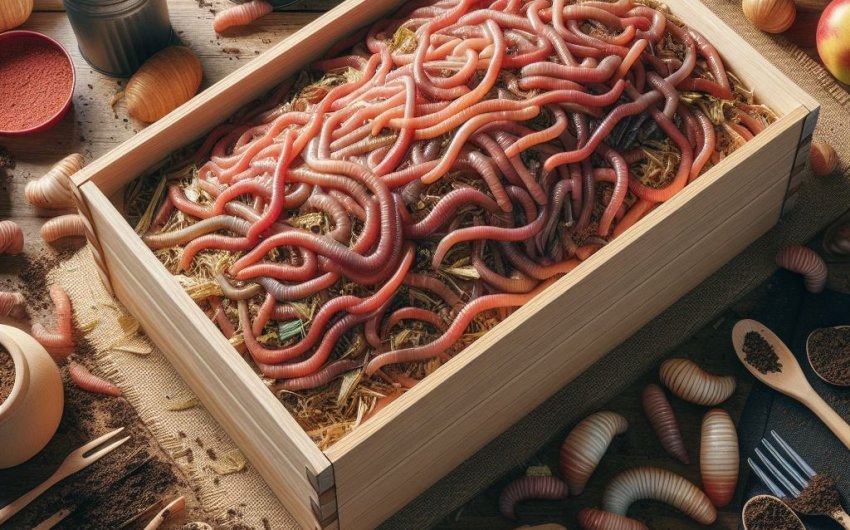
We all want to be more eco-friendly, and one great way to do that is by reducing the amount of waste we send to landfills. Kitchen scraps, like fruit peels and vegetable trimmings, make up a big part of our daily trash. Instead of throwing them away, what if you could turn them into something super valuable for your plants? That's where vermicomposting comes in. It might sound a bit fancy, but it's really just a simple, natural process where special worms do all the hard work for you.
Vermicomposting is a fantastic way to recycle your food waste right at home, even if you live in an apartment! It doesn't take up much space, doesn't smell (if done right), and gives you an amazing soil amendment called worm castings. These castings are like "black gold" for your garden plants. They're packed with nutrients and beneficial microbes that make plants grow stronger and healthier. If you've ever thought about composting but don't have a big backyard, or you just want a truly efficient way to turn scraps into plant food, then vermicomposting is for you. Let's dig into how to set up your very own worm bin and start your journey to a more sustainable garden.
What is Vermicomposting?
Vermicomposting is a fancy word for a very simple, natural process: using worms to break down organic waste. It's a type of composting that's incredibly efficient and yields a highly valuable product.
How Does Vermicomposting Work?
Instead of relying on heat and a mix of bacteria and fungi like traditional hot composting, vermicomposting uses a specific type of worm, usually red wigglers (Eisenia fetida).
- The Worms' Job: These worms are known as "composting worms" or "epigeic worms." They live and feed on decaying organic matter close to the surface of the soil. They eat your food scraps, bedding materials (like shredded paper), and other organic waste.
- Digestion and Excretion: As the worms digest these materials, they break them down into a much finer, nutrient-rich product called worm castings (which is just worm poop!). These castings are rich in beneficial microbes and plant-available nutrients.
- Aerobic Process: The worms' movement through the bedding also helps aerate the system, keeping it aerobic (meaning it has oxygen). This is important because it prevents the smelly, anaerobic conditions that can happen in traditional compost piles if they're not turned properly.
It's essentially a controlled, accelerated natural decomposition process, all thanks to our hardworking worm friends.
What are Worm Castings and Why are They So Good for Plants?
Worm castings are the finished product of vermicomposting. They are widely considered one of the best organic soil amendments available.
- Nutrient-Rich: Worm castings are packed with essential plant nutrients (Nitrogen, Phosphorus, Potassium, Calcium, Magnesium, and many micronutrients) that are easily absorbed by plants. These nutrients are often in a chelated form, meaning they are readily available for plant uptake.
- Microbial Powerhouse: They are full of beneficial microorganisms that help improve soil health, cycle nutrients, and can even suppress plant diseases. These microbes work with plant roots to create a healthier growing environment.
- Improved Soil Structure: Like traditional compost, worm castings help improve soil structure. They make heavy clay soils more crumbly and help sandy soils hold onto water and nutrients better.
- Gentle: Unlike some strong synthetic fertilizers, worm castings are gentle and won't burn your plants, even if used in large quantities.
- Odorless: Finished worm castings have a pleasant, earthy smell, unlike unfinished compost or fresh manure.
Using worm castings in your garden can lead to stronger, healthier plants, bigger harvests, and more vibrant blooms. Many gardeners consider them "black gold" because of their incredible benefits. You can buy Worm Castings for Plants if you don't make your own.
What are the Benefits of Vermicomposting?
- Waste Reduction: Significantly reduces household food waste going to landfills, which helps reduce methane gas emissions.
- Sustainable Plant Food: Creates a natural, organic fertilizer for your garden, reducing the need for synthetic chemicals.
- Low Odor: If managed correctly, a worm bin should not smell bad.
- Compact: Can be done indoors, in an apartment, or on a small patio.
- Educational: A great way to teach kids about decomposition and ecological cycles.
- Pest Deterrent (Generally): Unlike outdoor compost piles, a well-managed worm bin typically deters pests like rodents.
Vermicomposting is a simple, effective, and environmentally friendly way to turn your kitchen waste into a valuable resource for your plants.
What Do You Need to Start a Worm Bin?
Setting up a worm bin is straightforward. You essentially need three main things: a bin, bedding, and the right kind of worms.
What Kind of Bin Do I Need?
Your worm bin needs to be a suitable home for your worms.
- Material: Plastic bins are common, inexpensive, and readily available. Wood bins can also work but will decompose over time. Avoid metal bins as they can rust and leach chemicals.
- Size: The size depends on how much food waste your household produces. A general rule of thumb is 1 square foot of surface area per pound of food waste per week. For an average family of 2-4 people, a bin roughly 1.5-2 feet long, 1 foot wide, and 1 foot deep is a good starting point. You can find ready-made Worm Composting Bins that are often stackable.
- Drainage Holes: This is crucial! Worms need drainage to prevent the bin from becoming waterlogged and anaerobic. Drill several 1/4 to 1/2 inch holes in the bottom of your bin. Place a tray or old baking pan underneath to catch any liquid (called "worm tea" or "leachate"). This liquid is not the same as worm castings tea, and should only be used in the garden if it doesn't smell bad, as it can be anaerobic.
- Air Holes: Worms need oxygen. Drill small holes (1/8 inch) around the top sides and lid of the bin for ventilation.
- Opaque: The bin should be opaque (not clear) as worms prefer darkness.
- Lid: A tight-fitting lid is important to keep moisture in and pests out.
What Do You Use for Bedding?
Bedding is the worms' home, providing moisture, air, and some initial food.
- Carbon-Rich: It should be a carbon-rich material.
- Moist: It needs to be kept moist, like a wrung-out sponge.
- Good Choices:
- Shredded Newspaper/Cardboard: This is the most common and easiest bedding material. Shred newspaper (avoid glossy pages or colored inks), corrugated cardboard (remove tape and labels), or paper egg cartons into strips.
- Coconut Coir: A sustainable and excellent bedding material, holds moisture well. You can get a Coconut Coir Brick and rehydrate it.
- Straw or Hay: Can also be used, but shred it first.
- Plain Topsoil: A handful or two of plain garden soil (not potting mix) can be added to introduce beneficial microbes and grit, which helps the worms digest food.
Preparation: Moisten your chosen bedding material thoroughly, then squeeze out excess water until it's just damp. Fluff it up to ensure good air circulation. Fill your bin about two-thirds full with this prepared bedding.
What Kind of Worms Do You Need?
You cannot use just any garden worm. You need composting worms.
- Red Wigglers (Eisenia fetida): These are the best for vermicomposting. They are surface dwellers, active eaters, reproduce quickly, and tolerate a wide range of temperatures.
- European Nightcrawlers (Eisenia hortensis): Larger than red wigglers, they also compost well, but are often favored for fishing bait due to their size. They generally eat a bit slower than red wigglers.
- Where to Get Them: You can buy Red Wiggler Worms online from worm farms, at some garden centers, or even from fellow vermicomposters. Do not use earthworms from your garden, as they are deep-dwelling worms and won't thrive in a bin environment.
What Else Might Be Helpful?
- Misting Bottle: For keeping the bedding moist.
- Small Hand Trowel: For burying food scraps.
- Gloves: Optional, but good for handling materials.
With these supplies, you're ready to set up your worm bin and begin your vermicomposting journey!
How Do You Set Up Your Worm Bin?
Setting up your worm bin is an exciting step! It's relatively simple and prepares a perfect home for your new worm friends.
What are the Steps to Set Up the Bin?
- Prepare Your Bin:
- If using a DIY plastic tote, drill the necessary drainage holes in the bottom (about 10-15 holes, 1/4 to 1/2 inch in diameter).
- Drill smaller air holes (1/8 inch) around the top sides of the bin and in the lid.
- Place a tray or larger bin underneath to catch any liquid.
- Moisten Bedding Material:
- Take your shredded newspaper, cardboard, or coconut coir.
- Place it in a bucket and add water. Mix thoroughly until all the bedding is damp, like a wrung-out sponge. You should be able to squeeze out a few drops of water, but it shouldn't be dripping wet.
- Fluff up the bedding to ensure it's airy.
- Add Bedding to Bin:
- Fill your prepared bin about two-thirds to three-quarters full with the moistened, fluffed bedding.
- You can mix in a handful or two of plain garden soil (not potting mix) at this stage. This introduces beneficial microbes and grit, which helps the worms with digestion.
- Introduce the Worms:
- Gently place your red wigglers on top of the bedding. They are sensitive to light, so they will quickly burrow down into the bedding to escape the light.
- Leave the lid off or slightly ajar for the first 15-30 minutes to encourage them to burrow down.
- Initial Feeding (Optional but Recommended):
- Give your worms a small initial meal, about 1-2 cups of appropriate food scraps (see "What to Feed" section). Bury it gently under the bedding in one corner. This helps them settle in.
- Don't overfeed them right away. They need a little time to adjust to their new home.
- Place the Lid: Put the lid on your bin.
Where Should You Place Your Worm Bin?
The location of your worm bin is important for maintaining the right temperature and minimizing odors.
- Temperature: Worms are comfortable in temperatures between 55-77°F (13-25°C).
- Indoors: Kitchen, laundry room, basement, garage, or utility room are great places for an indoor bin. The stable indoor temperatures are ideal.
- Outdoors: In warmer climates, a shaded spot outdoors (like under a tree or on a covered patio) works well. In colder climates, you'll need to move your bin to a protected area like a garage or shed, or insulate it well to prevent freezing.
- Avoid Extremes: Keep the bin out of direct sunlight (which can overheat it) and away from extreme cold or heat.
- Convenience: Choose a spot where it's easy for you to add food scraps regularly.
What to Expect After Setup?
- Initial Adjustment: The worms will take a few days to adjust to their new home. Don't disturb them too much during this time.
- Minimal Feeding at First: For the first week or two, only add small amounts of food. Once they settle in and start reproducing, they'll eat more.
- Monitoring: Regularly check the moisture level of the bedding (should be like a wrung-out sponge) and ensure there are no bad odors. If it smells bad, it usually means you're overfeeding or it's too wet.
With a proper setup and careful initial observation, your worm bin will be off to a healthy start, ready to transform your food waste into valuable worm castings.
What Do You Feed Your Composting Worms?
Knowing what to feed your composting worms is essential for a healthy and odor-free worm bin. Not all food scraps are suitable, and some can cause problems.
What Can Worms Eat?
Composting worms thrive on a diet of mostly fruit and vegetable scraps.
- Fruit Scraps: Apple cores, banana peels, melon rinds, berries, citrus peels (in moderation), etc.
- Vegetable Scraps: Carrot peels, potato skins, lettuce, broccoli stems, corn cobs (broken down), etc.
- Coffee Grounds: Excellent source of nitrogen. Include the paper filters too.
- Tea Bags: Unbleached tea bags are fine.
- Crushed Eggshells: Provide grit (which helps worms digest food) and calcium. Make sure they are thoroughly rinsed and crushed to a powder.
- Bread/Grains (in moderation): Small amounts of stale bread, cereal, or cooked pasta are okay, but avoid too much as they can become moldy or attract pests.
- Plain Paper Products (Bedding/Carbon): Shredded newspaper, plain cardboard (torn into small pieces), paper egg cartons. These are primarily for bedding but are also a food source.
Tips for Feeding:
- Chop Small: The smaller the pieces of food scraps, the faster the worms can eat them. Chop large items into 1-inch pieces or smaller.
- Bury Food: Always bury the food scraps under the bedding. This helps prevent odors, deters fruit flies, and ensures the worms can access the food easily.
- Rotate Feeding Spots: Feed in a different section of the bin each time, or try the "trench method" (burying food in a line) or "pocket method" (burying in small holes). This encourages worms to move and prevents buildup in one area.
- Don't Overfeed: This is a common mistake! Start with small amounts (e.g., 1/2 pound of food per pound of worms per week). Observe how quickly the worms eat it. If food is still there after a few days, reduce the amount next time. Overfeeding is the main cause of odors and pests.
What Should Worms NOT Eat?
Avoiding certain items is crucial for a healthy worm bin.
- Meat, Bones, Fish, Dairy Products: These can attract pests (rodents, maggots), cause very strong odors as they rot, and are generally too slow for the worms to break down efficiently.
- Oily or Greasy Foods: Can turn rancid, create odors, and repel worms.
- Excessive Citrus: While small amounts are fine, large quantities of citrus peels (like from many oranges or grapefruits) are very acidic and can make the bin too acidic for the worms over time.
- Pet Waste: Can contain pathogens (disease-causing germs) that are harmful to humans. Never add pet waste to a home worm bin.
- Diseased Plants: Don't add plants that were diseased, as this could spread pathogens to your garden when you use the castings.
- Treated Wood or Sawdust: Lumber treated with chemicals or wood from unknown sources can contain harmful substances.
- Large Quantities of Acidic Foods: Like tomatoes or pineapples, while okay in moderation, large amounts can lower the pH of the bin.
By carefully choosing what you feed your worms, you'll ensure a thriving worm bin that produces high-quality worm castings without any unpleasant smells or pest issues.
How Do You Maintain Your Worm Bin and Harvest Castings?
Maintaining your worm bin is straightforward and mostly involves monitoring moisture, temperature, and feeding levels. The ultimate reward is harvesting those rich worm castings!
What are the Key Maintenance Tips?
- Monitor Moisture: The bedding should always feel like a wrung-out sponge – damp but not soggy.
- Too Dry: If it feels too dry, mist it lightly with a Misting Bottle or add a small amount of water.
- Too Wet: If it's too wet and soggy, add more dry, shredded paper or cardboard bedding to absorb the excess moisture. This is also often the fix for bad odors.
- Monitor Temperature: Keep the bin in the ideal range of 55-77°F (13-25°C). Check periodically, especially if temperatures change where the bin is located.
- Check for Odors: A healthy worm bin should smell like fresh earth.
- Sour/Ammonia Smell: Usually indicates overfeeding, too much nitrogen (too many greens), or insufficient oxygen. The fix is to stop feeding for a few days, add more dry brown bedding, and gently fluff the existing bedding to aerate.
- Rotten Smell: Indicates rotting meat, dairy, or too much greasy food. Remove offender and add more dry bedding.
- Aerate (Gently): Occasionally, you can gently fluff the bedding with a small hand trowel or fork to improve air circulation. Be careful not to disturb the worms too much.
- Maintain Bedding: As worms eat, they also consume the bedding. Replenish the bedding periodically (every few months or as needed) by adding fresh, moistened shredded paper or coir.
- Pest Control:
- Fruit Flies: Usually caused by exposed food scraps or too much moisture. Bury food deeper, reduce feeding, and add dry bedding. A small amount of apple cider vinegar in a dish can act as a trap.
- Other Insects (Ants, Mites): A sign of imbalances. Often solved by adjusting moisture, burying food, and ensuring the bin is sealed.
When are Worm Castings Ready to Harvest?
You'll know worm castings are ready when:
- The bin mostly contains dark, crumbly, earthy-smelling material.
- You can no longer easily identify the original food scraps or bedding materials.
- The material is uniform in texture and color.
The time it takes depends on the bin size, number of worms, and how much you feed them, but typically a batch will be ready in 2-6 months.
How Do You Harvest Worm Castings?
There are several methods for separating the worms from the castings.
- The Migration Method (Feeding to One Side):
- Stop feeding the entire bin for about a week.
- Push all the finished castings and bedding to one side of the bin.
- Add fresh, moistened bedding and new food scraps to the empty side.
- Over the next 2-4 weeks, the worms will migrate to the new food and bedding.
- Once most worms have moved, you can scoop out the finished castings from the original side.
- The Light Method (Pyramid Method):
- Gently dump the contents of your bin onto a plastic sheet or tarp in a well-lit area or under a bright light.
- Form the material into several small, cone-shaped piles.
- Wait 10-20 minutes. The worms will burrow down to escape the light.
- Carefully scrape off the top layers of castings from each pile.
- Repeat this process, waiting for worms to burrow down and scraping, until you're left with mostly worms at the bottom of each pile. Collect the worms and return them to the bin with fresh bedding.
- Screening (for larger bins):
- For a finer, more uniform product, you can push the castings through a Compost Sieve or a screen with 1/4 inch or 1/2 inch mesh. The fine castings fall through, and the worms and larger, unfinished bits remain on top to be returned to the bin.
How to Store Worm Castings?
Store harvested worm castings in a breathable container (like a burlap sack or a bucket with holes in the lid) in a cool, dark place. They should remain slightly moist to keep the beneficial microbes alive.
With consistent maintenance and proper harvesting, your worm bin will provide a steady supply of this incredible "black gold" for all your gardening needs.
How Do You Use Worm Castings in the Garden?
Harvesting your worm castings is the ultimate reward for your vermicomposting efforts. These nutrient-rich castings are incredibly versatile and can benefit almost every plant in your garden.
How to Use Worm Castings in Potting Mixes?
- For Seed Starting: Mix 1 part worm castings with 3-4 parts sterile seed starting mix. This gives your delicate seedlings a gentle, nutrient-rich start.
- For Potting Plants: When potting or repotting indoor or outdoor container plants, mix 1 part worm castings with 3-4 parts regular potting mix. This provides a slow-release source of nutrients and improves soil health in containers. You can buy Organic Potting Mix to mix with.
What About Top-Dressing Existing Plants?
- Method: This is one of the easiest ways to use worm castings. Simply sprinkle a 1/2 inch to 1 inch layer of worm castings around the base of your existing houseplants, vegetables, flowers, trees, or shrubs. Gently scratch it into the top layer of soil.
- Benefits: As you water, the nutrients from the castings will slowly leach down into the soil, providing a steady feed to the plant roots. This also enhances the microbial activity in the root zone.
- Frequency: You can top-dress plants every 2-3 months during their active growing season.
How to Use Worm Castings in Garden Beds?
- Before Planting: When preparing new garden beds or amending existing ones in spring, spread a 1-2 inch layer of worm castings over the entire bed. Then, gently work it into the top 4-6 inches of soil with a Garden Fork. This provides a rich, fertile base for your plants.
- In-Row Application: When planting rows of vegetables, you can sprinkle a thin layer of worm castings directly in the trench or hole before placing your seeds or plants.
What is "Compost Tea" Made from Worm Castings?
Compost tea (often called worm casting tea) is a liquid extract made by steeping worm castings in water. It's a fantastic way to deliver a burst of nutrients and beneficial microbes to your plants.
- Method:
- Place 1-2 cups of worm castings into a porous bag (like an old nylon stocking or mesh bag).
- Suspend the bag in a 5-gallon bucket of non-chlorinated water (let tap water sit out for 24 hours to off-gas chlorine, or use filtered water).
- Let it steep for 12-24 hours, stirring occasionally. For "aerated" worm tea, use an aquarium air pump and air stone to keep the water oxygenated, which promotes beneficial microbe growth.
- Application: Dilute the finished tea to a light brown color. Use it as a liquid drench around the base of plants or as a foliar spray (sprayed directly on the leaves) in the early morning or late afternoon.
- Benefits: Provides fast-acting nutrients and a direct dose of beneficial microbes to both the soil and plant leaves, enhancing plant health and disease resistance. Use freshly brewed tea within a few hours.
What About Using Worm Castings for New Tree and Shrub Planting?
When planting new trees or shrubs, mix 1 part worm castings with 4-5 parts original soil (or good quality planting mix) for backfilling the planting hole. This gives the new woody plants a gentle nutrient boost and improves the soil around their root zone.
Worm castings are an incredibly valuable, gentle, and effective organic fertilizer that can elevate the health and productivity of your entire garden, all while being produced sustainably in your own home.