
Welcoming Elegance: 15 Flower Bed Ideas for the Front of Your House
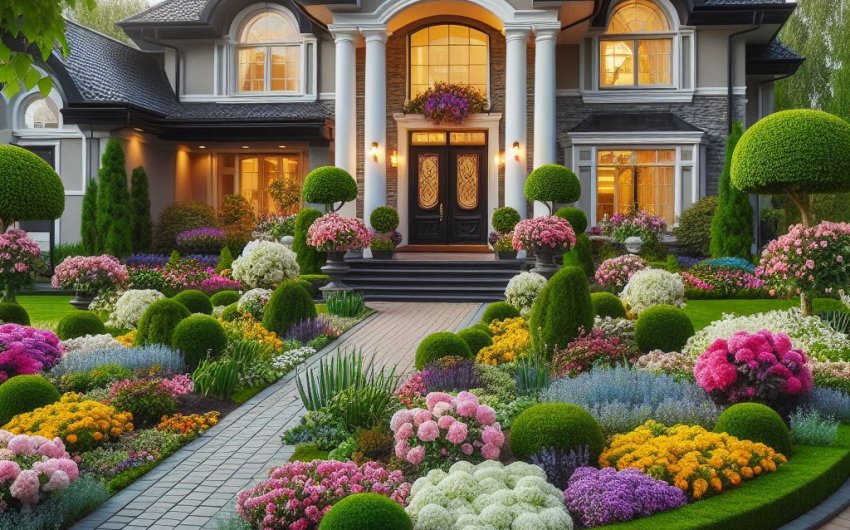
Enhancing your home's curb appeal often begins right at the front door, and there's no better way to create a captivating first impression than with thoughtfully designed flower beds. These vibrant garden spaces can transform a plain exterior into a welcoming masterpiece, reflecting your personal style and adding beauty to your neighborhood. Let's explore fifteen inspiring flower bed ideas to help you craft an elegant and inviting entryway.
What Are the Key Considerations Before Designing Your Front Flower Beds?
Before you dig in, a little planning can go a long way. Thinking about these essential factors will help you choose the right plants and design for a stunning, thriving front yard flower bed.
How Much Sun Does Your Area Get?
Understanding your sunlight exposure is the most crucial step. Different plants have different light requirements.
- Full Sun: Areas that receive 6 or more hours of direct sunlight per day. Many popular flowering plants thrive here.
- Partial Sun/Partial Shade: Areas that get 3-6 hours of direct sun, often in the morning or late afternoon, with some shade during the hottest part of the day.
- Full Shade: Areas that receive less than 3 hours of direct sun per day, or dappled light throughout the day. Knowing this will narrow down your plant choices significantly and prevent disappointment. A sunny south-facing spot will be very different from a shaded north-facing one.
What Kind of Soil Do You Have?
Good soil is the foundation of healthy plants. Most garden plants prefer well-draining soil rich in organic matter.
- Test Your Soil: You can buy a simple soil test kit to check your soil's pH level (acidity/alkalinity) and nutrient content. This will tell you what amendments, if any, your soil needs. A basic soil test kit can provide valuable information.
- Improve Drainage: If your soil is heavy clay and retains too much water, amend it with organic matter like compost, peat moss, or sand to improve drainage and aeration.
- Enrich Nutrients: If your soil is sandy or poor, adding compost or well-rotted manure will boost its fertility.
What is Your Local Climate and Hardiness Zone?
Your USDA Plant Hardiness Zone tells you which plants are likely to survive the winter in your area. This information is based on the average annual extreme minimum winter temperature.
- Know Your Zone: Look up your zone online. This helps you select perennials (plants that return year after year) that can withstand your local winters. Annuals (plants that complete their life cycle in one season) are chosen for seasonal color and don't typically return.
- Consider Microclimates: Even within your yard, some spots might be warmer or colder due to house walls, fences, or pavement.
What is Your Overall House Style?
Your flower beds should complement the architectural style of your home, enhancing its beauty rather than clashing with it.
- Formal Homes (e.g., Colonial, Georgian): Lean towards structured, symmetrical beds with classic, tidy plants. Consider clipped boxwoods, roses, and hydrangeas.
- Cottage Homes (e.g., Victorian, Craftsman): Embrace a more informal, abundant look with a mix of diverse plants, overflowing beds, and varied textures. Think hollyhocks, delphiniums, and rambling roses.
- Modern Homes (e.g., Mid-century, Contemporary): Opt for clean lines, minimalist plantings, and architectural plants. Ornamental grasses, succulents, and plants with strong forms work well.
- Rustic/Farmhouse Homes: Focus on natural materials, informal plantings, and perhaps native species. Sunflowers, coneflowers, and daisies fit this theme.
How Much Maintenance Are You Willing to Do?
Be honest with yourself about the time and effort you're willing to put into your flower beds.
- Low Maintenance: Choose hardy, drought-tolerant plants, perennials over annuals, and incorporate mulch to suppress weeds and retain moisture. Consider plants that don't require frequent deadheading (removing spent blooms).
- Moderate Maintenance: You might enjoy a mix of annuals and perennials, regular deadheading for more blooms, and perhaps a bit more watering.
- High Maintenance: This might involve complex seasonal plantings, intricate pruning, or plants with very specific care requirements. There is no right or wrong, only what suits your lifestyle.
Which Are the 15 Stunning Flower Bed Ideas for the Front of Your House?
Here are fifteen diverse and inspiring concepts to help you design a beautiful and welcoming front garden.
1. The Classic Layered Look
This idea focuses on creating depth and visual interest by arranging plants of different heights.
- Design: Place the tallest plants at the back, medium-height plants in the middle, and short, sprawling plants or groundcovers at the front. This creates a natural slope, allowing all plants to be seen.
- Plants to Use:
- Back (Tall): Delphiniums, foxgloves, tall ornamental grasses, hollyhocks, climbing roses on a trellis.
- Middle (Medium): Echinacea (coneflowers), hydrangeas, daylilies, salvias, penstemons.
- Front (Short/Edging): Lamb's Ear, sedum 'Autumn Joy', impatiens (shade), petunias (sun), sweet alyssum.
- Why It Works: It creates a lush, full appearance and ensures every plant gets sunlight. A classic choice for front yard landscaping.
2. Vibrant Seasonal Color Burst
Perfect for homeowners who love to switch up their display with the seasons, providing continuous visual impact.
- Design: Dedicate areas for annuals that can be easily changed out with each season. This allows for bold, ever-changing bursts of color.
- Plants to Use:
- Spring: Pansies, violas, tulips, daffodils, hyacinths.
- Summer: Petunias, marigolds, zinnias, impatiens (shade), calibrachoa.
- Fall: Mums, asters, ornamental kale, pansies for cool-season color.
- Why It Works: Offers dynamic change and keeps your front yard feeling fresh and exciting throughout the year.
3. Elegant Monochromatic Theme
Choosing a single color palette (or shades within one color) creates a sophisticated and cohesive look.
- Design: Select flowers and foliage primarily in one color, such as all white, all purple, or various shades of blue. This provides a sense of calm and elegance.
- Plants to Use (Example: White Garden): White roses, white hydrangeas, white impatiens, white petunias, dusty miller (silver foliage), variegated hostas.
- Why It Works: It offers a refined, minimalist aesthetic that can make a powerful statement.
4. Welcoming Cottage Garden Style
Embrace an informal, abundant look with a charming mix of old-fashioned flowers.
- Design: Focus on densely planted beds with a mix of heights, textures, and a relaxed, slightly wild feel. Pathways or stepping stones can weave through the beds.
- Plants to Use: Roses, lavender, phlox, coneflowers, daisies, delphiniums, lupines, cosmos, snapdragons, and climbing plants on trellises.
- Why It Works: Creates a whimsical, inviting atmosphere that feels cozy and lived-in.
5. Drought-Tolerant Desert Bloom
Ideal for arid climates or for those seeking a low-maintenance flower bed option.
- Design: Use succulents, cacti, and other plants that thrive in dry conditions. Incorporate decorative rocks, gravel, and perhaps some sculptural elements.
- Plants to Use: Sedum, Hens and Chicks (Sempervivum), Yucca, Agave, certain ornamental grasses, Lavender, Russian Sage.
- Why It Works: Extremely water-wise and can provide striking textures and forms even with minimal rain.
6. Architectural Statement Bed
Focus on plants with strong forms and bold foliage for a modern, impactful look.
- Design: Use fewer, larger plants that have distinct shapes or dramatic foliage. Repeat plants for a cohesive, minimalist feel.
- Plants to Use: Ornamental grasses (e.g., Pampas Grass, Karl Foerster Feather Reed Grass), Agave, Yucca, Phormium (New Zealand Flax), upright Sedum varieties.
- Why It Works: Creates a sophisticated, contemporary aesthetic that draws the eye with its clean lines and dramatic shapes.
7. Fragrant Entryway Garden
Appeal to more than just the eyes by incorporating plants with beautiful scents.
- Design: Place fragrant plants near walkways, seating areas, or directly by the front door where their scents can be most appreciated.
- Plants to Use: Lavender, Roses, Jasmine (climbing), Gardenias, Sweet Alyssum, Heliotrope, certain types of lilies.
- Why It Works: Creates a multi-sensory experience, making your entry even more inviting and memorable.
8. Edible Flower Bed
Combine beauty with utility by growing beautiful plants that are also edible.
- Design: Mix traditional flowers with edible flowers and herbs. This can be a fun and practical way to use your front garden.
- Plants to Use: Nasturtiums (flowers and leaves edible), Pansies and Violas (flowers edible), Borage (flowers edible), Marigolds (certain varieties, petals edible), various herbs like Lavender, Rosemary, Thyme, and Basil (flowers often edible too).
- Why It Works: Adds a unique talking point and provides fresh ingredients for your kitchen.
9. Raised Flower Beds
Elevating your garden beds adds visual interest, makes gardening easier, and defines the space.
- Design: Construct a raised bed using materials like wood, stone, brick, or composite lumber. Fill with a good quality soil mix. This can be a great option for areas with poor native soil. A cedar raised garden bed can add rustic charm.
- Plants to Use: Almost any plant can thrive in a raised bed, giving you immense flexibility. Consider trailing plants to spill over the sides.
- Why It Works: Provides better drainage, warms soil faster in spring, reduces bending/kneeling, and creates a neat, contained look.
10. Border Defined by Edging
Crisp, clean edges instantly elevate the look of any flower bed.
- Design: Use a defined border material to separate your flower bed from the lawn or walkway. Options include brick, stone, metal edging, or even a low hedge of plants.
- Materials to Use:
- Brick or Stone Edging: Classic and durable, adds a formal touch.
- Metal Edging: Creates a very clean, thin line, subtle and modern.
- Plastic/Rubber Edging: More affordable, flexible for curves, but less durable over time.
- Living Edge (e.g., Boxwood, Liriope): A small, tidy hedge of plants creates a soft, natural border.
- Why It Works: Provides a finished, professional look and helps contain mulch and soil, preventing it from spilling onto pathways.
11. Foundation Planting with Purpose
Flower beds around the foundation of your house can soften lines and provide year-round interest.
- Design: Choose a mix of evergreen shrubs, smaller trees, and flowering perennials or annuals. Consider the mature size of plants to avoid overcrowding and ensure they don't grow too tall to block windows or overwhelm the house.
- Plants to Use:
- Evergreens: Dwarf conifers, boxwood, small rhodendrons, azaleas (for winter structure).
- Perennials: Hostas (shade), daylilies, hydrangeas, sedum, heuchera.
- Seasonal Color: Add annuals for pops of color.
- Why It Works: Ties the house to the landscape, provides year-round structure, and softens the transition from hard architecture to soft plantings.
12. Pollinator Paradise
Design your flower beds to attract bees, butterflies, and hummingbirds, adding life and movement.
- Design: Focus on native plants and varieties known to attract pollinators. Include plants with different bloom times to provide nectar and pollen throughout the seasons. Plant in drifts to make it easier for pollinators to find them.
- Plants to Use: Echinacea (coneflowers), Bee Balm (Monarda), Milkweed (for Monarchs), Lavender, Salvias, Penstemons, Zinnias, Sunflowers, Butterfly Bush (Buddleia). Consider plants that offer varying heights.
- Why It Works: Supports local ecosystems, adds dynamic beauty with the movement of pollinators, and creates a lively, natural feel. A bird feeder can also attract additional wildlife.
13. Night Garden Oasis
Create a magical experience after dusk with plants that are fragrant or glow in the moonlight.
- Design: Focus on plants with white or pale-colored flowers that reflect moonlight, and those with strong evening fragrances. Add subtle lighting.
- Plants to Use: White petunias, Moonflower (Ipomoea alba), Nicotiana (Flowering Tobacco), Evening Primrose, White Rose varieties, Gardenia, Jasmine.
- Why It Works: Provides beauty and sensory delight during evening hours, perfect for enjoying from a porch or window.
14. Evergreen Structure with Seasonal Accents
This idea combines the reliability of evergreens with the changing beauty of seasonal flowers.
- Design: Use low-growing evergreen shrubs or groundcovers as the backbone of your bed, providing structure and color year-round. Then, interplant with annuals or perennials that provide seasonal bursts of color.
- Plants to Use:
- Evergreen Base: Boxwood, Dwarf Nandina, Liriope, creeping junipers, Vinca minor (periwinkle).
- Accents: Seasonal annuals like impatiens, petunias, pansies; or flowering perennials like daylilies, hostas, coneflowers.
- Why It Works: Offers low-maintenance year-round appeal while still allowing for dynamic seasonal changes and vibrant blooms.
15. The Statement Container Garden
If you have limited space or want ultimate flexibility, large containers can create impactful "flower beds."
- Design: Use oversized pots, troughs, or tiered planters. Arrange them in groupings for a strong visual statement. Focus on the "thriller, filler, spiller" concept (a tall central plant, bushy plants to fill, and trailing plants to spill over the sides).
- Containers to Use: Large ceramic pots, whiskey barrels, galvanized tubs, elevated planter boxes. Make sure they have drainage holes.
- Plants to Use: Caladiums (thriller/filler), Geraniums (thriller/filler), Begonias (filler/spiller), Sweet Potato Vine (spiller), Million Bells (Calibrachoa - filler/spiller), Coleus (filler).
- Why It Works: Incredibly versatile, allows for easy changes, and is ideal for patios, small front yards, or to add portable bursts of color wherever needed. A large planter pot can become a focal point.
What Are Essential Tips for Creating and Maintaining Your Flower Beds?
Beyond the design ideas, some practical advice will ensure your flower beds flourish and remain a source of pride.
How Do You Prepare the Soil for New Beds?
Proper soil preparation is key for long-term plant health.
- Clear the Area: Remove any existing weeds, grass, or debris. Dig down at least 6-8 inches.
- Loosen the Soil: Break up any compacted soil with a garden fork or shovel.
- Add Organic Matter: Mix in a generous amount of compost, aged manure, or other organic matter. This improves soil structure, drainage, and fertility. Aim for a mix that is about 1/3 organic matter. A good bag of organic compost can make a huge difference.
What is the Best Way to Plant?
- Dig the Right Size Hole: Dig a hole twice as wide as the plant's root ball and just as deep.
- Loosen Roots: Gently tease apart the roots, especially if they are circling the pot.
- Plant at Correct Depth: Place the plant so the top of its root ball is level with the surrounding soil. For trees and shrubs, the root flare (where roots spread from the trunk) should be visible at or slightly above ground level.
- Backfill and Water: Backfill with your prepared soil, gently firming it around the roots to remove air pockets. Water thoroughly immediately after planting.
Why is Mulching So Important?
Mulch is a game-changer for flower bed maintenance.
- Weed Suppression: A 2-3 inch layer of mulch blocks sunlight, preventing most weed seeds from germinating.
- Moisture Retention: Mulch helps the soil retain moisture, reducing the need for frequent watering.
- Temperature Regulation: It insulates the soil, keeping it cooler in summer and warmer in winter.
- Soil Improvement: Organic mulches (like shredded bark or compost) break down over time, adding nutrients to the soil.
- Aesthetics: Mulch gives your beds a finished, tidy appearance. Choose an organic shredded bark mulch for best results.
How Often Should You Water Your Flower Beds?
- Deep and Infrequent: It's better to water deeply and less often than to water lightly and frequently. This encourages roots to grow deeper, making plants more drought-tolerant.
- Check Soil Moisture: Stick your finger into the soil. If the top 1-2 inches are dry, it's time to water.
- Consider Plant Needs: Some plants are thirstier than others. Adjust based on plant type, weather, and soil. Drip irrigation or a soaker hose can deliver water efficiently directly to the roots.
What About Fertilizing and Pruning?
- Fertilizing: Most flower beds benefit from a balanced granular slow-release fertilizer in spring, or a liquid feed every few weeks for heavy bloomers (like annuals). Always follow package directions.
- Deadheading: Removing spent blooms (deadheading) encourages many flowering plants to produce more flowers and keeps the bed looking tidy.
- Pruning: Prune shrubs and perennials as needed to maintain shape, remove dead or diseased branches, and encourage bushier growth.
How Do You Manage Pests and Diseases?
- Regular Inspection: Check your plants regularly for any signs of pests (holes, sticky residue, visible insects) or diseases (spots, mildew, wilting).
- Good Cultural Practices: Healthy plants are more resistant. Provide good air circulation, proper watering, and healthy soil.
- Organic Solutions: For most issues, start with organic pest control methods like hand-picking pests, using insecticidal soap, or neem oil spray. Identify the specific problem before applying any treatment. A natural neem oil spray can be effective for many common pests.
By applying these ideas and tips, you can confidently craft a truly elegant and inviting flower bed that makes the front of your house a stunning visual delight.