
The Aromatic Appeal of Guava Blooms: An Insight into Guava Tree Flowering
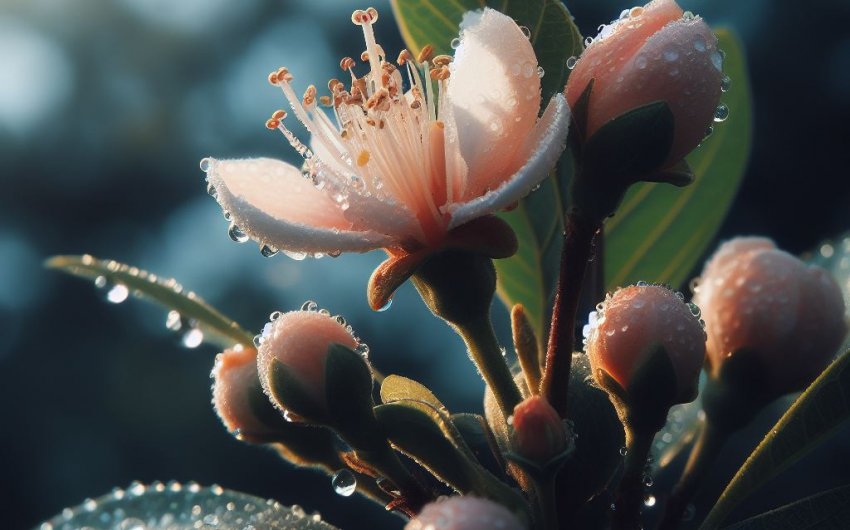
The aromatic appeal of guava blooms is a delightful prelude to the sweet, exotic fruit that follows, marking a crucial stage in the guava tree flowering cycle. These subtle yet fragrant flowers are essential for successful fruit production and signal a healthy, thriving tree. Understanding this flowering process helps gardeners optimize conditions for a bountiful harvest.
What Do Guava Tree Flowers Look Like?
Guava tree flowers are not typically showy or brightly colored like some tropical blooms, but they possess a subtle beauty and a distinct, pleasant fragrance. Their appearance signals the beginning of the fruit-setting process in the guava tree flowering cycle.
- Size: They are relatively small, usually ranging from 1/2 to 1 inch (1.5-2.5 cm) in diameter.
- Color: The petals are typically creamy white to yellowish-white.
- Structure: Each flower usually has 4-5 petals, which can be somewhat delicate or crinkled. The most prominent feature of the guava bloom is a dense cluster of numerous long, prominent white stamens (the male reproductive parts, topped with pollen-bearing anthers) that radiate outwards from the center of the flower. These stamens give the flower a somewhat fluffy or "puffy" appearance.
- Pistil: Hidden among the stamens is a single, slender pistil (the female reproductive part), usually with a tiny, receptive stigma at its tip.
- Fragrance: One of their most delightful characteristics is their sweet, musky, slightly clove-like fragrance. This aroma is particularly noticeable when the tree is in full bloom and helps attract pollinators.
- Arrangement: Guava flowers typically appear individually or in small clusters of 2-3 in the leaf axils (where the leaf meets the stem) on new growth (current season's shoots).
- Short-Lived: Individual guava flowers are relatively short-lived, often opening for only a day or two before the petals drop, leaving behind the developing ovary (which will become the fruit).
The unassuming beauty and aromatic appeal of guava blooms make them a charming and vital component of a productive guava tree.
When Do Guava Trees Typically Bloom?
Guava trees typically bloom during their active growing season, and the exact timing can vary significantly based on the climate zone, specific guava variety, and the maturity of the tree. The presence of these flowers is the first step toward the guava tree flowering cycle.
- Tropical Climates (USDA Zones 10-11):
- In truly tropical regions with consistent warmth and moisture, guava trees can bloom almost continuously or multiple times throughout the year. They often have a main flowering flush after periods of rain or just as the dry season begins, followed by lighter, intermittent blooms.
- This continuous flowering leads to multiple harvests throughout the year.
- Subtropical or Warm Temperate Climates (USDA Zones 9a-10a, or Container Grown):
- In these zones, guava trees usually have a more defined flowering season, typically from late spring through summer (e.g., April to August).
- Flowering is usually triggered by warming temperatures and increasing daylight hours after the cooler winter months.
- They might produce one or two main flushes of blooms during this period, leading to a concentrated harvest.
- Tree Maturity:
- Young Trees: Guava trees grown from seed can take 3-8 years to bloom and produce fruit. Grafted or air-layered trees typically bloom much sooner, often within 1-3 years.
- Established Trees: Once established, healthy guava trees will bloom reliably each year during their appropriate season.
- Fruiting on New Growth:
- A key characteristic of guava tree flowering is that flowers and subsequent fruit are almost always produced on new growth (shoots from the current season). This is an important consideration for pruning.
- Environmental Triggers:
- Beyond general warmth, sometimes a period of slight drought stress followed by ample watering can trigger a flush of blooms. However, severe drought stress is detrimental.
Monitoring your specific tree and local climate will give you the best indication of when your guava trees will typically bloom, allowing you to anticipate the aromatic appeal of guava blooms and prepare for an upcoming harvest.
How Long Do Guava Flowers Last?
Individual guava flowers typically last for a very short period, usually only 1 to 2 days from opening to petal drop. Despite their brief individual lifespan, the overall guava tree flowering season can extend for several weeks or even months due to continuous production of new blooms.
- Rapid Development: Once a guava flower opens, its primary purpose is pollination. The petals quickly serve their function of attracting pollinators and then senesce (wither) and fall off.
- Stamen and Pistil Activity: During this short window, the anthers release pollen, and the stigma is receptive to receiving pollen, maximizing the chance of fertilization.
- Ovary Development: If successful pollination and fertilization occur, the ovary at the base of the pistil will begin to swell, marking the very early stage of fruit development, even as the petals drop.
- Extended Bloom Season: Even though individual flowers are ephemeral, a healthy, mature guava tree produces flowers in flushes. This means that throughout its designated blooming season, you'll continuously see new flowers opening and older ones falling, giving the impression of a longer blooming period. This sequential blooming ensures a continuous supply of pollen and nectar for pollinators and potentially a staggered harvest of fruit.
- Factors Affecting Longevity: Extreme heat, heavy rain, or strong winds can sometimes shorten the lifespan of individual flowers or cause them to drop prematurely.
So, while you might only enjoy the aromatic appeal of guava blooms on a single flower for a day or two, the tree itself can provide a delightful display over an extended period.
What is the Role of Pollination in Guava Tree Flowering and Fruiting?
Pollination plays a crucial role in guava tree flowering and fruiting, as it is the essential biological process that enables the transfer of pollen from the male parts of a flower to the female parts, leading to fertilization and the development of the guava fruit. Without successful pollination, fruit production will be sparse or non-existent.
- Self-Pollination vs. Cross-Pollination:
- Self-Fertile: Most common guava varieties are considered self-fertile (or self-pollinating). This means a single guava tree can produce fruit even if it's the only guava tree around, as its flowers contain both male (stamens) and female (pistil) reproductive parts, and it can fertilize itself.
- Improved Yield with Cross-Pollination: While self-fertile, guava trees often produce better yields and sometimes larger or more flavorful fruit if they are cross-pollinated by another genetically different guava tree. Planting two or more varieties can significantly enhance productivity.
- Pollinators are Key:
- Even though self-fertile, guavas benefit greatly from insect pollination. The pollen is heavy and sticky, making wind pollination less effective.
- Bees (honey bees, native bees) are the primary pollinators for guava flowers. They are attracted by the flowers' white color and sweet, musky fragrance.
- Other insects like flies can also contribute to pollination.
- The Process:
- Pollen Transfer: When a bee visits a guava flower to collect nectar and pollen, pollen grains from the stamens (male parts) of that flower (or another flower) stick to the bee's hairy body.
- Stigma Reception: As the bee moves around the same flower or to another flower, some of these pollen grains are transferred to the sticky stigma (the receptive tip of the pistil, the female part).
- Fertilization: If compatible pollen lands on the stigma, it germinates, sending a pollen tube down to the ovule, where fertilization occurs.
- Fruit Development: After fertilization, the flower's ovary (which contains the ovules) begins to swell and develop into the guava fruit. Unfertilized flowers will simply drop off.
- Factors Affecting Pollination:
- Pollinator Activity: Lack of pollinators (due to pesticide use, cold weather, or scarcity) can reduce fruit set.
- Weather: Heavy rain during bloom can wash away pollen or deter pollinators. Extreme heat can also impact pollen viability.
- Tree Health: A stressed tree may not produce viable pollen or receptive stigmas.
Ensuring robust pollination through a healthy bee population and proper tree care is crucial for transitioning from the aromatic appeal of guava blooms to a plentiful harvest of fruit.
Why are Guava Flowers Falling Off Without Setting Fruit?
Guava flowers falling off without setting fruit is a common issue that indicates a problem with pollination, fertilization, or underlying plant stress. While some natural flower drop is normal, excessive loss can significantly reduce your potential harvest from the guava tree flowering cycle.
Here are the primary reasons why guava flowers might drop prematurely:
- Insufficient Pollination:
- Even though guavas are largely self-fertile, they still rely on insects (primarily bees) to transfer pollen effectively.
- Lack of Pollinators: A scarcity of bees in your garden can lead to poor pollen transfer. This might be due to pesticide use, cold/rainy weather during bloom, or simply a lack of pollinator-attracting plants nearby.
- Pollen Viability/Stigma Receptivity: Extreme temperatures (too hot or too cold) can affect the viability of pollen or the receptivity of the stigma.
- Lack of Fertilization:
- Even with pollination, if the ovules within the flower are not successfully fertilized (e.g., due to unviable pollen, genetic incompatibility if not self-pollinating, or environmental factors), the flower will abort.
- Environmental Stress (Most Common Cause):
- The tree will shed flowers to conserve energy if it's experiencing significant stress.
- Water Stress: Both underwatering (drought) and overwatering (leading to root rot) are major culprits. Fluctuations in moisture are especially detrimental. Use a soil moisture meter for fruit trees to maintain consistent soil moisture.
- Nutrient Imbalance: Lack of essential nutrients (especially phosphorus or potassium, which are crucial for flowering and fruiting) or excessive nitrogen can lead to flower drop. A soil test kit for garden can identify deficiencies.
- Temperature Extremes: Sudden changes in temperature, cold snaps, or prolonged periods of intense heat can cause flowers to drop.
- Light Deficiency: Insufficient sunlight (less than 6 hours of direct sun) will reduce the tree's energy for flowering and fruiting.
- High Winds: Strong winds can physically dislodge delicate flowers.
- The tree will shed flowers to conserve energy if it's experiencing significant stress.
- Tree Maturity/Vigor:
- Young Trees: Very young guava trees might flower prematurely before they have enough energy to support fruit development, leading to natural flower drop.
- Overcropping: An overly productive tree might naturally thin its own fruit/flowers if it perceives it cannot support all of them.
- Pest or Disease Pressure:
- While less common, severe pest infestations (e.g., sap-suckers like aphids) or diseases can stress the tree enough to cause flower drop.
To mitigate guava flowers falling off without setting fruit, focus on providing optimal growing conditions, encouraging pollinators, and minimizing environmental stress throughout the guava tree flowering period.
How Can I Maximize Guava Tree Flowering and Fruit Set?
You can maximize guava tree flowering and fruit set by providing optimal growing conditions, supporting efficient pollination, and implementing specific cultural practices that encourage abundant and healthy blooms. The goal is to reduce stress and channel the tree's energy into producing more fruit.
- Provide Optimal Growing Conditions:
- Full Sun: Ensure your guava tree receives at least 6-8 hours of direct sunlight daily.
- Well-Draining Soil: Plant in slightly acidic to neutral soil (pH 5.0-7.0) that has excellent drainage. Amend heavy clay with organic compost if needed.
- Consistent Moisture: Water deeply and regularly, especially during flowering and fruit development. Use a soil moisture meter for fruit trees to prevent over or under-watering.
- Protection from Cold: In cooler zones, provide robust winter protection for in-ground trees or move container-grown guavas indoors before frost.
- Fertilize Appropriately for Fruiting:
- Soil Test: Perform a soil test kit for garden to understand specific nutrient needs.
- Balanced N-P-K: During the growing season, use a balanced fruit tree fertilizer or one with slightly higher phosphorus (P) and potassium (K) relative to nitrogen (N) (e.g., 6-2-4 or 8-8-8). Phosphorus promotes flowering, and potassium aids fruit quality.
- Micronutrients: Ensure your fertilizer includes essential micronutrients, especially iron, zinc, and manganese, as deficiencies can impact flowering.
- Avoid Excessive Nitrogen: Too much nitrogen encourages leafy growth at the expense of flowering and fruiting.
- Prune to Stimulate New Growth:
- Fruiting on New Wood: Guavas fruit on new growth. Prune your tree immediately after harvest to stimulate a flush of new lateral (side) shoots, which will bear the next season's flowers and fruit.
- Open Canopy: Prune to maintain an open canopy for good light penetration and air circulation.
- Use clean, sharp pruning shears.
- Support Pollination:
- Plant Pollinator Attractors: Plant diverse, pollinator-friendly flowers (e.g., cosmos, marigolds, dill, mints) in your garden to attract bees (the primary guava pollinators). You can find pollinator friendly flower seeds.
- Avoid Pesticides: Do not use broad-spectrum pesticides, especially during the flowering period, as they can kill beneficial pollinators. If absolutely necessary, use organic sprays like neem oil in the evening when pollinators are inactive.
- Hand Pollination (Optional): If you notice very few pollinators or poor fruit set, you can gently hand-pollinate by using a soft brush to transfer pollen from one flower to another (or within the same flower) during peak bloom.
- Plant Multiple Trees: While self-fertile, planting a second guava tree (even a different variety) can often improve cross-pollination and fruit yield.
- Manage Pests and Diseases:
- Keep your tree healthy by proactively managing common pests (e.g., fruit flies with fruit protection bags) and diseases (e.g., anthracnose) organically. A stressed tree allocates less energy to flowering.
- Patience for Young Trees:
- Allow young trees (especially those from seed) to mature. They may flower and drop fruit for a year or two before they have enough energy to support a full crop.
By diligently applying these strategies, you can significantly enhance the guava tree flowering process, leading to more flowers and a more abundant harvest of delicious homegrown guavas.
What Pests and Diseases Affect Guava Flowers and Fruit Set?
Several pests and diseases can directly affect guava flowers and fruit set, often leading to flower drop, deformed fruit, or reduced yields. Proactive identification and management are crucial for preserving the aromatic appeal of guava blooms and ensuring a successful harvest.
Pests Affecting Guava Flowers and Fruit Set:
- Fruit Flies (e.g., Oriental Fruit Fly, Mediterranean Fruit Fly):
- Damage: The female fruit fly lays eggs inside developing fruit. The larvae (maggots) hatch and feed on the fruit pulp, causing it to rot from the inside. This can lead to premature fruit drop.
- Impact on Flowers: While they don't directly damage flowers, their presence signals an impending problem for fruit set.
- Organic Control: Fruit bagging (individually bagging pea-sized fruits with paper fruit protection bags) is the most effective organic method. Sanitation (picking up fallen fruit) is also crucial. Use fruit fly traps for monitoring.
- Thrips:
- Damage: Tiny, rasping insects that feed on flower buds and young fruit, causing scarring, distortion, and browning of petals. This can lead to misshapen fruit or flower drop.
- Impact on Flowers: Direct damage to the reproductive parts can reduce successful pollination and fertilization.
- Organic Control: Use blue sticky traps for thrips for monitoring. Apply neem oil spray or insecticidal soap thoroughly, targeting new growth and flowers in the evening.
- Aphids and Whiteflies:
- Damage: These sap-sucking insects feed on new growth, stems, and sometimes flower buds. Severe infestations can weaken the tree, causing nutrient stress, flower drop, or stunted fruit development.
- Impact on Flowers: Indirectly affect flowering by stressing the plant, but can also cause bud malformation.
- Organic Control: Hose blast, hand-picking, insecticidal soap or neem oil spray. Encourage natural predators like ladybugs and lacewings.
- Scale Insects and Mealybugs:
- Damage: Sap-suckers that can debilitate the tree if infestations are severe, leading to overall decline, leaf drop, and reduced energy for flowering and fruiting.
- Impact on Flowers: Indirectly reduce flowering by stressing the tree.
- Organic Control: Dab with alcohol swabs, horticultural oil spray, or encourage parasitic wasps.
Diseases Affecting Guava Flowers and Fruit Set:
- Anthracnose (Colletotrichum gloeosporioides):
- Damage: This is a major fungal disease for guava. It causes dark, sunken lesions on fruits, blights on flowers, leaf spots, and dieback of twigs. Infected flowers may turn black and drop prematurely, leading to significant fruit loss.
- Impact on Flowers: Directly attacks and destroys flowers, preventing fruit set.
- Organic Control:
- Sanitation: Remove and dispose of all infected fruit, leaves, and twigs. Sterilize pruning tools.
- Air Circulation: Prune to maintain an open canopy.
- Water Management: Water at the base of the tree. Avoid overhead watering, especially in humid conditions.
- Copper-Based Fungicides: Apply organic copper-based fungicides as a preventative spray, especially during periods favorable for disease (warm, wet weather).
- Root Rot (Various Fungi/Oomycetes):
- Damage: Caused by fungi in waterlogged soil. Roots turn mushy and black, preventing water and nutrient uptake. Above-ground symptoms include wilting, yellowing, and overall decline, which will severely impact flowering and fruit set.
- Impact on Flowers: Indirectly but severely reduces flowering by killing the tree's root system.
- Organic Control: Crucial: Improve drainage! Plant in well-draining soil or raised beds. Avoid overwatering. Repot affected container plants in fresh, well-draining mix after trimming diseased roots.
- Algal Leaf Spot:
- Damage: Appears as greenish-gray, velvety spots on leaves, sometimes with a reddish-brown border. While rarely fatal, severe infestations can reduce photosynthetic capacity, indirectly affecting flowering.
- Organic Control: Improve air circulation. Apply copper-based fungicides if persistent.
By understanding these potential threats and implementing proactive organic management strategies, you can protect the aromatic appeal of guava blooms and ensure a productive guava tree flowering cycle, leading to a bountiful harvest.