
The Science of Decomposition: Unpacking the Composting Process
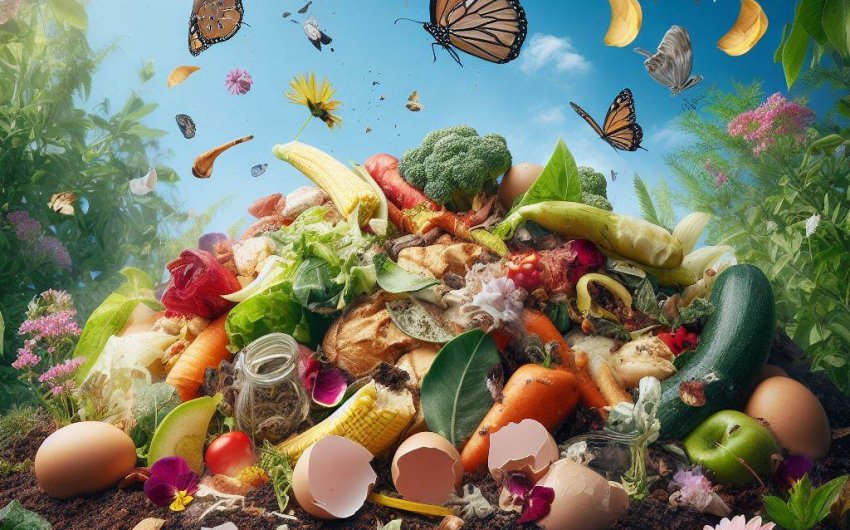
The science of decomposition is a fascinating natural process where organic matter breaks down into simpler substances, making it the fundamental principle behind successful composting. Unpacking the composting process reveals a complex interplay of microorganisms, temperature, moisture, and aeration, all working together to transform waste into nutrient-rich soil amendment. Understanding these scientific elements empowers you to create high-quality compost efficiently.
What is Decomposition and How Does it Relate to Composting?
Decomposition is the natural process where organic matter breaks down into simpler substances, facilitated by living organisms like bacteria, fungi, and invertebrates, returning nutrients to the ecosystem. Composting is essentially an accelerated, managed form of this natural decomposition, intentionally creating ideal conditions to speed up the breakdown of organic waste into valuable humus.
- Decomposition (Natural Process):
- Mechanism: In nature, when plants or animals die, their organic material is broken down by decomposers (primarily microbes). This happens constantly in forests, fields, and oceans.
- Role: It recycles nutrients, making them available for new life, and forms humus, which improves soil structure.
- Rate: Can be slow and passive, depending on natural conditions (e.g., a log decomposing in a forest).
- Outputs: Returns carbon dioxide to the atmosphere, releases water, and creates nutrient-rich organic matter.
- Composting (Managed Decomposition):
- Mechanism: Composting is a human-directed process that aims to optimize the conditions for decomposers. Gardeners deliberately mix organic "greens" and "browns," manage moisture, and ensure aeration to create a hot, active environment.
- Goal: To quickly produce a stable, dark, crumbly, earthy-smelling product called compost (or humus), which is a fantastic soil amendment.
- Rate: Significantly faster than natural decomposition due to optimal conditions.
- Benefits: Reduces waste, creates nutrient-rich soil amendment, improves soil structure, suppresses plant diseases, and reduces the need for chemical fertilizers.
In essence, composting is taking control of the science of decomposition, transforming an otherwise passive natural process into an active, beneficial garden practice. By providing the right "ingredients" and environment, you become a facilitator for billions of microscopic workers.
What are the Key Players in the Composting Process?
The key players in the composting process are a diverse community of microorganisms and macroorganisms that work together in a complex food web to break down organic matter. These unsung heroes are fundamental to the science of decomposition and the transformation of waste into rich compost.
Microorganisms: The Primary Decomposers
- Bacteria (Most Important):
- Role: The most abundant and active decomposers, especially in hot composting.
- Types:
- Psychrophiles: Active in cold temperatures (below 50°F / 10°C).
- Mesophiles: Active in moderate temperatures (50-100°F / 10-38°C), initiating the composting process.
- Thermophiles: Active in high temperatures (100-160°F / 38-71°C), responsible for the "hot" phase that rapidly breaks down material and kills pathogens/weed seeds.
- Function: Consume easily digestible organic compounds like sugars, starches, and proteins, releasing heat as they metabolize.
- Fungi:
- Role: Crucial for breaking down tougher, more woody materials like cellulose and lignin that bacteria find harder to digest. They appear as white threads (hyphae) in a compost pile.
- Types: Molds, yeasts, mushrooms.
- Function: Decompose complex carbohydrates, active in all temperature ranges, especially important in the later, cooler stages of composting.
- Actinomycetes:
- Role: A type of bacteria that often look like fungi (thread-like growth). They are responsible for the characteristic earthy smell of finished compost.
- Function: Also break down tough, resistant materials, similar to fungi.
Macroorganisms: The Shredders and Aerators
- Earthworms:
- Role: Critical for aerating the pile, mixing materials, and breaking down larger pieces into smaller, more digestible forms. They consume organic matter and excrete nutrient-rich castings.
- Types: Red wigglers (Eisenia fetida) are particularly good for vermicomposting and active compost piles.
- Mites:
- Role: Feed on fungi, other mites, and small organic particles.
- Springtails:
- Role: Feed on fungi, algae, and decaying organic matter. Help break down particles.
- Beetles (various types, e.g., Rove Beetles, Predatory Beetles):
- Role: Feed on other insects, larvae, and decaying matter.
- Ants:
- Role: Help aerate the pile and carry organic matter, though large populations can sometimes be a nuisance.
- Sowbugs/Pillbugs:
- Role: Feed on decaying plant matter, further shredding materials.
- Centipedes/Millipedes:
- Role: Centipedes are predators, millipedes feed on decaying matter.
All these key players work in concert, creating a dynamic ecosystem that efficiently orchestrates the science of decomposition, turning your organic waste into valuable compost.
What Are the Essential Ingredients for Successful Composting?
The essential ingredients for successful composting are a balanced blend of carbon-rich materials ("browns"), nitrogen-rich materials ("greens"), sufficient moisture, and adequate oxygen. These four elements are fundamental to fueling the microbial activity that drives the composting process.
- "Browns" (Carbon-Rich Materials):
- Role: Provide the energy source for microorganisms. They are typically dry, coarse, and break down slowly. They also add bulk and create air pockets in the compost pile.
- Examples: Dry leaves, shredded paper (non-glossy), cardboard (shredded), straw, wood chips, sawdust (untreated wood), pine needles, dried plant stalks.
- "Greens" (Nitrogen-Rich Materials):
- Role: Provide the protein (nitrogen) necessary for microorganisms to grow and reproduce. They are typically moist and break down quickly.
- Examples: Fresh grass clippings, kitchen scraps (fruit and vegetable peels, coffee grounds, tea bags), green plant trimmings, fresh manure (from herbivores).
- Water (Moisture):
- Role: Essential for all microbial activity. Microorganisms live in a thin film of water around organic particles.
- Ideal Consistency: The compost pile should feel like a damp, wrung-out sponge – moist but not soggy.
- Too Dry: Decomposition slows or stops.
- Too Wet: Becomes anaerobic (lacks oxygen), leads to foul odors, and slows decomposition.
- Monitoring: Use a compost moisture meter for accurate readings.
- Air (Oxygen):
- Role: Promotes aerobic decomposition, where oxygen-loving microorganisms efficiently break down organic matter without producing foul odors.
- Too Little Air: Leads to anaerobic decomposition, which is slow and produces unpleasant smells (like rotten eggs or ammonia).
- Solution: Regular turning or tumbling of the compost pile to introduce oxygen.
Optimal Ratio (C:N Ratio):
- The ideal carbon-to-nitrogen (C:N) ratio for composting is roughly 25-30 parts carbon to 1 part nitrogen (25-30:1).
- Practical Application: Aim for a volume ratio of roughly 2-3 parts browns for every 1 part greens. This general guideline often achieves the scientific C:N balance.
- Balance is Key: Too many greens can make the pile wet and smelly. Too many browns can make it dry and slow.
By carefully managing these essential ingredients, you create the perfect environment for the microbes to flourish, ensuring an efficient and odor-free composting process that embodies the best of the science of decomposition.
What are the Different Phases of the Composting Process?
The composting process unfolds in distinct phases, each characterized by specific microbial activity and temperature ranges, which are crucial aspects of the science of decomposition. Understanding these phases helps you manage your compost pile effectively and know when your compost is ready.
- Mesophilic Phase (Initial Breakdown):
- Temperature Range: Begins at ambient temperatures and gradually rises to 50-100°F (10-38°C).
- Microorganisms: Dominated by mesophilic bacteria and fungi.
- Activity: These organisms begin to break down the easily digestible compounds (sugars, starches, proteins) in the fresh organic matter. They are the "warm-up crew."
- Duration: Lasts for a few days to a week. The heat generated by their activity starts to raise the pile's temperature.
- Thermophilic Phase (Hot Composting):
- Temperature Range: The most active phase, with temperatures rapidly rising to 100-160°F (38-71°C), sometimes even higher. This is the "hot" phase. You can monitor this with a compost thermometer.
- Microorganisms: Dominated by thermophilic bacteria and actinomycetes. These heat-loving microbes are incredibly efficient.
- Activity: They aggressively break down more complex organic materials. The high temperatures are crucial because they:
- Accelerate Decomposition: Speeds up the entire process significantly.
- Kill Pathogens: Destroy most disease-causing bacteria and fungi.
- Kill Weed Seeds: Incapacitate many weed seeds, preventing them from germinating in your garden.
- Duration: Can last from a few days to several weeks, depending on the pile's size, composition, and management (e.g., turning). The pile will eventually cool as easily digestible materials are consumed.
- Curing/Maturation Phase (Cooling and Refinement):
- Temperature Range: Temperatures gradually drop back down to ambient levels, typically below 100°F (38°C).
- Microorganisms: Mesophilic bacteria and fungi become active again, along with other macroorganisms like earthworms, sowbugs, and mites.
- Activity: This is a stabilization and refinement phase. The remaining complex organic materials are further broken down, and the compost "matures." It becomes more stable, and its beneficial compounds (like humic acids) develop.
- Outputs: The compost develops its characteristic dark color, earthy smell, and crumbly texture.
- Duration: Can take several weeks to several months. This phase is essential for producing high-quality, stable compost that won't harm plants when applied.
Understanding these distinct phases allows gardeners to effectively manage their compost pile, knowing when to turn it, add moisture, and when the valuable end product is finally ready for use. It's a testament to the dynamic science of decomposition.
What is the Role of Temperature and Moisture in Hot Composting?
The role of temperature and moisture in hot composting is absolutely critical, acting as the primary drivers and regulators of microbial activity within the compost pile. Achieving and maintaining optimal levels of both transforms slow, cold decomposition into a rapid, efficient composting process that embodies the best of the science of decomposition.
Temperature: The Accelerator and Sterilizer
- Microbial Metabolism: The heat in a compost pile is generated by the metabolic activity of thermophilic bacteria (heat-loving microbes) as they break down organic matter.
- Optimal Range for Hot Composting: The ideal temperature range for rapid, hot composting is 130-160°F (55-71°C).
- Below 130°F: Decomposition is slower, primarily by mesophilic organisms. Weed seeds and pathogens are less likely to be killed.
- Above 160°F: Can become too hot, potentially killing beneficial thermophilic bacteria and causing the pile to "burn out" prematurely. It can also lead to spontaneous combustion in very large, dry piles.
- Benefits of Optimal Temperature:
- Rapid Decomposition: High temperatures significantly accelerate the rate at which organic materials break down.
- Kills Pathogens: Effective hot composting destroys most plant and human disease pathogens.
- Kills Weed Seeds: High heat is crucial for sterilizing weed seeds, preventing them from sprouting in your garden.
- Monitoring: Use a compost thermometer long stem to monitor internal temperatures.
- Maintaining Temperature: A proper C:N ratio, adequate moisture, and good aeration (turning) are essential for reaching and sustaining hot composting temperatures.
Moisture: The Lifeblood of Microbes
- Microbial Environment: Microorganisms in the compost pile are like tiny aquatic creatures; they need a thin film of water around organic particles to move, grow, and process nutrients.
- Optimal Consistency: The compost pile should feel like a damp, wrung-out sponge – consistently moist but never soggy.
- Too Dry:
- Slows/Stops Activity: Microorganisms become inactive or die off, halting decomposition.
- Prevents Heat: A dry pile cannot heat up.
- Too Wet:
- Anaerobic Conditions: Water fills all the air pockets, suffocating oxygen-loving (aerobic) microbes.
- Foul Odors: Anaerobic decomposition is slow and produces unpleasant smells (like rotten eggs or ammonia).
- Leaching: Excess water can leach nutrients out of the pile.
- Maintaining Moisture:
- Add Water: Moisten dry "browns" as you add them. Add water if the pile appears dry or isn't heating.
- Add Browns: If the pile is too wet, add more dry "browns" (shredded paper, dry leaves) to absorb excess moisture and create more air pockets.
- Protection: Cover your compost pile in very rainy climates to prevent over-saturation. In dry climates, an open pile might need more frequent watering.
The precise balance and interplay of temperature and moisture are dynamic forces that dictate the success and speed of the composting process, making them central to the science of decomposition.
What is the Role of Aeration and Turning in Composting?
The role of aeration and turning in composting is to provide a continuous supply of oxygen to the microorganisms, which is absolutely essential for aerobic decomposition – the fastest, most efficient, and odor-free method of breaking down organic matter. Without adequate aeration, the composting process stalls and becomes unpleasant.
- Oxygen for Aerobic Microbes:
- Aerobic Respiration: The primary decomposers in hot composting are aerobic microorganisms (bacteria, fungi, actinomycetes). These microbes require oxygen to metabolize organic compounds and release the energy (and heat) that drives decomposition.
- Anaerobic Conditions: Without oxygen, different microbes take over, leading to anaerobic decomposition. This process is much slower, generates little heat, and produces foul-smelling compounds like methane, hydrogen sulfide (rotten egg smell), and ammonia.
- Benefits of Aeration (Turning):
- Replenishes Oxygen: Turning the compost pile mixes the materials, allowing fresh air (and oxygen) to penetrate throughout the pile.
- Maintains High Temperatures: Oxygen fuels the aerobic microbes. Consistent oxygen supply ensures they remain highly active, keeping the pile in the optimal thermophilic (hot) phase for rapid breakdown and pathogen/weed seed destruction.
- Prevents Foul Odors: By preventing anaerobic conditions, regular turning eliminates the unpleasant smells associated with stagnant, oxygen-starved compost.
- Ensures Even Decomposition: Turning mixes the outer, cooler, drier materials with the inner, hotter, moister materials, ensuring all parts of the pile are exposed to optimal decomposition conditions.
- Breaks Down Aggregates: The physical action of turning helps to break down larger clumps and pieces of organic matter, increasing the surface area for microbial attack.
- Regulates Moisture: Turning helps to evenly distribute moisture throughout the pile. It can also help dry out an overly wet pile (by exposing more surface area to air) or identify dry spots that need watering.
How to Aerate and Turn:
- Frequency:
- Hot Composting: During the active, hot phase, aim to turn your compost pile every 1-3 days. When the temperature starts to drop after reaching its peak, turning it again will often reignite the heating process.
- Cool Composting: For slower, cooler piles, turning once a week or every few weeks is sufficient.
- Tools:
- Pitchfork: The traditional tool for turning an open compost pile.
- Compost Aerator Tool: A specialized tool that drills down into the pile and brings material up, making aeration easier without full turning. You can find compost aerator tool manual.
- Tumbling Composter: Designed specifically for easy aeration by simply rotating the barrel. You can find tumbling composters for easy turning.
- Pile Size: A pile needs a certain minimum volume (roughly 3x3x3 feet) to generate and retain heat effectively, making consistent aeration more impactful.
Consistent aeration and turning are not just chores; they are deliberate actions that directly manipulate the conditions for microbial life, accelerating the composting process and embodying the practical science of decomposition.
How Does a Compost Pile Heat Up?
A compost pile heats up due to the metabolic activity of billions of microorganisms, primarily bacteria, as they rapidly break down organic matter in the presence of oxygen and moisture. This process, known as aerobic respiration, releases significant amounts of energy in the form of heat, a fascinating part of the science of decomposition.
Here's the step-by-step process of how a compost pile generates heat:
- Initial Microbial Activity (Mesophilic Phase):
- When fresh "greens" (nitrogen-rich materials) and "browns" (carbon-rich materials) are mixed with adequate moisture and air, the naturally occurring mesophilic bacteria (which thrive in moderate temperatures, 50-100°F / 10-38°C) begin to feed.
- They start consuming the most easily digestible compounds like sugars, starches, and simple proteins.
- Their rapid metabolism releases energy, gradually increasing the internal temperature of the pile.
- Transition to Thermophilic Phase:
- As the temperature of the compost pile rises above 100°F (38°C), the mesophilic bacteria start to die off or become less active.
- This allows thermophilic bacteria (heat-loving microbes) to take over. These specialized bacteria are incredibly efficient at breaking down more complex organic materials.
- Intense Heat Generation (Thermophilic Phase):
- The thermophilic bacteria rapidly multiply and actively metabolize the organic matter, consuming oxygen and releasing a large amount of heat as a byproduct of their metabolic processes.
- This is the "hot composting" phase, where temperatures can quickly reach 130-160°F (55-71°C).
- The contained mass of the compost pile acts as an insulator, trapping this heat within, which further accelerates microbial activity.
- Factors Influencing Heat Production:
- C:N Ratio: An optimal carbon-to-nitrogen ratio (25-30:1) provides the perfect balance of energy (carbon) and building blocks (nitrogen) for microbial growth, leading to efficient heat production. Too much nitrogen (greens) can lead to ammonia odors, too much carbon (browns) slows it down.
- Moisture: Microbes need water. A damp sponge consistency ensures they can move and function effectively. A dry pile won't heat up. An overly wet pile becomes anaerobic and cools down.
- Aeration: Oxygen is essential for aerobic thermophiles. Regular turning replenishes oxygen, keeping the microbes active and the pile hot. Lack of oxygen causes the pile to cool.
- Pile Size: A compost pile needs a minimum volume (e.g., 3x3x3 feet or 1 cubic meter) to achieve and retain sufficient heat. Smaller piles lose heat too quickly.
- Cooling Down (Curing Phase):
- Once the easily digestible materials are consumed, and the thermophilic bacteria run out of "food," their activity slows down, and the pile gradually cools back to ambient temperatures.
- At this point, mesophilic organisms and macroorganisms take over to continue the slower, final stages of maturation.
Understanding how a compost pile heats up is crucial for managing the composting process to achieve rapid decomposition, kill pathogens, and produce high-quality compost.
How Can I Speed Up the Composting Process?
You can speed up the composting process by actively optimizing the four key conditions for microbial activity: the carbon-to-nitrogen ratio, particle size, moisture, and aeration. Accelerating the science of decomposition ensures you get finished compost faster for your garden.
- Achieve the Ideal Carbon-to-Nitrogen (C:N) Ratio:
- Balance is Key: Aim for roughly 2-3 parts "browns" (carbon-rich) to 1 part "greens" (nitrogen-rich) by volume.
- Too Many Greens: Leads to a wet, dense, smelly, anaerobic pile that loses heat. Add more browns.
- Too Many Browns: Leads to a dry, slow, cool pile. Add more greens and water.
- Action: Stockpile browns so you can always add them when you have fresh greens.
- Chop and Shred Materials into Smaller Pieces:
- Increased Surface Area: Microorganisms work by consuming organic matter from its surface. The smaller the particle size (ideally 1-2 inches), the greater the total surface area exposed to microbial attack, and the faster decomposition occurs.
- Action: Chop kitchen scraps, shred leaves, or use a garden shredder for yard waste.
- Maintain Consistent Moisture (Damp Sponge):
- Microbial Lifeblood: The compost pile needs to be consistently moist, like a wrung-out sponge.
- Action: Add water if the pile is dry. If too wet, add more dry browns. Monitor with a compost moisture meter.
- Provide Ample Aeration (Frequent Turning):
- Oxygen is Fuel: Aerobic microbes need oxygen. Regular turning replenishes this oxygen, prevents anaerobic conditions, and helps maintain high temperatures.
- Action: Turn the compost pile every 1-3 days during the active (hot) phase. For tumblers, spin it daily. A compost aerator tool can help for static piles.
- Ensure Critical Mass (Pile Size):
- Heat Retention: A compost pile needs to be large enough (ideally at least 3x3x3 feet or 1 cubic meter) to generate and retain sufficient heat for rapid thermophilic decomposition. Smaller piles lose heat too quickly.
- Introduce a "Starter" (Optional but Helpful):
- A handful of active garden soil or finished compost, or a commercially available compost starter, can introduce a fresh batch of beneficial microorganisms to kickstart the process.
By diligently managing these factors, you create an optimal environment for microbial activity, significantly accelerating the composting process and allowing you to harvest nutrient-rich compost much faster.
How Do I Know When Compost is Ready to Use?
You know when compost is ready to use by observing several distinct characteristics that indicate the organic matter has fully decomposed and the compost has entered its stable, mature, or "cured" phase. Using immature compost can harm plants, so waiting for these signs is crucial.
Here are the key indicators that your compost is finished:
- Appearance (Color):
- Dark Brown to Black: Finished compost should have a rich, uniform dark brown to black color, similar to healthy forest soil.
- Avoid Green/Fresh: If it still looks green or has patches of fresh, recognizable materials, it's not ready.
- Texture:
- Crumbly and Uniform: The compost should have a loose, granular, and crumbly texture. It should not be slimy, clumpy, or overly coarse.
- Unrecognizable Materials: You should no longer be able to identify the original ingredients (like vegetable peels, leaves, or grass clippings). Everything should have broken down.
- Smell (Aroma):
- Earthy and Pleasant: Finished compost has a pleasant, fresh, earthy smell, like rich soil after rain. This aroma comes from actinomycetes.
- Avoid Foul Odors: It should not smell sour, rotten, putrid, moldy, or like ammonia. Foul odors indicate anaerobic conditions or incomplete decomposition.
- Temperature:
- Cool to Ambient: The compost pile should be cool to the touch and consistently at ambient air temperature. It should no longer be heating up internally.
- Monitoring: Use a compost thermometer to confirm. If it's still warm, it's still actively decomposing.
- Moisture:
- Damp, Not Wet: It should feel moist but not wet or soggy, like a damp sponge.
- Presence of Organisms:
- Fewer Macroorganisms: While you might still see a few worms or insects (especially on the cooler outer edges), there should be significantly fewer active macroorganisms than during the hot composting phase.
"Seedling Test" (Optional Confirmation):
- If you're unsure, perform a simple seedling test. Plant some fast-germinating seeds (like radish or lettuce) in a small pot filled with your suspected compost. Plant the same seeds in a pot with sterile potting mix as a control. If the seeds germinate and grow healthy in the compost, it's ready. If they struggle or fail to germinate, the compost is likely too immature.
Using compost that hasn't fully matured can cause "nitrogen draw-down" (where still-decomposing materials steal nitrogen from your plants) or phytotoxicity (harm from immature compounds). Waiting for these clear signs ensures your compost is ready to use, providing maximum benefit to your garden. This patience is a key part of the composting process and the science of decomposition.
What Are the Benefits of Using Finished Compost in My Garden?
The benefits of using finished compost in my garden are extensive and profound, enriching the soil, promoting plant health, and creating a more sustainable and productive growing environment. This "black gold" is invaluable to any gardener.
- Improves Soil Structure:
- Clay Soil: Finished compost helps to loosen heavy clay soils, improving aeration and drainage, preventing compaction, and making it easier for roots to grow.
- Sandy Soil: In sandy soils, it acts like a sponge, significantly improving water retention and nutrient-holding capacity.
- Loamy Soil: Enhances already good loam.
- Enriches Soil with Nutrients:
- Slow-Release Fertility: Compost is a gentle, slow-release fertilizer, providing a broad spectrum of macronutrients (N, P, K) and micronutrients in a form readily available to plants. It prevents nutrient leaching.
- Feeds Soil Life: It's a banquet for beneficial soil microorganisms, which in turn make more nutrients available to plants.
- Enhances Water Retention and Drainage:
- By improving soil structure and acting as a sponge, compost helps soil hold onto moisture longer, reducing the need for frequent watering.
- Simultaneously, it improves drainage in heavy soils, preventing waterlogging and root rot. You can use a soil moisture meter for garden beds to see the difference.
- Promotes Healthy Root Growth:
- Looser, nutrient-rich, and well-aerated soil encourages deep, strong root systems, making plants more resilient to drought, heat stress, and pests.
- Suppresses Plant Diseases:
- Compost contains a diverse community of beneficial microbes that can outcompete, suppress, or even directly attack disease-causing pathogens in the soil. It creates a healthier, more resilient soil environment for plants.
- Reduces the Need for Chemical Fertilizers:
- By providing natural nutrients and improving soil fertility, compost significantly reduces or eliminates the need for synthetic chemical fertilizers, contributing to organic gardening practices.
- Attracts Beneficial Organisms:
- Earthworms, which aerate the soil and produce valuable castings, are highly attracted to compost-rich soil.
- Moderates Soil Temperature:
- A compost-amended soil surface acts as a light mulch, keeping soil cooler in summer and warmer in winter.
- pH Buffering:
- Compost has a nearly neutral pH and acts as a buffer, helping to stabilize soil pH and bring it closer to an optimal range for most plants.
- Reduces Waste:
- Diverts organic waste from landfills, reducing methane emissions and creating a valuable resource instead of garbage.
Incorporating finished compost is truly one of the most impactful things you can do for the long-term health and productivity of your garden, demonstrating the incredible power of the science of decomposition and a well-managed composting process.
The science of decomposition reveals that composting is a carefully orchestrated biological process driven by microorganisms, resulting in a powerhouse of natural fertility. By understanding the key players, essential ingredients, and distinct phases of this transformation, you gain the knowledge to efficiently manage your compost pile. Mastering the composting process ultimately allows you to reap the numerous benefits of finished compost, enriching your garden and contributing to a healthier environment.