
Layering Your Compost: The Lasagna Method Explained
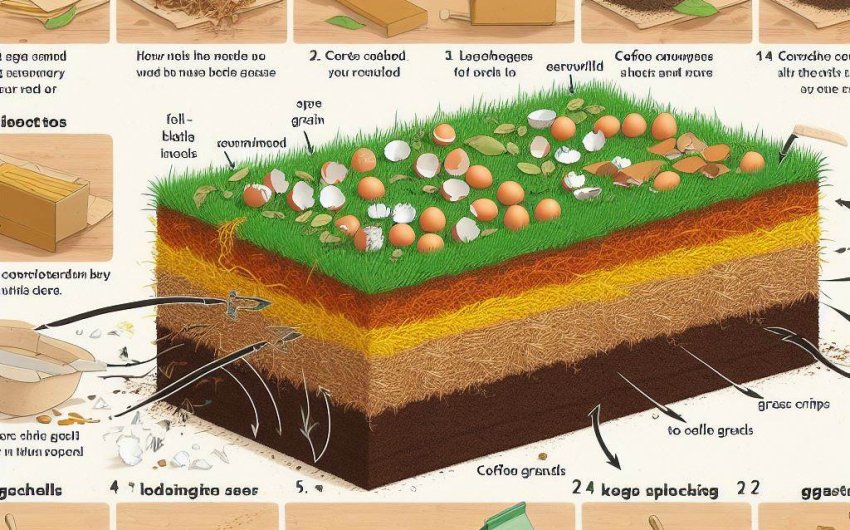
Layering your compost using the Lasagna Method is a highly effective way to build and maintain a balanced, efficient compost pile, simplifying the process of creating nutrient-rich soil. This technique, also known as sheet composting or no-dig gardening, involves alternating layers of "greens" and "browns" directly onto a garden bed or dedicated area, mimicking a delicious layered dish for your soil. This guide explains the method in detail.
What is the Lasagna Method of Composting?
The Lasagna Method of composting, also known as sheet composting or no-dig gardening, is a simple and highly effective way to build a compost pile directly on the ground or within a garden bed, rather than in a contained bin. It involves layering organic materials in alternating "green" (nitrogen-rich) and "brown" (carbon-rich) layers, similar to how you would build a lasagna. This method is incredibly beneficial for building soil health over time.
- Core Concept: Instead of piling all your scraps in a heap and turning them, the Lasagna Method focuses on creating a balanced, layered bed of organic matter. The decomposition happens slowly and directly in place, enriching the soil beneath.
- Direct-to-Garden Approach: This method is especially popular for transforming existing lawn areas into new garden beds or revitalizing tired soil, as the compost is created right where it will be used.
- No Turning Required (Usually): Unlike traditional hot composting, the Lasagna Method typically requires little to no turning once built, making it a low-effort approach.
- Slow and Steady Decomposition: Decomposition occurs at a slower, cooler rate compared to hot composting. This means it takes longer to get finished compost, but the benefits are released directly into the soil.
- Benefits Beyond Compost: Beyond just producing compost, the Lasagna Method directly builds soil structure, suppresses weeds, conserves moisture, and gradually feeds the soil food web over time.
The Lasagna Method explained emphasizes the ease and effectiveness of layering your compost in a way that directly nourishes your garden beds, making it a favorite for many organic gardeners.
Why Should I Use the Lasagna Method for Layering My Compost?
You should use the Lasagna Method for layering your compost because it offers numerous benefits, making the composting process simpler, less labor-intensive, and directly beneficial for soil improvement in garden beds. It's an excellent choice for new gardeners or those with limited time or space for traditional bins.
- Direct Soil Improvement:
- Compost in Place: The biggest advantage is that the compost is built directly on the garden bed. As it decomposes, nutrients and organic matter are released directly into the soil beneath, enriching it exactly where your plants will grow.
- Builds Soil Structure: This method inherently builds up healthy soil structure over time, improving drainage, aeration, and water retention without needing to dig or till.
- No Turning Required (Low Effort):
- Unlike traditional composting, the Lasagna Method typically requires no turning once the layers are assembled. This saves significant time and physical effort, making it ideal for those who find turning compost piles burdensome.
- Excellent Weed Suppression:
- The base layers of cardboard or newspaper effectively smother existing weeds and grass, preventing them from growing up through your new garden bed. This is a powerful, chemical-free weed control strategy.
- Water Conservation:
- The layers of organic matter act like a sponge, dramatically increasing the soil's capacity to retain moisture. This means you'll need to water your garden less frequently.
- Reduces Waste:
- It's a fantastic way to utilize a wide variety of kitchen scraps, yard waste, and other organic materials, diverting them from landfills and turning them into a valuable resource.
- Minimal Odor and Pest Attraction:
- Because decomposition is generally cooler and slower, and materials are covered, the Lasagna Method produces minimal odors compared to poorly managed hot compost piles. It's also less likely to attract rodents if meat/dairy is avoided and layers are applied correctly.
- Creates New Garden Beds:
- It's perfect for converting a section of lawn or unused ground into a fertile garden bed without any digging or tilling. Just layer directly on top!
- Year-Round Process:
- You can continue layering your compost in the Lasagna Method throughout the year, adding materials as they become available.
The Lasagna Method explained offers a sustainable, low-maintenance approach to layering your compost that directly enhances garden productivity and soil health, making it a true asset for any organic gardener.
What Materials Do I Need for the Lasagna Method?
For the Lasagna Method, you primarily need a balanced mix of "brown" (carbon-rich) and "green" (nitrogen-rich) organic materials, along with water. These are the same ingredients used in traditional composting, but with an emphasis on readily available household and yard waste for easy layering your compost.
"Browns" (Carbon-Rich Materials):
These provide the bulk and energy source for microorganisms, help prevent odors, and are often the foundational layers.
- Cardboard: (Crucial base layer) Undyed, non-glossy cardboard boxes, torn into smaller pieces.
- Newspaper: (Crucial base layer) Black-and-white newspaper, several sheets thick.
- Dry Leaves: Abundant in fall, excellent carbon source.
- Straw: Great for aeration and bulk.
- Shredded Wood Chips/Bark: Use in moderation as they decompose slowly.
- Sawdust: (From untreated wood) Use sparingly.
- Pine Needles: Use in moderation, as they are acidic.
- Dried Plant Stalks/Dead Grass: Ensure they are not diseased or seeding.
- Hay: (Ensure it's weed-free straw, not hay with seeds).
"Greens" (Nitrogen-Rich Materials):
These provide the protein for microorganisms, often moist, and help activate decomposition.
- Kitchen Scraps: Vegetable and fruit peels, cores, scraps, coffee grounds, tea bags. (Avoid meat, dairy, oily foods, pet waste).
- Fresh Grass Clippings: Use in thin layers to prevent matting and odor.
- Green Leaves: Freshly fallen or pruned leaves.
- Weeds: (Non-seeding, non-perennial roots).
- Spent Annual Flowers: Deadheaded blooms.
- Herbivore Manure: (Chicken, cow, horse, rabbit manure) Excellent nitrogen boost, ensure it's aged if possible.
Other Essential Ingredients:
- Water: Absolutely essential for moistening each layer. A watering can or garden hose with a gentle nozzle is needed.
- Garden Soil (Optional but Recommended): A thin sprinkle of garden soil between layers introduces beneficial microorganisms to kickstart the decomposition.
- Compost Starter (Optional): A commercial compost starter organic can also be used to inoculate the pile.
Materials to Avoid:
- Meat, bones, fish, dairy products, oils, greasy foods (attract pests, smell bad, slow decomposition).
- Diseased plants (can spread pathogens).
- Weeds with seeds or perennial roots (can resprout).
- Treated wood, glossy paper, pet waste (contain harmful chemicals or pathogens).
By gathering a diverse and balanced collection of these materials, you'll be well-equipped to begin layering your compost effectively using the Lasagna Method.
How Do I Start Building a Lasagna Compost Bed?
You start building a Lasagna Compost Bed by choosing the right location, preparing the ground, and then systematically layering organic materials in an alternating "brown" and "green" sequence. This method is all about building directly in place for maximum soil improvement.
Step 1: Choose Your Location
- Desired Garden Bed: Decide where you want your new garden bed or where you want to revitalize existing soil. The Lasagna Method is perfect for converting lawn areas.
- Sunlight: Ensure the chosen spot receives adequate sunlight for the plants you eventually want to grow there (e.g., 6-8 hours for most vegetables).
- Water Access: Choose a spot accessible for watering.
- Proximity to Materials: Ideally, choose a location somewhat convenient for adding kitchen scraps or yard waste.
Step 2: Prepare the Ground
- No Digging: The beauty of the Lasagna Method is no digging or tilling is required.
- Clear (Optional but Recommended): While you can layer directly over existing grass or weeds, it's often beneficial to:
- Mow Grass Short: Mow any existing grass as short as possible.
- Remove Large Weeds: Pull out any very large or persistent perennial weeds with deep taproots (like dandelions) to give your bed the best start.
- Mark the Bed: Outline the desired shape and size of your new garden bed using stakes and string, or a garden hose.
Step 3: Lay the Foundation (Weed Barrier)
- Cardboard/Newspaper Layer: This is your crucial weed-suppressing layer.
- Lay down several layers (at least 6-8 sheets) of black-and-white newspaper or 2-3 layers of plain, undyed cardboard.
- Overlap Edges: Ensure all edges overlap significantly (at least 6 inches) to prevent weeds from growing through the gaps.
- Moisten: Thoroughly wet this layer with water using a garden hose with a nozzle. It should be completely saturated.
Step 4: Begin Layering Your Compost
The general rule is to alternate thin layers of browns and greens, always moistening each layer.
- First Brown Layer (Thicker):
- Spread a relatively thick layer (4-6 inches) of chunky "browns" directly over the wet cardboard. Good options include straw, wood chips, or shredded fall leaves. This provides good initial aeration.
- Moisten: Water this layer well.
- First Green Layer (Thinner):
- Add a thinner layer (2-4 inches) of "greens" like fresh grass clippings, kitchen scraps, or fresh manure.
- Moisten: Water this layer.
- Thin Soil/Compost Sprinkle (Optional but Recommended):
- Lightly sprinkle a handful of existing garden soil or finished compost over the green layer. This inoculates the bed with beneficial microorganisms to kickstart decomposition. A compost starter organic granular can also be used.
- Continue Alternating Layers:
- Continue building up the bed with alternating layers of browns and greens.
- General Rule: Aim for a ratio of about 2 parts brown material to 1 part green material by volume for each layer.
- Moisturize Each Layer: Water each layer as you add it. The entire bed should feel like a damp sponge.
- Small Pieces: Remember to chop or shred larger materials to speed decomposition.
- Build to Desired Height:
- Build the bed higher than your desired final height (e.g., 18-24 inches initially), as it will settle significantly (often by 50% or more) as it decomposes.
- Top Layer (Browns):
- Always finish with a layer of "browns" (leaves, straw, wood chips) to cover any exposed kitchen scraps. This helps retain moisture and deters pests.
- Final Watering:
- Give the entire completed bed a final, thorough watering.
By following these steps, you'll effectively start layering your compost using the Lasagna Method, creating a fertile, no-dig garden bed that's rich in decomposing organic matter.
What is the Ideal Ratio of Greens to Browns in the Lasagna Method?
The ideal ratio of greens to browns in the Lasagna Method is crucial for balanced decomposition, aiming for roughly 2-3 parts brown (carbon-rich) materials to 1 part green (nitrogen-rich) materials by volume. This ratio ensures microorganisms have both energy and protein, promoting efficient breakdown without foul odors.
- Understanding the Ratio (C:N):
- In composting science, the ideal carbon-to-nitrogen (C:N) ratio is about 25-30:1. This means 25-30 units of carbon for every 1 unit of nitrogen.
- "Brown" materials are high in carbon.
- "Green" materials are high in nitrogen.
- Practical Application for Lasagna Layers:
- When physically building your layers, aiming for 2-3 times more volume of browns than greens typically achieves this optimal C:N ratio.
- Example Layers: For every 2-3 inches of dry leaves (browns), you might add 1 inch of fresh grass clippings or kitchen scraps (greens).
- Why This Ratio is Ideal:
- Fuels Microorganisms: Provides the perfect balance of energy (carbon) and building blocks (nitrogen) for the microorganisms to thrive and rapidly break down materials.
- Manages Moisture: Browns are typically dry and absorbent, balancing the moisture from wet greens. This helps prevent the bed from becoming too soggy.
- Ensures Aeration: Chunky browns create air pockets, promoting aerobic decomposition and preventing foul, anaerobic odors.
- Prevents Odors: Too many greens (too much nitrogen) can lead to an ammonia smell. Too many browns (too much carbon) will make decomposition very slow.
- Flexibility:
- The Lasagna Method is forgiving. You don't need to be perfectly precise, but try to stay in the general ballpark.
- Adjust as You Go: If your bed starts to smell like ammonia, add more browns. If it seems very dry and activity is slow, add more greens and water.
- Always Finish with Brown:
- It's a good practice to always top off your Lasagna Bed with a layer of brown material (leaves, straw, wood chips) to cover any exposed food scraps, which deters pests and retains moisture.
By carefully considering the ideal ratio of greens to browns when layering your compost in the Lasagna Method, you set the stage for a well-balanced, efficient, and odor-free decomposition process that will transform your organic waste into rich, fertile soil.
How Long Does it Take for a Lasagna Compost Bed to Decompose?
The time it takes for a Lasagna Compost Bed to decompose is generally longer than traditional hot composting, ranging from 3 months to 1 year, depending on various factors. Since it's a slower, cooler process, patience is key, but the benefit is direct soil improvement.
Factors Influencing Decomposition Time:
- Material Size:
- Smaller is Faster: The more you chop or shred your materials (1-2 inches), the faster they will decompose. Large pieces (e.g., whole leaves, large cardboard pieces) take significantly longer.
- Greens to Browns Ratio:
- An optimal balance (2-3 parts browns to 1 part greens by volume) ensures steady microbial activity. Imbalances can slow the process down.
- Moisture Level:
- Consistent Dampness: The bed must remain consistently moist, like a damp sponge. If it dries out, decomposition will halt. Too wet, and it becomes anaerobic and slow.
- Action: Water thoroughly when building and as needed during dry spells. A soil moisture meter can help monitor.
- Temperature:
- Ambient Temperature: The Lasagna Method typically involves "cold composting," meaning it doesn't reach the high temperatures of hot composting. Decomposition is driven by mesophilic organisms and macroorganisms (like worms), which work slower but steadily.
- Seasonal Impact: Decomposition will be much faster in warm weather and significantly slow down or halt in cold winter months.
- Microorganism Activity:
- Inoculation: Adding a sprinkle of garden soil or finished compost (or a compost starter organic) to the layers helps introduce beneficial microbes, speeding up the initial process.
- Pile/Bed Height:
- Taller beds tend to decompose faster than very shallow ones, as they create a larger mass for microbial activity.
- Material Size:
When is it Ready to Plant?
- Partially Decomposed: You can often plant directly into a Lasagna Bed that is still partially decomposing, especially if you add a top layer of finished compost or good quality potting mix. The plants' roots will then grow down into the nutrient-rich, decomposing layers.
- Fully Decomposed: For a completely finished "compost" texture throughout, it might take 6-12 months. The lower layers will decompose first.
- Signs of Decomposition: The bed will significantly reduce in height (often by 50% or more) and the materials will appear darker, softer, and more uniform.
The beauty of the Lasagna Method is that you often don't need to wait for complete decomposition to begin planting. You can benefit from the ongoing breakdown as your plants grow. This flexible timeline is part of the appeal of layering your compost.
What Are the Benefits of Planting Directly into a Lasagna Compost Bed?
Planting directly into a Lasagna Compost Bed offers immediate and long-term benefits, creating an exceptionally fertile, weed-suppressed, and water-efficient growing environment for your plants. This no-dig approach maximizes the advantages of layering your compost right where it's needed.
- Instant Garden Bed Creation:
- You can create a new garden bed virtually overnight without the strenuous work of digging, double-digging, or tilling. This makes gardening accessible for many.
- Superior Soil Fertility:
- As the layers decompose, they release a continuous supply of rich, slow-release nutrients directly into the root zone of your plants. This creates a highly fertile environment, reducing or eliminating the need for supplemental fertilizers.
- Compost-Rich Soil: Your plants grow directly in and through a decomposing organic medium, benefiting from abundant humus.
- Excellent Weed Suppression:
- The thick bottom layers of cardboard and newspaper effectively smother existing weeds and grass, providing a pristine, weed-free start for your new plants. This significantly reduces weeding chores.
- Exceptional Water Retention:
- The multiple layers of organic matter act like a massive sponge, dramatically increasing the bed's capacity to retain moisture. This means you'll need to water your garden less frequently, saving water and effort.
- Improved Drainage and Aeration:
- The layered structure, especially with chunky browns, ensures excellent drainage and aeration throughout the soil profile, even on heavy clay sites. This prevents root rot and promotes healthy root growth.
- Thriving Soil Food Web:
- The abundance of organic matter attracts and feeds a diverse community of beneficial soil microorganisms, earthworms, and other creatures. This active soil food web enhances nutrient cycling, improves soil structure, and helps suppress plant diseases.
- Warmer Soil (Earlier Planting):
- Decomposition generates some heat. Additionally, raised beds (which a tall lasagna bed essentially is) tend to warm up faster in spring, allowing for earlier planting in cooler climates.
- Reduced Compaction:
- Since it's a no-dig method, you're not walking on or compacting the soil, preserving its loose, airy structure.
When planting directly into a Lasagna Compost Bed, it's often best to add a top layer (2-4 inches) of finished compost or good quality potting mix right before planting. This provides a fine, stable medium for seeds or young transplants while they send roots down into the decomposing layers below. This method truly epitomizes the benefits of layering your compost for a thriving, low-maintenance garden.
How Can I Maintain a Lasagna Compost Bed Long-Term?
You can maintain a Lasagna Compost Bed long-term by continuously adding new layers of organic material as older layers decompose, replenishing nutrients and suppressing weeds. This approach transforms your bed into a perpetually fertile, no-dig growing space, maximizing the benefits of layering your compost.
- Continuous Layering (Feed the Bed):
- Replenish as it Settles: As the lower layers decompose, your Lasagna Bed will naturally settle and shrink in height. Continue to add new layers of "browns" and "greens" on top throughout the growing season and into fall.
- Seasonal Additions: In fall, use abundant dry leaves as your primary brown layer. In spring and summer, cycle in grass clippings and kitchen scraps.
- Balance: Always aim for the ideal 2-3 parts browns to 1 part greens by volume.
- Cover Exposed Greens: Always finish with a layer of browns to cover any fresh kitchen scraps or grass clippings.
- Regular Watering:
- Consistent Moisture: Even after establishment, the bed needs consistent moisture. Water thoroughly as needed, especially during dry spells.
- Moisture Meter: Use a soil moisture meter for garden beds to check deeper layers.
- Mulch as Top Layer:
- Maintain a top layer of organic mulch (wood chips, straw, shredded leaves) over your entire bed, especially if you're not actively adding fresh layers. This conserves moisture, suppresses new weeds, and moderates soil temperature.
- Planting Directly:
- You can continue to plant directly into your existing Lasagna Bed. When planting seeds or small transplants, push aside the mulch, add a bit of finished compost or potting mix to the immediate planting hole, and then plant. The roots will grow down into the rich, decomposing layers.
- Minimal Disturbance (No Dig):
- Adhere to the "no-dig" principle. Avoid tilling or digging the bed, as this disrupts the delicate soil structure and the established soil food web.
- When planting, make small holes or simply push aside the mulch and soil.
- Weed as Needed:
- The Lasagna Method is excellent at suppressing weeds, but some will inevitably appear (especially from airborne seeds). Pull them when they are young and small. The loose, rich soil makes weeding very easy.
- Incorporate Finished Compost:
- If you have a separate traditional compost bin, you can add finished compost from that bin as part of your layering for an extra boost.
- Monitor Soil Health:
- Over time, your soil will become incredibly rich, dark, and crumbly. You'll notice increased earthworm activity and healthier, more vigorous plants.
By continuously layering your compost and following these maintenance practices, your Lasagna Compost Bed will remain a productive, fertile, and low-maintenance cornerstone of your organic garden for years to come. The Lasagna Method explained offers a truly sustainable approach.