
Ashes to Soil: Transforming Fireplace Residue into Compost Treasure!
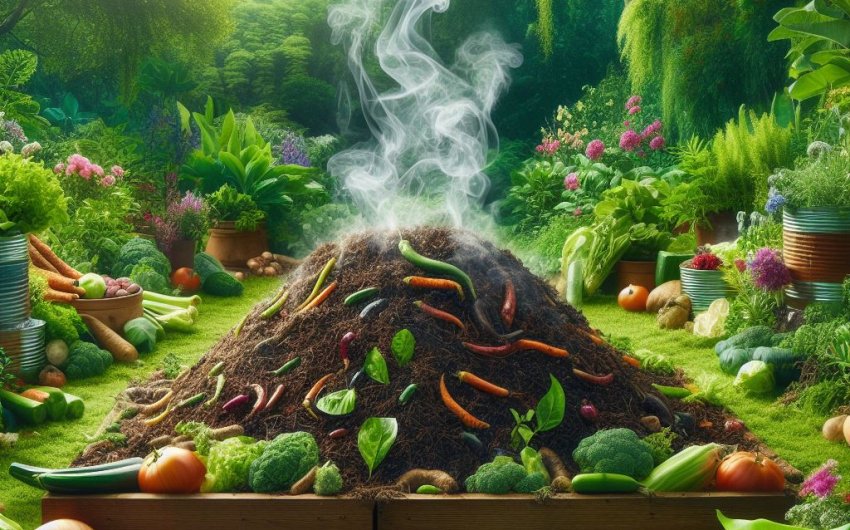
As the chill of winter sets in, many homes enjoy the cozy warmth and ambiance of a crackling fire. While the fire itself brings comfort, it leaves behind a byproduct: ash. Instead of simply discarding this fine, gray powder, gardeners often wonder about its potential in the garden. Can this residue be a beneficial addition, transforming from mere waste into a valuable resource? The answer is a nuanced yes, and understanding how to effectively turn fireplace residue into compost treasure can significantly enrich your soil and contribute to a more sustainable gardening practice.
Why Consider Using Fireplace Ash in Your Garden?
At first glance, fireplace ash might just look like a messy byproduct of burning wood. However, it contains several elements that are essential for plant growth. Recognizing its potential as a soil amendment, particularly in the form of wood ash for plants, can turn a disposal chore into a beneficial gardening step. But it's not a universal solution, and understanding its composition is key.
What Nutrients Does Wood Ash Provide?
Wood ash is primarily composed of minerals that were present in the wood itself. When wood burns, the carbon, hydrogen, and oxygen turn into gases, but the mineral elements remain in the ash. These minerals can be quite beneficial for plants, acting as a natural fertilizer.
- Potassium (K): This is one of the "big three" essential plant nutrients (N-P-K). Wood ash is an excellent source of potassium, which is crucial for overall plant health, strong root development, disease resistance, and fruit/flower production. It helps with water regulation within the plant.
- Calcium (Ca): Another abundant mineral in wood ash, calcium is vital for cell wall formation, root growth, and fruit development, preventing issues like blossom end rot in tomatoes.
- Magnesium (Mg): Important for photosynthesis (the process by which plants make their food) as it's a central component of chlorophyll, the green pigment in leaves.
- Phosphorus (P): While present, phosphorus is usually in smaller quantities compared to potassium and calcium. Phosphorus is important for energy transfer within the plant, flowering, and fruiting.
- Trace Elements: Wood ash also contains various trace elements in small amounts, such as boron, manganese, copper, and zinc, which are micronutrients essential for plant vitality.
It's important to remember that these nutrients are in a readily available form for plants, similar to how a quick-release chemical fertilizer works, but without the synthetic components.
How Does Wood Ash Affect Soil pH?
This is the most critical aspect to understand about wood ash for plants. Wood ash is highly alkaline, meaning it has a high pH.
- Raises Soil pH: Adding wood ash to soil has a liming effect, similar to adding agricultural lime. It helps to raise the soil's pH level, making it less acidic.
- Ideal for Acidic Soils: This is particularly beneficial in regions with naturally acidic soils (common in areas with high rainfall or where pine trees are prevalent). Many vegetables prefer a slightly acidic to neutral soil pH (around 6.0-7.0). If your soil is too acidic, plants struggle to absorb essential nutrients.
- Harmful to Alkaline Soils: Conversely, if your soil is already alkaline (pH above 7.0), adding wood ash will make it even more alkaline, which can lead to nutrient deficiencies (like iron deficiency, where leaves turn yellow between green veins) and stunt plant growth.
- Test Your Soil: Before using any significant amount of wood ash, it is absolutely crucial to test your soil pH. You can buy a soil pH testing kit or send a sample to your local extension office. This tells you if your soil needs a pH increase or not.
Understanding the pH effect of fireplace residue for compost is paramount to using it wisely in your garden.
Is All Fireplace Residue Safe to Use?
No, definitely not. Not all fireplace residue is created equal, and using the wrong type of ash can introduce harmful substances into your garden.
- ONLY Untreated Wood Ash: The only type of ash safe for garden use is from burning clean, untreated, unpainted, natural wood. This means logs from trees, clean lumber scraps that have not been chemically treated (like pressure-treated wood or composite decking), or natural charcoal from a lump charcoal grill.
- AVOID Ash from:
- Treated or Painted Wood: These contain chemicals (like arsenic, chromium, copper) that are toxic to plants and can contaminate your soil, making it unsafe for growing edibles.
- Coal: Coal ash contains heavy metals and sulfur, which can be harmful to plants and soil microbes.
- Paper/Cardboard/Trash: While paper is technically wood fiber, large amounts of ash from colored paper, glossy paper, or general trash can contain inks, dyes, and other chemicals that are not beneficial for soil. Small amounts from kindling are usually fine.
- Charcoal Briquettes: Most briquettes contain binders, fillers, and sometimes lighter fluid residue, which are not suitable for composting or direct soil application. Stick to natural lump charcoal ash only.
- Colored Fire Logs: These often contain chemicals to produce colored flames and should not be used in the garden.
The quality of the fireplace residue directly impacts its safety and benefits for your garden and ultimately, your food.
How Can You Add Fireplace Ash to Your Garden?
There are several ways to incorporate fireplace residue into compost treasure or directly into your garden. Each method has its pros and cons, and the best choice depends on your specific needs, the type of ash you have, and your existing garden practices.
Should You Add Ash Directly to Garden Beds?
Applying wood ash for plants directly to your garden beds is a common practice, but it requires careful consideration and moderation.
- When to Apply: The best time to apply wood ash directly is in the fall or very early spring, before planting. This gives it time to react with the soil and allows nutrients to become available.
- How to Apply:
- Lightly Dust: Sprinkle a thin, even layer over the soil surface. Think of it like a light dusting of snow, not a thick blanket.
- Incorporate: Gently rake or lightly till the ash into the top few inches of soil. This helps it mix and begin reacting with the soil.
- Measure: A general guideline is no more than 10-20 pounds of ash per 1,000 square feet of garden area per year. For smaller gardens, a dusting is often enough. For example, a single cup of ash is usually enough for a 10x10 foot area.
- Targeted Application:
- Heavy Feeders: Plants that are heavy feeders of potassium and calcium, and prefer slightly alkaline conditions, can benefit. Examples include peas, beans, lettuce, spinach, cabbage family plants (broccoli, cauliflower, kale), and root vegetables like carrots and parsnips.
- Avoid Acid Lovers: Never apply wood ash to plants that prefer acidic soil, such as blueberries, rhododendrons, azaleas, or potatoes. This can severely harm them.
- Test and Observe: Always test your soil pH first. Even with testing, start with small applications and observe your plants. You can always add more next season, but you can't easily remove it.
Direct application is effective but carries the highest risk of over-alkalinizing your soil if not done carefully.
How Does Composting Ash Work?
Composting is often the safest and most effective way to use fireplace residue in your garden. When ash is added to a compost pile, its alkalinity is buffered, and its nutrients are more gradually released, making them safer for a wider range of plants.
- Small Amounts: Add wood ash in small, scattered layers to your compost pile, not in large clumps. This helps distribute it evenly.
- Mix Well: After adding ash, mix it into the surrounding organic materials. This prevents it from forming a dense, impenetrable layer and ensures it interacts with the other components.
- Balance "Greens" and "Browns": Ash counts as an "alkaline" amendment. Ensure your compost pile has a good balance of nitrogen-rich "greens" (food scraps, grass clippings) and carbon-rich "browns" (leaves, shredded paper, wood chips). A balanced compost pile is crucial for effective decomposition.
- Beneficial to Composting Process: Ash can help neutralize acidity that might build up in a compost pile, supporting the activity of beneficial microbes that prefer a more neutral environment. It also adds trace minerals to the finished compost.
- Safer for Plants: When the finished compost is applied to your garden, the wood ash has been diluted and its alkalinity tempered by the large volume of organic matter. This makes it much less likely to cause sudden pH spikes in your garden soil.
- A good compost bin: A large compost tumbler can make mixing and aerating your compost pile much easier.
Composting fireplace residue allows for a more gentle and evenly distributed application of its beneficial minerals.
Can You Make Ash Tea for Liquid Fertilizer?
Yes, you can make a "wood ash tea" for a liquid potassium boost, but it's important to use it sparingly and strategically.
- How to Make: Place about 1 cup of clean wood ash in a porous bag (like an old sock or cheesecloth) and submerge it in 5 gallons of water. Let it steep for 24-48 hours. The water will become cloudy.
- What it Provides: This tea provides a quick shot of soluble potassium and some trace minerals.
- Application: Use it to water individual plants that need a potassium boost, such as fruiting plants (tomatoes, peppers, berries) during their flowering and fruiting stages.
- Caution: Just like direct application, wood ash tea is alkaline. Use it very sparingly, especially on plants sensitive to high pH. Do not apply heavily or frequently. A little goes a long way.
- Avoid Foliar Spray: Do not spray wood ash tea on leaves, as it can burn them.
This method is best for very targeted nutrient delivery rather than general garden use.
What Are the Dangers and Precautions with Wood Ash?
While transforming fireplace residue into compost treasure can be beneficial, there are significant risks if not handled properly. Understanding these dangers and taking necessary precautions is paramount to protecting your plants, soil, and even yourself. Always prioritize safety and thoughtful application.
What Are the Risks to Soil and Plants?
Improper use of fireplace residue can do more harm than good:
- Excessive Alkalinity: As discussed, the biggest risk is raising your soil pH too high. If your soil becomes too alkaline, many nutrients (like iron, manganese, and phosphorus) become "locked up" and unavailable to plants, even if they are present in the soil. This leads to nutrient deficiencies, stunted growth, and yellowing leaves. It can take a long time to correct overly alkaline soil.
- Nutrient Imbalances: While ash provides potassium and calcium, it lacks nitrogen (which volatilizes as a gas during burning). Relying solely on ash for fertility can lead to nutrient imbalances. Compost, on the other hand, provides a more balanced range of nutrients.
- Sodium Buildup: If you burn a lot of coastal wood (like driftwood) or certain types of processed wood, it might contain higher levels of sodium (salt), which can build up in the soil and harm plants.
- Heavy Metal Contamination: This is why using only clean, untreated wood is non-negotiable. Ash from treated wood (e.g., pressure-treated lumber, painted wood) contains toxic heavy metals like arsenic, chromium, and lead. These metals can accumulate in your soil and be taken up by edible plants, making them unsafe to eat. This risk far outweighs any potential benefit.
- Suppressed Germination: High concentrations of wood ash, especially on the surface, can suppress seed germination.
- Fire Hazard: Hot ashes retain heat for a long time. Never put hot or warm ash directly into compost or on plants. Always allow ash to cool completely in a metal container, like a metal ash bucket with lid, for at least 24-48 hours before handling or adding to compost.
What Are the Safety Precautions for Handling Ash?
Handling ash, even from clean wood, requires a few safety measures to protect yourself.
- Wear Gloves: Ash is very fine and can be irritating to skin. Always wear gardening gloves or work gloves, such as nitrile coated work gloves, when handling ash.
- Wear a Mask: The fine dust particles can be easily inhaled and are irritating to the respiratory system. Wear a dust mask or respirator, especially if you are sweeping or pouring large amounts of ash.
- Eye Protection: Ash can get into your eyes and cause irritation. Safety glasses are a good idea.
- Allow to Cool Completely: This is crucial. Hot ashes can cause severe burns and pose a fire risk. Always store ashes in a tightly sealed metal container away from combustibles for at least 24-48 hours until they are completely cool to the touch.
- Avoid Wet Ash Storage: While ash itself is alkaline, when wet, it can become caustic and corrosive. Handle wet ash with even more caution, and never store wet ash inside your home in a container that could corrode.
How Can You Know Your Ash is "Good Ash"?
The only way to be sure your fireplace residue is safe to use in the garden is to control what goes into your fire.
- Source Your Wood: Only burn natural, untreated wood. This includes logs from trees (oak, maple, cherry, etc.), clean, unpainted dimensional lumber scraps (like from new, untreated framing), and natural lump charcoal.
- Avoid "Mystery" Wood: Never burn wood that you don't know the origin of, or that looks like it might have been treated, painted, stained, or otherwise processed. If in doubt, throw it out with regular trash.
- Visual Inspection: If you see any colorful residue in the ash, or if it has a chemical smell, do not use it in the garden. Good wood ash is typically light gray to white and has a very fine, powdery texture.
- Be Diligent: This applies not just to your own fireplace but also if you source ash from others. You must be certain of the wood source.
By diligently adhering to these safety precautions and ensuring your ash comes only from clean, untreated wood, you can responsibly and safely incorporate fireplace residue into compost treasure for a healthier garden.