
How to Attract Hummingbirds to Your Garden?
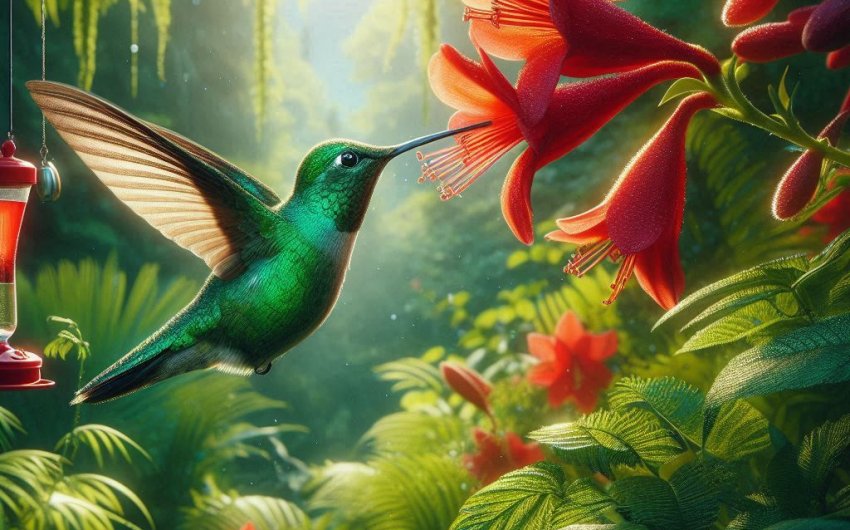
To attract hummingbirds to your garden, prioritize planting a variety of nectar-rich, tubular flowers in shades of red, orange, and pink. Supplement these natural food sources with well-maintained hummingbird feeders filled with a simple sugar solution.
What Flowers Do Hummingbirds Love Most?
Hummingbirds are highly attracted to flowers that provide abundant nectar, their primary food source. Their long beaks and tongues are perfectly adapted for reaching deep into tubular blossoms. When planning your garden to attract hummingbirds, focus on specific flower characteristics.
Color Preference
Hummingbirds have excellent color vision and are particularly drawn to bright, vibrant colors, especially red, orange, and pink. While they will visit other colors, these fiery hues act as a strong visual cue, signaling a high-nectar reward. Incorporating a mix of these colors will make your garden more visible and appealing to passing hummingbirds. Think of a splash of brilliant red Salvia or the cheerful orange of a Trumpet Vine.
Flower Shape
The shape of the flower is as important as its color. Hummingbirds prefer tubular or trumpet-shaped flowers because these shapes perfectly accommodate their long bills. This design also limits access for larger insects, reducing competition for nectar. Flowers with wide, open petals may not be as efficient for a hummingbird to feed from, even if they contain nectar. Examples include Honeysuckle, Penstemon, and Cardinal Flower.
Nectar Richness
Ultimately, hummingbirds are seeking nectar for energy. Choose plants known for their high nectar production. Some flowers might be beautiful but offer little nutritional value to these busy birds. Research local native plants that are known hummingbird attractors in your region, as these are often the best natural food sources.
Bloom Time
To keep hummingbirds visiting your garden throughout their active season (which varies by region, but typically spring through fall), it's essential to have a continuous succession of blooms. Plant a variety of flowers that bloom at different times, from early spring to late autumn. This ensures a consistent food supply, encouraging them to establish your garden as a reliable feeding ground. For example, Columbine might bloom in spring, followed by Bee Balm in summer, and then Salvias in fall.
Examples of Favorite Flowers
Here's a list of some top choices to consider when aiming to attract hummingbirds to your garden:
- Salvia (Sage): Many varieties, including 'Lady in Red' or 'Pineapple Sage', offer vibrant colors and tubular flowers.
- Trumpet Vine (Campsis radicans): A vigorous climber with large, orange-red, trumpet-shaped flowers. Be mindful of its vigorous growth.
- Honeysuckle (Lonicera sempervirens): Especially native honeysuckles like Coral Honeysuckle, which have beautiful tubular flowers. Avoid invasive non-native types.
- Bee Balm (Monarda didyma): Offers shaggy, brightly colored flowers that are irresistible to hummingbirds.
- Cardinal Flower (Lobelia cardinalis): Stunning scarlet-red tubular flowers that are a hummingbird magnet.
- Columbine (Aquilegia): Elegant, spurred flowers that hummingbirds can easily access.
- Lantana (Lantana camara): Clusters of small, tubular flowers, often in mixed colors, that bloom profusely.
- Delphinium: Tall spires of blue, purple, or pink flowers, some varieties with suitable shapes.
- Petunia: Many modern varieties have longer, more tubular throats perfect for hummingbirds.
- Zinnia: While not strictly tubular, the vibrant colors and abundant nectar of zinnias still attract them, especially single-petal varieties.
- Nasturtium: The bright, often orange or red flowers, though not deeply tubular, are still visited.
By carefully selecting a diverse range of these types of plants, you'll create a garden that is visually stunning and a reliable food source, making it highly effective at attracting hummingbirds.
Where Should I Place Hummingbird Feeders in My Garden?
Strategic placement of your hummingbird feeders is just as important as the feeder itself when trying to attract hummingbirds. The right spot can make your feeder a go-to spot for these tiny birds.
Visibility and Safety
- Highly Visible Location: Place feeders where they are easily seen by hummingbirds flying by. Think about their flight paths. A spot near other nectar sources, like bright flowers, is ideal.
- Protection from Predators: Choose a location that offers some protection from predators like cats. Avoid placing feeders too close to dense shrubbery where cats might hide and ambush, but also not too exposed where a bird of prey could easily snatch them. A balance is key.
- Shelter from Elements: A spot that offers some shade during the hottest part of the day can prevent the sugar solution from fermenting too quickly. Protection from strong winds also helps prevent spills and makes it easier for the birds to feed.
Proximity to Cover and Perches
Hummingbirds are tiny and cautious. They appreciate having nearby cover where they can quickly retreat if they feel threatened.
- Nearby Trees or Shrubs: Position feeders within 10-15 feet (3-4.5 meters) of trees, shrubs, or dense foliage. This allows them to dart into safety if a larger bird or predator approaches.
- Perching Spots: Hummingbirds often perch before or after feeding to rest and survey their surroundings. A feeder with built-in perches is good, but nearby branches or clotheslines also work well. They need somewhere to rest their wings briefly.
Away from Windows
While you might want a feeder close to a window for observation, it's crucial to consider bird safety.
- Avoid Window Collisions: Placing feeders too close to reflective windows (within 3 feet or 1 meter) can lead to collisions. Birds might see reflections of the sky or trees and fly directly into the glass.
- Optimal Distance: A distance of 5-15 feet (1.5-4.5 meters) from a window is generally recommended. If you must place it closer, consider using window decals or tapes that break up reflections.
Convenient for You
Don't forget your own convenience! Regular cleaning and refilling are crucial for a healthy feeder.
- Easy Access: Place the feeder somewhere you can easily reach it for daily checks and cleaning without much hassle.
- Shade for You: If possible, pick a spot that offers you some shade while you observe, making your birdwatching experience more enjoyable.
Multiple Feeders and Spacing
If you plan to have more than one feeder, space them out.
- Territorial Birds: Hummingbirds can be very territorial, especially males. Placing feeders out of sight of each other (at least 15-20 feet or 4.5-6 meters apart) can reduce aggression and allow more birds to feed peacefully.
- Avoid Overcrowding: Spacing helps prevent a dominant bird from monopolizing all the feeders.
By considering these factors, you can create an inviting and safe feeding station that will encourage hummingbirds to become regular visitors to your garden.
How Do I Make Hummingbird Nectar and What Are the Best Feeders?
Providing the right hummingbird nectar and choosing appropriate feeders are essential steps to successfully attract hummingbirds and keep them coming back.
Making Hummingbird Nectar
Making your own hummingbird nectar is incredibly simple, cost-effective, and much safer than store-bought varieties that may contain red dyes or artificial sweeteners.
Ingredients:
- Water: Plain tap water is fine, but if your tap water is heavily chlorinated or has a strong odor, filtered water is better.
- Granulated Sugar: Standard white table sugar is the only type of sugar recommended. Do not use honey, brown sugar, artificial sweeteners, or organic cane sugar, as these can be harmful or difficult for hummingbirds to digest, potentially promoting bacterial growth.
Recipe:
- Ratio: The ideal ratio is 4 parts water to 1 part granulated sugar.
- Boil Water: Bring the water to a rolling boil. This sterilizes the water and helps the sugar dissolve completely.
- Dissolve Sugar: Remove the water from the heat and stir in the sugar until it is fully dissolved.
- Cool Completely: Allow the solution to cool completely to room temperature before filling your feeders. Hot solution can damage feeders and harm hummingbirds.
- Storage: Store any leftover nectar in a clean, airtight container in the refrigerator for up to 1-2 weeks.
Important Note on Red Dye: Never add red dye to your nectar. It is unnecessary, as the red on the feeder itself and the red flowers in your garden will attract hummingbirds. More importantly, red dye can be harmful to their tiny systems.
Choosing the Best Hummingbird Feeders
There are many types of hummingbird feeders, but some are more effective and easier to maintain than others.
Key Features to Look For:
- Red Coloration: Feeders with red parts are highly effective at attracting hummingbirds, as this is their favorite color.
- Bee and Wasp Guards: Look for feeders with bee guards or small feeding ports that only a hummingbird's tongue can access, preventing larger insects from stealing nectar.
- Easy to Clean: This is crucial for bird health. Feeders that disassemble easily for thorough cleaning are best. Avoid intricate designs with many small nooks and crannies that are hard to reach.
- Material:
- Glass feeders are generally preferred over plastic because they are more durable, less likely to leach chemicals, and easier to clean thoroughly. They also don't scratch as easily, which can harbor bacteria.
- Plastic feeders are lighter and more affordable but can degrade over time, leach chemicals, and are harder to keep truly clean.
Recommended Feeder Types:
Saucer Feeders: These feeders have a shallow dish for nectar with feeding ports on top.
- Pros: Often very easy to clean, less prone to leaking, and a natural feeding position for hummingbirds. Many have built-in ant moats.
- Cons: Nectar might heat up faster due to a larger surface area exposed to sunlight.
- Example: First Nature 3051 16-Ounce Hummingbird Feeder
Bottle/Reservoir Feeders: These have an inverted bottle or reservoir that holds the nectar, which flows down into a feeding tray.
- Pros: Hold a larger volume of nectar, allowing for less frequent refilling. Often come with multiple feeding ports and perches.
- Cons: Can be more prone to leaking if not assembled correctly or if the seal isn't tight. Can be slightly harder to clean thoroughly, especially narrow necks.
- Example: Perky-Pet 203CP Glass Hummingbird Feeder
Essential Feeder Accessories:
- Ant Moat: A small cup filled with water that hangs above the feeder, creating a barrier to prevent ants from reaching the nectar. A must-have accessory. Consider something like More Birds Ant Moat for Hummingbird Feeders.
- Feeder Brush Kit: A specialized brush with long, narrow bristles for cleaning out feeder ports and bottles. Stokes Select 10-Piece Feeder Brush Kit is a good option.
By preparing a proper sugar solution and investing in high-quality, easy-to-clean feeders, you'll provide a healthy and inviting nectar source, significantly helping to attract hummingbirds to your outdoor space.
How Often Should I Clean and Refill Hummingbird Feeders?
Maintaining clean hummingbird feeders is absolutely critical for the health and safety of these delicate birds. Dirty feeders can quickly harbor mold, mildew, and bacteria, which can be deadly to hummingbirds.
Cleaning Frequency Guidelines:
The frequency of cleaning depends primarily on the temperature and how quickly the nectar spoils.
- Cooler Weather (Below 70°F / 21°C): Clean and refill feeders every 4-5 days.
- Moderate Weather (70-80°F / 21-27°C): Clean and refill feeders every 2-3 days.
- Warm Weather (Above 80°F / 27°C): Clean and refill feeders daily. In very hot weather, nectar can spoil in just a few hours.
- Signs of Spoilage: If you see any cloudiness, black spots (mold), or floating debris in the nectar, or if it smells sour, empty it immediately and clean the feeder thoroughly, regardless of the last refill date.
Step-by-Step Cleaning Process:
- Empty Old Nectar: Discard any remaining nectar. Do not pour it onto the ground or in the sink where it might attract pests.
- Disassemble the Feeder: Take the feeder apart completely. This includes removing perches, flowers, and any other removable components.
- Rinse with Hot Water: Rinse all parts thoroughly with hot tap water. This helps to loosen any sticky residue.
- Scrub with Brush: Using a dedicated feeder brush kit (like Stokes Select 10-Piece Feeder Brush Kit) and warm water, scrub all surfaces, paying special attention to the feeding ports and any crevices. A pipe cleaner or cotton swab can be useful for small openings.
- Deep Clean (Weekly or Bi-Weekly): At least once a week, or if you notice any persistent mold, do a deeper clean:
- Vinegar Soak: Soak all parts in a solution of 1 part white vinegar to 4 parts hot water for 30 minutes to an hour. Vinegar is a natural disinfectant and helps remove stubborn mold.
- Bleach Solution (Optional, Use with Caution): For very stubborn mold, you can use a very dilute bleach solution (1 part bleach to 9 parts water). Rinse extremely thoroughly afterwards, multiple times, until there is absolutely no bleach odor remaining. Any residual bleach can be harmful to hummingbirds.
- Rinse Thoroughly: After scrubbing or soaking, rinse all feeder parts repeatedly with clean, fresh water. It's crucial to remove all traces of soap, vinegar, or bleach. Residue can be toxic to hummingbirds.
- Air Dry Completely: Allow all parts to air dry completely before reassembling and refilling. This helps prevent moisture that can lead to mold growth.
- Refill: Once completely dry, reassemble the feeder and fill it with fresh, cool hummingbird nectar.
Tips for Feeder Maintenance:
- Have Multiple Feeders: Having a spare feeder allows you to rotate them, ensuring you always have a clean one ready to put out while another is being cleaned and dried.
- Location Matters: Placing feeders in the shade can slow down nectar spoilage, but be sure to still adhere to regular cleaning schedules.
- Ant and Bee Control: Regularly check and clean ant moats (if using) and ensure bee guards are functioning properly to deter unwanted insects.
- Early Detection: Regularly check your feeders for any signs of mold or cloudy nectar. If in doubt, always err on the side of caution and clean it.
By dedicating time to regular and thorough cleaning, you ensure your hummingbird feeders remain a safe and appealing food source, which is vital to successfully attract hummingbirds and keep them healthy.
What Else Attracts Hummingbirds Besides Flowers and Feeders?
While nectar-rich flowers and well-maintained feeders are paramount to attract hummingbirds, creating a more holistic and inviting environment will greatly increase your chances of sustained visits. Hummingbirds need more than just food; they require shelter, water, and nesting materials.
Water Sources
Hummingbirds love water, not just for drinking, but also for bathing. They are highly active and need to keep their tiny feathers clean and well-groomed.
- Misters: A fine mist, rather than a traditional bird bath, is highly appealing. Hummingbirds will dart through the mist, bathing on the wing. You can find specialized misters for birdbaths or even adapt a garden hose mister. A product like a Songbird Essentials Hummingbird Mister can create the perfect fine spray.
- Small, Shallow Fountains: Fountains with gentle drips or very shallow, moving water can also attract them. Ensure the water is moving, as standing water won't typically be used for bathing.
- Leaf Baths: After rain, hummingbirds will often rub themselves on wet leaves. Consider allowing some broad-leafed plants to collect water.
Shelter and Perching Spots
Hummingbirds are constantly on the go, but they need places to rest, preen, and survey their territory.
- Tall Trees and Shrubs: Provide tall trees or dense shrubs within your garden that offer protective cover. These can serve as roosting spots at night and safe havens during the day from predators or bad weather. Evergreens are particularly good as they provide year-round shelter.
- Dead Branches (Snags): If safe, consider leaving a few dead branches (snags) on trees. These offer excellent perching spots that birds often favor.
- Clotheslines or Thin Wires: Surprisingly, a simple clothesline or thin wire strung across a quiet part of the garden can be a favored perch for hummingbirds to survey their territory or preen.
Nesting Material
If you want to encourage hummingbirds to not just visit but potentially nest in your garden, providing natural nesting materials can help.
- Spiderwebs: Hummingbirds famously use spiderwebs to construct their tiny, cup-shaped nests, binding together lichen and plant down.
- Lichens and Mosses: Planting trees or shrubs that naturally host lichens and mosses can provide readily available material.
- Plant Down: Plants like cottonwood, willow, or thistles produce soft, fluffy seeds or fibers that hummingbirds may use. Avoid putting out artificial nesting materials, as they can tangle tiny birds.
Insect Control (Be Mindful)
While hummingbirds primarily feed on nectar, they also consume small insects (gnats, aphids, fruit flies) for protein, especially during nesting season.
- Avoid Pesticides: Do not use broad-spectrum pesticides in your garden. These chemicals kill the insects that hummingbirds eat and can also directly harm the birds themselves. A healthy insect population is part of a balanced ecosystem.
- Natural Pest Control: Rely on natural pest control methods, such as introducing beneficial insects like ladybugs, or using insecticidal soaps only when absolutely necessary and targeted.
Red Accents
Beyond red flowers and feeders, incorporating other red accents can draw their attention.
- Garden Decor: Consider red garden stakes, wind chimes (if not too noisy), or even a red birdbath (if shallow enough and with moving water).
- Ribbons: Hang a few bright red ribbons or streamers near your feeders or flowers to act as visual flags.
By integrating these elements – water sources, shelter, natural nesting materials, and avoiding harmful chemicals – you create a rich, diverse habitat that not only offers food but also provides safety and comfort, truly making your garden a haven and drawing hummingbirds year after year.
What Are Common Challenges When Trying to Attract Hummingbirds?
Even with the best intentions, attracting and keeping hummingbirds in your garden can sometimes present challenges. Understanding these common issues can help you troubleshoot and improve your success.
Ants and Bees in Feeders
This is perhaps the most frequent frustration for gardeners. Ants and bees are also attracted to the sweet nectar, leading to competition and potentially contaminating the solution.
- Solutions:
- Ant Moats: Absolutely essential. These are small cups filled with water that hang above the feeder, creating a barrier that ants cannot cross.
- Bee Guards/Small Ports: Look for feeders specifically designed with very small feeding ports or "bee guards" that allow only a hummingbird's long tongue to access the nectar, while blocking bees and wasps.
- Proper Nectar Level: Don't overfill the feeder so that the nectar is easily accessible to insects from the outside.
- Cleanliness: Regularly wipe down the outside of the feeder to remove any spilled or dripping nectar that could attract pests.
- Relocate: If an ant or bee problem persists, try moving the feeder a few feet away from its current location.
Aggressive Hummingbirds
Hummingbirds are highly territorial, especially males, and will often chase off other hummingbirds from "their" feeders or prime flower patches.
- Solutions:
- Multiple Feeders: Place several feeders around your garden, out of sight of each other (at least 15-20 feet / 4.5-6 meters apart). This allows less dominant birds to feed without constant harassment.
- Strategic Placement: Position feeders near dense foliage or in separate areas of the garden so that one aggressive bird cannot easily guard all of them.
- More Flowers: Increase the number of nectar-rich flowers. A diverse and abundant food source can reduce competition at feeders.
Lack of Visits
You've done everything right, but still no hummingbirds! This can be disheartening.
- Solutions:
- Patience: It can take time for hummingbirds to discover new food sources. Be patient, especially if you're just starting.
- Visibility: Is your feeder or flower display truly visible? Consider adding more red, or moving a feeder to a more open, prominent spot.
- Local Migration Patterns: Research when hummingbirds are typically present in your area (migration routes and timing). If it's outside their active season, you won't see them.
- Predators: Are there cats or other predators frequently in the area making birds wary?
- Quality of Nectar/Flowers: Ensure your nectar is fresh and correctly mixed, and that your flowers are indeed producing abundant nectar.
- Competition: Are there better, more established food sources nearby that they are currently favoring?
Feeder Leaking
A leaking feeder not only wastes nectar but also attracts ants, bees, and can create messy spots below.
- Solutions:
- Check Assembly: Ensure all parts are properly screwed on and sealed tightly.
- Level Placement: Make sure the feeder is hanging level.
- Avoid Overfilling: Don't overfill, as this can cause overflow or pressure issues.
- Temperature Changes: Rapid temperature fluctuations can cause air pressure changes in bottle-style feeders, leading to drips. Placing the feeder in a slightly shaded spot can help.
- Feeder Quality: Sometimes, a feeder is just poorly designed or has a faulty seal. Investing in a good quality glass hummingbird feeder can often prevent this.
Mold or Spoilage in Nectar
Nectar spoils quickly, especially in warm weather, leading to dangerous mold or fermentation.
- Solutions:
- Frequent Cleaning: This is the most important step. Adhere strictly to the cleaning schedule based on temperature.
- Shade: Place feeders in a location that receives some shade during the hottest parts of the day.
- Smaller Feeders: Use smaller feeders (e.g., 8-12 oz instead of 32 oz) during peak heat so that less nectar is exposed and you are forced to refill and clean more often.
- No Red Dye: Never add red dye, as it provides no benefit and can promote bacterial growth.
By being aware of these potential challenges and implementing the suggested solutions, you can effectively troubleshoot common issues and create a more successful and welcoming habitat designed to attract hummingbirds to your garden. Consistency and observation are key to mastering the art of hummingbird gardening.