
How to Grow Vegetables in Cold Climates?
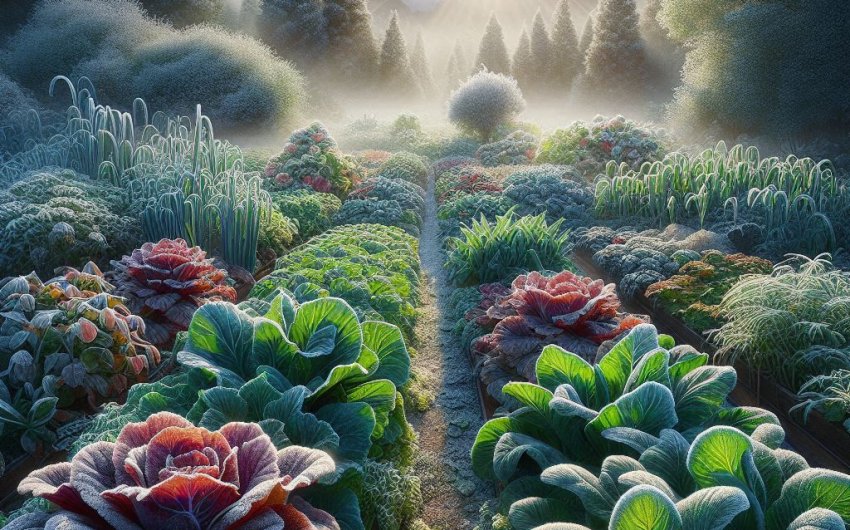
To grow vegetables in cold climates, success lies in extending the growing season, selecting cold-hardy plant varieties, and implementing protective structures that moderate temperature and buffer against harsh weather. Adapting your gardening techniques to suit shorter summers and colder temperatures is paramount.
What Defines a "Cold Climate" for Vegetable Gardening?
For the purpose of growing vegetables in cold climates, a "cold climate" typically refers to regions characterized by:
- Short Growing Season: A limited number of frost-free days per year, often 90-150 days, compared to warmer regions with 200+ frost-free days.
- Late Spring Frosts: The last spring frost occurs relatively late, pushing back planting dates for warm-season crops.
- Early Fall Frosts: The first fall frost arrives relatively early, cutting short the harvest window.
- Cool Summers: Even during peak summer, daytime temperatures might be moderate, and nights can be quite cool, which some warm-season vegetables dislike.
- Low Winter Temperatures: Harsh, prolonged freezes that make year-round outdoor gardening impossible without significant protection.
- USDA Hardiness Zones: Often corresponds to USDA Hardiness Zones 3, 4, 5, and some parts of 6.
What Are the Key Strategies to Extend Your Growing Season?
Extending the growing season is the most vital strategy when you want to grow vegetables in cold climates. This allows you to plant earlier in spring and harvest later into fall.
1. Starting Seeds Indoors Early
- Head Start: This is crucial for warm-season vegetables (tomatoes, peppers, eggplant, melons) that require a long growing season but can't tolerate spring frosts.
- Timing: Start seeds indoors 6-12 weeks before your last expected frost date, depending on the vegetable.
- Supplies: Use sterile Seed Starting Mix, seed trays, and adequate light from a sunny window or, ideally, Grow Lights for Seedlings to prevent leggy growth.
- Harden Off: Always harden off seedlings gradually before transplanting them outdoors.
2. Utilizing Cold Frames
- Mini-Greenhouse Effect: A Cold Frame is a bottomless box with a transparent lid (glass or polycarbonate) that sits over a garden bed. It traps solar heat, protecting plants from cold temperatures and wind.
- Spring Planting: Allows you to sow seeds directly (like lettuce, spinach, radishes) or transplant seedlings earlier in spring.
- Fall/Winter Harvesting: Can extend the harvest of leafy greens and root vegetables well into late fall or even winter in some climates.
- Ventilation: Remember to vent cold frames on sunny days to prevent overheating.
3. Employing Row Covers and Low Tunnels
- Protection: Lightweight Floating Row Covers provide several degrees of frost protection, protect against pests, and retain soil warmth. They can be laid directly over plants or supported by hoops to create low tunnels.
- Low Tunnels: More robust structures using flexible hoops and row cover material (or plastic sheeting) to create a tunnel over rows. Offer better insulation and wind protection.
- Extended Season: Use them in spring to warm the soil and protect young plants, and in fall to shield crops from early frosts, extending the harvest.
4. Raised Beds
- Warmer Soil: Raised Garden Beds warm up faster in spring and stay warmer longer in fall compared to in-ground beds, due to better drainage and exposure to sun on all sides.
- Drainage: Excellent drainage in raised beds helps prevent soggy soil, which can be an issue in cold, wet springs.
5. Greenhouses and Hoop Houses
- Maximum Extension: A Greenhouse for Growing Plants offers the most significant season extension, allowing for year-round growing in some cases, especially with heating. Hoop houses (simpler, often unheated tunnels) are a more affordable intermediate option.
- Climate Control: Provide a controlled environment for starting seeds, growing warm-season crops, and overwintering cold-hardy vegetables.
What Are the Best Cold-Hardy Vegetables to Grow?
When you grow vegetables in cold climates, focusing on cold-tolerant varieties that thrive in shorter, cooler seasons dramatically increases your chances of success.
A. Root Vegetables (Many Store Well!)
- Carrots: Choose shorter, faster-maturing varieties. Cold weather can enhance their sweetness.
- Radishes: Very quick-growing and cold-tolerant.
- Beets: Both the roots and greens are edible. Tolerates light frost.
- Potatoes: Plant early. Choose early or mid-season varieties.
- Turnips: Both roots and greens are good.
- Parsnips: Require a long growing season but become sweeter after a frost.
- Onions (Sets/Seedlings): Can be planted early.
B. Leafy Greens
- Spinach: Extremely cold-hardy, can overwinter under protection.
- Lettuce: Many varieties are cold-tolerant. Choose loose-leaf types for continuous harvest.
- Kale: Very hardy, flavor improves after a frost.
- Swiss Chard: Tolerates light frost.
- Arugula: Quick-growing, tolerates cool weather.
- Mustard Greens: Fast-growing, adds a spicy kick.
- Collard Greens: Similar to kale in hardiness.
C. Brassicas (Cabbage Family)
- Cabbage: Prefers cooler temperatures. Choose early or mid-season varieties.
- Broccoli: Likes cool weather, can be planted in early spring.
- Cauliflower: Needs consistent moisture and cool temps.
- Brussels Sprouts: Long season, but cold weather improves flavor. Harvest after frost.
- Kohlrabi: Fast-growing, bulbous stem.
D. Other Cold-Tolerant Crops
- Peas: Sow early in spring. Varieties include snap, snow, and shelling peas.
- Green Beans: While warmer weather is ideal, some bush bean varieties can mature quickly.
- Herbs: Cilantro, dill, parsley, chives are quite cold-hardy.
- Asparagus: A perennial vegetable that establishes well in cold climates.
- Rhubarb: Another perennial that thrives in cold winters.
E. Short-Season Warm-Season Vegetables (with Early Starts)
These still need a head start indoors, but specific varieties are bred for quicker maturity.
- Tomatoes: Look for "determinate" (bushy) and "early" or "short-season" varieties like 'Early Girl', 'Celebrity', or 'Sub-Arctic'.
- Peppers: 'Early Jalapeno', 'Sweet Bell'.
- Squash: Bush varieties of zucchini and summer squash mature faster than vining types.
- Melons: Choose extra-early or "icebox" varieties.
What Are Specialized Soil and Site Considerations?
Optimal soil and site conditions are particularly important when you grow vegetables in cold climates, where every bit of advantage counts.
1. Soil Health and Amendments
- Rich, Organic Soil: Cold soils can be slow to warm and less biologically active. Amend your garden beds generously with Organic Compost or well-rotted manure annually. This improves soil structure, drainage, and fertility, and helps the soil retain heat.
- Drainage: Ensure excellent drainage. Cold, soggy soil inhibits root growth and can lead to rot. Raised beds naturally improve drainage.
- pH Level: Most vegetables prefer a slightly acidic to neutral pH (6.0-7.0). Conduct a Home Soil Test Kit to determine your soil's needs.
2. Site Selection
- Full Sun: This is non-negotiable in cold climates. Choose the sunniest spot available, ideally one that receives 8+ hours of direct sunlight daily, especially morning sun.
- Shelter from Wind: Locate your garden where it's naturally protected from harsh prevailing winds (e.g., near a fence, building, or evergreen hedge). Wind exacerbates cold temperatures and can dehydrate plants.
- South-Facing Slope: If possible, choose a south-facing slope or location near a south-facing wall. These areas receive more direct sunlight and radiate heat, warming the soil.
3. Soil Warming Techniques
- Dark-Colored Mulch/Plastic: Before planting, lay black plastic mulch or dark-colored landscape fabric over the soil. This absorbs solar radiation, warming the soil significantly, which can allow earlier planting.
- Compost Tea: Applying Compost Tea for Gardens can stimulate microbial activity, which generates a small amount of heat and helps nutrient availability.
What are Advanced Techniques for Cold Climate Vegetable Gardening?
For dedicated cold climate gardeners, these advanced techniques can push the boundaries of what's possible when you grow vegetables in cold climates.
1. Wall O' Waters / Water Walls
- Early Season Protection: These cone-shaped structures made of thick plastic tubes filled with water are placed around individual plants (especially tomatoes, peppers). The water absorbs solar heat during the day and radiates it back at night, providing significant frost protection (up to 10 degrees or more).
- Plant Earlier: Allows planting of warm-season crops weeks before the last frost. You can find Wall O' Water Plant Protectors online.
2. Season-Extending Tunnels
- Caterpillar Tunnels: Larger, walk-in hoop houses that can be moved. Provide excellent protection and allow for a much longer growing season.
- High Tunnels: Permanent, unheated (or minimally heated) greenhouse-like structures that allow for season extension or even year-round production of certain crops.
3. Passive Solar Greenhouses (Attached)
- Optimized Heating: Designing a greenhouse attached to a south-facing wall of your home can utilize the building's thermal mass to store and radiate heat, creating a warmer environment with less heating cost.
4. Root Cellars / Cold Storage
- Post-Harvest Extension: While not about growing, having a root cellar or dedicated cold storage area allows you to store hardy root vegetables (carrots, potatoes, beets, parsnips) from your harvest for months into winter.
5. Winter Sowing
- Nature's Stratification: A method where seeds are sown in clear plastic containers outdoors in winter. The fluctuating temperatures and snow mimic natural stratification, and seeds germinate when conditions are right in spring. Good for cold-hardy annuals and perennials.
What Are Companion Planting and Pest Management Tips?
Integrated pest management and companion planting become even more important when you grow vegetables in cold climates, as a stressed plant is more susceptible.
1. Companion Planting
- Beneficial Relationships: Planting certain vegetables together can deter pests, attract beneficial insects, or improve growth.
- Marigolds: Deter nematodes and other pests.
- Nasturtiums: Trap aphids away from other plants.
- Herbs: Many herbs (basil, dill, cilantro) can deter pests or attract pollinators.
- Pollinators: Attract beneficial insects and pollinators by planting diverse flowers and herbs alongside your vegetables. This is vital for fruiting vegetables.
2. Pest Management
- Prevention: Healthy, unstressed plants are more resistant to pests. Focus on optimal growing conditions.
- Regular Inspection: Check your plants frequently for signs of pests or disease.
- Manual Removal: Hand-pick larger pests. Blast aphids with a strong stream of water.
- Organic Solutions: Use Neem Oil for Plants or insecticidal soap for infestations, following label instructions.
- Row Covers: Double as a physical barrier against many insect pests.
- Crop Rotation: Rotate your crops annually to break pest and disease cycles in the soil.
The Resilience and Reward of Cold Climate Vegetable Gardening
Growing vegetables in cold climates presents unique challenges, but it's an incredibly rewarding endeavor. By meticulously planning, extending your growing season, selecting robust cold-hardy varieties, optimizing your soil, and employing smart protection and pest management strategies, you can transform a short, harsh summer into a period of surprising abundance. The homegrown flavors and fresh produce become even more cherished when cultivated against the odds of a cooler climate.