
What Are the Benefits of Mulching Around Fruit Trees?
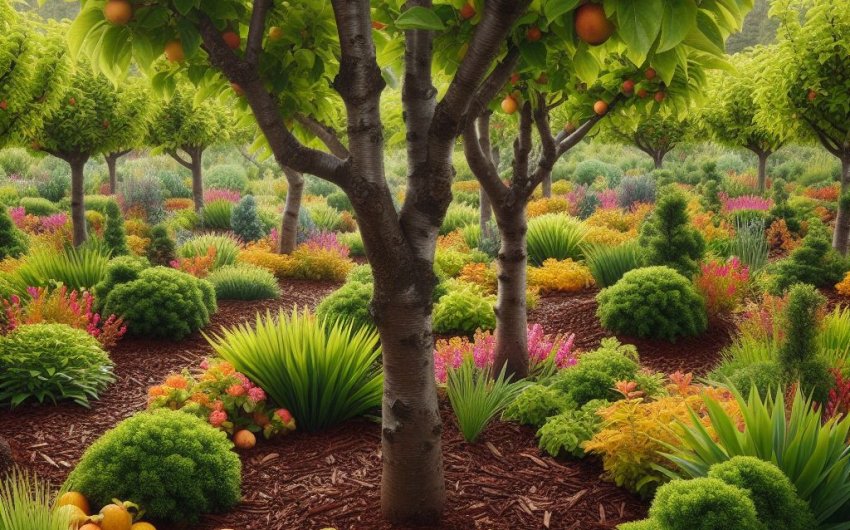
You've invested time and effort into planting your fruit trees, eagerly anticipating their future bounty of apples, peaches, or citrus. But often, once a tree is in the ground, we might consider the hard work done. However, a simple, yet incredibly powerful, practice can significantly enhance the health, productivity, and longevity of your fruit trees: mulching.
Mulching around fruit trees involves applying a layer of material to the soil surface around the base of the tree. This seemingly minor addition offers a cascade of benefits, transforming the soil environment and directly impacting the tree's vigor and yield. Discovering the extensive advantages of this common gardening technique unveils a natural way to support a flourishing orchard, ensuring your trees deliver a sweet and abundant harvest for years to come.
Why is Mulching So Important for Fruit Trees?
Mulching is a simple gardening technique with profound benefits, and for fruit trees, its importance is amplified. These trees are long-term investments that need optimal conditions to thrive and produce consistent, high-quality fruit. Understanding why mulching is so important for fruit trees reveals it as a cornerstone of successful orchard management, contributing to both tree health and environmental sustainability.
It's a practice that nurtures the soil, which in turn nurtures the tree, leading to better fruit and a healthier ecosystem.
Enhances Soil Moisture Retention
One of the most immediate and significant benefits of mulching around fruit trees is its ability to dramatically enhance soil moisture retention. This is critical for fruit trees, which need consistent water to produce juicy fruit and maintain their overall health, especially during dry spells.
- Reduces Evaporation: A layer of mulch acts as a physical barrier between the sun, wind, and the soil surface. This barrier significantly reduces the rate at which water evaporates directly from the soil, keeping the root zone consistently moist for longer periods.
- Minimizes Runoff: In heavy rainfall or during watering, mulch helps slow down the water's movement over the soil surface, allowing more time for the water to infiltrate the soil rather than running off. This ensures more water reaches the roots where it's needed.
- Improves Water Infiltration: Over time, organic mulches break down, adding organic matter to the soil. This improves soil structure, making the soil more porous and better able to absorb and hold water, even after the mulch itself has decomposed.
- Reduces Watering Frequency: Because the soil stays moist for longer, fruit trees surrounded by mulch require less frequent watering, saving time, effort, and precious water resources, particularly important in drought-prone regions.
- Consistent Moisture for Fruit Development: Stable soil moisture is crucial for fruit development, preventing physiological disorders like fruit splitting (common in citrus) that occur due to erratic water supply.
By effectively enhancing soil moisture retention, mulching directly contributes to the hydration and resilience of your fruit trees, ensuring they have the water needed for optimal growth and fruit production.
Suppresses Weed Growth
Weeds are fierce competitors for resources, and mulching around fruit trees is one of the most effective ways to suppress weed growth naturally, without resorting to chemical herbicides.
- Blocks Sunlight: The primary way mulch suppresses weeds is by blocking sunlight from reaching the soil surface. Most weed seeds need light to germinate and grow. A thick enough layer of mulch simply starves them of light, preventing their sprouting.
- Physical Barrier: Even if a weed seed manages to germinate under the mulch, the layer of mulch acts as a physical barrier, making it difficult for the seedling to push through and reach the light.
- Reduces Competition: Fewer weeds mean significantly less competition for essential nutrients and water in the root zone of your fruit tree. This allows your tree to absorb more resources for its own growth and fruit production.
- Avoids Damage from Weeding: By reducing the need for hand-weeding or mechanical cultivation (like hoeing) directly around the base of the tree, mulching helps prevent accidental damage to the tree's delicate shallow feeder roots.
- Environmentally Friendly: This method of weed suppression is entirely eco-friendly, eliminating the need for synthetic herbicides that can pollute soil and water, harm beneficial insects, or pose risks to pets and wildlife.
By effectively suppressing weed growth, mulching frees up valuable nutrients and water for your fruit trees and reduces the labor and potential chemical use associated with weed control.
Regulates Soil Temperature
The soil temperature around fruit tree roots plays a crucial role in their health and activity throughout the year. Mulching acts as an insulator, effectively regulating soil temperature, which benefits trees in both summer and winter.
- Cooler in Summer:
- Protection from Heat Stress: During hot summer months, a layer of mulch shades the soil surface, keeping the soil significantly cooler. This prevents the delicate feeder roots of fruit trees (which are often shallow) from overheating and being damaged by extreme heat.
- Reduced Water Evaporation: Cooler soil also directly contributes to reduced water evaporation, further enhancing moisture retention.
- Warmer in Winter:
- Protection from Cold: In colder climates, mulch provides insulation, helping to keep the soil warmer and preventing drastic temperature fluctuations that can damage roots or cause frost heave (where repeated freezing and thawing push plants out of the ground). This is particularly important for young trees.
- Delayed Freezing/Thawing: It can help delay the onset of deep soil freezing in fall and prevent premature thawing during winter thaws, reducing stress on the tree.
- Consistent Root Activity: Stable soil temperatures (not fluctuating wildly) promote consistent root activity and nutrient uptake, which is essential for healthy tree growth.
- Benefits for Microbes: The microorganisms in the soil (which are vital for nutrient cycling) also prefer more stable temperatures. Mulch helps maintain an environment where these microbes can thrive.
By regulating soil temperature, mulching protects fruit tree roots from damaging temperature extremes, contributing to their year-round health and resilience.
Improves Soil Structure and Fertility
Over time, applying organic mulches improves soil structure and fertility, fundamentally transforming the quality of the earth beneath your fruit trees. This is a long-term investment in the vitality of your orchard.
- Adds Organic Matter: As organic mulches (like wood chips, shredded leaves, or compost) slowly decompose, they are incorporated into the soil profile, significantly increasing the organic matter content of the soil.
- Enhances Soil Structure:
- For Clay Soils: Organic matter helps break up dense, heavy clay soils, creating larger pore spaces for better aeration and drainage. This prevents compaction and waterlogging.
- For Sandy Soils: Organic matter binds loose sand particles together, improving their ability to retain water and nutrients.
- Overall: Creates a more friable (crumbly), workable soil that is ideal for root growth and overall soil health.
- Increases Fertility (Slow Release Nutrients): As organic matter decomposes, it gradually releases essential nutrients (nitrogen, phosphorus, potassium, micronutrients) into the soil in a slow-release form. This provides a consistent, balanced supply of food for the fruit trees, reducing the need for synthetic fertilizers.
- Boosts Microbial Life: Organic matter is the food source for the vast network of beneficial microorganisms in the soil (the soil food web). A thriving microbial community enhances nutrient cycling, improves disease suppression, and supports symbiotic relationships (like mycorrhizal fungi) that extend the root's reach.
- Buffers pH: Organic matter helps stabilize soil pH, making nutrients more available to the tree.
By consistently applying mulch, you are actively building a healthier, more fertile, and biologically active soil ecosystem that directly supports the long-term vigor and productivity of your fruit trees.
Prevents Damage from Mowers and Trimmers
This is a very practical and common benefit: mulching around fruit trees effectively prevents damage from mowers and trimmers, which can otherwise cause severe injury to young trees.
- Trunk Protection: When grass or weeds grow right up to the base of a fruit tree trunk, there's a high risk that lawnmowers will accidentally "ring" the trunk (remove a strip of bark all the way around) or string trimmers will sever the delicate bark.
- Girdling Damage:
- Cambium Layer: The bark of a tree contains the cambium layer, which is crucial for transporting water and nutrients between the roots and the rest of the tree.
- Fatal Injury: If the cambium layer is damaged all the way around the trunk (known as girdling), it severs these vital pathways, effectively starving the tree of water and nutrients. This damage is often fatal, especially for young trees.
- Mulch as a Buffer: A ring of mulch around the fruit tree creates a clear, visible buffer zone. This prevents grass from growing right up to the trunk, eliminating the need to mow or trim directly near the sensitive bark.
- Weed-Free Zone: The mulch also keeps this critical area weed-free, so you don't need to hand-weed close to the trunk, further reducing the risk of accidental damage.
By creating a protected, mulched zone around the base of your fruit trees, you safeguard their vulnerable trunks from mechanical injury, ensuring their long-term health and survival.
Types of Mulch for Fruit Trees
When considering mulching around fruit trees, the type of mulch you choose is important. Different materials offer varying benefits and suitability for specific climates and tree needs. Broadly, mulches fall into organic and inorganic categories. For fruit trees, organic mulches are generally preferred due to their added benefits to soil health.
Selecting the right mulch helps maximize the advantages for your trees and minimizes any potential drawbacks.
Organic Mulches (Recommended)
Organic mulches are derived from natural, once-living materials. They are generally recommended for fruit trees due to their multiple benefits to soil health as they decompose.
- Wood Chips:
- Pros: Excellent for fruit trees. Decompose slowly, providing long-lasting mulch cover. Improve soil structure and gradually release nutrients. Suppress weeds very effectively. Readily available and often inexpensive or free from arborists.
- Cons: Can temporarily tie up nitrogen as they decompose (nitrogen "rob"); ensure you apply a slow-release nitrogen fertilizer with fresh wood chips or use aged wood chips.
- Application: Use a 2-4 inch layer, keeping it 6-12 inches away from the tree trunk. You can find large bags of arborist wood chips or bulk shredded hardwood mulch.
- Arborist Chips (Mixed Wood Chips): Often considered the best because they are a mix of wood, bark, and leaves, providing a more balanced carbon-to-nitrogen ratio than pure wood chips, and thus less likely to cause a nitrogen deficit.
- Shredded Bark (Bark Nuggets):
- Pros: Similar to wood chips but often more decorative. Decompose slowly.
- Cons: Can be more expensive.
- Straw:
- Pros: Lightweight, inexpensive, good for newly planted trees, excellent weed suppression, and moderates soil temperature. Breaks down relatively quickly, adding organic matter.
- Cons: Can blow away easily, may contain weed seeds if not "weed-free" straw.
- Application: Apply a 3-6 inch layer, keeping away from the trunk. You can find weed-free straw for gardening.
- Compost:
- Pros: The ultimate soil amendment. Provides nutrients, improves soil structure, boosts microbial life, and retains moisture. Already decomposed, so no nitrogen tie-up.
- Cons: Can be more expensive to buy in bulk.
- Application: Apply a 1-2 inch layer. It's a great choice to apply first, then cover with a longer-lasting mulch like wood chips. A bag of organic garden compost can be beneficial.
- Shredded Leaves:
- Pros: Free, excellent source of organic matter, good moisture retention, weed suppression.
- Cons: Can mat down if applied too thickly when wet, which can impede water and air.
- Application: Shredded is better than whole. Apply a 2-4 inch layer.
- Pine Needles:
- Pros: Good aesthetic, decompose slowly, may add slight acidity which some fruit trees (like blueberries) prefer.
- Cons: Can form a dense mat if applied too thickly.
When using organic mulches, always ensure they are from untreated sources to avoid introducing harmful chemicals to your fruit trees.
Inorganic Mulches (Use with Caution)
Inorganic mulches are non-living materials. While they offer some benefits, they do not decompose and thus do not improve soil structure or add nutrients like organic mulches. They should be used with caution around fruit trees.
- Pebbles/Gravel:
- Pros: Permanent, no decomposition, neat appearance, good for drainage, good weed suppression if a landscape fabric barrier is underneath.
- Cons: Do not improve soil fertility or structure. Can absorb and radiate heat, potentially stressing fruit tree roots in hot climates. Difficult to remove if you need to amend the soil. Can make fertilizing difficult.
- Recommendation: Generally not recommended for fruit trees due to heat retention and lack of soil improvement.
- Black Plastic Sheeting:
- Pros: Excellent weed suppression, warms soil quickly in spring (beneficial for some heat-loving plants).
- Cons: Does not allow water or air to penetrate the soil, which is extremely detrimental to fruit trees over time. Can overheat soil, kill beneficial microorganisms, and restrict gas exchange. Prone to tearing.
- Recommendation: Strongly discouraged for long-term mulching around fruit trees. Use only for very temporary weed suppression before planting or in specific, short-term scenarios, and remove before planting.
- Landscape Fabric/Weed Barrier Fabric:
- Pros: Allows water and air to pass (unlike plastic), good weed suppression, lasts longer than organic mulches.
- Cons: Does not add organic matter or improve soil health. Can impede water penetration over time as fine soil particles clog the fabric. Roots can grow into the fabric, making removal difficult. Can become exposed and unsightly over time.
- Recommendation: Use sparingly for fruit trees. Better to use a thick layer of organic mulch directly on the soil, which allows for natural soil improvement.
For fruit trees, the long-term health benefits from organic mulches far outweigh any short-term convenience of inorganic mulches. Prioritize those that feed your soil.
How to Apply Mulch Correctly Around Fruit Trees?
Applying mulch correctly is just as important as choosing the right type. Incorrect application can actually harm your fruit trees, negating all the potential benefits. Follow these precise steps to ensure your mulching efforts contribute positively to your trees' health.
It's all about providing a beneficial buffer, not creating a problem.
1. Prepare the Area First
Before laying down any mulch, it's crucial to prepare the area first. This ensures the mulch is effective and doesn't trap existing problems.
- Clear Weeds and Grass: Remove all existing weeds and grass from the area where you plan to apply mulch. This can be done by hand-pulling, hoeing, or by laying down a layer of wet newspaper or cardboard first (as an initial "brown" layer that decomposes). Do not spray herbicides near your fruit trees.
- Why: You don't want to simply cover weeds, as they might grow through the mulch or germinate underneath it. Starting with a clean slate makes the mulch more effective at weed suppression.
- Water the Area (If Dry): If the soil around your fruit tree is dry, water it thoroughly before applying mulch.
- Why: Mulch helps retain moisture, but it can't create it. You want to lock in existing moisture. Trying to water through a thick layer of dry mulch can be difficult.
- Loosen Compacted Soil (Optional but Recommended): If the soil around the tree is very compacted, gently loosen the top 1-2 inches with a hand trowel or garden fork, taking care not to disturb the tree's roots.
- Why: Improves aeration and allows water and nutrients to penetrate more easily once mulch is applied.
- Define the Mulch Ring: Clearly define the area you plan to mulch. This helps with even application and a tidy appearance. A garden hoe can be used to create a small trench for the boundary.
Preparing the area first creates a clean, moist, and receptive foundation for your mulch, ensuring it provides maximum benefits to your fruit trees.
2. Form a "Donut" Shape (Avoid "Volcano Mulching")
This is perhaps the most critical rule for applying mulch correctly around fruit trees: form a "donut" shape and absolutely avoid "volcano mulching".
- The "Donut" (Correct Way):
- How: Apply mulch in an even layer around the fruit tree, extending outward from the trunk, but leaving a clear, unmulched space of 6-12 inches (or more for mature trees) directly around the tree trunk. The mulch should look like a donut, with the trunk in the center of the hole.
- Why it's Correct: This allows airflow around the trunk, prevents moisture buildup against the bark, and lets rainwater reach the root collar directly.
- "Volcano Mulching" (Incorrect Way):
- What it is: Piling mulch in a cone or "volcano" shape directly against the tree trunk, often mounding it several inches high up the bark.
- Why it's Harmful:
- Trunk Rot: Traps excessive moisture against the bark, creating ideal conditions for fungal diseases (like crown rot or root rot) that can girdle and kill the tree. The bark is meant to be exposed to air.
- Pest Harbor: Creates a sheltered, moist hiding place for rodents (mice, voles) that can chew on the bark, girdling the tree.
- Adventitious Roots: Can cause the tree to grow shallow, adventitious roots into the mulch layer, which can then be susceptible to drying out or girdling as the mulch decomposes.
- Suffocation: Can inhibit gas exchange at the root flare (where roots meet the trunk).
Always remember the "donut" shape: mulch around the tree, not on the trunk. This simple distinction is paramount for fruit tree health and survival.
3. Apply the Correct Depth
The correct depth of your mulch layer is important for maximizing benefits while avoiding problems. Too thin, and it won't be effective; too thick, and it can cause issues.
- Ideal Depth: Aim for a consistent layer of mulch that is 2-4 inches deep.
- For finer materials (like shredded leaves or pine needles), you might go slightly thicker (3-4 inches).
- For coarser materials (like large wood chips), 2-3 inches might be sufficient.
- Why Depth Matters:
- Too Thin (< 2 inches): Won't effectively suppress weeds, will dry out too quickly, and won't provide sufficient soil temperature regulation.
- Too Thick (> 4 inches): Can impede water and oxygen penetration to the soil. In heavy rain, it might prevent water from reaching the roots effectively. Can sometimes create an anaerobic layer underneath, promoting less desirable decomposition processes.
- Nitrogen Robbing (with fresh wood chips): Very thick layers of fresh, undecomposed wood chips can temporarily deplete nitrogen from the topsoil as microorganisms use it to break down the carbon-rich wood. Keeping the layer to 2-4 inches helps mitigate this, and an initial application of nitrogen fertilizer can help.
- Maintenance: As organic mulches decompose over time, they will thin out. You'll need to replenish the mulch layer every year or two, reapplying another 1-2 inches to maintain the desired depth.
Applying the correct depth of mulch ensures optimal moisture retention, weed suppression, and temperature regulation for your fruit trees without causing any unintended harm.
4. Extend to the Drip Line (or Beyond)
To fully capture all the benefits of mulching, especially for mature fruit trees, it's beneficial to extend the mulch layer to the drip line (or even beyond).
- What is the Drip Line?: The drip line is the imaginary circle on the ground directly beneath the outermost branches of your fruit tree's canopy. This is typically where the tree's feeder roots (the fine roots responsible for absorbing water and nutrients) are most active and concentrated.
- Why Extend the Mulch?:
- Maximizes Root Zone Protection: By mulching out to the drip line, you are covering the majority of the active root system, maximizing the benefits of moisture retention, temperature regulation, weed suppression, and soil improvement exactly where the tree needs it most.
- Reduces Competition: Prevents grass and weeds from competing with the fruit tree's essential feeder roots, which can spread far from the trunk.
- Optimal Nutrient Cycling: Creates an ideal environment for microorganisms that cycle nutrients throughout the larger root zone.
- Improves Water Penetration: Helps retain rainwater and irrigation water directly over the tree's extensive root system.
- Ideal Scenario: For very mature fruit trees, ideally, the entire area under the tree's canopy would be mulched. If this is not practical, extending the mulch ring as far out as possible, at least 3-4 feet (1 meter) in diameter for young trees, and expanding it as the tree grows, is highly beneficial.
- Avoiding Lawn Mower Damage: An extended mulch ring also further protects the trunk and shallow roots from accidental damage by lawnmowers and string trimmers.
Extending the mulch to the drip line maximizes the protective and beneficial effects for your fruit tree's entire active root system, promoting comprehensive health and vigor.