
How to Combat Fruit Flies in Your Garden?
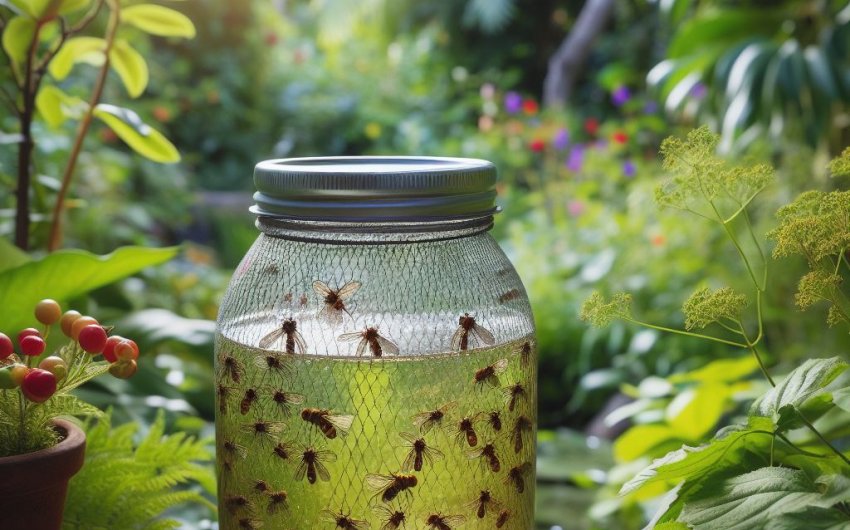
Fruit flies can be incredibly annoying, whether they're buzzing around your kitchen or swarming your precious garden produce. These tiny insects seem to appear out of nowhere, especially when fruits and vegetables start to ripen. While they might seem harmless at first glance, a large population can quickly become a nuisance, laying eggs on ripening crops and potentially introducing unwanted bacteria or fungi.
Dealing with fruit flies in the garden requires a slightly different approach than battling them indoors. You can't just set out a small trap and call it a day when you're dealing with an outdoor environment. This guide will help you understand why fruit flies love your garden and, more importantly, equip you with the best strategies to combat them, protecting your harvest and restoring peace to your outdoor space.
What Are Fruit Flies and Why Are They in My Garden?
Understanding your opponent is the first step in winning the battle. Fruit flies are more than just tiny nuisances; they have specific needs that draw them to your garden.
What Do Fruit Flies Look Like?
Fruit flies (Drosophila melanogaster is the common type) are very small, usually about 1/8 of an inch long. They have a tan or brownish body and distinctive red eyes. They are often mistaken for fungus gnats, but fruit flies are attracted to fermenting organic matter, while fungus gnats prefer damp soil and decaying plant material in pots.
What Attracts Fruit Flies to My Garden?
Fruit flies are primarily attracted to fermenting fruit and vegetables.
- Ripening Produce: As fruits and vegetables ripen on the vine or fall to the ground, they release sugars and begin to ferment, creating an irresistible scent for fruit flies. This includes anything from tomatoes and berries to fallen apples and overripe peaches.
- Damaged or Split Produce: Any crack or damage on a fruit or vegetable allows the sugars to leak out and fermentation to begin, drawing in the flies.
- Leftover Scraps: If you compost or leave garden waste (like culled tomatoes or fallen berries) in the garden, these can become breeding grounds.
- Sweet Smells: While ripening fruit is the main draw, any sweet, fermenting smell can attract them.
What Problems Do Fruit Flies Cause in the Garden?
While fruit flies don't directly feed on healthy plant tissue, they can still be problematic:
- Egg Laying: They lay their eggs on the surface of ripening fruit. While the larvae (maggots) are tiny and generally feed on the fermenting fruit itself, it's still unpleasant to find them.
- Spoilage: Their activity can speed up the spoilage of fruit, especially if the fruit is already damaged.
- Vector for Disease: There's a risk they can carry bacteria and fungal spores from one piece of fruit to another, potentially spreading plant diseases, though this is less common than with some other pests.
- Nuisance: A large swarm of fruit flies makes gardening unpleasant and can quickly migrate indoors once you bring in your harvest.
How Can I Prevent Fruit Flies from Appearing in My Garden?
Prevention is always the best strategy when it dealing with pests. By taking proactive steps, you can make your garden much less appealing to fruit flies.
Practice Good Garden Hygiene
This is the absolute most important step. Fruit flies thrive on decaying organic matter.
- Prompt Harvesting: Harvest fruits and vegetables as soon as they ripen. Don't leave ripe produce on the plant for too long.
- Remove Fallen Produce: Regularly check under plants and remove any fruits or vegetables that have fallen to the ground. Even small dropped berries can be a magnet.
- Discard Damaged Produce: If you find a fruit that is bruised, split, or showing signs of rot, remove it immediately. Don't leave it in the garden.
- Proper Composting: If you have a compost pile in your garden, ensure it's well-managed. Bury fresh food scraps deeply within the pile or use an enclosed compost tumbler to prevent access by flies. The Epica Compost Bin is a good option for containing scraps before composting.
- Clean Up Garden Beds: After harvesting a plant, remove all remaining fruit and vegetable debris from the bed.
Use Physical Barriers
Sometimes, simply covering your ripening produce can be enough to deter fruit flies.
- Row Covers: For smaller plants or rows of crops (like strawberries or low-growing tomatoes), you can use fine insect netting or floating row covers over your plants. Ensure the edges are secured to the ground so flies can't crawl underneath. The Agfabric Garden Netting is a suitable option.
- Individual Bagging: For larger fruits like tomatoes, you can bag individual ripening fruits with breathable mesh bags. These usually have a drawstring to secure them around the stem.
- Netting for Fruit Trees/Bushes: For fruit trees or berry bushes, a fine mesh netting draped over the entire plant can protect the ripening fruit. This is more practical for smaller trees or bushes.
Plant Strategically
While not a direct repellent, certain planting strategies can help.
- Proper Spacing: Ensure your plants are spaced adequately for good air circulation. This helps ripen fruit more evenly and quickly, reducing the time it's susceptible to flies.
- Maintain Plant Health: Healthy, vigorous plants are generally less attractive to pests and can ripen their fruit more efficiently.
What Are Natural and Organic Methods to Combat Fruit Flies?
If prevention isn't enough, or if you're dealing with an existing problem, there are several organic and natural approaches you can try.
Make Homemade Traps
These are very effective for attracting and trapping fruit flies.
- Apple Cider Vinegar Traps: This is a classic. Pour about an inch of apple cider vinegar into a jar or shallow bowl. Add a few drops of dish soap (this breaks the surface tension of the liquid, so the flies sink). You can cover the top with plastic wrap and poke small holes, or simply leave it open. The flies are attracted to the vinegar, land on the surface, and drown. Place these traps near your ripening plants.
- Fruit Bait Traps: Use a piece of overripe fruit (like a banana peel or a piece of melon) as bait in a similar jar setup.
- Molasses/Beer Traps: A shallow dish of old beer or a mixture of molasses and water can also attract and trap them.
- Placement: Place multiple traps in affected areas, refreshing them every few days, especially if they fill up or the bait dries out.
Use Commercial Traps
If you prefer ready-made solutions, there are effective fruit fly traps available.
- Sticky Traps: While primarily for fungus gnats, yellow sticky traps can also catch some adult fruit flies. Place them near affected plants. The Garsum Sticky Traps are widely available.
- Commercial Liquid Traps: Some brands offer specialized liquid baits and traps designed specifically for fruit flies, like the Rescue! Fruit Fly Trap. These often use a food-grade lure to attract the flies into a chamber where they can't escape.
Encourage Beneficial Insects
While not directly targeting fruit flies, creating a healthy ecosystem can help manage overall pest populations.
- General Predators: Ladybugs, lacewings, and parasitic wasps are general predators that might consume fruit fly eggs or larvae, though this is less common than with other garden pests.
- Diversity: Planting a variety of flowering plants (especially native plants) can attract these beneficial insects.
Use Diatomaceous Earth
Diatomaceous Earth (DE) is a natural, powdery substance made from the fossilized remains of diatoms. It works by scratching the waxy outer layer of insects, causing them to dehydrate.
- Application: Lightly dust ripening fruits (especially those already showing minor damage) and the soil surface around affected plants. Ensure you use food-grade Diatomaceous Earth like the HARRIS Diatomaceous Earth Food Grade.
- Caution: Wear a mask when applying to avoid inhaling the fine dust. It loses effectiveness when wet, so reapply after rain or heavy watering.
What About Chemical or More Aggressive Methods?
For home gardeners, chemical insecticides are generally not recommended for fruit flies directly on ripening produce due to potential residues and impact on beneficial insects. However, understanding limited scenarios might be useful.
Are Insecticides Necessary?
For common fruit flies (Drosophila melanogaster), widespread insecticide spraying in the garden is rarely necessary or effective. These flies are highly mobile and reproduce rapidly. Also, spraying chemicals on fruits and vegetables you intend to eat is problematic.
Focus on Source Control
Instead of spraying, the most effective "aggressive" method for fruit flies is aggressive source removal. If you eliminate their food source (overripe fruit) and breeding grounds, their numbers will drastically decline.
- Intense Cleanup: If you have a severe infestation, you might need to be extra diligent about removing every single piece of decaying fruit. This means daily checks and immediate disposal.
- Bagging: As mentioned before, bagging individual fruits can be a barrier.
What About Other Types of Fruit Flies (e.g., Spotted Wing Drosophila)?
It's important to note that this guide primarily focuses on the common fruit fly (Drosophila melanogaster). However, there's another, more destructive type called the Spotted Wing Drosophila (Drosophila suzukii).
- Difference: Unlike common fruit flies that prefer fermenting fruit, Spotted Wing Drosophila (SWD) can lay eggs in healthy, ripening fruit before it ferments. This makes them a much more serious pest for berries, cherries, and other soft-skinned fruits.
- Signs of SWD: Small, pin-prick holes on ripening fruit, followed by collapsing fruit and tiny white larvae inside.
- Control for SWD: Control for SWD is more challenging and might require more targeted approaches, including specific commercial traps (often with vinegar and yeast bait), and sometimes targeted organic insecticides (like Spinosad) if infestations are severe and you are willing to use them, always checking harvest intervals. For home gardeners, excellent sanitation and netting are still primary defenses against SWD.
How Can I Keep Fruit Flies Out of My House Once Harvested?
Even if you manage fruit flies in the garden, they can quickly become a nuisance indoors if you bring them in with your harvest.
Inspect Your Harvest
- Before Bringing Indoors: Thoroughly inspect all harvested fruits and vegetables before bringing them into your kitchen. Look for any damaged spots, pinholes, or tiny larvae.
- Separate Problem Produce: If you find any questionable items, set them aside for immediate processing (like cooking) or discard them far away from your house.
Wash or Process Quickly
- Rinse Produce: Once indoors, gently rinse most fruits and vegetables under cool water to remove any lingering fruit fly eggs or adults.
- Refrigerate Promptly: Refrigerate ripe produce as soon as possible. Cold temperatures slow down or stop the ripening process and make it less appealing to fruit flies.
- Process Immediately: If you plan to make jam, sauce, or other preserves, process the fruit quickly after harvesting.
Control Indoor Fruit Flies
If a few fruit flies manage to get inside, use indoor strategies:
- Kitchen Cleanliness: Immediately clean up any spills, wipe down counters, and don't leave ripe fruit out uncovered. Store fruit in the refrigerator or in sealed containers.
- Empty Bins: Empty fruit bowls and kitchen compost bins daily.
- Indoor Traps: Use small indoor fruit fly traps (like the apple cider vinegar and dish soap method) to catch any stray flies that made it inside.
By combining good garden hygiene, physical barriers, and targeted traps, you can effectively combat fruit flies in your garden and enjoy your homegrown bounty without the buzz.