
Best Bulbs to Plant in Fall for Spring Blooms
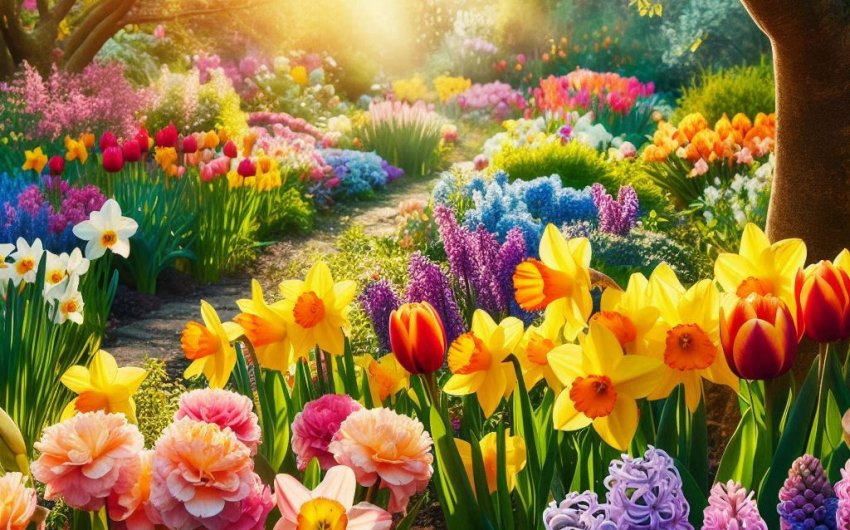
As autumn arrives, many gardeners turn their thoughts to spring. The secret to a vibrant display of color in your garden next year lies in what you plant now. Choosing the best bulbs to plant in fall for spring blooms is a key step. This guide will walk you through the top choices, ensuring your garden bursts with life as soon as the frost melts. Planting bulbs in autumn allows them to establish roots during the cooler months. This prepares them for a spectacular show when warmer weather returns.
What Are the Best Bulbs for Early Spring Color?
For those eager to see the first signs of spring, several bulbs are ideal. These early bloomers often push through lingering snow. They provide much-needed cheer after a long winter.
- Snowdrops (Galanthus nivalis): These delicate white flowers are often the very first to appear. They are resilient and naturalize well, meaning they spread over time. Plant them in drifts for a magical effect. Snowdrops prefer partial shade and well-drained soil. A bag of Snowdrop bulbs can transform a winter-weary garden.
- Winter Aconite (Eranthis hyemalis): Bright yellow, cup-shaped flowers emerge even before snowdrops in some regions. They form a cheerful carpet under deciduous trees. Like snowdrops, they enjoy partial shade and moist soil. They are also known to naturalize easily.
- Crocus: A classic early spring bulb, crocuses come in a wide range of colors. You can find purple, yellow, white, and striped varieties. They are perfect for rock gardens, lawns, or along pathways. Crocus bulbs are relatively small but deliver a big impact. Consider a mix of Giant Crocus bulbs for varied color.
- Siberian Squill (Scilla siberica): These charming blue bells create a sea of color. They are very hardy and naturalize quickly. They thrive in partial shade and are excellent for woodland gardens or under shrubs. Their intense blue is a welcome sight.
Which Bulbs Offer Mid-Spring Brilliance?
Mid-spring is when most gardens truly come alive. A wider variety of bulbs reach their peak during this period. These flowers provide sustained color from late March through April, depending on your climate.
- Daffodils (Narcissus): Perhaps the most iconic spring flower after the tulip. Daffodils are incredibly diverse. They range from small, multi-flowered varieties to large trumpets. Colors include yellow, white, orange, and even pink. They are deer and rodent resistant, a big plus for many gardeners. Plant large quantities of Daffodil bulbs for a stunning display.
- Trumpet Daffodils: Classic large single flowers.
- Large-Cupped Daffodils: Cups are more than one-third the length of the petals.
- Small-Cupped Daffodils: Cups are less than one-third the length of the petals.
- Double Daffodils: Have extra petals, sometimes resembling a peony.
- Poeticus Daffodils: Fragrant, with small, flat cups and white petals.
- Tulips (Tulipa): Tulips are celebrated for their incredible array of shapes, sizes, and colors. From early to late bloomers, you can plan a continuous tulip display. They are truly versatile. However, tulips are often seen as an annual in many regions because rodents and deer love them.
- Darwin Hybrid Tulips: Large, classic tulip shape, very strong stems, great for cutting.
- Triumph Tulips: A huge range of colors and forms, mid-season bloomers.
- Single Early Tulips: Bloom in early to mid-spring, shorter stems.
- Double Early Tulips: Peony-like flowers that bloom early.
- Fringed Tulips: Petals have delicate fringed edges.
- Lily-Flowered Tulips: Elegant, slender flowers with pointed, reflexed petals.
- Parrot Tulips: Large, ruffled, and often multicolored petals. A mixed bag of Tulip bulbs provides an exciting surprise.
- Hyacinths (Hyacinthus orientalis): Known for their intense fragrance and dense flower spikes. Hyacinths add a punch of color and scent to spring gardens. They come in shades of blue, pink, white, purple, and yellow. Plant them near walkways or windows to enjoy their perfume. Hyacinth bulbs are relatively large and easy to plant.
- Grape Hyacinths (Muscari armeniacum): These small, bell-shaped flowers resemble miniature bunches of grapes. They are typically blue but also come in white or pink. Muscari naturalizes readily and forms delightful carpets of color. They are perfect for borders or mixed with other bulbs. They are also excellent for forcing indoors.
- Fritillaria: This genus includes a wide range of interesting bulbs.
- Crown Imperial (Fritillaria imperialis): A dramatic, tall plant with bell-shaped flowers topped with a crown of leaves. It has a distinctive, somewhat skunky odor that deters rodents. Colors include orange, red, and yellow.
- Checkered Lily (Fritillaria meleagris): Delicate, bell-shaped flowers with a fascinating checkerboard pattern. They come in shades of purple and white. They prefer moist, well-drained soil and partial shade.
What Bulbs Extend the Spring Show into Late Spring?
To ensure your garden remains vibrant until summer perennials take over, include late-blooming bulbs. These varieties typically flower from late April into May. They bridge the gap between early spring bulbs and summer annuals.
- Alliums: These ornamental onions offer striking architectural interest. They come in various sizes, from small clusters to large, globe-shaped flowers. Alliums are deer and rodent resistant. They are perfect for adding height and unique form to borders.
- 'Globemaster' Allium: One of the most popular large varieties, forming huge purple globes.
- 'Purple Sensation' Allium: Smaller than 'Globemaster' but still impressive, with deep purple flowers.
- Drumstick Allium (Allium sphaerocephalon): Egg-shaped maroon flowers on slender stems, blooming later in the season.
- Star of Persia (Allium christophii): Large, airy globes of starry purple flowers. A mix of Allium bulbs ensures continuous interest.
- Camassia: Native to North America, Camassia produces tall spikes of star-shaped flowers. They come in shades of blue, white, and cream. They thrive in moist, sunny locations and are excellent for naturalizing in meadows or damp areas. They are a good alternative to delphiniums in some climates.
- Dutch Iris (Iris hollandica): While many irises bloom later, Dutch irises are bulbous and flower in late spring. They have delicate, orchid-like flowers in shades of blue, purple, yellow, and white. They are excellent for cutting and adding to bouquets. Plant Dutch Iris bulbs in a sunny spot with good drainage.
How Do I Choose the Right Bulbs for My Region?
Selecting the correct bulbs involves understanding your local climate. Hardiness zones are key. Most fall-planted bulbs require a period of cold to flower properly. This chilling period mimics winter conditions.
- USDA Hardiness Zones: These zones indicate the average annual extreme minimum winter temperature. Most bulb packaging will specify the suitable zones.
- Chilling Requirements: Some bulbs, especially tulips and hyacinths, need a certain number of weeks at cold temperatures (below 45°F or 7°C) to bloom. In warmer climates (Zone 8 and above), you might need to pre-chill your bulbs in the refrigerator for 6-12 weeks before planting.
- Sunlight: Assess the amount of sun your planting area receives.
- Full Sun: At least 6 hours of direct sunlight per day. Most spring bulbs prefer full sun.
- Partial Shade: 3-6 hours of sun, or dappled light all day. Some bulbs like snowdrops, winter aconite, and scilla tolerate or prefer partial shade.
- Full Shade: Less than 3 hours of direct sunlight. Few bulbs thrive in full shade, but some might tolerate it.
- Soil Type: Well-drained soil is crucial for bulbs. They rot in soggy conditions. If your soil is heavy clay, amend it with organic matter like compost or sand to improve drainage.
When Is the Best Time to Plant Fall Bulbs?
Timing is crucial for successful fall bulb planting. Plant them when the soil has cooled down. The ideal time is usually after the first hard frost but before the ground freezes solid. This gives the bulbs enough time to establish roots before winter sets in.
- Northern Climates (Zones 3-5): Plant from late September to October.
- Mid-Atlantic/Midwest (Zones 6-7): Plant from October to early November.
- Southern Climates (Zones 8-9): Plant from November to early December. If pre-chilling, ensure this process is completed before your planting window.
- Warmest Climates (Zone 10+): Pre-chill is almost always necessary. Plant in late December to January after chilling.
Why Fall Planting? Fall planting allows bulbs to develop strong root systems during the cool, moist autumn. This preparation is essential for vigorous growth and abundant blooms in spring. It also exposes them to the cold temperatures they need to initiate flowering.
How Do I Plant Bulbs Correctly for Optimal Blooms?
Proper planting techniques ensure your bulbs thrive. A little effort now will yield big rewards in spring.
- Choose a Location: Select a site with appropriate sunlight and good drainage. Consider how the area will look when the bulbs are in bloom. Think about color combinations and heights.
- Prepare the Soil:
- Loosen the soil to a depth of at least 12 inches (30 cm).
- Amend heavy clay soil with compost or grit to improve drainage.
- Add a slow-release granular fertilizer specifically for bulbs, such as Espoma Bulb-tone, to the bottom of the planting hole. Avoid high-nitrogen fertilizers.
- Dig the Hole:
- A general rule is to plant bulbs at a depth two to three times their height. For example, a 2-inch bulb should be planted 4-6 inches deep.
- For larger bulbs like daffodils and tulips, this might be 6-8 inches deep.
- Smaller bulbs like crocus and muscari might be 3-4 inches deep.
- You can use a bulb planter tool for individual holes.
- Place the Bulb:
- Always plant bulbs with the pointed end facing upwards. This is where the sprout will emerge.
- The flatter, root side should face downwards.
- If you can't tell which end is up (e.g., some fritillaria or allium), plant it on its side, and it will generally find its way.
- Spacing:
- Plant bulbs in groups or drifts rather than single rows. This creates a more natural and impactful display.
- Space larger bulbs (daffodils, tulips) about 4-6 inches (10-15 cm) apart.
- Space smaller bulbs (crocus, muscari) about 2-3 inches (5-7.5 cm) apart.
- Cover and Water:
- Backfill the hole with soil, gently firming it down.
- Water thoroughly immediately after planting. This helps settle the soil and initiates root growth.
- Mulch:
- Apply a 2-3 inch layer of mulch (shredded leaves, wood chips, straw) over the planting area. This helps to:
- Insulate the bulbs from extreme temperature fluctuations.
- Conserve soil moisture.
- Suppress weeds.
- Apply a 2-3 inch layer of mulch (shredded leaves, wood chips, straw) over the planting area. This helps to:
What Are Common Pests and Diseases of Spring Bulbs?
While generally robust, spring bulbs can face issues. Awareness and timely action are important.
- Rodents: Voles, squirrels, and mice love to eat tulip and crocus bulbs. Daffodils and alliums are generally resistant.
- Prevention: Plant resistant varieties. Place sharp grit or chicken wire beneath and around vulnerable bulbs. Use a repellent like Shake-Away Rodent Repellent.
- Deer: Deer will browse tulip foliage and flowers. They usually avoid daffodils and alliums.
- Prevention: Plant deer-resistant bulbs. Use deer repellents. Physical barriers like fencing are most effective.
- Slugs and Snails: These pests can damage emerging foliage and flowers, especially in damp conditions.
- Prevention: Use slug baits or traps. Encourage natural predators like birds and toads.
- Fungal Diseases (e.g., Basal Rot): Often caused by poor drainage. Bulbs become soft and mushy.
- Prevention: Ensure well-drained soil. Discard any bulbs that show signs of rot before planting. Avoid overwatering.
How Do I Care for Bulbs After They Bloom?
The care you provide after flowering is critical for future blooms.
- Deadhead Spent Flowers: Once the flowers fade, snip off the flower heads. This prevents the plant from expending energy on seed production. Instead, it directs energy back into the bulb for next year's bloom. Do NOT remove the foliage.
- Allow Foliage to Mature: This is the most important step for perennializing bulbs. The leaves collect sunlight and photosynthesize. This process builds up energy stores in the bulb for the following year.
- Allow the foliage to remain until it turns yellow and dies back naturally (usually 6-8 weeks after flowering).
- Do NOT braid, tie, or cut the green foliage.
- Fertilize (Optional): After blooming, you can apply a balanced granular fertilizer, like a 5-10-5 blend. This gives the bulbs a boost as they store energy. However, if you amended the soil at planting, this might not be strictly necessary every year.
- Water (If Dry): If spring is unusually dry after flowering, continue to water the bulbs occasionally until the foliage dies back.
- Dividing and Replanting (Every Few Years): Many bulbs, especially daffodils and grape hyacinths, naturalize and form clumps. Over time, these clumps can become overcrowded, leading to fewer or smaller blooms.
- When the foliage has died back in late summer, carefully dig up the clump.
- Gently separate the individual bulbs.
- Replant them immediately at appropriate spacing, or store them in a cool, dry, dark place until fall. This revitalizes the planting and ensures continued robust blooms.
Can I Force Spring Bulbs Indoors?
Yes! Many of the best bulbs to plant in fall for spring blooms can also be forced indoors. This allows you to enjoy their beauty and fragrance during the winter months.
- Best Bulbs for Forcing:
- Paperwhites (Narcissus tazetta): Do not require chilling. Can be forced in water with pebbles.
- Hyacinths: Excellent for fragrance. Many kits allow forcing in special hyacinth glasses with water.
- Crocus: Can be forced in shallow pots.
- Daffodils (especially smaller varieties): Respond well to forcing.
- Tulips: More challenging but possible.
- Basic Forcing Steps (for bulbs requiring chilling):
- Potting: Plant bulbs snugly in a pot with drainage holes, using a good quality potting mix. Leave the tips of the bulbs exposed.
- Chilling: Place the potted bulbs in a cold, dark place (e.g., unheated garage, shed, refrigerator) for 10-16 weeks. The temperature should be consistently between 35-45°F (1-7°C). Keep the soil slightly moist.
- Bringing Indoors: Once the chilling period is complete and you see sprouts, bring the pots into a cool, brightly lit room.
- Blooming: As shoots grow, move them to a warmer, brighter spot. Water as needed. Enjoy your indoor blooms!
What Are Some Creative Planting Ideas for Spring Bulbs?
Beyond simple rows, there are many ways to use fall-planted bulbs to enhance your garden's aesthetic.
- Naturalized Drifts: Plant bulbs like snowdrops, crocus, and daffodils in sweeping, informal drifts. This mimics their natural growth patterns and looks incredibly charming. Throw bulbs on the ground and plant them where they land for a truly natural look.
- Layering (Lasagna Planting): Create a continuous display of blooms in a single container or garden bed.
- Plant the largest, latest-blooming bulbs (e.g., tulips, daffodils) at the deepest layer.
- Add a layer of soil.
- Plant mid-season bulbs (e.g., hyacinths) on top.
- Add more soil.
- Plant early-blooming, smaller bulbs (e.g., crocus, muscari) on the top layer.
- Cover with soil and water.
- Under Trees and Shrubs: Many early spring bulbs, like snowdrops, winter aconite, and scilla, thrive in the dappled shade under deciduous trees and shrubs. They bloom before the tree leaves emerge, maximizing their sun exposure.
- Container Gardens: Use bulbs in pots for movable color. This is especially useful for small spaces or for adding pops of color to patios and doorways. Ensure containers have drainage holes.
- Borders and Edging: Line walkways, driveways, or garden beds with colorful bulbs for a defined and welcoming look. Crocus, muscari, and low-growing daffodils work well here.
- Cutting Garden: Dedicate a space to grow extra tulips, daffodils, and Dutch irises specifically for cutting. This allows you to bring the beauty of spring indoors without depleting your garden display.
- Complementary Plantings: Mix bulbs with early-blooming perennials like Hellebores, Pulmonaria, or Primroses for layered texture and extended bloom time. Groundcovers like Vinca minor or Creeping Phlox can provide a living mulch and backdrop for bulbs.
Tips for Success with Fall-Planted Bulbs
Achieving a magnificent spring display isn't difficult, but a few key practices help.
- Buy High-Quality Bulbs: Purchase firm, healthy bulbs from reputable suppliers. Avoid any that are soft, moldy, or damaged. Larger bulbs generally produce more vigorous blooms. A good starting point is a reputable online retailer, such as Eden Brothers or Dutch Grown.
- Store Properly (If Not Planting Immediately): If you can't plant your bulbs right away, store them in a cool, dry, dark, and well-ventilated place. Paper bags or mesh sacks are ideal. Avoid plastic bags, which can trap moisture and cause rot.
- Deer and Rodent Protection: As mentioned, protect vulnerable bulbs. Consider planting a perimeter of deterrent bulbs (daffodils, alliums) around more attractive ones (tulips, crocus).
- Record Keeping: Make notes about what you planted, where, and when. This helps you remember what worked well and plan for future seasons.
- Be Patient: Bulbs can take a bit of time to establish, especially in their first year. The show will be worth the wait.
- Don't Forget Fall Clean-up: While not directly related to bulbs, a tidy garden helps prevent overwintering pests and diseases. Clear away diseased plant material and fallen leaves, but leave beneficial insect habitats if possible.
By carefully selecting the best bulbs to plant in fall for spring blooms and following these straightforward planting and care guidelines, you are well on your way to a breathtaking spring garden. Imagine stepping outside next year to a symphony of color and fragrance – all thanks to your thoughtful efforts this autumn.