
How to Prepare Your Garden for Winter Frosts?
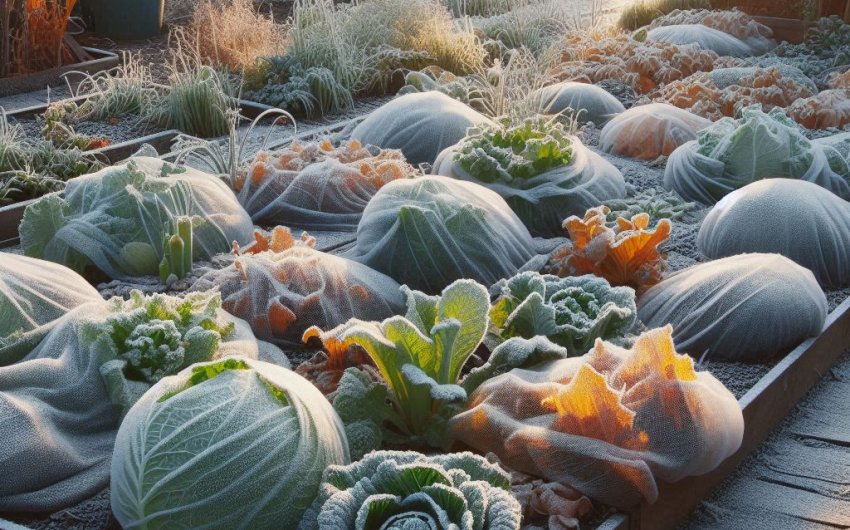
As the days shorten and a crispness enters the air, gardeners everywhere begin to contemplate the inevitable arrival of winter. While some plants will succumb to the cold, many can be protected, and the groundwork for next spring's bounty can be laid. Learning how to prepare your garden for winter frosts is a crucial step in ensuring the health and survival of your plants, protecting your soil, and setting the stage for a thriving growing season next year. This guide will walk you through essential fall garden chores that safeguard your efforts against the harsh grip of winter.
Why is Winter Preparation Important for My Garden?
Preparing your garden for winter isn't just about saving plants; it's a holistic approach to garden health and future productivity.
- Plant Survival: Protecting tender plants from damaging frost and freezing temperatures.
- Soil Health: Preventing nutrient depletion, erosion, and compaction, while improving structure for next season.
- Pest and Disease Management: Reducing overwintering sites for pests and spores for diseases, minimizing spring outbreaks.
- Time Savings in Spring: Completing tasks in fall means less work when spring fever hits.
- Infrastructure Protection: Safeguarding irrigation systems, tools, and containers from freezing damage.
- Setting the Stage for Spring: Ensuring your garden beds are ready for early planting when the weather breaks.
By proactively learning how to prepare your garden for winter frosts, you invest in the long-term vitality of your gardening space.
How Do I Protect Tender Plants from Frost Damage?
For those beloved plants that aren't naturally hardy in your climate, direct protection from freezing temperatures is paramount. This is a core part of how to prepare your garden for winter frosts.
1. Know Your Plants and Your Zone
- Hardiness Zone: Understand your USDA Plant Hardiness Zone. This tells you which plants are likely to survive winter outdoors in your region without protection.
- Plant Specifics: Research the cold tolerance of individual plants. Some might tolerate a light frost (32°F / 0°C), while others (like tropicals) are damaged even by temperatures just above freezing.
2. Move Potted Plants Indoors
- Tender Perennials and Annuals: Any plants in containers that are not hardy in your zone (e.g., tender herbs like basil, tropicals like hibiscus, geraniums, coleus) should be brought indoors before the first hard frost.
- Preparation: Inspect plants for pests before bringing them inside. Wipe down foliage, spray with insecticidal soap if needed. Ensure good drainage and allow soil to dry out slightly before moving to prevent fungus gnats.
- Placement: Place them in a sunny window or under LED grow lights if natural light is insufficient. Reduce watering significantly in winter.
3. Provide Temporary Covers
For in-ground plants that need protection from occasional frosts or cold snaps:
- Floating Row Covers: Lightweight fabric that allows light and water through while trapping warmth. Drape over plants and secure the edges with soil, rocks, or garden staples. Good for extending the season for vegetables like lettuce, spinach, or kale. Garden Fabric Row Cover is a popular choice.
- Cloches: Individual bell-shaped covers (glass, plastic, or repurposed containers like milk jugs with the bottom cut off) placed over single plants.
- Burlap or Blankets: For larger shrubs, small trees, or valuable perennials, drape burlap, old sheets, or blankets over them before a hard frost. Secure with clothespins or twine. Remove covers during the day if temperatures rise significantly to allow for air circulation and light.
- Cardboard Boxes/Buckets: Can be placed over individual plants for a temporary overnight freeze. Remove in the morning.
4. Water Before a Freeze
- Hydration is Insulation: Moist soil retains heat better than dry soil. Water your plants thoroughly the day before a hard freeze is expected. This warmth stored in the soil can help insulate roots.
- Avoid Wet Foliage: Water the soil, not the leaves, especially if temperatures will drop below freezing, to prevent ice formation on foliage which can cause damage.
How Does Soil Preparation Set Up My Garden for Winter and Spring?
Proper soil care in fall is arguably the most impactful part of how to prepare your garden for winter frosts, as it directly affects next season's vitality.
1. Clear Spent Annuals and Diseased Plants
- Remove Annuals: Once your summer annuals (e.g., tomatoes, peppers, corn, squash) have finished producing or are killed by frost, remove them.
- Discard Diseased Plants: Any plants showing signs of disease (powdery mildew, blight, etc.) should be removed entirely and discarded in the trash, not the compost pile. This prevents fungal spores and pathogens from overwintering and reinfecting your garden next spring.
- Compost Healthy Debris: Healthy plant material (stalks, leaves) can be chopped up and added to your compost pile.
2. Weed Control
- Prevent Overwintering: Remove any persistent weeds, especially perennial weeds, before they go to seed or establish deep root systems for winter. This saves a lot of work in spring.
- Don't Let Them Seed: Weeds allowed to go to seed in fall will produce a bumper crop in spring.
3. Add Organic Matter (The Most Important Step)
- Compost: Spread a 2-4 inch layer of finished compost over your garden beds. This improves soil structure, replenishes nutrients, and feeds beneficial soil microbes. You can gently work it into the top few inches of soil or simply leave it on top to be worked in by worms and winter rains/snow.
- Shredded Leaves: An excellent free and abundant source of organic matter. Rake up fallen leaves, shred them with a mower, and spread them over garden beds. They will decompose over winter, enriching the soil.
- Well-Rotted Manure: If you have access to well-rotted manure (from herbivores like cows, horses, chickens – avoid pet waste), spread a layer over your beds. It's nutrient-rich and will break down over winter.
4. Mulch Beds and Perennials
- Insulation: Apply a thick layer (4-6 inches) of organic mulch (straw, shredded leaves, wood chips) over garden beds, around the base of perennial plants, trees, and shrubs.
- Benefits:
- Moderates Soil Temperature: Keeps soil warmer and more consistent, preventing deep freezing and rapid thawing cycles (frost heave) that can damage roots.
- Retains Moisture: Reduces water loss during dry winter spells.
- Suppresses Weeds: Reduces winter weed germination.
- Enriches Soil: Decomposes over time, adding organic matter.
- Timing: Apply mulch after the ground has frozen, usually in late fall or early winter. Applying it too early can trap warmth and encourage pest or fungal issues.
5. Consider Cover Crops
- Living Mulch: For empty garden beds, consider planting a cover crop (also known as green manure).
- Benefits:
- Prevents Erosion: Roots hold soil in place, preventing wind and water erosion.
- Adds Organic Matter: Can be tilled into the soil in spring, adding organic matter.
- Suppresses Weeds: Outcompetes winter weeds.
- Nutrient Cycling: Leguminous cover crops (clover, vetch) fix nitrogen from the air, enriching the soil.
- Common Cover Crops: Winter rye, hairy vetch, crimson clover, oats.
- Timing: Plant seeds in early fall.
How Do I Manage Pests and Diseases in Winter?
Winter garden preparation is also about sanitation to minimize pest and disease pressure for the following season. This proactive approach is a key part of how to prepare your garden for winter frosts.
1. Remove All Diseased Plant Material
- Crucial Step: As mentioned, any plant material showing signs of fungal, bacterial, or viral diseases should be removed and bagged for the trash. Do not compost it, as many pathogens can survive the composting process and reinfect your garden next year.
2. Clean Up Fallen Debris
- Eliminate Hiding Spots: Rake up fallen leaves, spent fruit/vegetables, and other plant debris from beds and around fruit trees. This material can provide overwintering sites for insect eggs, larvae, and adult pests, as well as fungal spores.
- Pest Pressure: A clean garden reduces the places for pests to hide and reproduce.
3. Consider Dormant Oil Sprays (for Fruit Trees/Roses)
- Target Overwintering Pests: For fruit trees, roses, and some other woody ornamentals, a dormant oil spray can be applied in late fall or very early spring when temperatures are above freezing but plants are still dormant.
- Mechanism: Dormant oils smother overwintering insect eggs (like aphids or scale) and larvae.
- Application: Follow product instructions carefully. Ensure full coverage. Bonide All Seasons Horticultural & Dormant Spray Oil is a common choice.
4. Protect Against Winter Animals
- Deer and Rabbits: As food sources become scarce, deer, rabbits, and voles might be more inclined to browse on dormant plants, tender evergreens, or even gnaw on tree bark.
- Prevention:
- Fencing: Install physical barriers (fences, chicken wire) around vulnerable plants.
- Tree Guards: Wrap young tree trunks with tree guards to protect against rodent and rabbit gnawing.
- Repellents: Apply animal repellents if necessary, reapplying after rain or snow.
What About Garden Tools and Infrastructure?
Protecting your equipment and irrigation systems is an often-overlooked but vital part of how to prepare your garden for winter frosts.
1. Drain and Store Hoses and Irrigation Systems
- Prevent Freezing: Water left in hoses, sprinkler lines, or drip irrigation systems will expand when it freezes, causing pipes to burst and hoses to crack.
- Hoses: Drain all water from garden hoses. Coil them neatly and store them indoors (shed, garage) away from freezing temperatures.
- Drip Systems/Sprinklers: For in-ground irrigation systems, blow out the lines with an air compressor or open drain valves to remove all water. Disconnect and drain any above-ground components.
- Faucets: Turn off outdoor faucets from an indoor shut-off valve if possible, and open the outdoor spigot to drain any remaining water. Consider installing frost-proof outdoor faucets.
2. Clean and Store Garden Tools
- Longevity: Proper tool care extends their lifespan and keeps them ready for spring.
- Clean: Remove all soil and plant debris from shovels, hoes, rakes, pruners, etc.
- Sharpen: Sharpen blades on shovels and pruners.
- Oil: Apply a thin coat of linseed oil or mineral oil to metal parts to prevent rust. Oil wooden handles to prevent cracking.
- Store: Hang tools neatly in a shed or garage, away from moisture and freezing temperatures.
3. Empty and Store Containers
- Prevent Cracking: Ceramic, terracotta, and concrete pots can absorb water and crack when temperatures drop below freezing and the water expands.
- Empty and Store: Empty all soil from these pots, clean them, and store them upside down in a shed or garage.
- Plastic Pots: Plastic pots are more forgiving but can still become brittle in cold. Store them similarly if space allows.
4. Prepare Rain Barrels
- Drain: Empty your rain barrel completely and disconnect it from the downspout.
- Store: Store it upside down or indoors to prevent it from cracking if any water remains and freezes.
What Are Other General Tips for Winter Garden Preparation?
Rounding out your fall chores with these general tips helps ensure your garden is truly ready for the dormant season.
- Plan for Next Season: As you clear out beds, take notes on what worked well and what didn't. Sketch out plans for next spring's garden layout and crop rotation. Order seeds for spring.
- Collect Seeds: If you're saving seeds from heirloom plants, collect them on a dry day before a hard frost. Clean them, dry them thoroughly, and store them in cool, dark, dry conditions.
- Clean Up Garden Paths and Hardscapes: Clear leaves and debris from paths and patios to prevent slippery surfaces and deter pests.
- Take Soil Samples (Optional): Fall is a great time to take a soil sample for testing. This gives you ample time to receive results and plan for amendments (e.g., lime, compost, specific fertilizers) to improve your soil over winter.
By diligently following these steps, you'll be an expert on how to prepare your garden for winter frosts, transforming the colder months from a period of worry into a vital resting and rejuvenating phase for your plants and soil, promising a more bountiful and beautiful garden in the spring.