
Best Vegetables to Grow in Small Spaces
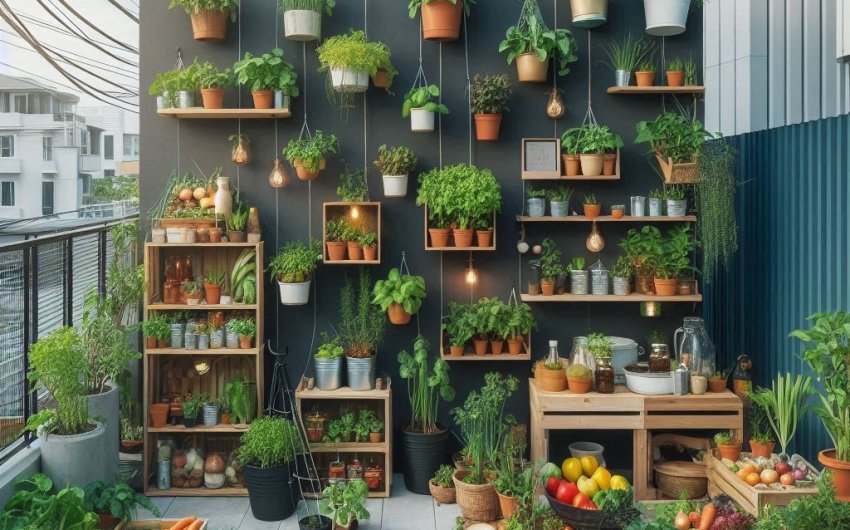
Discovering the best vegetables to grow in small spaces is a game-changer for urban dwellers, apartment residents, or anyone with limited garden room. You don't need a sprawling backyard to enjoy fresh, homegrown produce. With smart choices and a bit of creativity, even a balcony or a sunny windowsill can become a thriving mini-farm. This guide will help you select the most productive and space-efficient veggies, ensuring a bountiful harvest no matter how tight your area.
What are the best vegetables for container gardening?
Container gardening opens up a world of possibilities for small spaces. The key is choosing compact varieties that thrive in pots and don't need extensive root systems. Look for terms like "bush," "dwarf," or "patio" in seed descriptions.
Excellent choices for containers include:
- Lettuce and leafy greens: These are perhaps the easiest and most rewarding. They grow quickly and can be harvested multiple times.
- Radishes: From seed to harvest in just a few weeks, radishes are perfect for impatient gardeners.
- Bush beans: Unlike pole beans, bush varieties stay compact and don't require elaborate trellising.
- Carrots (short varieties): Opt for round or short carrot varieties that don't need deep soil.
- Spinach: Similar to lettuce, spinach is a cool-weather favorite that does well in shallow containers.
- Herbs: Basil, mint, cilantro, and parsley are ideal for pots and provide fresh flavor for cooking.
- Tomatoes (determinate/bush varieties): Choose determinate tomato plants which are bred to stop growing at a certain height.
- Peppers (bell and chili): Many pepper varieties are naturally compact and suited for containers.
- Strawberries: While technically a fruit, strawberries are excellent in hanging baskets or pots.
- Swiss chard: Beautiful and productive, Swiss chard tolerates a range of conditions.
How can I maximize my small garden space?
Maximizing space is all about thinking vertically and being efficient with your plant choices. Every square inch counts in a small-space garden.
Key strategies for maximizing space include:
- Vertical gardening: Use trellises, arbors, hanging baskets, and stacked planters. This allows plants to grow upwards instead of outwards.
- Succession planting: Plant small batches of quick-growing vegetables every few weeks. This ensures a continuous harvest and makes the most of available space.
- Companion planting: Group plants that benefit each other. For example, planting marigolds near tomatoes can deter pests.
- Choose compact varieties: Always opt for dwarf vegetables or varieties specifically bred for small spaces. They offer good yields without taking up too much room.
- Utilize unconventional spots: Think about windowsills, porch steps, or even a sunny wall for hanging planters.
- Grow determinate plants: These plants reach a certain size and then stop growing, making them perfect for limited areas.
- Consider growing bags: Fabric growing bags are lightweight, portable, and promote healthy root growth. 20 Gallon Grow Bags are a good option.
What are the best herbs to grow in small spaces?
Herbs are perfect for small gardens because they don't require much room and offer a huge return in flavor. They can be grown indoors on a windowsill or outdoors in containers.
Top herbs for small spaces include:
- Basil: Needs plenty of sunlight and warm temperatures. Pinch off flowers to encourage leaf growth.
- Mint: Extremely easy to grow, but can be invasive. Best kept in its own pot.
- Cilantro: Prefers cooler temperatures. Harvest outer leaves regularly.
- Parsley: A biennial, meaning it grows for two years. Both flat-leaf and curly varieties do well.
- Rosemary: A woody herb that loves full sun and well-drained soil. Can be pruned into small bushes.
- Thyme: Drought-tolerant and excellent in sunny spots. Low-growing and spreads nicely.
- Chives: Member of the onion family, easy to grow from seed or small plants. Offers a mild onion flavor.
- Oregano: Similar to thyme, thrives in full sun and doesn't need much water once established.
Can I grow tomatoes in pots on a balcony?
Absolutely! Growing tomatoes in pots on a balcony is one of the most popular and rewarding small-space gardening activities. The key is choosing the right type of tomato and providing proper care.
Tips for growing tomatoes on a balcony:
- Select determinate or bush varieties: These tomatoes grow to a specific height (usually 2-4 feet) and then stop, making them ideal for containers. Look for names like "Patio," "Bush Early Girl," "Celebrity," or "Roma." Avoid indeterminate varieties unless you have a very large container and a robust trellis system, as they grow continuously.
- Choose the right pot size: A minimum of a 5-gallon container is recommended per plant, but 10-gallon pots are even better for better moisture retention and root development. Ensure the pot has drainage holes.
- Use good quality potting mix: A well-draining, nutrient-rich potting mix designed for containers is essential. Organic Potting Mix is a great choice.
- Provide plenty of sunlight: Tomatoes need at least 6-8 hours of direct sunlight per day. A south-facing balcony is ideal.
- Water consistently: Container tomatoes dry out quickly. Check the soil daily and water deeply when the top inch feels dry. Uneven watering can lead to blossom end rot.
- Support the plant: Even bush varieties can benefit from a small tomato cage or stakes to support the fruit-laden branches.
- Fertilize regularly: Container plants deplete nutrients faster. Use a balanced liquid fertilizer every 2-3 weeks once the plants start producing flowers.
What leafy greens are best for a small space garden?
Leafy greens are champions for small garden spaces because they grow quickly, don't require deep soil, and many can be harvested as "cut and come again" varieties, meaning you can snip off leaves and they'll regrow.
Top leafy greens for small spaces:
- Lettuce: So many varieties exist! Romaine, butterhead, loose-leaf, and even compact iceberg types work well. They need consistent moisture.
- Spinach: Best for cooler weather, spinach can bolt (go to seed) in intense heat. Plant in spring and fall.
- Arugula: Offers a peppery kick. Grows very fast, so succession plant for a continuous supply.
- Swiss Chard: Beautiful with colorful stems and robust leaves. Very productive and tolerates some shade.
- Kale: Many varieties, including dwarf and compact types like 'Lacinato Dwarf' or 'Red Russian'. Tolerates cooler weather and light frost.
- Mustard Greens: Similar to arugula with a spicy flavor. Fast-growing and can be harvested young for a milder taste.
For best results, use shallow, wide containers, or even window boxes. Window Box Planters are excellent for leafy greens.
Are root vegetables suitable for container gardening?
Some root vegetables are perfectly suited for container gardening, especially varieties bred to be shorter or rounder. The main consideration is the depth of your container.
Good root vegetables for containers:
- Radishes: As mentioned, they are super fast and don't need much depth. A 6-inch deep container is usually sufficient.
- Carrots (short and round varieties): Look for 'Danvers Half Long', 'Paris Market', or 'Thumbelina'. These can thrive in 8-12 inch deep pots.
- Beets: Like carrots, select shorter varieties. They need about 8-10 inches of depth.
- Potatoes (small varieties): While not typically thought of for small spaces, 'grow bags' are excellent for potatoes. Choose early or determinate potato varieties. A large fabric grow bag (10-15 gallons) works well. Potato Grow Bags are specifically designed for this.
- Turnips: Similar to beets, turnips need about 8-10 inches of soil depth.
Important tips for root vegetables in containers:
- Loose, well-draining soil: This is crucial for root development. Avoid compacted soil.
- Adequate depth: Ensure the container is deep enough for the specific variety you choose.
- Consistent moisture: Don't let the soil dry out completely, as this can stunt root growth.
What fruit-bearing vegetables can I grow in limited space?
Beyond tomatoes and peppers, several other fruit-bearing vegetables can thrive in small spaces, offering delicious homegrown produce.
Excellent fruit-bearing vegetables for small spaces:
- Bush Cucumbers: Instead of vining cucumbers, choose bush varieties like 'Bush Crop', 'Salad Bush', or 'Spacemaster'. These stay compact and are perfect for containers or small raised beds. They still benefit from a small trellis or cage.
- Bush Zucchini/Squash: Similar to cucumbers, bush varieties of zucchini and summer squash (e.g., 'Bush Zucchini', 'Patio Star') are much better for small spaces than their sprawling counterparts. One plant can be surprisingly productive.
- Eggplant (dwarf varieties): Many eggplant varieties are naturally compact, and there are even specific dwarf types like 'Patio Baby' or 'Fairy Tale'. They do well in 5-gallon or larger pots.
- Strawberries: While botanically a fruit, they are often grown in vegetable gardens. They are superb for hanging baskets, vertical planters, or strawberry pots. Look for everbearing strawberry varieties for a longer harvest.
How do I choose the right containers for my small garden?
Selecting the right containers is fundamental to success when growing vegetables in small spaces. The material, size, and drainage are all important factors.
Considerations for choosing containers:
- Size: This is arguably the most critical factor. Choose a container large enough for the mature size of the plant. A general guideline is 1-gallon per pound of expected yield.
- Lettuce, spinach, radishes, herbs: 6-8 inches deep, 6-12 inches wide
- Bush beans, carrots, beets, peppers, eggplants: 8-12 inches deep, 8-16 inches wide
- Tomatoes, bush cucumbers, bush squash: 15-20 inches deep, 15-20 inches wide (minimum 5 gallons)
- Drainage: Every container MUST have drainage holes. Without them, roots will sit in water and rot. Add gravel at the bottom only if there are no drainage holes.
- Material:
- Plastic: Lightweight, inexpensive, holds moisture well. Can get hot in direct sun. Plastic Garden Pots are widely available.
- Terracotta/Clay: Attractive, porous (allows roots to breathe), but dries out quickly, requiring more frequent watering.
- Fabric (grow bags): Excellent drainage and aeration, lightweight, portable. Prevents root circling. Fabric Grow Bags are popular.
- Wood: Natural look, provides good insulation, but can rot over time. Needs to be treated for outdoor use.
- Self-watering containers: Have a reservoir at the bottom, reducing watering frequency. Great for busy gardeners. Self-Watering Planters are a convenient option.
- Color: Lighter-colored pots reflect more sunlight, keeping roots cooler in hot climates. Darker pots absorb more heat.
What are vertical gardening options for limited space?
Vertical gardening is a fantastic way to maximize yield in small urban gardens. It allows you to grow up, not just out.
Popular vertical gardening options:
- Trellises and Cages: Essential for vining plants like pole beans, indeterminate tomatoes, peas, and climbing cucumbers. They provide support and lift plants off the ground.
- Stackable Planters: Units that stack on top of each other, often with pockets for individual plants. Great for herbs, strawberries, and leafy greens.
- Wall-Mounted Planters/Pocket Systems: Fabric or plastic pockets that attach to a wall or fence. Ideal for herbs, succulents, and smaller edibles. Wall Planters for Vegetables offer a unique look.
- Hanging Baskets: Excellent for trailing plants like strawberries, cherry tomatoes, and many herbs. Ensure they are securely hung and watered frequently.
- Rain Gutters: Repurposed rain gutters can be hung in tiers to grow shallow-rooted plants like lettuce and strawberries.
- Pallet Gardens: Discarded wooden pallets can be stood upright and used as tiered planters. Make sure they are heat-treated (HT stamp) and not chemically treated (MB stamp).
- DIY Solutions: Get creative with repurposed items like old tires, plastic bottles, or wooden crates.
How important is sunlight for small space vegetable gardens?
Sunlight is absolutely critical for the success of your small-space vegetable garden. Most vegetables are sun-loving plants and require a significant amount of direct sun to produce well.
Sunlight requirements for common vegetables:
- Full Sun (6-8+ hours of direct sun daily): Most vegetables, including tomatoes, peppers, cucumbers, squash, beans, corn (though not for small spaces usually), eggplant, carrots, and most herbs.
- Partial Sun (4-6 hours of direct sun daily): Some leafy greens like lettuce, spinach, Swiss chard, kale, and certain herbs like mint and cilantro can tolerate partial sun. Root vegetables like radishes and beets can also do reasonably well.
- Partial Shade (2-4 hours of direct sun daily): Very few vegetables truly thrive in partial shade. This is best for a quick harvest of very young leafy greens or cool-season crops that prefer protection from intense afternoon sun.
Tips for maximizing sunlight in small spaces:
- Observe your space: Before planting, spend a day observing where the sun falls throughout the day.
- Place sun-loving plants in the sunniest spots: Put your tomatoes, peppers, and cucumbers where they get the most direct light.
- Use reflective surfaces: Light-colored walls or fences can help bounce light back onto plants.
- Rotate containers: If possible, rotate your containers every few days to ensure all sides of the plant receive adequate sun.
- Prune nearby obstructions: Trim tree branches or shrubs that might be casting too much shade.
What are the best watering practices for container vegetables?
Watering is one of the biggest challenges and most important aspects of container gardening. Containers dry out much faster than in-ground gardens, so consistent and correct watering is vital for healthy growth and good yields.
Best watering practices for container vegetables:
- Check daily: Especially in warm weather, check your containers daily. Stick your finger an inch or two into the soil. If it feels dry, it's time to water.
- Water deeply and slowly: Don't just give a quick splash. Water until you see water draining from the bottom of the pot. This ensures the entire root ball gets moistened.
- Water at the base of the plant: Avoid wetting the leaves, especially in the evening, as this can encourage fungal diseases.
- Consider the weather: Plants will need more water on hot, sunny, and windy days, and less on cool, cloudy days.
- Use a watering can or drip irrigation: A watering can with a narrow spout allows for precise watering. For multiple containers, a small drip irrigation system on a timer can save time and ensure consistency. Small Drip Irrigation Kit can be very helpful.
- Mulch: Adding a layer of mulch (like straw, shredded leaves, or wood chips) to the top of the soil helps retain moisture, regulate soil temperature, and suppress weeds.
- Self-watering pots: These containers have a water reservoir, significantly reducing watering frequency.
How can I fertilize vegetables in small containers effectively?
Container-grown vegetables rely entirely on you for their nutrients. Potting mixes typically contain some nutrients, but these are quickly depleted, making regular fertilization essential for productive small-space vegetable growing.
Effective fertilization strategies:
- Start with a good potting mix: Use a high-quality, sterile potting mix that contains some slow-release fertilizer.
- Liquid fertilizers: These are quickly available to plants. Use a balanced liquid fertilizer (e.g., 5-5-5 or 10-10-10) every 2-3 weeks, or as directed on the product label. Many gardeners prefer organic liquid fertilizers like fish emulsion or seaweed extract.
- Slow-release granular fertilizers: Mix these into the potting mix at the time of planting, or apply topically. They release nutrients gradually over several months.
- Compost tea: A homemade liquid fertilizer made by steeping compost in water. Provides a gentle boost of nutrients and beneficial microbes.
- Know your plant's needs:
- Leafy greens: Benefit from fertilizers higher in nitrogen (first number).
- Fruiting vegetables (tomatoes, peppers, squash): Need more phosphorus and potassium (middle and last numbers) once they start flowering and setting fruit.
- Don't over-fertilize: Too much fertilizer can burn plants. Always follow the product instructions. It's better to under-fertilize slightly than to over-fertilize.
What pest and disease control methods are safe for small gardens?
In a small-space garden, pests and diseases can spread quickly. Early detection and gentle, safe control methods are key, especially since your plants are likely close to your living space.
Safe and effective pest and disease control:
- Regular inspection: Inspect your plants daily or every other day. Look under leaves, at stems, and for any unusual spots or holes. Early detection makes control much easier.
- Hand-picking: For larger pests like tomato hornworms or slugs, simply pick them off and dispose of them.
- Strong water spray: A strong spray of water from a hose can dislodge aphids and spider mites. Do this in the morning so leaves can dry.
- Insecticidal soap: An effective and non-toxic solution for soft-bodied insects like aphids, whiteflies, and spider mites. Make sure to cover the undersides of leaves. Organic Insecticidal Soap is a good choice.
- Neem oil: A natural pesticide and fungicide that can deter a wide range of pests and help with some fungal issues. Use as directed.
- Companion planting: Certain plants can deter pests. Marigolds are known to repel nematodes, and basil can deter flies and mosquitoes.
- Encourage beneficial insects: Ladybugs, lacewings, and parasitic wasps prey on common garden pests. Provide them with habitat and avoid broad-spectrum pesticides.
- Good air circulation: Proper spacing and pruning can improve air circulation, reducing humidity and preventing fungal diseases.
- Remove infected plant parts: If you spot a disease, remove and discard the affected leaves or stems immediately to prevent spread. Do not compost diseased material.
- Use disease-resistant varieties: When buying seeds or seedlings, look for varieties that are noted as disease-resistant.
Can I grow more than one vegetable in a single container?
Yes, companion planting in containers is a fantastic way to maximize yield in small garden spaces. It's often called "intensive planting" or "polyculture."
Tips for multi-plant containers:
- Choose compatible plants: Group plants with similar light, water, and nutrient needs.
- Consider plant size and growth habit:
- Tall, upright plants (e.g., tomatoes, peppers) can be paired with low-growing, spreading plants (e.g., lettuce, basil) at their base.
- Deep-rooted plants can be paired with shallow-rooted plants.
- Avoid overcrowding: While you're maximizing space, still ensure each plant has enough room for its root system to develop and for good air circulation around the foliage.
- Examples of good container companions:
- Tomatoes + Basil + Marigolds: Basil is said to improve tomato flavor, and marigolds deter pests.
- Lettuce + Radishes: Both are fast-growing and can be harvested before larger plants need all the space.
- Peppers + Chives: Chives can deter aphids.
- Bush Beans + Carrots: Beans fix nitrogen, benefiting nearby plants.
- Swiss Chard + Nasturtiums: Nasturtiums can act as a trap crop for aphids.
When planning your small-space garden, remember that the best vegetables to grow in small spaces are those that are compact, productive, and adaptable to containers. Happy gardening!