
How to Start a Herb Garden Indoors?
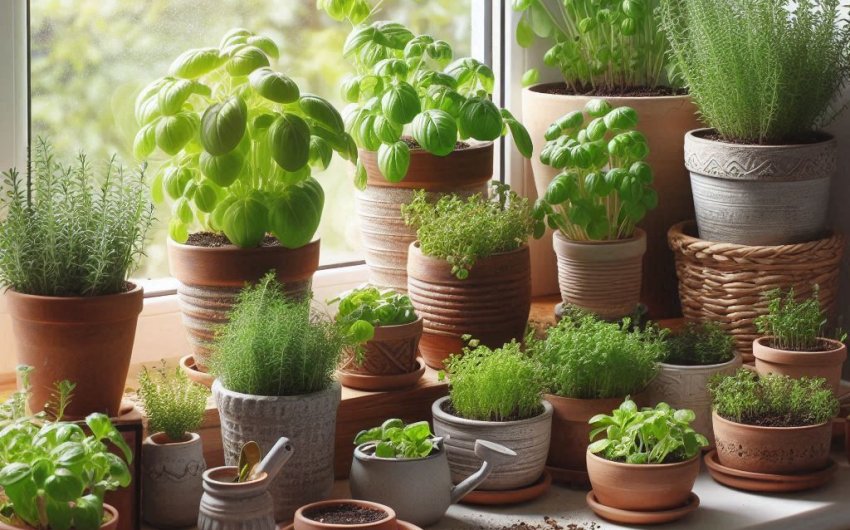
Starting a herb garden indoors is a fantastic way to enjoy fresh, fragrant herbs year-round, adding vibrant flavor to your cooking and a touch of greenery to your living space. Whether you have a sunny windowsill or a cozy corner that could use some life, learning how to start a herb garden indoors is a rewarding project for any gardener, from beginner to expert. With the right setup and a few simple care tips, you can transform your kitchen into a perpetual herb market.
What Herbs Are Best for an Indoor Garden?
Choosing the right herbs is the first step when learning how to start a herb garden indoors. Some herbs adapt better to indoor conditions than others, tolerating lower light levels and the drier air of most homes.
Top Choices for Indoor Herb Gardens
These herbs are generally forgiving and do well on a sunny windowsill.
- Basil:
- Light: Needs plenty of bright light, preferably 6+ hours of direct sun. Can get leggy without enough light.
- Water: Keep consistently moist, but not soggy. Wilts dramatically when dry, but recovers quickly with water.
- Tips: Pinch back regularly to encourage bushier growth and prevent flowering (which diminishes flavor).
- Chives:
- Light: Bright light, at least 4-5 hours of direct sun. Tolerates slightly less than basil.
- Water: Keep evenly moist.
- Tips: Harvest by snipping outer leaves at the base. Regrows quickly.
- Mint:
- Light: Bright, indirect light to partial sun (at least 4 hours of direct sun).
- Water: Likes consistently moist soil. Can tolerate slightly wet conditions better than others, but still needs drainage.
- Tips: Very vigorous! Best grown in its own pot to prevent it from taking over. Prune frequently to encourage new growth.
- Oregano:
- Light: Full sun preferred (6+ hours of direct sun). Can tolerate some indirect light.
- Water: Let soil dry out slightly between waterings. Drought-tolerant once established.
- Tips: Pinch back to promote bushiness.
- Parsley (Curly and Flat-Leaf):
- Light: Bright, indirect light to partial sun (4-5 hours of direct sun).
- Water: Keep consistently moist, but not soggy.
- Tips: Harvest outer stems from the base. A biennial, so it might eventually bolt (go to seed) and decline.
- Rosemary:
- Light: Needs abundant bright light, ideally 6+ hours of direct sun. Will struggle in low light.
- Water: Let soil dry out between waterings. Hates wet feet.
- Tips: Provide good air circulation. Can be prone to powdery mildew in high humidity without good airflow.
- Thyme:
- Light: Full sun preferred (6+ hours of direct sun).
- Water: Drought-tolerant. Let soil dry out completely between waterings. Hates overwatering.
- Tips: Prune woody stems regularly to encourage tender new growth.
Herbs That Are More Challenging Indoors (But Possible)
These herbs may require more specific conditions or grow less vigorously indoors.
- Cilantro:
- Challenge: Tends to "bolt" (go to seed) quickly indoors, especially in warm temperatures or low light.
- Tips: Keep in a cool spot with bright light. Plant successionally every few weeks for a continuous supply.
- Dill:
- Challenge: Grows tall and leggy indoors, also prone to bolting.
- Tips: Provide ample bright light. Treat as an annual and replant frequently.
- Sage:
- Challenge: Can struggle with indoor humidity levels and airflow, sometimes prone to powdery mildew. Needs good light.
- Tips: Provide excellent air circulation and let soil dry out between waterings.
Considerations for Your Indoor Herbs:
- Light is King: The most limiting factor for most indoor herbs is light. If you don't have a very sunny window, you'll need to supplement with grow lights.
- Watering Needs Vary: Group herbs with similar watering needs together if possible, or label them clearly.
- Individual Pots: While attractive, planting different herbs in one large container can be tricky due to varying water, nutrient, and growth habits. Individual pots are often best.
By selecting the right herbs that are suited for indoor life, you're setting yourself up for success when learning how to start a herb garden indoors.
What is the Best Location for an Indoor Herb Garden?
The success of how to start a herb garden indoors hinges significantly on choosing the right location. Light is the most critical factor, followed by temperature and humidity.
1. Sunlight Exposure
- South-Facing Window (Ideal for Sun-Loving Herbs): In the Northern Hemisphere, a south-facing window typically provides the most intense and prolonged direct sunlight. This is ideal for herbs that crave full sun, like rosemary, thyme, oregano, and basil.
- East-Facing Window (Good for Most Herbs): An east-facing window offers gentle morning sun, which is bright but less intense than afternoon sun. Many herbs, especially parsley, chives, and mint, will thrive here. It's a great all-around choice.
- West-Facing Window (Use with Caution): West-facing windows provide strong afternoon sun, which can be very hot. While some sun-lovers might tolerate it, it can be too intense for others, potentially scorching leaves or drying out soil too quickly. Monitor plants closely.
- North-Facing Window (Generally Insufficient): A north-facing window offers the least direct sunlight, providing only ambient or indirect light. This is rarely enough for most herbs to thrive and produce flavorful foliage. Herbs here will likely become leggy and struggle.
2. Supplemental Lighting (If Natural Light is Lacking)
If your home doesn't have a truly sunny window (i.e., less than 5-6 hours of direct sun), you'll need to provide supplemental light.
- LED Grow Lights: These are energy-efficient and effective. Look for "full-spectrum" LED grow lights designed for plants.
- Placement: Position the grow light about 6-12 inches (15-30 cm) above your herb plants, adjusting based on light intensity and plant response.
- Duration: Provide 12-16 hours of artificial light per day to mimic optimal growing conditions. Use a timer for consistency.
- Consider a GE BR30 LED Grow Light Bulb for a single plant or a Monios-L T8 LED Grow Light for a small shelf.
3. Temperature and Humidity
Most herbs prefer conditions similar to what's comfortable for humans.
- Temperature: Aim for consistent room temperatures between 65-75°F (18-24°C) during the day, with a slight drop at night (down to 55-60°F or 13-15°C) if possible. Avoid extreme fluctuations.
- Avoid Drafts: Keep herbs away from cold drafts from leaky windows or exterior doors, and hot drafts from heating vents or radiators. Sudden temperature changes can stress plants.
- Humidity: Most herbs prefer moderate humidity. Indoor air, especially in winter with heating on, can be very dry.
- Signs of Low Humidity: Crispy leaf tips or browning edges even if watered properly.
- Solutions: Place plants on a pebble tray filled with water (ensure the pot sits above the water level). Grouping plants can also create a slightly more humid microclimate. Misting is often not very effective and can promote fungal issues if air circulation is poor.
4. Air Circulation
Good airflow helps prevent fungal diseases and strengthens plants.
- Placement: Don't crowd your herbs. Allow space between pots for air to circulate.
- Fan (Optional): In a stagnant room, a small oscillating fan on a low setting for a few hours a day can improve airflow.
By carefully considering these environmental factors, you'll select the ideal spot, laying a strong foundation for how to start a herb garden indoors.
What are the Essential Supplies for Starting an Indoor Herb Garden?
Gathering the right tools and materials is crucial for a smooth start to how to start a herb garden indoors. Investing in quality supplies will support healthy herb growth.
1. Pots and Containers
The right containers are key for drainage and plant health.
- Drainage Holes: This is NON-NEGOTIABLE. Every pot must have at least one drainage hole at the bottom. Without drainage, water pools, leading to root rot – the most common killer of indoor plants.
- Material:
- Terracotta/Unglazed Ceramic: Porous, allowing air and moisture to pass through. Excellent for herbs that prefer slightly drier soil between waterings (rosemary, thyme, oregano). Dries out faster, so requires more frequent watering.
- Plastic: Lightweight, affordable, retains moisture longer. Good for herbs that like consistent moisture (basil, mint, parsley).
- Glazed Ceramic: Retains moisture like plastic. Can be decorative. Ensure it has drainage.
- Metal (with caution): Can get hot in direct sun and leach metals if not coated properly. Best for decorative outer pots with plastic inner liners.
- Size: Start with pots that are appropriate for the herb's mature size or for the seedling.
- Seedlings: Small starter pots or seed trays.
- Established Plants/Transplants: 4-6 inch (10-15 cm) diameter pots are a good starting point for individual herbs. Mint and basil may quickly outgrow these.
- Consider Future Growth: You'll need to repot into larger pots as herbs grow.
- Saucers/Trays: Essential to catch excess water and protect surfaces. Ensure the pot isn't sitting in standing water for prolonged periods.
- Plant Labels: Important for keeping track of what you've planted, especially if starting from seed.
2. Potting Mix
Not all soil is created equal. Use a mix specifically formulated for containers.
- High-Quality Potting Mix: Do NOT use garden soil, which is too dense and can compact in pots, leading to poor drainage and pests.
- Well-Draining: Look for mixes that are lightweight and include ingredients like perlite, vermiculite, or coco coir to improve aeration and drainage.
- Specific Mixes (Optional): While a good all-purpose potting mix works for most herbs, you can use specialized mixes:
- Seed Starting Mix: For starting from seed, this finer, sterile mix is ideal.
- Cactus/Succulent Mix: For rosemary and thyme (which like very sharp drainage), you can mix in extra perlite or sand with a standard potting mix, or use a specific cactus/succulent blend.
- An excellent general-purpose choice is Miracle-Gro Indoor Potting Mix.
3. Herb Plants or Seeds
Decide how you want to start your garden.
- Seeds:
- Pros: Most economical, wider variety of herbs available, rewarding to grow from scratch.
- Cons: Takes longer, requires patience and good seed-starting conditions (light, warmth).
- Selection: Purchase fresh, reputable seed packets.
- Small Plants/Transplants (from Nursery or Garden Center):
- Pros: Instant gratification, faster harvest, easier for beginners.
- Cons: More expensive, limited variety, potential for bringing in pests if not inspected carefully.
- Selection: Choose healthy, vibrant plants without yellowing leaves, pests, or signs of stress.
4. Watering Can
Precision watering is essential for efficient watering techniques.
- Small Watering Can: A small can with a long, narrow spout allows you to deliver water precisely to the soil without wetting the foliage or spilling.
- A great indoor watering can is the Kikkerland Mini Watering Can.
5. Pruning Snips/Scissors
For harvesting and maintenance.
- Clean and Sharp: Use small, sharp scissors or dedicated pruning snips to make clean cuts when harvesting. This prevents damage to the plant and potential entry points for disease.
6. Optional Supplies
- Grow Lights: If natural light is insufficient (as discussed).
- Pebble Trays: To increase humidity around plants.
- Plant Food: A balanced liquid houseplant fertilizer for use during the growing season.
- Plant Mister: For occasional misting (though not a substitute for humidity).
- Gloves: For handling soil, especially if you have sensitive skin.
Having these essential supplies ready will streamline the process of how to start a herb garden indoors and set your plants up for success.
How Do I Plant Herbs Indoors (from Seed or Plant)?
Whether you choose to start from seed or use small nursery plants, the planting process is a foundational step in how to start a herb garden indoors. Proper technique ensures your herbs get off to the best start.
Option 1: Planting from Seed
Starting herbs from seed allows for a wider variety and is often more economical.
- Choose Your Containers:
- Use seed-starting trays with cells, small peat pots, or small plastic pots (about 2-3 inches or 5-7.5 cm in diameter) with drainage holes.
- Prepare Potting Mix:
- Fill your chosen containers with a sterile seed-starting mix. This mix is finer and lighter than regular potting mix, providing good drainage and aeration for tiny seedlings.
- Moisten the seed-starting mix thoroughly before placing it in the containers.
- Sow the Seeds:
- Read your seed packet for specific planting depth and spacing instructions.
- Generally, sow seeds about 2-3 times their diameter deep. For very tiny seeds, you can just sprinkle them on the surface and lightly press them into the soil.
- Plant a few seeds per pot/cell to ensure germination. You can thin out weaker seedlings later.
- Cover and Water:
- Lightly cover the seeds with the appropriate amount of seed-starting mix.
- Gently mist the top of the soil with water from a spray bottle or use a watering can with a very fine rose to avoid displacing the seeds. You want the soil to be consistently moist.
- Provide Warmth and Light for Germination:
- Warmth: Most herb seeds germinate best with warm soil, typically 65-75°F (18-24°C). A Seedling Heat Mat can significantly improve germination rates.
- Light: While some seeds need darkness to germinate, most herb seeds benefit from light after germination. As soon as you see tiny green sprouts (seedlings) emerge, ensure they receive bright light. If natural light is insufficient, place them under a grow light for 12-16 hours a day.
- Humidity Dome: Cover the containers with a clear plastic dome or plastic wrap to create a mini-greenhouse effect, retaining moisture and warmth for germination. Remove it once most seeds have sprouted to prevent damping off disease.
- Thin Seedlings: Once seedlings have their second set of true leaves, thin them to the strongest single seedling per pot/cell. Snip the weaker ones at the soil line to avoid disturbing the roots of the keepers.
Option 2: Planting from Nursery Plants (Transplants)
This is a faster way to get immediate results.
- Inspect the Plant: At the garden center, choose healthy, vibrant plants without yellowing leaves, brown spots, pest signs, or a root-bound appearance.
- Prepare the Pot:
- Select a pot with drainage holes that is 1-2 inches (2.5-5 cm) larger in diameter than the plant's current nursery pot.
- Place a small amount of fresh, well-draining potting mix in the bottom of the new pot.
- Remove from Nursery Pot: Gently squeeze the sides of the nursery pot and carefully slide the herb plant out. If it's stuck, you might need to tap the bottom or even carefully cut the nursery pot away.
- Loosen Roots: If the roots are tightly circling the root ball (root-bound), gently tease them apart or make a few vertical slits with a clean knife to encourage them to grow outwards into the new soil.
- Position the Plant: Place the herb plant in the new pot. The top of the root ball should be at the same level as the new potting mix, with about 1 inch (2.5 cm) of space below the rim for watering.
- Backfill with Soil: Fill the remaining space around the root ball with fresh potting mix, gently tamping it down to remove large air pockets. Don't pack it too tightly.
- Water Thoroughly: Water the newly potted herb deeply until water drains from the bottom. Discard any excess water from the saucer.
- Initial Care: Place the plant in its designated bright location. Avoid fertilizing for the first 4-6 weeks to allow it to recover from transplant shock and establish new roots.
By following these planting guidelines, you'll successfully implement a key step in how to start a herb garden indoors, giving your herbs the best chance to flourish.
How Do I Care for My Indoor Herb Garden to Keep It Thriving?
Consistent and appropriate care is vital for ensuring your indoor herb garden flourishes and provides you with a continuous supply of fresh flavor. Mastering these maintenance steps is key to ongoing mulberry magic in your kitchen.
1. Watering - The Most Important Skill
- "Soak and Dry" Method: This is the golden rule for most herbs (and most houseplants).
- Check Moisture: Stick your finger 2 inches (5 cm) into the soil. Only water when the soil feels dry to the touch at that depth. For rosemary and thyme, let the soil dry out completely. For basil and mint, aim for consistently moist but not soggy.
- Water Deeply: Water slowly and thoroughly using your watering can until water drains from the bottom of the pot.
- Empty Saucer: Do not let the pot sit in standing water. Discard any excess water from the saucer within 30 minutes.
- Frequency: Varies greatly based on plant type, pot size and material, and environmental conditions. It could be every few days to once a week or more. Consistent checking is key, not a rigid schedule.
- Water Temperature: Use room-temperature water for houseplants, as cold water can shock roots.
2. Providing Adequate Light
- Monitor Light Levels: Even if you chose a sunny spot, light conditions can change with seasons or new obstructions. Keep an eye on your plants. If they become leggy or pale, they need more light.
- Rotate Pots: Rotate your herb pots every week or so to ensure all sides of the plant receive adequate light, promoting even growth.
- Adjust Grow Lights: If using grow lights, adjust their height as your plants grow to maintain the optimal 6-12 inch (15-30 cm) distance.
3. Fertilizing
- Less is More: Herbs don't typically need heavy feeding. Over-fertilizing can lead to leggy growth, reduced flavor, or even root burn.
- Timing: Fertilize only during the active growing season (spring and summer). Do not fertilize in fall or winter.
- Type and Dosage: Use a balanced liquid houseplant fertilizer (e.g., 10-10-10 or 20-20-20 NPK) diluted to 1/2 or even 1/4 strength of the recommended dosage.
- Frequency: Fertilize once a month at most, or every 4-6 weeks. Organic options like compost tea can also be used.
- Always water the plant thoroughly before applying fertilizer to prevent root burn.
4. Pruning and Harvesting
Regular pruning and harvesting are crucial for encouraging bushy growth and prolonging the life of your herbs.
- Pinch Back Regularly: For most herbs (especially basil, mint, oregano, thyme), pinch off the top set of leaves and stem when a stem has 4-6 sets of leaves. Pinch just above a leaf node. This forces the plant to branch out, becoming bushier and more productive.
- Harvesting:
- Take from the Top: When harvesting, snip from the top or sides of the plant, rather than just pulling off bottom leaves. This encourages new growth from below the cut.
- Use Clean Shears: Always use clean, sharp scissors or pruners to make clean cuts.
- Don't Over-Harvest: Never remove more than 1/3 of the plant's foliage at one time, as this can stress the plant.
- Prevent Bolting: For herbs like basil and cilantro, pinch off any flower buds as soon as they appear. Flowering signals the end of the plant's life cycle and causes the leaves to become bitter.
5. Repotting
- When to Repot: Repot when roots are growing out of the drainage holes, the plant dries out very quickly, or growth slows dramatically. Typically every 1-2 years.
- Pot Size: Go up only 1-2 inches (2.5-5 cm) in pot diameter.
- Fresh Soil: Always use fresh potting mix.
6. Pest and Disease Monitoring
- Inspect Regularly: Check your herbs regularly for signs of pests (tiny bugs, sticky residue, webbing) or diseases (leaf spots, mold).
- Early Intervention: If you spot a problem, isolate the plant immediately and treat it promptly with insecticidal soap or neem oil. Good air circulation and proper watering help prevent most issues.
By diligently following these care guidelines, you'll ensure the sustained health and productivity of your indoor herb garden, enjoying fresh flavors right at your fingertips. This consistent approach makes the daily experience of how to start a herb garden indoors truly rewarding.