
How to Design a Low-Maintenance Landscape?
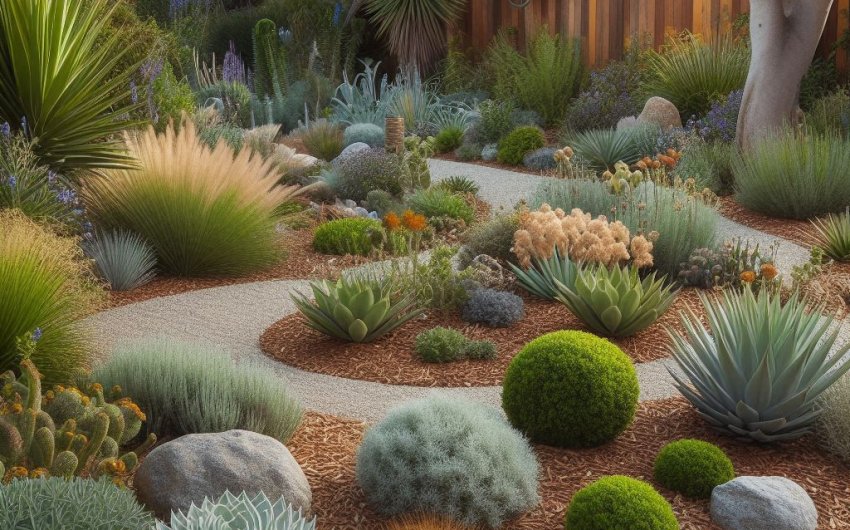
For many homeowners, the dream of a beautiful yard is often tempered by the reality of time-consuming upkeep. Learning how to design a low-maintenance landscape offers the perfect solution, allowing you to enjoy your outdoor space without spending every weekend on chores. This approach focuses on smart planning, thoughtful plant selection, and incorporating features that minimize watering, weeding, pruning, and general effort, giving you more time to relax and less time to work in the garden.
What Does "Low-Maintenance Landscape" Truly Mean?
A low-maintenance landscape isn't about having no garden at all; it's about making smart choices that reduce the time, effort, and resources required for upkeep, without sacrificing beauty or functionality.
- Reduced Labor: Minimizing tasks like mowing, weeding, pruning, deadheading, and pest control.
- Efficient Resource Use: Less water, less fertilizer, fewer chemicals.
- Smart Design: Planning spaces and selecting materials that are inherently easy to care for.
- Right Plant, Right Place: Choosing plants that thrive in your specific climate and site conditions with minimal intervention.
- Balance: Finding a balance between beauty and practicality that suits your lifestyle.
Why Prioritize Low Maintenance?
- Time Savings: Free up your weekends for hobbies, family, or simply relaxing.
- Cost Savings: Less water, fertilizer, pesticides, and potentially less money spent on professional landscaping services or replacing struggling plants.
- Environmental Benefits: Reduced water use, fewer chemicals, and a more sustainable approach to gardening.
- Reduced Stress: A garden that works with you, not against you, is a source of joy, not a burden.
- Increased Enjoyment: More time to simply sit back and appreciate your outdoor space.
What Are the Key Principles for Designing a Low-Maintenance Landscape?
Successful low-maintenance design starts with thoughtful planning and adherence to certain core principles.
Understand Your Site: This is the most critical first step.
- Sunlight Mapping: Observe how much sun different areas of your yard receive throughout the day and across seasons. Full sun, part sun, shade?
- Soil Analysis: Know your soil type (clay, sand, loam) and pH. A soil test kit is invaluable.
- Drainage Patterns: Identify wet spots, dry spots, and areas prone to pooling or runoff.
- Existing Features: Work with existing trees, structures, and slopes rather than against them.
- Climate & Hardiness Zone: Know your USDA Hardiness Zone to choose plants that will survive your winters and thrive in your summers.
Right Plant, Right Place (Plant Selection):
- Native Plants: Choose plants native to your region. They are naturally adapted to your climate, soil, and pests, requiring less water, fertilizer, and pest control.
- Drought-Tolerant Plants (Xeriscaping): Select plants that thrive with minimal water once established. This is a cornerstone of water-wise, low-maintenance landscapes. Look for drought-tolerant garden plants.
- Disease & Pest Resistant Varieties: Opt for cultivars known for their natural resistance to common local diseases and pests.
- Mature Size: Choose plants that will fit their space at maturity. This reduces the need for constant pruning.
- Low-Maintenance Traits: Look for plants that:
- Don't require frequent deadheading.
- Are not messy (don't drop excessive leaves, fruits, or flowers).
- Are evergreen (for year-round interest without seasonal die-back/cleanup).
- Don't require staking or frequent dividing.
Reduce Lawn Area (Strategically):
Advertisement- High-Maintenance: Turfgrass lawns are one of the most high-maintenance components of a landscape, requiring frequent mowing, watering, fertilizing, and weeding.
- Alternatives: Consider replacing large lawn areas with:
- Garden Beds: Filled with low-maintenance plants.
- Groundcovers: Low-growing plants that spread to cover an area.
- Hardscaping: Patios, decks, pathways.
- Native Grasses: Some native grasses are much lower maintenance than traditional turf.
- Pros: Saves time, water, and resources.
- Cons: Requires an initial investment in alternative plantings or hardscaping.
Embrace Mulching:
- Weed Suppression: A thick layer (2-4 inches) of organic mulch effectively smothers weed seeds and prevents new ones from germinating. This drastically reduces weeding time.
- Moisture Retention: Mulch significantly reduces water evaporation from the soil, meaning you water less often.
- Soil Health: As organic mulch decomposes, it slowly adds nutrients and improves soil structure.
- Material: Use organic mulches like shredded bark, wood chips, straw, or compost.
- Placement: Apply around all plants in beds, shrubs, and trees.
Utilize Hardscaping:
- Definition: Non-living elements like patios, walkways, decks, retaining walls, and rock gardens.
- Benefits: Requires minimal maintenance (sweeping, occasional cleaning), provides functional spaces, and can add structure and beauty to the landscape.
- Considerations: Choose durable materials appropriate for your climate (e.g., permeable pavers can help with drainage).
Install Efficient Irrigation:
- Drip Irrigation/Soaker Hoses: For garden beds and shrubs, drip irrigation systems or soaker hoses deliver water directly to the plant roots, minimizing evaporation and waste.
- Smart Controllers: Use smart irrigation controllers that adjust watering schedules based on local weather, soil moisture, and plant needs.
- Rain Gauges: A simple rain gauge helps you avoid unnecessary watering after rainfall.
- Pros: Saves time and water, ensures plants get the right amount of moisture.
What Are the Best Low-Maintenance Plants for Various Landscape Needs?
Choosing the right plants is arguably the most impactful decision in creating a low-maintenance landscape.
Evergreen Shrubs (Low Pruning)
- Purpose: Provide year-round structure and foliage without significant seasonal cleanup or constant shaping.
- Examples:
- Dwarf Conifers: Many varieties remain small and require minimal pruning, offering diverse textures and colors (e.g., Dwarf Mugo Pine, Dwarf Globe Blue Spruce).
- *Boxwood (Buxus spp.):* Classic, dense evergreen that can be left natural or lightly shaped. Avoid varieties that require heavy, formal shearing.
- *Dwarf Holly (Ilex spp.):* Many small, non-fruiting (or lightly fruiting) varieties offer attractive evergreen foliage with minimal care (e.g., 'Soft Touch' Holly).
- Compact Rhododendrons/Azaleas: Choose smaller cultivars that don't need constant deadheading or pruning.
Perennials (Low Deadheading, Drought Tolerant)
- Purpose: Provide seasonal color without constant attention.
- Examples:
- *Hostas (Hosta spp.):* Best for shade. Valued for foliage, not flowers, and require little care beyond slug/snail management. Hosta plants.
- *Sedum (Hylotelephium spp.):* Extremely drought-tolerant and virtually maintenance-free. 'Autumn Joy' or 'T-Rex' are popular. Sedum plants.
- *Daylilies (Hemerocallis spp.):* Tough, adaptable, and require minimal deadheading for continuous blooms. 'Stella de Oro' is a reblooming favorite. Daylily plants.
- *Coneflower (Echinacea spp.):* Drought-tolerant, long-blooming, attracts pollinators, and doesn't need deadheading. Coneflower plants.
- *Lavender (Lavandula spp.):* Drought-tolerant, fragrant, and requires only light pruning after flowering. Lavender plants.
- Ornamental Grasses: Most are incredibly low-maintenance, requiring only a single cutback in late winter/early spring. Many are drought-tolerant once established (e.g., Maiden Grass, Little Bluestem, Fountain Grass).
Groundcovers (Weed Suppression, Low-Mow Alternatives)
- Purpose: Fill in large areas, suppress weeds, and reduce lawn mowing.
- Examples:
- Creeping Thyme (Thymus serpyllum): Fragrant, low-growing, drought-tolerant, great between stepping stones or as a lawn alternative in low-traffic areas. Creeping Thyme plants.
- Phlox subulata (Creeping Phlox): Forms dense mats of colorful flowers in spring. Creeping Phlox plants.
- Pachysandra (Pachysandra terminalis): Classic evergreen groundcover for shade, very tough and weed-suppressing.
- Vinca minor (Periwinkle): Evergreen, with blue flowers, spreads vigorously. Can be invasive in some areas.
Trees (Native, Disease-Resistant, Appropriate Size)
- Purpose: Provide shade and structure with minimal pruning or pest issues.
- Examples:
- Native Trees: Always a top choice as they are adapted to local conditions.
- Avoid Messy Trees: Steer clear of trees that drop excessive fruit, seeds, or flowers (e.g., Sweet Gum, some varieties of messy fruit trees) unless you are prepared for the cleanup.
- Size at Maturity: Crucial! Plant a tree that won't outgrow its space, requiring expensive or constant pruning to keep away from structures or power lines.
What Are Common Mistakes to Avoid When Designing a Low-Maintenance Landscape?
Even with the best intentions, some common pitfalls can turn a low-maintenance dream into a high-maintenance nightmare.
Ignoring Site Analysis:
- Mistake: Planting sun-loving plants in shade or moisture-loving plants in dry spots without amending.
- Result: Struggling plants, increased need for water/fertilizer, disease, and eventual plant replacement.
- Solution: Spend time observing your yard and doing a soil test.
Over-Planting:
- Mistake: Putting too many plants in a small area, especially plants that will grow large.
- Result: Plants become crowded, poor air circulation (leading to disease), increased competition for resources, and the need for constant, heavy pruning or removal.
- Solution: Research mature sizes and give plants ample room to grow. "Fillers" like annuals can temporarily fill empty spots while perennials grow in.
Choosing the Wrong Mulch:
- Mistake: Using thin layers of decorative bark, gravel without a weed barrier, or plastic sheeting.
- Result: Weeds sprout through thin mulch, plastic sheeting suffocates soil, and gravel without a barrier integrates with soil over time, becoming messy and hard to clean.
- Solution: Use 2-4 inches of organic mulch on top of a weed barrier if needed (like newspaper/cardboard) for new beds.
Neglecting Edge Definition:
- Mistake: Allowing lawn grass to creep into garden beds.
- Result: Constant weeding of grass from beds, messy appearance.
- Solution: Install clear, durable edging (e.g., metal lawn edging, brick, plastic) between lawn and beds.
Underestimating Initial Investment:
- Mistake: Expecting a low-maintenance landscape to be cheap to install.
- Result: Cutting corners on soil amendments, quality plants, or proper hardscaping leads to problems down the line that require more maintenance and expense.
- Solution: View the initial investment as a trade-off for long-term time and cost savings. Prioritize soil health and quality plants.
Ignoring Drainage Issues:
- Mistake: Planting in perpetually soggy areas without addressing underlying drainage problems.
- Result: Root rot, plant death, unhealthy areas.
- Solution: Address drainage issues first (e.g., French drains, re-grading) or choose plants specifically adapted to wet feet (though these are often not the typical "low maintenance" choices for dry conditions).
Over-Reliance on Chemicals:
- Mistake: Using herbicides and pesticides as a primary solution rather than addressing root causes.
- Result: Degraded soil health, harm to beneficial insects, potential environmental impact, and a perpetual cycle of treating symptoms rather than preventing problems.
- Solution: Focus on building a healthy ecosystem through proper cultural practices, which reduces the need for chemicals.
By consciously learning how to design a low-maintenance landscape, you can achieve a stunning, vibrant outdoor space that perfectly complements your lifestyle, offering beauty and relaxation rather than endless chores.