
What Are the Best Drought-Tolerant Grasses for Arid Climates?
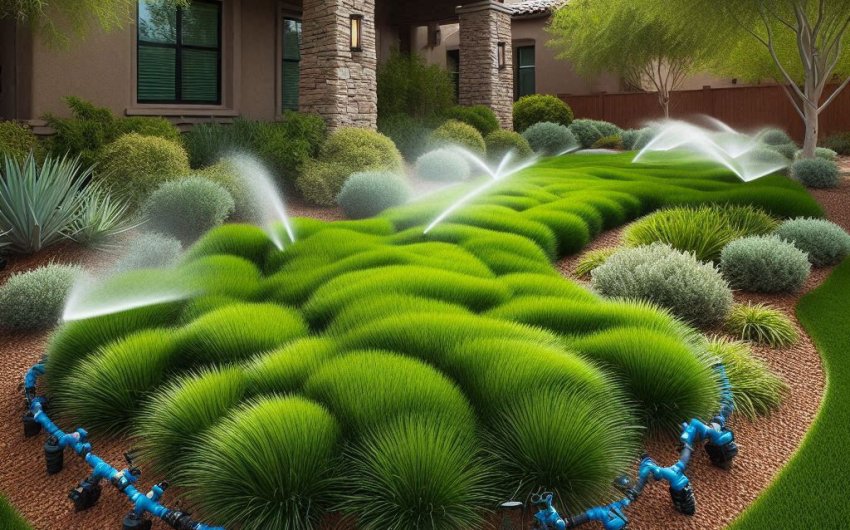
In regions grappling with increasingly limited water resources, understanding what are the best drought-tolerant grasses for arid climates becomes an essential aspect of sustainable landscaping. Traditional lush green lawns, while aesthetically pleasing, often demand excessive irrigation, a luxury that many dry environments can no longer afford. Fortunately, a variety of resilient grass species offer an attractive and practical alternative, providing a verdant ground cover with significantly reduced water needs. These low-water options not only contribute to water conservation but also minimize maintenance, presenting an ideal solution for creating beautiful, enduring landscapes in challenging conditions.
Why is Drought Tolerance Important for Arid Climates?
Drought tolerance is not just a gardening trend; it's a vital consideration for anyone living in arid or semi-arid climates. The reasons extend far beyond just keeping your lawn green, impacting both the environment and your wallet.
Water Conservation:
- Scarcity of Resources: Arid regions naturally receive very little rainfall. Relying on water-intensive landscaping puts immense strain on already limited natural water supplies, often leading to restrictions and shortages.
- Reduced Demand: Choosing drought-tolerant grasses drastically cuts down on the amount of water needed for irrigation, freeing up this precious resource for essential uses like drinking water and agriculture. A bag of Drought Tolerant Grass Seed can make a big difference.
Cost Savings:
- Lower Water Bills: Water usage for irrigation can account for a significant portion of a household's water bill, especially in summer months. Drought-tolerant lawns mean lower water consumption and, consequently, lower utility costs.
- Reduced Maintenance: Many drought-tolerant grasses are also slower growing, requiring less frequent mowing. This saves time, fuel, and the wear and tear on your Lawn Mower.
Environmental Benefits:
- Reduced Runoff and Pollution: Over-watering leads to water runoff, which can carry fertilizers, pesticides, and other pollutants into storm drains, rivers, and lakes, harming aquatic ecosystems. Less watering means less runoff.
- Healthier Ecosystems: By conserving water, you contribute to the overall health of local aquifers, wetlands, and natural habitats that depend on those water sources.
- Carbon Footprint Reduction: Less mowing means less fuel consumption and fewer emissions, reducing your carbon footprint.
Resilience and Aesthetics:
Advertisement- Withstanding Dry Spells: Drought-tolerant grasses are specifically adapted to survive prolonged periods without rain. While they might go dormant (turn brown) during severe drought, they often green up quickly once water becomes available again, avoiding the need for costly replacement.
- Maintaining Curb Appeal: Even in dry conditions, these grasses can maintain a respectable appearance, offering a more sustainable way to keep your property looking well-maintained without the constant guilt or expense of over-watering. Choosing a specific Arid Climate Grass Blend ensures resilience.
Compliance with Regulations:
- Water Restrictions: Many arid regions implement strict water restrictions, especially during drought periods. Having a drought-tolerant lawn ensures you comply with these regulations, avoiding fines and contributing to community-wide water conservation efforts.
In essence, embracing drought-tolerant grasses is a practical, responsible, and economically sensible choice that aligns with the realities of living in arid climates, ensuring the sustainability of both your landscape and vital natural resources.
Which Warm-Season Grasses are Best for Arid Climates?
Warm-season grasses are those that thrive in hot temperatures, typically growing most actively from late spring through summer. They are excellent choices for arid climates because many have evolved mechanisms to cope with heat and drought, often by going dormant during dry spells and bouncing back when moisture returns.
Here are some of the best warm-season grasses for arid regions:
Bermudagrass (Cynodon dactylon):
- Description: A highly aggressive and resilient grass, Bermudagrass is well-known for its excellent heat and drought tolerance. It forms a dense, dark green, fine to medium-textured turf.
- Drought Tolerance: Exceptional. It has deep roots that can tap into water reserves, and it can go dormant (turn brown) during severe drought, then quickly recover with water.
- Traffic Tolerance: Very high. It stands up well to heavy foot traffic, making it ideal for active lawns.
- Maintenance: Requires full sun. Needs frequent mowing to maintain a manicured look due to its fast growth. Benefits from regular fertilization.
- Cons: Can be invasive and spread into garden beds if not contained. Be careful where you use Bermudagrass Seed.
- Best For: Southern US, Arizona, California, and other warm regions with high temperatures and low rainfall, where a tough, traffic-resistant lawn is desired.
Zoysiagrass (Zoysia japonica):
- Description: Zoysiagrass forms a very dense, attractive, medium to fine-textured lawn with a soft feel. It spreads slowly but creates a thick, durable carpet.
- Drought Tolerance: Excellent. It's known for its ability to stay green longer than many other grasses during dry spells and recovers well from dormancy.
- Traffic Tolerance: High once established, due to its dense growth.
- Maintenance: Needs full sun to light shade. Slower growth means less frequent mowing. It can be established from seed, plugs, or sod. A patch of Zoysiagrass Plugs can establish quickly.
- Cons: Slower to establish than Bermudagrass. Can feel stiff if not mowed frequently enough at the right height.
- Best For: Southern and transition zones, where a beautiful, low-maintenance, and water-efficient lawn is a priority.
Buffalograss (Bouteloua dactyloides):
- Description: This is a native North American prairie grass, often considered a true "eco-lawn" option. It's a fine-textured, low-growing grass with a distinctive grayish-green to blue-green color.
- Drought Tolerance: Outstanding. It is one of the most drought-tolerant turfgrasses available, naturally adapted to arid conditions. It will go dormant in prolonged drought but reliably recovers.
- Traffic Tolerance: Moderate. It can handle light to moderate foot traffic but isn't as robust as Bermudagrass for heavy use areas.
- Maintenance: Extremely low. Requires very little water, fertilizer, and infrequent mowing (sometimes only once or twice a season if left taller). Needs full sun. Consider using Buffalograss Seed for an extremely low-maintenance lawn.
- Cons: Can take longer to establish from seed. May not create the perfectly manicured look of a traditional lawn.
- Best For: Arid and semi-arid regions of the Great Plains and Western US, where water conservation and low maintenance are top priorities. Ideal for areas that receive minimal traffic.
St. Augustinegrass (Stenotaphrum secundatum):
- Description: A coarse-textured, broad-bladed grass that forms a dense, attractive blue-green carpet. It spreads by stolons (above-ground runners).
- Drought Tolerance: Good, especially improved varieties. While it prefers consistent moisture, it can tolerate short periods of drought by going dormant and recovers well. It's more tolerant of partial shade than Bermudagrass or Zoysia.
- Traffic Tolerance: Moderate.
- Maintenance: Needs relatively more water than Bermudagrass or Zoysia to stay lush, but less than cool-season grasses. Grows quickly and needs regular mowing. Sensitive to cold temperatures. Plant St. Augustinegrass Plugs for quick establishment.
- Cons: Not suitable for very cold climates. Can develop thatch quickly.
- Best For: Warm, humid coastal regions and the deep South, where it excels in both sun and partial shade.
Choosing the right warm-season grass depends on your specific climate, desired look, and tolerance for maintenance, but all these options offer significant water-saving benefits in arid environments.
Which Cool-Season Grasses are Suitable for Arid Climates?
While warm-season grasses are generally better suited for hot and arid climates, some cool-season grasses (those that grow best in cooler temperatures, typically in spring and fall) offer improved drought tolerance compared to their counterparts. These are more often found in transition zones or higher elevations within arid regions where summer nights are cooler, or where some supplemental irrigation is acceptable.
Here are cool-season grasses known for their relatively good drought tolerance:
Tall Fescue (Festuca arundinacea):
- Description: Tall fescue is a coarse-textured grass that forms a deep root system. It's valued for its tolerance to a wide range of conditions, including heat and moderate drought. Newer, "turf-type" tall fescues are finer-bladed and more attractive than older varieties.
- Drought Tolerance: Good. Its deep roots allow it to extract water from deeper in the soil profile, making it more drought-tolerant than other fescues or Kentucky bluegrass. It may go dormant in prolonged, severe drought but usually recovers quickly with water.
- Traffic Tolerance: Good. It can withstand moderate foot traffic.
- Maintenance: Prefers full sun but tolerates some partial shade. Requires less frequent mowing than Kentucky bluegrass. Benefits from regular fertilization. Use Tall Fescue Seed for a relatively low-maintenance cool-season lawn.
- Cons: Can become clumpy over time if not overseeded. May struggle in extremely hot, dry summers without some supplemental water.
- Best For: Transition zones, where both hot summers and cold winters occur, and for homeowners seeking a cool-season lawn with better drought resilience than traditional cool-season options.
Fine Fescues (e.g., Creeping Red Fescue, Hard Fescue, Sheep Fescue):
- Description: This group includes several species known for their very fine, delicate blades and ability to tolerate dry, shady conditions. They often have a bluish-green hue and form a dense, low-growing turf.
- Drought Tolerance: Very good to excellent, particularly hard fescue and sheep fescue. They have a low water requirement and can remain green or go dormant gracefully during drought, recovering well.
- Traffic Tolerance: Low to moderate. Not ideal for high-traffic areas but excellent for low-use lawns or naturalized areas.
- Maintenance: Extremely low. They grow slowly, requiring infrequent mowing, and have very low fertilizer needs. They perform well in partial shade, making them unique among drought-tolerant grasses. A bag of Fine Fescue Blend Seed is great for low-maintenance areas.
- Cons: Do not tolerate heavy traffic. Can struggle in intense, full sun in extremely hot climates.
- Best For: Shady areas in arid or transition zones, low-maintenance lawns, or areas where a naturalized look is desired. They are often included in "no-mow" or "eco-lawn" seed mixes.
Kentucky Bluegrass (Selected Varieties of Poa pratensis):
- Description: Kentucky bluegrass is famous for its beautiful, dark green color and fine texture, creating a lush, dense lawn. While traditionally high-water users, some newer varieties have improved drought tolerance.
- Drought Tolerance: Moderate (for improved varieties). Standard Kentucky bluegrass has poor drought tolerance. However, some newer cultivars have deeper root systems and can go dormant more effectively during drought, then recover. They still need more water than fescues to stay green.
- Traffic Tolerance: High. It's very resilient and self-repairing due to its rhizomatous (underground spreading) growth.
- Maintenance: Requires full sun. Needs consistent watering to stay green, especially in summer. Requires more frequent mowing and fertilization than fescues. Search for Drought Tolerant Kentucky Bluegrass Seed.
- Cons: Generally higher water and maintenance requirements than other drought-tolerant options. Can struggle in very hot, dry climates without significant supplemental irrigation.
- Best For: Cooler arid climates or transition zones where a traditional, lush lawn appearance is highly desired, and homeowners are willing to provide some supplemental irrigation during dry spells.
When considering cool-season grasses for arid climates, it's crucial to select specific drought-tolerant cultivars and be realistic about their water needs, as they will still generally require more irrigation than the most drought-hardy warm-season options. They are a better fit for areas with milder summers or where some aesthetic compromise for greenness is acceptable during dry periods.
What Factors Contribute to a Grass's Drought Tolerance?
Understanding why certain grasses are better at handling dry conditions helps in selecting the most suitable species for an arid climate. Several key characteristics and adaptations allow grasses to survive and even thrive with minimal water.
Root System Depth and Density:
- Deeper Roots: Grasses with extensive, deep root systems can reach water located further down in the soil profile. This is perhaps the most crucial factor in drought tolerance. For example, Bermudagrass and Tall Fescue are known for their deeper root penetration.
- Dense Roots: A dense network of roots helps the plant efficiently absorb any available moisture, minimizing water loss.
Dormancy Mechanisms:
- Summer Dormancy: Many drought-tolerant grasses (especially warm-season varieties like Bermudagrass and Buffalograss) have the ability to enter a state of dormancy during prolonged dry periods. Their blades turn brown and growth stops, but the crown and roots remain alive. Once water returns, they green up again, often quite quickly. This is a survival strategy to conserve energy and moisture.
- Less Water Loss: While dormant, the plant's metabolic activity slows down significantly, dramatically reducing its water requirements.
Leaf Characteristics:
- Leaf Rolling/Folding: Some grasses (like certain fescues) have leaves that can roll or fold inward during dry conditions. This reduces the surface area exposed to the sun and wind, minimizing water loss through transpiration (evaporation from leaves).
- Fine Texture: Generally, grasses with finer blades have less surface area than those with broader blades, which can contribute to slightly less water loss.
- Waxy Coatings: Some grasses have a waxy cuticle on their leaves that helps to seal in moisture.
- Stomata Control: Stomata are tiny pores on leaves that open to take in carbon dioxide for photosynthesis but also release water vapor. Drought-tolerant grasses are more efficient at closing their stomata during hot, dry periods to reduce water loss, while still allowing enough CO2 for survival.
Growth Habits:
- Rhizomes and Stolons: Many drought-tolerant grasses (like Bermudagrass and Zoysiagrass) spread by underground rhizomes or above-ground stolons. This allows them to quickly repair damaged areas and recover from stress, including drought.
- Low Growth Habit: Lower-growing grasses often create a dense canopy that shades the soil, reducing evaporation from the soil surface.
Water Use Efficiency (WUE):
- Efficient Photosynthesis: Some grasses are inherently more efficient at using water during photosynthesis. They can produce more biomass per unit of water consumed. This is often linked to their physiological pathways (e.g., C4 grasses like Bermudagrass and Buffalograss are generally more water-efficient than C3 grasses like fescues).
Genetic Adaptation:
- Native to Arid Regions: Grasses that naturally evolved in arid or semi-arid environments (like Buffalograss) have developed strong genetic adaptations for drought survival over millennia.
- Breeding Programs: Plant breeders continually develop new cultivars of popular turfgrasses that enhance drought tolerance, often by selecting for deeper roots, better dormancy, or improved recovery rates. Choosing varieties like Water Smart Grass Seed indicates such genetic improvements.
By understanding these physiological and structural adaptations, you can make informed decisions about what are the best drought-tolerant grasses for arid climates, selecting varieties that are naturally equipped to handle challenging dry conditions.
How Can You Enhance Drought Tolerance in Any Lawn?
Even if you choose a drought-tolerant grass, certain practices can significantly enhance its resilience and reduce its water needs further. These steps contribute to a healthier lawn that can better withstand dry spells, regardless of the grass type.
Improve Soil Quality:
- Add Organic Matter: Incorporating compost or well-rotted manure into your soil before planting, and periodically top-dressing established lawns, dramatically improves soil health.
- Benefits: Organic matter enhances the soil's ability to retain moisture like a sponge, reduces compaction (allowing roots to grow deeper), and improves nutrient availability. A bag of Organic Soil Conditioner can do wonders.
- Drainage: While moisture retention is good, ensure your soil still drains well to prevent waterlogging.
Water Deeply and Infrequently:
- Encourage Deep Roots: Instead of frequent, shallow watering, water your lawn deeply when you do water. This encourages grass roots to grow deeper into the soil in search of moisture, making the plant more resilient to dry periods.
- How Often: The frequency will depend on your grass type, soil, and climate, but aim to water only when the grass shows signs of stress (e.g., foot traffic leaves impressions, blades curl, color dulls). Then, apply enough water to wet the soil to a depth of 4-6 inches. A Rain Gauge helps track natural rainfall.
- When to Water: Water early in the morning to minimize evaporation and allow the grass blades to dry before nightfall, reducing the risk of fungal diseases.
Mow at a Higher Setting:
- Taller Blades, Deeper Roots: Adjust your Lawn Mower Blade Height to its highest recommended setting for your grass type (often 2.5 to 3.5 inches for many turfgrasses).
- Benefits: Taller grass blades shade the soil, keeping it cooler and reducing water evaporation. They also allow for more leaf surface area for photosynthesis, leading to stronger, deeper root systems.
- "One-Third Rule": Never remove more than one-third of the grass blade's height at a single mowing.
Leave Grass Clippings on the Lawn (Mulching):
- Natural Fertilizer and Mulch: Use a mulching mower to finely chop grass clippings and leave them on the lawn.
- Benefits: These clippings decompose, returning valuable nutrients (especially nitrogen) to the soil, which reduces the need for synthetic fertilizers. They also act as a natural mulch layer, helping to conserve soil moisture.
Aeration:
- Relieve Compaction: Over time, foot traffic and heavy equipment can compact the soil, making it difficult for water, air, and nutrients to penetrate, and for roots to grow deeply.
- Core Aeration: Using a Core Aerator (which pulls out small plugs of soil) breaks up compaction.
- Benefits: Improves water infiltration, gas exchange, and root growth, all contributing to better drought tolerance. Do this in the active growing season for your grass type (spring/early summer for warm-season, fall for cool-season).
Proper Fertilization:
- Balanced Nutrients: While it might seem counterintuitive, proper fertilization makes a lawn more resilient. Over-fertilizing, especially with too much nitrogen, can lead to excessive top growth at the expense of root development.
- Timing: Fertilize at the appropriate time for your grass type (e.g., late spring/early summer for warm-season; fall for cool-season). Use a slow-release nitrogen fertilizer.
- Benefits: A healthy, well-nourished lawn will have a stronger root system and better overall health, making it more capable of withstanding stress, including drought.
Address Weeds:
- Competition for Resources: Weeds compete with your grass for precious water and nutrients.
- Weed Control: Implement a weed control strategy (manual removal, pre-emergent herbicides, or spot treatment) to keep your lawn weed-free. A healthy, dense lawn is also naturally better at outcompeting weeds. A Weed Puller Tool can be effective.
By combining the selection of what are the best drought-tolerant grasses for arid climates with these smart lawn care practices, you can create a truly resilient and water-efficient landscape that thrives even in challenging dry conditions.