
How Do I Care for a Lawn with Pets?
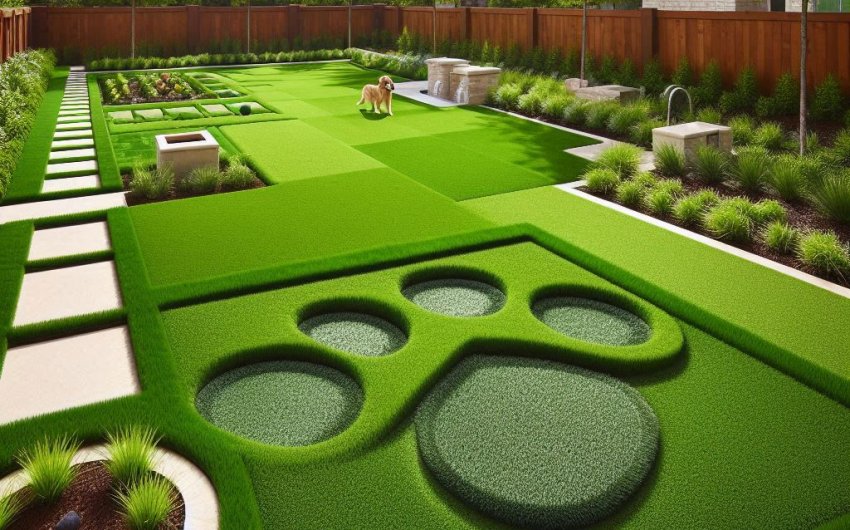
Maintaining a lush, healthy lawn while also providing a safe and enjoyable outdoor space for your furry companions can be a delicate balancing act. Understanding how to care for a lawn with pets involves addressing specific challenges like urine spots, compacted soil, and wear and tear, all while prioritizing pet safety from harmful chemicals. By implementing smart strategies, you can cultivate a resilient turf that withstands pet activity and remains a vibrant part of your home environment.
What Are the Main Challenges of Lawn Care with Pets?
Having pets, especially dogs, introduces unique challenges to traditional lawn care. Their natural behaviors, like urinating, digging, and running, can significantly impact the health and appearance of your grass. Understanding these challenges is the first step toward creating a pet-friendly and thriving lawn.
Urine Spots (Nitrogen Burn)
This is arguably the most common and frustrating issue for pet owners.
- What it is: Dog and cat urine is rich in nitrogen compounds. While nitrogen is a vital nutrient for plants, in high concentrations, it acts like a super-concentrated fertilizer, essentially "burning" the grass.
- Appearance: Typically, a urine spot will manifest as a small, circular patch of dead, brown grass in the center, often surrounded by a ring of unusually dark green, fast-growing grass. This green ring is where the nitrogen was diluted enough to act as a fertilizer.
- Severity: Female dogs often cause more noticeable spots because they tend to empty their bladder in one concentrated area, whereas male dogs may spread their urine more widely. The size and frequency of spots increase with the number of pets.
Soil Compaction
Pets, particularly dogs, running and playing on the lawn, can lead to soil compaction.
- What it is: When soil particles are pressed together, reducing the amount of air and pore space between them.
- How it happens: Repeated foot traffic, especially in specific "paths" or play areas, exerts pressure on the soil. This is exacerbated on wet soil.
- Impact on Lawn: Compacted soil makes it difficult for grass roots to penetrate and grow deeply. It also restricts the movement of air, water, and nutrients into the root zone. This leads to thin, unhealthy grass that is more susceptible to disease, pests, and drought stress. You might notice water puddling on the surface instead of soaking in.
Wear and Tear (Traffic Paths and Digging)
Active pets can cause physical damage to the grass.
- Traffic Paths: Dogs often create worn-out pathways where they repeatedly run or patrol. These areas quickly lose grass coverage, leaving bare dirt.
- Digging: Some dogs are natural diggers, whether out of boredom, instinct, or to bury things. This creates unsightly holes, damages grass roots, and displaces soil.
- Scratching/Rolling: Cats may scratch at turf or both cats and dogs might roll on it, causing localized damage.
Chemical Sensitivity and Pet Safety
Traditional lawn care often involves synthetic chemicals that can be harmful to pets.
- Fertilizers: Some granular fertilizers, if ingested, can cause digestive upset. Certain quick-release fertilizers can also cause skin irritation if pets walk on them before they are watered in.
- Pesticides/Herbicides: Many broad-spectrum pesticides and herbicides contain ingredients toxic to pets if ingested or if they come into contact with them before they dry. This poses a significant safety concern.
- Slug/Snail Baits: Some slug and snail baits are highly toxic to dogs if consumed.
How Can You Prevent and Repair Urine Spots?
Urine spots are a prevalent issue for pet owners, but with proactive strategies and quick repair methods, you can significantly reduce their impact and maintain a more uniformly green lawn. The key is managing the nitrogen concentration and supporting quick grass recovery.
Preventing Urine Spots
Proactive measures focus on diluting the urine or encouraging your pet to relieve themselves in designated areas.
- Dilute Immediately: This is the most effective immediate action. As soon as your dog urinates, follow up by drenching the area with water from a hose or a watering can. This dilutes the nitrogen, preventing it from reaching toxic concentrations. Keep a hose readily accessible.
- Hydrate Your Pet: Ensure your dog is well-hydrated. A well-hydrated dog produces more diluted urine, which is less potent.
- Designated Potty Area: Train your dog to use a specific dog run or potty area.
- Materials: This area can be mulched with wood chips, covered with gravel or pea pebbles, or even utilize a patch of artificial turf for dogs. The goal is to provide a distinct, comfortable surface that encourages them to go there.
- Training: Leash your dog and lead them to the designated area. Reward them enthusiastically when they relieve themselves there. Consistency is key.
- Dietary Supplements (Use with Caution): Some pet owners use dietary supplements designed to neutralize the nitrogen in urine. However, always consult with your veterinarian before giving your pet any supplements, as some can lead to health issues. They are also not always effective for the lawn.
- Train for Off-Lawn Urination: If possible, train your dog to urinate in non-lawn areas of your yard, such as a bark mulch bed or a gravel path.
Repairing Existing Urine Spots
Once a urine spot appears, you'll need to repair it to restore the lawn's appearance.
- Remove Dead Grass: Rake out the dead, brown grass from the affected area. This is essential to prepare a good seedbed.
- Loosen Soil: Use a hand rake or small garden fork to gently loosen the soil in the bare patch. This improves aeration and allows new roots to establish.
- Add Compost/Topsoil (Optional but Recommended): Spread a thin layer (1/2 inch) of compost or good quality topsoil over the loosened area. This provides nutrients and improves soil structure for the new grass.
- Reseed or Re-sod:
- Reseeding: Sprinkle grass seed (use a patch and repair grass seed mix designed for quick germination or the same seed as your existing lawn) over the prepared patch. Lightly rake it in so the seed has good soil contact, but don't bury it too deep. You can lightly cover with a thin layer of peat moss or straw to help retain moisture and deter birds.
- Re-sodding: For larger or more frequent spots, cut out a small piece of fresh sod that matches your existing lawn and place it into the prepared hole. Press down firmly for good contact.
- Water Consistently: Keep the reseeded or re-sodded area consistently moist (but not soggy) until the new grass establishes. This usually means light watering once or twice a day, especially in warm weather. Once new grass is established, resume normal watering.
- Protect the Area: Try to keep pets off the newly seeded or sodded areas until the grass is well-established to prevent further damage. You can use temporary fencing or strategically placed obstacles.
Selecting Urine-Resistant Grasses
While no grass is truly "urine-proof," some varieties tolerate pet activity and nitrogen levels better than others.
- Tall Fescue: Often recommended for its deep root system and ability to tolerate higher levels of traffic and various soil conditions.
- Perennial Ryegrass: Establishes quickly, making it good for patching, and has moderate tolerance.
- Kentucky Bluegrass (with limitations): While beautiful, it's less tolerant of dog urine than fescues and ryegrass. It can recover through rhizomes but may struggle with frequent spots.
- Bermuda Grass (Warm Season): Very tolerant of high traffic and can recover quickly from damage due to its aggressive growth habit.
- Zoysia Grass (Warm Season): Forms a dense, wear-resistant turf and is relatively tolerant of pet use.
Mixing grass types can also provide a more resilient lawn. A blend of tall fescue and perennial ryegrass is often a good choice for pet owners in cool-season areas.
How Can You Combat Soil Compaction from Pets?
Soil compaction is a widespread issue in pet-friendly lawns, but effective strategies like aeration and topdressing can significantly improve soil health, allowing your grass to thrive despite heavy foot traffic. The goal is to restore the vital air and water pathways within the soil.
Understanding and Identifying Compaction
- Review Symptoms: Recall the signs of compaction: water puddling, thin grass, hard soil, moss/weeds thriving.
- Screwdriver Test: Push a long screwdriver or a wire flag into the soil. If it's difficult to push in more than a few inches, your soil is likely compacted.
- Traffic Patterns: Observe areas where your pets frequently run or play – these are prime candidates for compaction.
Aeration: The Primary Solution for Compaction
Aeration is the process of creating small holes in the lawn to break up compacted soil, allowing air, water, and nutrients to penetrate.
- Core Aeration (Recommended):
- How it works: A core aerator (which you can rent from most equipment rental centers or home improvement stores) physically removes small plugs (cores) of soil from the lawn. This is the most effective method as it actually removes the compacted material.
- Benefits: Directly opens up air and water pathways, promotes deeper root growth, and reduces puddling. The cores left on the lawn break down, returning nutrients.
- Timing: For cool-season grasses (fescue, ryegrass, bluegrass), aerate in early fall (late August to October) or early spring (March to May). For warm-season grasses (Bermuda, Zoysia), aerate in late spring to early summer (late April to July). Always aerate when grass is actively growing.
- Frequency: For lawns with heavy pet traffic, aerate annually. For moderate traffic, every 1-2 years.
- Steps:
- Mow your lawn.
- Mark sprinkler heads.
- Water the lawn thoroughly 1-2 days before so the soil is moist but not muddy.
- Make 1-2 passes with the aerator over the entire lawn (two passes if severely compacted, with the second perpendicular to the first).
- Leave cores on the lawn to decompose.
- Spike Aeration (Limited Use):
- How it works: Uses solid tines or spikes to poke holes in the ground without removing soil.
- Benefits: Easy to use (aerator sandals or rollers are available).
- Drawbacks: Can worsen compaction in clay soils by simply pushing soil aside. Not recommended for severe compaction.
Topdressing with Organic Matter
Topdressing involves applying a thin layer of material over the lawn surface, which works synergistically with aeration to improve soil health over time.
- Materials: Use a high-quality, screened compost. Avoid heavy topsoil that can sit on top of the grass.
- Benefits:
- Adds organic matter, improving soil structure, increasing water retention, and promoting nutrient availability.
- Feeds beneficial soil microbes and earthworms, which naturally loosen the soil.
- Helps break down thatch.
- Encourages deeper root growth.
- Timing: Apply after aeration, as the compost can filter directly into the aeration holes, reaching the root zone more effectively.
- Application:
- Mow the lawn.
- Spread a thin layer (1/4 to 1/2 inch) of compost evenly over the lawn. The grass blades should still be visible.
- Use the back of a rake or a push broom to work the compost down into the turf and aeration holes.
- Water lightly to settle the material.
- Frequency: Apply annually or every other year, especially after aeration, to continually build soil health.
Overseeding After Aeration and Topdressing
- Why: After opening up the soil with aeration and adding nutrients with topdressing, it's the perfect time to overseed. The new grass seed will have excellent soil contact and access to moisture and nutrients, leading to higher germination rates and a denser turf.
- Benefits: A thicker lawn is more resilient to pet traffic and helps prevent compaction by providing a cushioned surface.
- Steps: Apply your chosen grass seed immediately after aerating and topdressing. Water lightly and consistently until new seedlings are established.
By combining regular aeration and topdressing with organic matter, you can effectively combat soil compaction from pet traffic, fostering a deeper, healthier root system and a more resilient, vibrant lawn.
How Can You Choose Pet-Safe Lawn Products?
Prioritizing pet safety when caring for your lawn is paramount. This means making informed choices about the products you use, opting for natural and organic solutions whenever possible, and understanding the risks associated with conventional chemical treatments.
Understanding the Risks of Conventional Products
Many standard lawn care products contain synthetic chemicals that can be harmful to pets.
- Synthetic Fertilizers:
- Risk: Can cause gastrointestinal upset (vomiting, diarrhea) if ingested directly. Some, particularly those with iron, can be toxic in larger quantities. Rapid-release nitrogen can burn paw pads if walked on before watering in.
- Solution: Use organic, slow-release granular fertilizers derived from natural sources (e.g., organic lawn fertilizer, alfalfa meal, bone meal). These break down slowly and are less likely to cause burns or toxicity.
- Herbicides (Weed Killers):
- Risk: Many active ingredients in herbicides are toxic if ingested, causing symptoms ranging from nausea to neurological issues. Granular forms pose an ingestion risk.
- Solution: Focus on cultural weed control (healthy dense turf, mulching). For spot treatment, use organic weed killers based on natural ingredients like acetic acid (vinegar) or fatty acids, or hand-pull weeds.
- Pesticides (Insect Killers):
- Risk: Broad-spectrum pesticides are designed to kill insects, but they can also be harmful to pets and beneficial insects. Common insecticides can cause neurological effects, vomiting, or diarrhea.
- Solution: Prioritize natural pest control (healthy soil, beneficial insects, regular inspection). Use organic insecticidal soaps or neem oil for targeted pest issues. Encourage natural predators like ladybugs.
- Slug/Snail Baits:
- Risk: Some conventional baits contain metaldehyde, which is highly toxic and attractive to dogs, causing severe neurological symptoms and can be fatal.
- Solution: Use pet-safe slug baits that contain iron phosphate. This ingredient is much safer for pets. Alternatively, use natural methods like beer traps or hand-picking.
Key Principles for Pet-Safe Lawn Care Products
- Read Labels Carefully: Always read the entire product label before purchasing and applying any lawn care product. Look for phrases like "pet-safe," "non-toxic to pets," or "organic."
- Choose Organic/Natural Options: Prioritize products that are OMRI (Organic Materials Review Institute) listed or clearly labeled as organic. These typically use plant-based, mineral-based, or naturally derived ingredients.
- Opt for Slow-Release Fertilizers: If using granular fertilizers, choose slow-release or coated options to reduce immediate ingestion risk and prevent burns.
- Spot Treat, Don't Broadcast: If you must use a weed killer or insecticide, apply it only to the affected areas rather than spraying the entire lawn.
- Water In Thoroughly: Always water in granular products immediately after application to dissolve them and reduce the risk of paw irritation or ingestion.
- Allow Products to Dry: If using liquid sprays, keep pets off the treated area until the product has completely dried (check label for specific re-entry times).
- Store Safely: Store all lawn care products in their original containers, out of reach of pets and children, in a cool, dry place.
Table: Pet-Safe Alternatives for Lawn Care
| Conventional Product | Pet-Safe Alternative(s) | How it Works |
|---|---|---|
| Synthetic Fertilizers | Compost, well-rotted manure, organic granular fertilizers (e.g., bone meal, alfalfa meal, feather meal, organic slow-release blends) | Naturally release nutrients as they decompose, improving soil health and feeding plants slowly. |
| Chemical Weed Killers | Hand-weeding, mulching, dense turf, horticultural vinegar (acetic acid, specific concentrations), iron-based weed killers | Physical removal, suffocating weeds, outcompeting weeds, or natural acid burns broadleaf weeds (carefully). |
| Synthetic Pesticides | Neem oil, insecticidal soap, diatomaceous earth, beneficial insects (ladybugs, lacewings), healthy lawn practices | Disrupt insect feeding/reproduction, dehydrate pests, natural predation, promote resilient turf. |
| Metaldehyde Slug Baits | Iron phosphate slug bait, beer traps, hand-picking, encouraging predators (frogs, birds) | Iron phosphate is non-toxic to pets. Traps/predators remove slugs naturally. |
By adopting a mindful approach to product selection, you can significantly reduce the risks to your pets while still maintaining a healthy and beautiful lawn.
What Are Other Tips for a Pet-Friendly Lawn?
Creating a harmonious outdoor space for both your pets and your pristine lawn extends beyond managing urine spots and compaction. It involves smart landscaping design, promoting overall lawn health, and understanding your pet's specific needs and behaviors.
Strategic Landscaping and Design
Thoughtful planning can reduce stress on your lawn and create dedicated pet areas.
- Designated Dog Runs/Potty Zones: As mentioned earlier, creating a specific area for your dog to relieve themselves can save your main lawn.
- Location: Choose a spot that's easily accessible and perhaps a bit out of the main view.
- Surfacing: Use durable materials like pea gravel, wood mulch (ensure it's not cocoa mulch, which is toxic to dogs), sand, or even a patch of artificial turf. These surfaces drain well and are easy to clean.
- Pathways: If your pet consistently creates traffic paths, install durable pathways using stepping stones, pavers, or gravel. This redirects traffic away from the grass.
- Secure Fencing: Ensure your fencing is secure and appropriate for your pet's size and breed to prevent escapes and keep them contained.
- Shade and Water Stations: Provide a shaded area for your pet to rest during hot weather, and ensure there's always fresh water available. A pet-friendly water fountain can be a nice addition.
- Protect Vulnerable Areas: Use temporary barriers, small fences, or raised garden beds to protect flower beds, new plantings, or vegetable gardens from curious paws.
Promoting Overall Lawn Health and Resilience
A strong, healthy lawn is inherently more capable of withstanding pet activity.
- Choose the Right Grass: As discussed, select grass varieties known for their tolerance to traffic and ability to recover from damage (e.g., Tall Fescue, Bermuda, Zoysia).
- Proper Mowing Height: Mow your grass at its highest recommended setting (usually 2.5-3.5 inches). Taller grass shades the soil, promotes deeper roots, and is more resilient to wear and tear.
- Leave Clippings (Mulch Mowing): Let grass clippings decompose on the lawn. They return nutrients and organic matter to the soil, promoting healthier growth. Use a mulching mower for best results.
- Deep and Infrequent Watering: Encourage deep root growth by watering thoroughly and allowing the soil to dry out somewhat between waterings. This makes the grass more drought-tolerant and resilient.
- Regular Overseeding: Periodically overseed your lawn, especially in high-traffic areas, to maintain density and fill in thin spots. This is particularly effective after aeration and topdressing.
Training and Behavioral Management
Addressing your pet's behaviors can directly reduce lawn damage.
- Potty Training: Consistent training to use a specific area (as mentioned above) is crucial. Reward desired behavior.
- Boredom Busters: If your dog digs due to boredom, provide plenty of exercise, mental stimulation (puzzle toys, training), and appropriate chew toys. A designated digging pit (e.g., a sandbox filled with loose soil) might redirect digging behavior.
- Leash Training: For new puppies or dogs prone to excessive running, use a long training leash to guide them away from sensitive lawn areas.
- Supervision: Supervise your pet's outdoor time, especially initially, to reinforce good habits and intervene quickly if they start damaging the lawn.
By integrating these practical strategies, you can successfully care for a lawn with pets, creating a beautiful and safe outdoor environment for everyone to enjoy.