
How Can I Grow a Lawn in Sandy Soil?
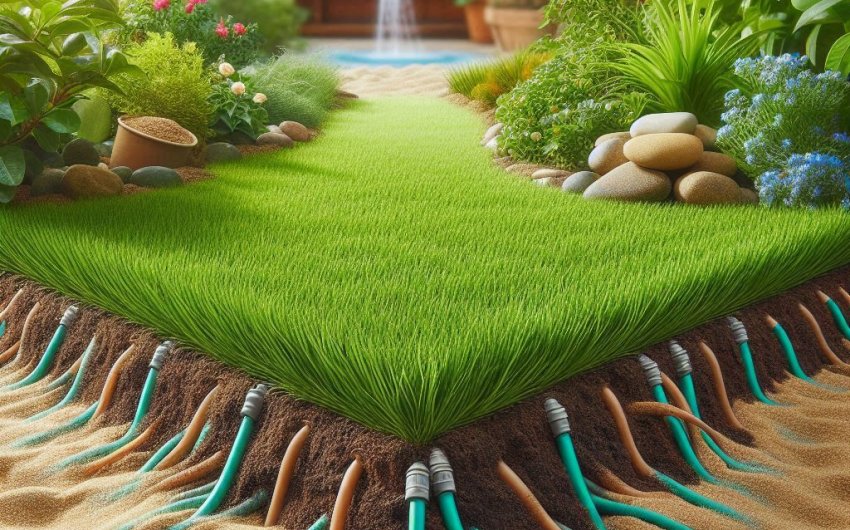
Learning how can I grow a lawn in sandy soil involves understanding the unique challenges this soil type presents and implementing specific strategies to overcome them. Sandy soil, while offering excellent drainage, struggles with nutrient and water retention, which are crucial for healthy grass growth. Successfully cultivating a vibrant green lawn in such conditions requires a focused approach, prioritizing soil amendment, selecting appropriate grass types, and adjusting irrigation and fertilization practices to support a robust and resilient turf.
What are the characteristics of sandy soil for a lawn?
Before diving into solutions for growing a lawn in sandy soil, it's crucial to understand what makes this soil type unique and why it presents specific challenges for turfgrass.
What are the properties of sandy soil?
Sandy soil is primarily composed of large mineral particles. Unlike clay soil, which has tiny, flat particles that pack tightly, sand particles are comparatively large and irregular, leading to distinct characteristics.
- Large Particle Size: Sand grains are the largest of the three main soil particle types (sand, silt, clay). This larger size is responsible for most of sandy soil's properties.
- Excellent Drainage: The large spaces between sand particles allow water to drain very quickly. While this prevents waterlogging and root rot, it also means water passes through rapidly, often before plants can fully absorb it.
- Poor Water Retention: Because water drains so quickly, sandy soil struggles to hold onto moisture. It dries out much faster than loamy or clay soils, making drought stress a constant concern for plants.
- Low Nutrient Retention: The large particle size and lack of surface area mean sandy soil has a low cation exchange capacity (CEC). This is the soil's ability to hold onto positively charged nutrient ions (like nitrogen, potassium, calcium). Nutrients leach (wash away) very easily with water, leaving plants deficient.
- Low Organic Matter: Sandy soils naturally tend to have lower levels of organic matter compared to other soil types. Organic matter is crucial for binding soil particles, retaining water, and providing nutrients.
- Poor Structure: Without the binding effect of clay or abundant organic matter, sandy soil tends to have a loose, granular structure that can be easily disturbed.
- Quick to Warm Up: Due to their lower water content and good aeration, sandy soils warm up quickly in spring, which can be beneficial for early planting but also contributes to rapid drying.
What are the challenges for growing a lawn in sandy soil?
These characteristics directly translate into specific difficulties when trying to establish and maintain a lush lawn in sandy conditions.
- Frequent Watering Needs: Because water drains so rapidly, lawns in sandy soil require much more frequent watering to prevent grass from wilting and turning brown. This can be time-consuming and lead to higher water bills.
- Nutrient Deficiencies: The poor nutrient retention means that fertilizers are quickly washed away, making it difficult for grass to access the essential nutrients it needs for strong growth and a vibrant green color. Grass can often look pale or yellow.
- Weed Proliferation: Weeds often thrive in disturbed, nutrient-poor, or quickly draining conditions where grass struggles. Sandy soil can be a haven for weeds that are adapted to such environments.
- Poor Root Development: Without consistent moisture and nutrients, grass roots may struggle to establish deeply, making the lawn more susceptible to drought and stress.
- Erosion: In sloped areas, sandy soil can be prone to erosion by wind and water, especially if there's little vegetation to hold it in place.
- High Maintenance: Overall, maintaining a healthy lawn in sandy soil typically requires more frequent attention to watering and fertilizing, along with consistent soil amendments.
Despite these challenges, understanding the nature of sandy soil is the first step towards successfully cultivating a vibrant and resilient green lawn that can withstand these conditions.
How can I amend sandy soil to support a healthy lawn?
The key to successfully growing a lawn in sandy soil lies in amending the soil to improve its ability to retain water and nutrients. This foundational step is critical for long-term turf health.
What is the most important amendment for sandy soil?
Organic matter is by far the most crucial amendment for sandy soil. It acts like a sponge, improving both water and nutrient retention, and creating a healthier environment for grass roots.
- Compost: Incorporating a generous amount of finished compost is the best way to add organic matter. It’s rich in nutrients, improves soil structure, and encourages beneficial microbial activity.
- How much: Aim to mix 2-4 inches of compost into the top 6-8 inches of your existing sandy soil when preparing a new lawn area.
- Ongoing: For established lawns, top-dressing with a thin layer (1/4 to 1/2 inch) of compost once or twice a year is highly beneficial. Rake it gently into the turf so it sifts down to the soil level.
- Well-rotted Manure: Similar to compost, well-rotted cow, horse, or chicken manure can add significant organic matter and nutrients. Ensure it is fully composted to avoid burning plants with excess nitrogen or introducing weed seeds.
- Leaf Mold: Decomposed leaves create a wonderful form of organic matter that improves soil structure and water retention. You can make your own by composting leaves or purchase leaf mold compost.
What other amendments can help?
While organic matter is primary, other materials can offer targeted benefits.
- Peat Moss: Sphagnum peat moss can improve water retention and provide some acidity. However, it can dry out and become hydrophobic (repel water) if it gets too dry, and it's less sustainable than compost. If using, mix it thoroughly and keep the soil consistently moist.
- Coco Coir: A sustainable alternative to peat moss, coco coir (made from coconut husks) also excels at holding moisture and improving soil aeration.
- Composted Pine Bark Fines: Small, finely ground pieces of composted pine bark can add organic matter, improve drainage in heavy soils, and slightly increase acidity, while also helping with water retention in sandy soils.
How do I incorporate amendments into an existing sandy lawn?
Amending an existing lawn is more challenging than preparing a new area, but it's still possible and highly beneficial.
- Aeration: Before applying any amendments, aerate your lawn thoroughly. This involves using a core aerator to pull small plugs of soil from the ground. The holes created by aeration allow organic matter to penetrate deeper into the soil, directly where the grass roots need it most.
- Top-Dressing: After aeration, apply a thin layer (1/4 to 1/2 inch) of fine compost over the entire lawn.
- Rake In: Use a leaf rake or the back of a garden rake to gently work the compost into the aeration holes and down to the soil surface. This ensures it's incorporated rather than just sitting on top of the grass blades.
- Overseeding (Optional but Recommended): After top-dressing, consider overseeding with grass seed suited for sandy conditions. The compost provides a perfect seedbed, and the aeration holes give the new grass roots a great start.
- Repeat Annually: Repeat this top-dressing and aeration process annually (or every other year) in spring or fall to continuously build up the soil's organic matter content. Over time, this consistent effort will transform your sandy soil into a more hospitable environment for a thriving green lawn.
By focusing on enriching your sandy soil with abundant organic matter, you are creating a healthier foundation that makes it possible to grow a lush and resilient lawn.
What are the best grass types for sandy soil?
Choosing the right grass type is crucial when dealing with sandy soil. Some grasses are naturally better adapted to handle the rapid drainage, low nutrient retention, and drought-prone nature of sand.
What are the characteristics of good grass for sandy soil?
The ideal grass for sandy soil will have specific traits that allow it to thrive where other grasses struggle.
- Drought Tolerance: This is paramount. Grasses that can withstand dry periods are essential because sandy soil doesn't hold much water.
- Deep Root Systems: Grasses with deeper roots can reach moisture and nutrients further down in the soil profile, making them more resilient.
- Low Nutrient Requirements: Varieties that don't need excessive fertilization are a good fit, as nutrients leach easily from sandy soil.
- Heat Tolerance (for warm-season grasses): Given that sandy soil warms quickly, good heat tolerance is important for summer performance in warmer climates.
- Disease Resistance: Stress from poor soil conditions can make grass more susceptible to disease, so resistant varieties are advantageous.
What are the best cool-season grasses for sandy soil?
Cool-season grasses thrive in cooler temperatures (ideal for spring and fall growth) and can be a good choice for northern climates or transition zones.
- Fine Fescues: This group (including creeping red fescue, chewing fescue, hard fescue, and sheep fescue) is often considered the best choice for sandy soil in cool climates.
- Advantages: Exceptional drought tolerance, very low nutrient requirements, good shade tolerance, and fine texture. They thrive in lean, well-draining soil.
- Disadvantages: Can be slow to establish and less tolerant of heavy foot traffic than other grasses.
- Uses: Often used in mixes for low-maintenance areas, or as a primary grass where drought is a major concern.
- Look for fine fescue grass seed blends.
- Tall Fescue: While not as fine-bladed as fine fescues, tall fescue is known for its deep root system, which helps it withstand drought better than Kentucky bluegrass or perennial ryegrass.
- Advantages: Good drought and heat tolerance, relatively low maintenance, and decent traffic tolerance.
- Disadvantages: Can be clumpy if not sown densely.
- Uses: Good for general-purpose lawns in sandy areas, especially in transition zones.
- Consider drought-tolerant tall fescue seed.
- Perennial Ryegrass: Often used in blends for quick germination and erosion control on sandy slopes.
- Advantages: Very fast germination, good for quick cover.
- Disadvantages: Less drought tolerant than fescues, prefers more fertility. Use sparingly or in mixes.
What are the best warm-season grasses for sandy soil?
Warm-season grasses thrive in hot temperatures and are suitable for southern climates or areas with long, hot summers.
- Bermudagrass: A top contender for sandy soil in warm climates due to its exceptional drought tolerance and aggressive growth habit.
- Advantages: Extremely heat and drought tolerant, recovers well from traffic, forms a dense turf.
- Disadvantages: Goes dormant (turns brown) in winter, aggressive spread can invade garden beds, requires full sun.
- Available as Bermudagrass seed or sod.
- Zoysiagrass: Another excellent choice for warm climates, known for its dense, tough turf and good drought resistance.
- Advantages: Very dense and wear-tolerant, good drought tolerance once established, low maintenance once mature.
- Disadvantages: Slow to establish (often needs sod or plugs), goes dormant in winter.
- You can find Zoysia grass plugs for planting.
- St. Augustinegrass: Popular in coastal, sandy areas with warm, humid climates (e.g., Florida, Gulf Coast).
- Advantages: Good heat and salt tolerance, tolerates some shade, forms a dense, coarse-bladed turf.
- Disadvantages: Less cold tolerant, often susceptible to certain diseases, typically planted as sod or plugs.
- Centipedegrass: A slow-growing, low-maintenance grass for warm, humid climates, particularly good for areas with lower fertility sandy soils.
- Advantages: Very low fertility requirements, "lazy man's grass," good heat tolerance.
- Disadvantages: Less traffic tolerant, susceptible to iron deficiency in alkaline soils, goes dormant in winter.
When selecting your grass, always consider your USDA Plant Hardiness Zone and the specific microclimates in your yard. A blend of compatible grass types can often provide the best results for a resilient and attractive lawn in sandy soil.
What are effective watering strategies for sandy soil?
Watering is one of the biggest challenges when growing a lawn in sandy soil. Due to rapid drainage, traditional watering schedules often lead to wasted water and thirsty grass. Adjusting your irrigation strategy is crucial for success.
Why is deep and infrequent watering important?
While sandy soil dries quickly, the principle of deep and infrequent watering is still important, though applied differently than in clay soils. The goal is to encourage grass roots to grow deeper, seeking out available moisture.
- Deep: Apply enough water in one session to penetrate 6-8 inches deep into the soil. This encourages deeper root growth, making the grass more resilient to dry periods between waterings.
- Infrequent: Don't water every day. Let the very top layer of soil dry out between waterings. This signals to the roots to grow deeper. While sandy soil drains fast, the roots will still try to find water if it's there.
How do I measure water depth for sandy soil?
It's crucial to know how much water you're actually applying.
- Tuna Can Test: Place empty tuna cans or straight-sided containers across your lawn.
- Run Sprinklers: Run your sprinklers for a set amount of time (e.g., 20-30 minutes).
- Measure: Measure the depth of water in the cans. This tells you how much water your sprinklers deliver in that time.
- Check Penetration: After watering, wait a few hours, then use a soil probe or a long screwdriver to see how deep the water has penetrated the soil. Aim for 6-8 inches. If it's less, you need to water longer.
What watering techniques are best for sandy soil?
- Short Bursts (Cycle and Soak): Since sandy soil can't hold a lot of water at once, break up your watering session into multiple shorter cycles.
- Example: Instead of watering for 30 minutes straight, water for 10 minutes, wait an hour for the water to soak in, then water for another 10 minutes, and repeat. This allows the water to penetrate deeper without simply running off or leaching below the root zone.
- Early Morning Watering: Always water in the early morning (between 4 AM and 8 AM).
- Benefits: Reduces water loss to evaporation in the heat of the day, and allows grass blades to dry before nightfall, minimizing the risk of fungal diseases.
- Monitor Grass Signs: Don't just follow a schedule. Look for signs that your grass is thirsty:
- Footprints: When you walk across the lawn, your footprints remain visible for a while.
- Dull Color: The grass loses its vibrant green color and looks grayish or bluish.
- Rolled Blades: Grass blades may start to curl or fold lengthwise.
- Rain Gauges: A rain gauge helps you track natural rainfall, so you don't overwater after a good rain.
- Smart Irrigation Systems: Consider investing in a smart irrigation controller that uses local weather data and soil moisture sensors to optimize watering schedules, saving water and ensuring your lawn gets what it needs.
- Drought-Tolerant Mindset: Even with consistent watering, embrace the fact that lawns in sandy soil will require more water than those in loamy or clay soils. Be prepared for brief periods of dormancy during extreme heat or drought, and know that healthy grass will often bounce back.
By adopting these tailored watering strategies, you can minimize water waste and provide your lawn in sandy soil with the consistent moisture it needs to remain green and thriving.
How do I fertilize a lawn in sandy soil effectively?
Fertilizing a lawn in sandy soil presents a unique challenge: preventing nutrients from rapidly leaching away. Traditional fertilization methods often lead to wasted product and continued nutrient deficiencies. A more thoughtful, frequent, and organic approach is often best.
Why do nutrients leach so easily from sandy soil?
As discussed, sandy soil has a low cation exchange capacity (CEC). This means it has fewer negatively charged sites to hold onto positively charged nutrient ions. When water passes through the large spaces between sand particles, it effectively washes away dissolved nutrients before grass roots can absorb them. This rapid leaching means that quick-release synthetic fertilizers can be highly inefficient and environmentally harmful in sandy conditions.
What are the best fertilization strategies for sandy soil?
- Focus on Organic Matter First: This is the most crucial step. Continuously enriching your sandy soil with compost (through initial amendment and regular top-dressing) dramatically improves its ability to hold onto nutrients. Organic matter itself slowly releases nutrients as it decomposes, and it also increases the soil's CEC.
- Use Organic and Slow-Release Fertilizers:
- Organic Granular Fertilizers: These are derived from natural sources (e.g., bone meal, blood meal, feather meal, alfalfa meal, organic lawn fertilizer blends). They work by feeding the beneficial microbes in the soil, which then break down the organic material and slowly release nutrients that the grass can absorb. This slow release reduces leaching.
- Milorganite: A popular slow-release organic nitrogen fertilizer derived from heat-dried microbes. It provides consistent feeding without burning and is less prone to leaching.
- Synthetic Slow-Release Fertilizers: If you must use synthetic options, choose those specifically labeled as "slow-release" or "controlled-release." These have coatings that allow nutrients to become available over a longer period, reducing runoff.
- Frequent, Lighter Applications: Instead of one or two heavy fertilizer applications per year, it's often more effective in sandy soil to apply smaller amounts of fertilizer more frequently throughout the growing season. This ensures a more consistent supply of nutrients, as they won't all leach away at once.
- Example: For warm-season grasses, instead of two large applications, consider three or four lighter applications. For cool-season grasses, spread out spring and fall applications.
- Micronutrient Awareness: Sandy soils can sometimes be deficient in certain micronutrients (like iron, magnesium). If your grass looks pale or yellow despite adequate nitrogen, a soil test can confirm deficiencies. You might need to apply a liquid chelated iron supplement.
- Leave Grass Clippings: Practice grasscycling! Leaving grass clippings on the lawn after mowing returns a significant amount of nitrogen and other nutrients to the soil as they decompose. This acts as a natural, slow-release fertilizer and adds valuable organic matter. Use a mulching mower for best results.
- Avoid Over-Fertilizing: More fertilizer is not better in sandy soil. Over-application can still lead to root burn and environmental pollution. Always follow product instructions and consider the "frequent and light" approach.
- Water In: After applying granular fertilizer, always water your lawn lightly. This helps move the fertilizer off the grass blades and into the soil, where it can begin to break down and become available to the roots.
By prioritizing organic matter, using slow-release fertilizers, and adopting a strategy of frequent, lighter applications, you can overcome the challenges of nutrient leaching in sandy soil and cultivate a consistently vibrant and healthy green lawn.