
What Are the Best Lawn Care Practices for Clay Soil?
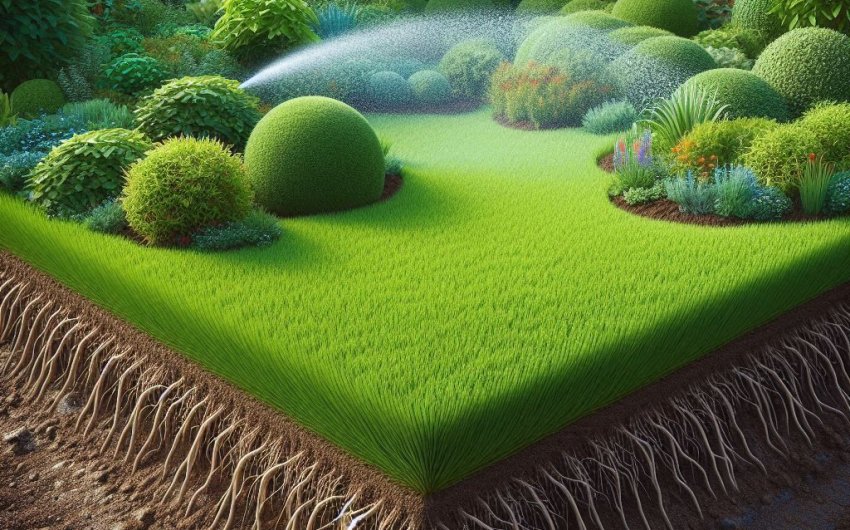
Achieving a lush, green lawn on clay soil can feel like an uphill battle, but with the right approach, it's entirely achievable. Clay soil is notorious for its density, poor drainage, and tendency to compact, creating a challenging environment for grass roots. However, by implementing specific lawn care practices tailored to its unique characteristics, you can transform heavy clay into a healthier, more hospitable medium that supports a thriving turf. The key lies in understanding its limitations and consistently working to improve its structure.
Why is Clay Soil So Challenging for Lawns?
Understanding the inherent properties of clay soil is the first step in successful lawn care.
What is Clay Soil?
- Particle Size: Clay particles are the smallest of all soil particles (less than 0.002 mm). Sand particles are large, silt particles are medium, and clay particles are microscopic.
- Structure: Due to their tiny size and plate-like shape, clay particles pack together very tightly, leaving very little space between them.
- Water Retention: Clay soil can hold a lot of water because of its vast surface area and small pore spaces, but it releases it slowly.
- Nutrient Retention: It also holds nutrients very well due to its negative charge, which attracts positively charged nutrient ions.
The Problems Clay Soil Presents for Lawns
While clay can be nutrient-rich, its physical properties create significant hurdles for grass.
- Poor Drainage: The tightly packed particles mean water percolates very slowly. This leads to:
- Waterlogging: Roots sitting in standing water are deprived of oxygen and suffocate, leading to root rot.
- Surface Pooling: Puddles remain on the lawn for long periods after rain or irrigation.
- Poor Aeration: Limited air pockets mean less oxygen for roots and beneficial soil microbes.
- Compaction: Clay soil is highly susceptible to compaction from foot traffic, mowing, or heavy rain. This further reduces pore space, making drainage and aeration even worse.
- Slow to Warm Up: Clay soil holds moisture and density, causing it to warm up slowly in spring, delaying grass growth.
- Hard When Dry: When dry, clay soil can become incredibly hard and difficult to penetrate, forming cracks and making it challenging for roots to grow.
- Difficult to Work: It's sticky and heavy when wet, and rock-hard when dry, making it challenging to dig or amend.
What Are the Best Lawn Care Practices for Improving Clay Soil Structure?
The core strategy for managing clay soil is to improve its structure, allowing for better drainage and aeration.
1. Core Aeration: Breaking Up Compaction
This is arguably the single most important practice for clay soil lawns.
- What it is: Core aeration involves using a machine to pull out small plugs or "cores" of soil from the lawn. These holes allow air, water, and nutrients to penetrate the dense clay.
- Benefits:
- Reduces Compaction: Relieves pressure on grass roots.
- Improves Drainage: Creates channels for water to move down.
- Increases Airflow: Delivers oxygen to roots and microbes.
- Promotes Root Growth: Roots can grow deeper and wider.
- Enhances Nutrient Absorption: Allows fertilizers and organic matter to reach the root zone.
- Timing:
- Cool-Season Grasses (Fescue, Ryegrass, Kentucky Bluegrass): Best in early fall (September-October) or early spring (March-April). Fall is generally preferred as it allows the grass to recover before winter.
- Warm-Season Grasses (Bermuda, Zoysia, St. Augustine): Best in late spring or early summer, when the grass is actively growing.
- Frequency:
- Initially (Severely Compacted): Annually for the first few years.
- Maintenance: Every 1-3 years, depending on soil type and traffic.
- How to Do It: You can rent a Core Aerator Machine or hire a professional lawn care service. Leave the plugs on the lawn; they will break down and return nutrients.
2. Topdressing with Organic Matter: The Long-Term Solution
This practice directly improves the structure of clay soil.
- What it is: Applying a thin layer (0.25-0.5 inches) of organic material, like well-rotted Compost for Lawns, over your lawn.
- Benefits:
- Improves Soil Structure: Organic matter acts like a glue, binding tiny clay particles into larger aggregates. This creates more pore space for air and water.
- Enhances Drainage: As structure improves, water moves through more easily.
- Increases Nutrient Availability: Provides a slow, steady release of essential nutrients.
- Feeds Soil Microbes: Supports a healthy soil food web, which further improves soil structure.
- Buffers pH: Helps stabilize soil pH.
- Timing: Best done after aeration in the fall or spring.
- Frequency: Annually for the first few years, then every 2-3 years as maintenance.
- Application: Spread evenly with a shovel or compost spreader, then lightly rake it into the grass. The grass should still be visible through the topdressing.
3. Avoiding Compaction: A Preventative Measure
Prevention is key with clay soil.
- Stay Off Wet Lawn: Avoid walking, mowing, or driving on your lawn when it's wet or soggy. This is when clay is most susceptible to compaction.
- Designated Pathways: For high-traffic areas, consider creating permanent pathways with stepping stones or mulch to divert foot traffic from the grass.
- Aerator Shoes/Spikes: While not as effective as core aeration, Aerator Shoes can help provide some minor compaction relief in small areas.
4. Use of Soil Conditioners (Gypsum - Use with Caution)
- Gypsum (Calcium Sulfate): Can sometimes help break up certain types of clay soil, specifically those with a high sodium content (sodic soils). The calcium in gypsum replaces sodium, allowing clay particles to clump together.
- Caution: Gypsum is NOT a universal fix for all clay soils. It's ineffective on clay that isn't sodic. Overuse can also lead to nutrient imbalances.
- Recommendation: Only use gypsum if a professional soil test indicates a sodium problem or high salinity. Otherwise, focus on organic matter. You can get a Soil Test Kit from your local extension office.
What Are the Best Watering Practices for Lawns on Clay Soil?
Watering clay soil requires a different strategy than watering sandy soil.
Deep and Infrequent Watering
- How to Water: Water deeply to encourage grass roots to penetrate the dense clay. This means applying enough water to wet the soil to a depth of 4-6 inches (10-15 cm).
- How Often: Water infrequently, allowing the top layer of soil to dry out between waterings. This is because clay retains water for a long time.
- Good Indicator: Wait until you see the first signs of stress in your lawn (e.g., footprints remaining in the grass, leaves beginning to curl).
- Avoid Shallow, Frequent Watering: This only encourages shallow root growth, making the grass less drought-tolerant and more susceptible to stress in dry periods. It also keeps the top layer of clay constantly wet, promoting compaction.
- Morning Watering: Water early in the morning (before 10 AM) to minimize evaporation and allow grass blades to dry before nightfall, reducing the risk of fungal diseases.
- Monitoring: Use a Rain Gauge to track natural rainfall and adjust your watering schedule accordingly.
Dealing with Runoff
- Cycle and Soak: If water runs off before it soaks in, divide your watering time into shorter intervals. For example, instead of watering for 30 minutes straight, water for 10 minutes, wait an hour, then water for another 10 minutes. This allows the clay to slowly absorb the water without excessive runoff.
What Are the Best Fertilization Practices for Lawns on Clay Soil?
While clay soil can be nutrient-rich, its density affects nutrient availability.
Soil Testing is Crucial
- Nutrient Lock-Up: Even if nutrients are present in clay soil, poor aeration and extreme pH levels (which clay soils can be prone to) can make them unavailable to grass roots.
- Recommendation: Get a professional Lawn Soil Test Kit from your local extension office every 2-3 years. This will tell you:
- Nutrient Levels: Exactly which nutrients your lawn needs (or has in excess).
- pH Level: The acidity or alkalinity of your soil.
Fertilizing Based on Soil Test
- Balanced Fertilizers: In general, use a slow-release, balanced granular Lawn Fertilizer that feeds the grass steadily over time.
- Organic Fertilizers: Organic Lawn Fertilizers (like composted manure, alfalfa meal, or corn gluten meal) are excellent for clay soil as they not only provide nutrients but also contribute organic matter, further improving soil structure and feeding beneficial microbes.
- Timing: Fertilize cool-season grasses in early fall and again in spring. Fertilize warm-season grasses in late spring and summer. Avoid fertilizing during extreme heat or dormancy.
- Address pH: If your soil test shows extreme pH (too acidic or too alkaline), amend it accordingly (lime for acidic, sulfur for alkaline) as part of your fall lawn care routine. Correcting pH makes existing nutrients more available.
What Are the Best Mowing Practices for Lawns on Clay Soil?
Mowing seems simple, but proper technique is vital for a healthy lawn on clay soil.
Mow High
- Optimal Height: Mow your grass at the highest recommended height for your turfgrass type (typically 3-4 inches or 7.5-10 cm for most cool-season grasses, 2-3 inches for warm-season).
- Benefits:
- Encourages Deeper Roots: Taller grass blades mean deeper roots, which are better able to penetrate dense clay and access moisture.
- Shades Soil: Taller grass shades the soil, reducing evaporation and keeping it cooler, which is beneficial in clay that dries hard.
- Weed Suppression: Denser, taller turf shades out weed seeds, including those pesky annual bluegrass (Poa annua).
Use a Sharp Mower Blade
- Clean Cut: A sharp blade makes a clean cut, allowing the grass blade to heal quickly.
- Prevents Tearing: Dull blades tear the grass, leading to ragged, brown tips and making the grass more susceptible to disease and stress, which is particularly bad for stressed clay lawns.
- Sharpen Regularly: Sharpen your Lawn Mower Blade at least once per season, or more if you notice ragged cuts.
Mulch Clippings (Generally)
- Return Nutrients: Unless you have a severe weed problem, allow grass clippings to decompose on the lawn. They return valuable nutrients and add organic matter to the soil, which is a huge benefit for clay.
- Use a Mulching Mower: A Mulching Lawn Mower chops clippings into tiny pieces that decompose quickly.
What Are Some Additional Tips for Lawn Care on Clay Soil?
Beyond the main practices, a few extra strategies can help you manage and improve your clay soil lawn.
Choose the Right Grass Seed
- Deep-Rooted Varieties: Select grass types known for their deep root systems and tolerance to heavy soils.
- Cool-Season: Tall Fescue is often a good choice for clay due to its deep roots and wider blades. Kentucky Bluegrass can work but needs more care.
- Warm-Season: Zoysia grass is very tolerant of clay, as is Bermuda grass. St. Augustine grass can struggle.
- Native Grasses: Consider native grass blends for your region, as they are naturally adapted to local soil conditions.
Overseeding Regularly
- Maintain Density: Even with good care, thin spots can appear. Overseed your lawn regularly (especially in fall for cool-season grasses) to maintain a dense turf. A dense lawn outcompetes weeds more effectively.
- After Aeration: Overseeding directly after aeration is ideal, as the holes provide excellent seed-to-soil contact. Use a Lawn Seed Spreader for even coverage.
Control Weeds Aggressively
- Weeds Thrive in Weak Spots: Weeds often exploit areas of weak growth or compaction.
- Spot Treat: Use Weed Killer for Lawns specifically designed for your turfgrass type to eliminate weeds without harming your grass.
- Hand Pull: For isolated weeds, hand-pulling is always an option.
- Pre-Emergent Herbicides: Use a Pre-Emergent Herbicide in early spring and fall to prevent weed seeds from germinating.
Consider a Professional Soil Test
- Beyond DIY Kits: While home kits can tell you pH, a professional soil test (from your local extension office) provides detailed information on nutrient levels, organic matter content, and even soil texture (sand/silt/clay percentages), offering precise recommendations for amendments.
Managing a lawn on clay soil is a marathon, not a sprint. It requires consistent effort and patience, primarily focused on improving the soil's structure through aeration and the regular incorporation of organic matter. By adopting these targeted lawn care practices, you can gradually transform your challenging clay into a supportive environment, leading to a vibrant, healthy, and beautiful lawn that you can enjoy for years to come.