
What Are the Best Drought-Tolerant Plants for Dry Climates?
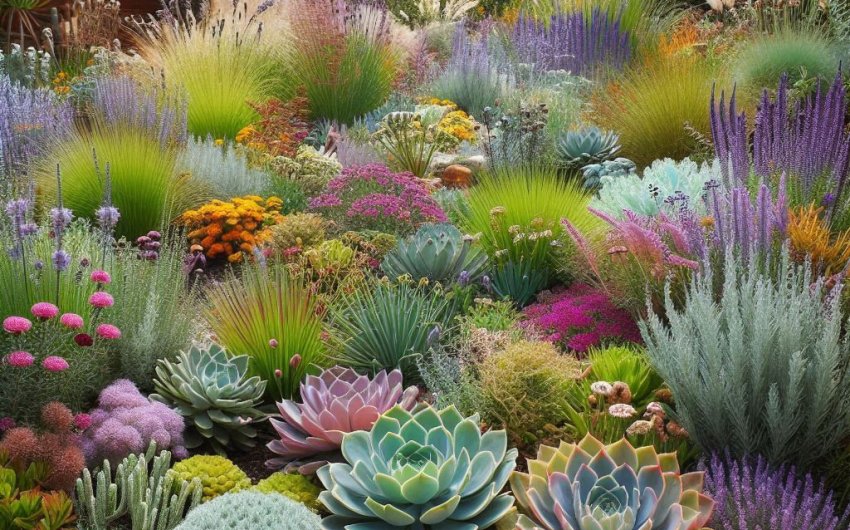
Why Choose Drought-Tolerant Plants?
Living in a dry climate or facing increasing water restrictions can be a huge challenge for gardeners. The dream of a lush, green landscape often clashes with the reality of limited water resources. This is where drought-tolerant plants become your best friends. They are not just a trendy choice; they are a smart, sustainable, and often beautiful solution for creating a vibrant garden that thrives with minimal water.
Why should you choose drought-tolerant plants?
- Water Conservation: This is the most obvious and critical benefit. By choosing plants that naturally require less water, you significantly reduce your outdoor water consumption. This saves you money on your water bill and helps conserve a precious resource, especially in regions prone to drought.
- Lower Maintenance: Imagine spending less time hauling hoses or worrying about your irrigation system! Once established, drought-tolerant plants generally require much less supplemental watering than traditional landscape plants. This frees up your time for other gardening joys.
- Thrive in Dry Conditions: Instead of constantly struggling to keep thirsty plants alive in a dry climate, drought-tolerant plants are designed by nature to flourish in these conditions. They look healthy and vibrant, even when the going gets tough.
- Resilience: These plants are often hardier and more resilient to other environmental stresses, such as heat, intense sun, and sometimes even poor soil, because they've adapted to challenging growing conditions.
- Eco-Friendly: Using less water is inherently good for the environment. Plus, many drought-tolerant plants are native or well-adapted to specific dry regions, supporting local ecosystems and wildlife.
- Beauty and Diversity: Don't think drought-tolerant means boring! These plants come in an astonishing array of colors, textures, shapes, and sizes, allowing you to create incredibly diverse and visually appealing landscapes. From striking succulents to ethereal ornamental grasses, there's a drought-tolerant plant for every aesthetic.
Choosing drought-tolerant plants isn't just about surviving; it's about creating a beautiful, low-impact, and thriving garden that respects your environment and your time. It's the future of gardening in a world where water is an increasingly valuable resource.
What Are the Characteristics of Drought-Tolerant Plants?
Drought-tolerant plants aren't just magically less thirsty; they've developed clever adaptations over millennia to survive and even thrive in conditions with limited water. Understanding these characteristics helps you identify and appreciate their resilience.
Water-Storing Structures
Many drought-tolerant plants have evolved ways to store precious water within their own bodies.
- Fleshy Stems and Leaves: This is characteristic of succulents and cacti. Their thick, fleshy leaves and stems act like natural reservoirs, holding significant amounts of water. Think of the plump leaves of a Sedum or the swollen stems of a cactus.
- Bulbs and Corms: Some plants (though less common in classic drought-tolerant landscapes) store water and nutrients in underground structures like bulbs or corms, allowing them to go dormant during dry periods and regrow when moisture returns.
Features That Reduce Water Loss
These plants are masters at minimizing transpiration (water evaporation from leaves).
- Small or Needle-Like Leaves: Smaller leaves have less surface area exposed to the sun and wind, reducing water loss. Think of Rosemary or Juniper. Needle-like leaves, like those on many conifers, also fall into this category.
- Thick or Waxy Cuticles: Many drought-tolerant plants have a thick, waxy, or leathery coating on their leaves (called a cuticle). This layer acts like a waterproof barrier, preventing moisture from escaping. Agaves and Yuccas are prime examples.
- Hairy or Fuzzy Leaves: A covering of fine hairs on leaves creates a boundary layer of still air, which reduces airflow directly over the leaf surface and traps humidity. This slows down evaporation. Lavender, Lamb's Ear, and some Salvias exhibit this. The hairs can also reflect sunlight.
- Light-Colored or Silvery Foliage: Plants with silver, gray, or bluish foliage often have tiny hairs or a waxy coating that reflects intense sunlight, keeping the leaf temperature lower and thus reducing water loss. Think of Artemisia or Lavender.
- Deep Root Systems: Many drought-tolerant plants develop extensive, deep root systems that can tap into water reserves far below the soil surface, making them less reliant on surface rainfall or irrigation.
- Ephemeral Growth: Some desert annuals have very short life cycles. They grow, flower, and set seed very quickly after a rain event, then die back, surviving as seeds through the dry periods.
- Dormancy: Many drought-tolerant plants go dormant (slow down growth, may lose leaves, or die back to the ground) during prolonged dry spells, only to revive when moisture returns. This is a survival mechanism.
Other Adaptations
- Spines and Thorns: While primarily for defense against herbivores, spines on cacti also help reduce airflow near the plant's surface, minimizing water loss. They also provide shade for the stem.
- Specialized Photosynthesis (CAM pathway): Some succulents and cacti use a special type of photosynthesis called Crassulacean Acid Metabolism (CAM). They open their stomata (pores for gas exchange) at night to take in carbon dioxide when temperatures are cooler and humidity is higher, greatly reducing water loss during the hot day.
By understanding these amazing adaptations, you can appreciate the intricate ways drought-tolerant plants conquer challenging environments and bring that resilience to your own dry climate garden.
What Are the Best Drought-Tolerant Shrubs?
Drought-tolerant shrubs are the backbone of a water-wise landscape. They provide structure, year-round interest, and often stunning flowers or foliage with minimal water needs once established.
Lavender (Lavandula spp.)
- Characteristics: Beloved for its fragrant, silvery-green foliage and spikes of purple, pink, or white flowers. It's a classic Mediterranean plant.
- Drought Tolerance: Excellent once established. It thrives in hot, sunny, dry conditions and well-draining soil. It absolutely hates wet feet.
- Uses: Hedges, borders, mass plantings, herb gardens, sensory gardens. Attracts pollinators.
- Popular Varieties: 'Hidcote', 'Munstead' (English Lavenders - very cold hardy), 'Provence' (French Lavender - larger, more fragrant). You can purchase lavender plants from many nurseries.
Rosemary (Salvia rosmarinus, formerly Rosmarinus officinalis)
- Characteristics: Aromatic evergreen shrub with needle-like leaves and small blue, pink, or white flowers. Comes in upright or trailing forms.
- Drought Tolerance: Extremely high. Once established, it needs very little water and thrives in full sun and well-draining soil.
- Uses: Edible herb, hedges, rock gardens, containers, erosion control (trailing varieties). Attracts pollinators.
- Popular Varieties: 'Arp' (very cold hardy), 'Tuscan Blue' (upright, culinary), 'Prostratus' (trailing). A rosemary plant adds both beauty and flavor.
California Lilac (Ceanothus spp.)
- Characteristics: A diverse group of native California shrubs and small trees known for their spectacular clusters of blue (sometimes white or pink) flowers in spring. Evergreen or deciduous.
- Drought Tolerance: Highly drought-tolerant once established, particularly the native Californian species. They prefer lean, well-draining soil and abhor summer water.
- Uses: Specimen plants, hedges, groundcovers (low-growing varieties), bank stabilization. Fantastic for attracting pollinators.
- Popular Varieties: 'Concha' (dark blue), 'Ray Hartman' (large, tree-like), 'Blue Pacific' (spreading).
Juniper (Juniperus spp.)
- Characteristics: A large genus of evergreen conifers with needle-like or scale-like foliage. Come in a huge range of sizes and forms: groundcovers, spreading shrubs, upright columns.
- Drought Tolerance: Excellent once established. Very tough and adaptable to various soil types, but prefer well-draining soil.
- Uses: Groundcover, foundation plantings, screens, hedges, rock gardens, specimen plants. Many varieties offer attractive blue, green, or gold foliage.
- Popular Varieties: 'Blue Star', 'Blue Pacific', 'Wichita Blue'. You can find juniper plants in almost any garden center.
Oleander (Nerium oleander)
- Characteristics: A fast-growing, evergreen shrub with long, narrow leaves and clusters of showy white, pink, red, or yellow flowers.
- Drought Tolerance: Extremely drought-tolerant and heat-loving once established. It thrives in arid conditions.
- Uses: Hedges, screens, specimen plants, parking lot plantings. Its hardiness makes it very popular in hot, dry climates.
- Important Note: All parts of the Oleander plant are poisonous if ingested. Plant with caution, especially if you have children or pets who might be tempted to chew on plants.
These drought-tolerant shrubs offer a beautiful and resilient foundation for any dry climate garden, providing color, texture, and year-round interest without guzzling water.
What Are the Best Drought-Tolerant Perennials and Succulents?
Drought-tolerant perennials and succulents bring vibrant color, interesting textures, and diverse forms to your garden without the need for constant watering. They are a must-have for a water-wise landscape.
Perennials
- Lavender (Lavandula spp.): (See Shrubs, also functions beautifully as a perennial).
- Coneflower (Echinacea purpurea):
- Characteristics: Classic daisy-like flowers with raised central cones, often purple, but also pink, white, yellow, and orange. Blooms summer into fall.
- Drought Tolerance: Good once established. Prefers full sun and well-draining soil.
- Uses: Mixed borders, native gardens, wildflower meadows. Attracts pollinators and birds. A pack of echinacea seeds can get you started.
- Yarrow (Achillea millefolium):
- Characteristics: Flat-topped clusters of tiny flowers (white, yellow, pink, red) atop feathery, aromatic foliage. Blooms summer.
- Drought Tolerance: Excellent once established. Thrives in full sun and poor to average, well-draining soil.
- Uses: Borders, rock gardens, naturalized areas, cut flowers. Attracts beneficial insects.
- Sedum (Stonecrop) (Sedum spp.):
- Characteristics: A large genus with succulent leaves, offering a huge range of forms from groundcovers to upright plants with large flower heads.
- Drought Tolerance: Very high. Stores water in its leaves and thrives in hot, dry conditions and lean soil.
- Uses: Rock gardens, borders, groundcover, containers, green roofs. 'Autumn Joy' is a popular upright variety. You can get sedum plants easily.
- Salvia (Sage) (Salvia spp.):
- Characteristics: A diverse group with many drought-tolerant members, known for their spikes of tubular flowers (blue, purple, red, pink) and often aromatic foliage.
- Drought Tolerance: Many ornamental salvias are highly drought-tolerant once established.
- Uses: Borders, perennial beds, hummingbird gardens, pollinator gardens.
- Popular Varieties: Salvia greggii (Autumn Sage), Salvia leucantha (Mexican Bush Sage), Salvia nemorosa (Perennial Salvia).
Succulents (Beyond Sedum)
- Agave (Agave spp.):
- Characteristics: Striking rosettes of thick, fleshy, often spiny leaves. Many grow very large, some remain compact.
- Drought Tolerance: Extremely high. Designed for arid environments, storing vast amounts of water.
- Uses: Specimen plants, xeriscapes, containers. Provides dramatic architectural interest.
- Important Note: Many Agaves are monocarpic, meaning they flower once (often after many years) and then die, but produce pups (offsets) around the base.
- Yucca (Yucca spp.):
- Characteristics: Stiff, sword-like leaves forming rosettes, often with tall spikes of bell-shaped white flowers.
- Drought Tolerance: Excellent, very tough plants that thrive in full sun and dry, infertile soils.
- Uses: Architectural accents, borders, containers, xeriscapes.
- Ice Plant (Delosperma spp.):
- Characteristics: Low-growing, spreading groundcover with succulent foliage and a profusion of brightly colored, daisy-like flowers (often iridescent).
- Drought Tolerance: Good once established, prefers very well-draining soil.
- Uses: Rock gardens, borders, groundcover, between pavers.
- Hens and Chicks (Sempervivum tectorum):
- Characteristics: Small, compact rosettes of succulent leaves that produce "chicks" (offsets) around the "hen" (mother plant).
- Drought Tolerance: Exceptionally drought-tolerant and cold-hardy. Perfect for dry, lean spots.
- Uses: Rock gardens, containers, crevices, green roofs.
- Aloe (Aloe spp.):
- Characteristics: Fleshy, often spiny rosettes, with some species producing tall flower spikes. Aloe vera is the most famous for medicinal uses.
- Drought Tolerance: Very high.
- Uses: Containers (especially in colder climates), rock gardens, succulent collections.
These drought-tolerant perennials and succulents provide endless possibilities for creating vibrant, textural, and water-wise garden spaces, even in the driest of climates.
What Are the Best Drought-Tolerant Ornamental Grasses?
Drought-tolerant ornamental grasses are essential for adding texture, movement, and year-round interest to a water-wise garden. Their graceful forms and often striking seed heads provide beauty with minimal water.
Feather Reed Grass (Calamagrostis x acutiflora)
- Characteristics: Upright, narrow clumps with showy, feathery plumes that emerge in early summer and persist through fall, turning a golden color.
- Drought Tolerance: Very good once established. Tolerates heavy clay soil better than many drought-tolerant plants.
- Uses: Vertical accent, mass plantings, screens, perennial borders. 'Karl Foerster' is a highly popular and reliable cultivar. You can find Karl Foerster Feather Reed Grass at most nurseries.
Little Bluestem (Schizachyrium scoparium)
- Characteristics: A native North American prairie grass forming upright clumps. Its foliage has attractive blue-green hues in summer, turning rich shades of orange, red, and purple in fall. Fluffy seed heads persist into winter.
- Drought Tolerance: Excellent. Thrives in full sun and poor, dry soils.
- Uses: Native plant gardens, meadows, mass plantings, borders. Provides great winter interest.
Fescue (Blue Fescue, Sheep Fescue) (Festuca glauca, Festuca ovina)
- Characteristics: Small, compact, clumping grasses, often with distinctive blue, green, or silvery foliage. They form neat mounds.
- Drought Tolerance: Good to excellent, preferring well-draining, lean soils. They can struggle in hot, humid climates.
- Uses: Edging, rock gardens, mass plantings as a groundcover, between pavers.
- Popular Varieties: Festuca glauca 'Elijah Blue' is a common blue fescue.
Muhly Grass (Muhlenbergia capillaris)
- Characteristics: Forms tidy clumps of fine-textured, green foliage, topped in fall by airy, cloud-like plumes of iridescent pink or purple flowers that give it a hazy appearance.
- Drought Tolerance: Very good once established. Tolerates heat, humidity, and dry conditions.
- Uses: Mass plantings, borders, coastal gardens, native gardens. Creates a stunning visual effect in autumn light.
Fountain Grass (Pennisetum alopecuroides)
- Characteristics: Arching, mound-forming grass with graceful, bottlebrush-like flower plumes that appear in summer and last through fall. Plumes can be pink, purple, or white.
- Drought Tolerance: Good once established. Adapts to a variety of soils but prefers well-draining conditions.
- Uses: Specimen plant, mass plantings, borders, containers. Provides soft texture and movement.
- Popular Varieties: 'Hameln' (compact), 'Moudry' (darker plumes).
Switchgrass (Panicum virgatum)
- Characteristics: A taller, upright native prairie grass forming distinct clumps. Foliage can be blue-green, turning yellow or red in fall. Airy flower and seed heads create a hazy effect.
- Drought Tolerance: Excellent once established. Very tough and adaptable to various soils.
- Uses: Meadows, naturalized areas, screening, borders, winter interest. Provides good structure.
- Popular Varieties: 'Heavy Metal' (metallic blue foliage), 'Shenandoah' (reddish foliage).
These drought-tolerant ornamental grasses offer dynamic beauty and a sense of natural resilience, making them indispensable components of any dry climate garden designed for beauty and water conservation.
How Do I Establish and Maintain a Drought-Tolerant Garden?
Planting drought-tolerant plants is just the first step. To ensure their long-term success and truly achieve a low-maintenance, water-wise garden, proper establishment and ongoing care are key.
1. Soil Preparation is Key
Even though drought-tolerant plants can handle lean conditions, well-draining soil is crucial.
- Improve Drainage: If you have heavy clay soil, amend it generously with organic matter like compost, coarse sand, or perlite to improve drainage. Drought-tolerant plants generally hate "wet feet."
- Don't Over-Amend: Resist the urge to create a super-rich soil. Many drought-tolerant plants prefer lean, less fertile conditions, as this encourages them to develop deep root systems.
2. Proper Planting Techniques
- Dig Wide, Not Deep: Dig a planting hole that is two to three times wider than the root ball, but only as deep as the root ball. This allows roots to spread horizontally.
- Plant at Correct Depth: Ensure the top of the root ball is level with or slightly above the surrounding soil surface. Burying plants too deeply can lead to rot.
- Water In Thoroughly: After placing the plant and backfilling, water thoroughly to settle the soil around the roots and eliminate air pockets.
3. Smart Watering for Establishment
This is the most critical period. "Drought-tolerant" does NOT mean "no water" when establishing.
- Consistent Watering (Initially): For the first year after planting (or up to two years for trees and larger shrubs), provide regular, deep watering. This encourages the plant to develop a robust, deep root system. Frequency will depend on your climate and soil, but it might be once or twice a week during dry periods. Use a garden hose or a soaker hose for efficient delivery.
- Taper Off: Gradually reduce the frequency of watering as the plant matures. By the second or third year, established drought-tolerant plants should be able to rely largely on natural rainfall, perhaps with supplemental watering only during extended droughts or extreme heatwaves.
- Deep vs. Shallow: Always water deeply to encourage deep root growth. Shallow, frequent watering leads to shallow, weak roots.
4. Mulching
Mulch is your best friend in a dry climate.
- Benefits: A 2-4 inch layer of organic mulch (wood chips, shredded bark, gravel for succulents) helps:
- Retain Soil Moisture: Reduces evaporation from the soil surface significantly.
- Regulate Soil Temperature: Keeps soil cooler in summer and warmer in winter.
- Suppress Weeds: Reduces competition for precious water and nutrients.
- Improve Soil Health: Organic mulches break down over time, adding organic matter to the soil.
- Application: Apply mulch around plants, but keep it a few inches away from the base of the stems or trunks to prevent moisture buildup and rot.
5. Minimal Fertilization
- Lean is Green: Most drought-tolerant plants prefer lean soil and don't require heavy feeding. Over-fertilizing can lead to soft, leggy growth that is more susceptible to disease and less able to withstand drought.
- Compost is Best: If your soil is poor, a light top dressing of compost in spring is usually sufficient to provide slow-release nutrients and improve soil health without over-stimulating growth.
6. Pruning and Maintenance
- Prune for Health: Remove dead, damaged, or diseased branches as needed.
- Shape as Desired: Prune for shape or size control, but avoid excessive pruning that could stress the plant.
- Weed Control: While mulch helps, pull any weeds that do emerge promptly, as they compete directly for water.
By thoughtfully establishing your drought-tolerant plants and following these low-maintenance practices, you can create a beautiful, vibrant, and sustainable garden that truly thrives in a dry climate, providing year-round enjoyment with minimal water.