
What is the Best Farm Layout for a Small Farm?
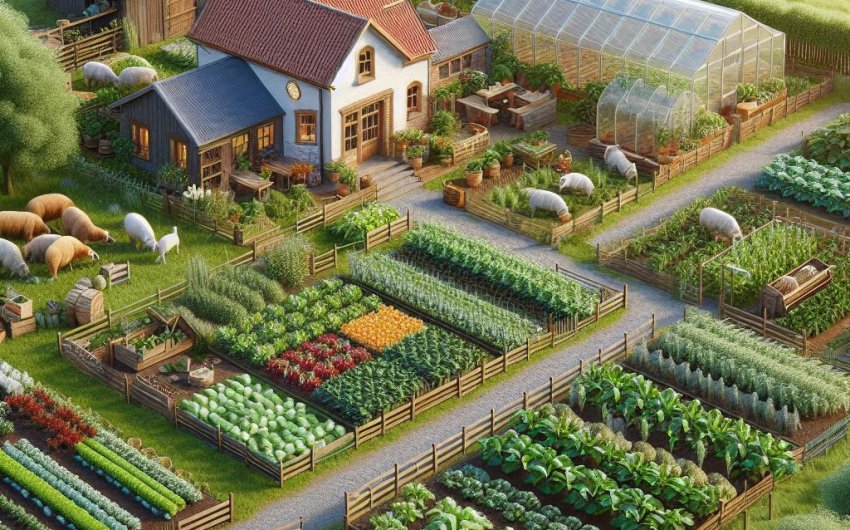
Designing an efficient and productive farm layout for a small farm is essential for optimizing the use of space, enhancing productivity, and reducing unnecessary labor. Whether you're starting a hobby farm, a small-scale vegetable operation, or a livestock-based farm, the layout can make or break your success. It is not just about placing fields and pastures randomly; it’s about creating a cohesive, well-thought-out system that works in harmony with the land, resources, and your goals.
In this detailed guide, we'll explore the best layout practices for a small farm. We’ll cover everything from field and livestock placement to the integration of outbuildings and irrigation systems, all aimed at improving efficiency and productivity.
1. Assess Your Land and Resources
Before diving into specific layout designs, it’s important to assess the unique characteristics of your land. Every piece of land comes with its own set of advantages and limitations, such as soil quality, water sources, topography, and climate.
Soil Quality
Test your soil using a soil testing kit to understand its nutrient composition and pH levels. Different crops require different soil types, and adjusting your layout based on the soil quality of specific areas will maximize your yields.
Water Availability and Irrigation
Water is one of the most crucial elements of any farm, small or large. Position your irrigation system to cover all fields efficiently, ideally by using a drip irrigation system, which conserves water while ensuring your crops get the moisture they need. Also, consider natural water features like ponds, streams, or wells when planning your layout to minimize the need for extensive piping and pumps.
Sunlight and Wind
When designing a layout, also consider the sunlight your land receives throughout the day. Orient fields and structures to make the most of the available sunlight. Additionally, windbreaks—either in the form of trees or windbreak netting—can protect crops and livestock from strong winds.
2. Zoning Your Farm
A well-designed farm layout is based on zoning, which involves organizing different activities and infrastructure in distinct areas for ease of access and management. Here are key zones that every small farm should include:
Crop Fields
Crops are the heart of most small farms, and choosing the right location for your fields is critical. Place your crop fields in areas with optimal sunlight, and where the soil is nutrient-rich and well-draining. Fields should be grouped together to simplify irrigation and maintenance.
Consider using raised beds if your soil is poor, or to reduce the need for tilling. Invest in raised bed kits for easy assembly. Raised beds also improve water management and help prevent soil compaction.
Livestock Area
If you plan to have animals, creating a separate zone for livestock is essential. This area should include enough space for grazing or foraging, secure fencing, and access to shelter. Position the livestock area close to water sources and grazing fields to minimize the need for manual feeding.
Rotational grazing is an efficient method to optimize land use and improve soil health. For this, you will need portable fencing options like electric fencing, which can be easily moved as you rotate pastures.
Greenhouses or High Tunnels
If you live in a region with a shorter growing season, incorporating greenhouses or high tunnels into your farm layout is a must. These structures allow you to extend the growing season and protect sensitive crops from frost or extreme heat.
Place the greenhouse near your main gardening area but ensure it’s well-ventilated and has easy access to water. You can also install ventilation fans to regulate the internal temperature of the greenhouse.
Outbuildings and Storage
Outbuildings such as barns, tool sheds, and garages are critical for storage and farming operations. When planning your layout, make sure these structures are centralized for easy access. For instance, a tool shed should be close to both your crop fields and livestock area so that necessary tools are always nearby.
Composting Area
A composting area should be positioned near the livestock area for easy collection of manure and close to crop fields for easy application. Use compost bins or create a designated pile where organic matter can decompose and later be used as a natural fertilizer.
Farmhouse or Living Space
Position your farmhouse or living quarters in a central location on the property, providing a balance between privacy and accessibility to all farm zones. Consider proximity to livestock pens if you’ll need to check on animals during the night, and make sure you have good views of your crop fields and outbuildings from the house.
3. Implementing Permaculture Principles
Permaculture is a design philosophy that emphasizes working with nature rather than against it, creating sustainable and self-sufficient systems. Integrating permaculture principles into your small farm layout can help improve soil health, conserve water, and reduce your reliance on external inputs.
Companion Planting and Guilds
One of the fundamental principles of permaculture is companion planting, where different plants are grown together to support each other. For example, beans can be planted alongside corn to fix nitrogen in the soil, and marigolds can be used to repel harmful pests. Using companion planting guides can help you make informed decisions about which crops to plant together.
A plant guild is a group of plants that work in harmony to improve soil fertility, manage pests, and conserve water. For example, planting a nitrogen-fixing cover crop like clover alongside your fruit trees can improve the health of the soil and reduce the need for fertilizers.
Water Catchment and Irrigation
Collecting and storing rainwater is another key permaculture principle that can be incorporated into your small farm layout. Use rain barrels or a pond to capture and store water for irrigation.
Position your crop fields in a way that allows rainwater to flow naturally through them, ensuring maximum absorption and reducing the need for manual watering. Swales—shallow ditches designed to catch and retain water—are a great way to manage runoff and keep your soil hydrated.
Forest Gardens
Forest gardens are an advanced permaculture technique that mimics the structure of a natural forest. In this system, trees, shrubs, and groundcover plants are layered in such a way that they support each other. This type of system can provide food, fuel, and fiber while also improving soil health and conserving water.
A forest garden is particularly useful for small farms because it requires less space than traditional row planting and can be incorporated around the edges of your property to maximize the use of land.
4. Efficient Pathways and Access
The layout of pathways on your small farm is just as important as the positioning of crops and buildings. Efficient pathways allow for easy movement of tools, equipment, and people, reducing labor and time spent moving between zones.
Centralized Paths
A hub-and-spoke design works well for small farms, with a central access point—typically near the farmhouse or tool shed—and pathways radiating out to the different zones of the farm. This ensures that all areas are easily reachable without having to cross through crops or livestock areas unnecessarily.
Gravel pathways or garden pavers can help keep your paths clear and prevent them from becoming muddy during wet weather.
Vehicle and Equipment Access
For farms that rely on machinery such as tractors or utility vehicles, it’s important to design pathways wide enough to accommodate them. Ensure that vehicles can access all major areas of the farm, including crop fields, greenhouses, and barns. For smaller farms, wheelbarrows or carts may be sufficient for transporting tools and harvests.
5. Livestock Integration
If you’re planning on raising livestock alongside your crops, integrating them into the farm layout efficiently will help create a sustainable, closed-loop system.
Rotational Grazing
Rotational grazing is a method where livestock are moved between pastures to prevent overgrazing and to allow the land to regenerate. For this system, you’ll need to divide your grazing areas into paddocks using electric fencing, moving your livestock between them every few days.
This approach not only improves pasture health but also spreads manure more evenly, reducing the need for fertilizers.
Integrating Livestock with Crops
Incorporating livestock into your cropping system can benefit both areas. For example, chickens can be let into crop fields after harvest to eat pests and scratch at the soil, providing natural pest control and aerating the soil in the process. Use mobile chicken coops to easily move chickens between fields.
Livestock can also help maintain orchards by keeping the grass down and fertilizing the soil naturally. If you plan on integrating livestock, be sure to choose hardy, versatile animals like goats or sheep, which are well-suited to smaller spaces.
6. Maximizing Small Spaces
For very small farms, space efficiency is paramount. You need to make the most of every square foot by utilizing vertical growing spaces, container gardening, and small-scale farming techniques.
Vertical Gardening
Vertical gardening allows you to grow more crops in a limited area by planting upwards rather than outwards. Use vertical planters or build trellises to grow climbing plants such as beans, cucumbers, or squash. This technique not only saves space but also makes harvesting easier.
Container Gardening
If your land is very limited, consider using containers for crops that don’t require large root systems, such as herbs, leafy greens, or strawberries. Containers can be placed on patios, decks, or even rooftops to maximize growing space.
For more inspiration and tips on designing small farm layouts, visit our 10-Acre Farm Layout guide, which provides additional insights into how to make the most out of your land.
By applying these principles and techniques, you can design a small farm layout that is not only productive but also sustainable and easy to manage. Whether you're growing crops, raising livestock, or a combination of both, a well-organized layout will help you achieve success while minimizing labor and resource use.