
How Do I Design a Profitable Farm Layout?
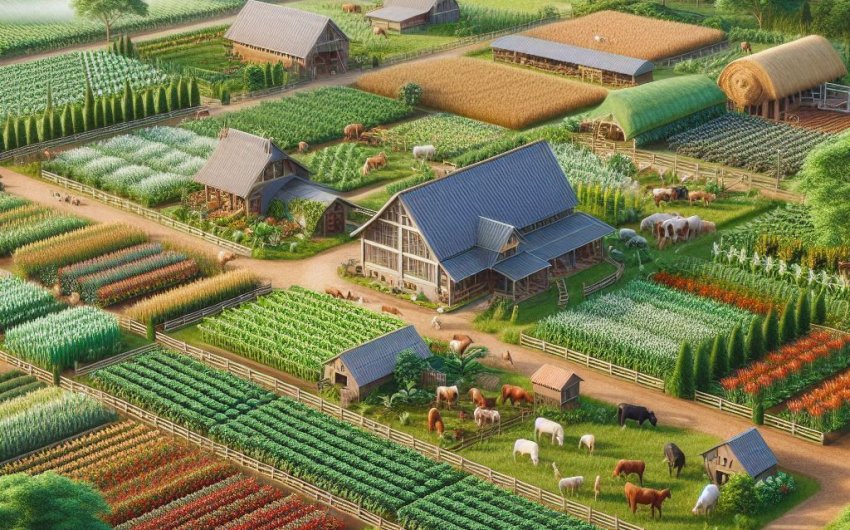
Designing a profitable farm layout requires more than just organizing your land into fields and pastures. A well-thought-out layout can significantly impact farm efficiency, yield, and profitability. By focusing on smart zoning, resource management, and incorporating high-value crops or livestock, you can optimize your farm for financial success.
In this guide, we’ll explore the elements of a profitable farm layout, covering essential topics such as crop selection, infrastructure, water management, and marketing strategies. Whether you're starting from scratch or looking to enhance your current farm setup, this comprehensive approach will help ensure your farm operates at maximum profitability.
1. Assess Your Land and Market
Before designing a profitable farm layout, start by evaluating the land and understanding your target market. Both the physical attributes of your farm and local demand will inform what you grow and how you manage resources.
Understanding Your Land
The quality of the soil, water availability, and terrain will impact the types of crops or livestock your farm can support. Perform a thorough assessment using a soil testing kit to understand nutrient levels, pH, and drainage capacity. Based on these results, you can determine which crops will thrive and where specific areas of the land should be allocated for planting.
Local Market Demand
Understanding your local market is essential for profitability. Identify what products are in demand in your region—whether that’s organic vegetables, niche fruits, or livestock. Establishing partnerships with local grocers, farmer’s markets, or restaurants can create a steady customer base, and focusing your farm on high-demand products will increase profitability.
2. Zoning for Profitability
Zoning your farm for different uses is crucial in maximizing productivity and profitability. Smart zoning allows for efficient land use, reduces labor, and improves resource management.
Crop Fields and Gardens
Your crop fields should be positioned in areas with the best soil quality and sunlight exposure. Plan your fields according to the type of crops you're growing—high-value crops like heirloom tomatoes or organic vegetables can bring higher profit margins but may require more labor or resources.
For small-scale vegetable farming, consider using raised beds, which allow for better water management and more efficient use of space. You can set up raised bed kits for an easy-to-maintain growing area.
High-Tunnels and Greenhouses
High-tunnels and greenhouses can extend your growing season, enabling you to grow high-demand crops year-round. These structures are especially useful for growing specialty crops like microgreens or herbs that yield high profits in both local and regional markets.
When designing your layout, place your greenhouses in areas that get maximum sunlight. Use ventilation fans inside your greenhouses to maintain optimal temperatures and airflow, ensuring healthy growth.
Livestock Areas
If you are incorporating livestock, designate a zone specifically for grazing and housing animals. A rotational grazing system can improve pasture health and increase the productivity of your animals. Use portable electric fencing to move your animals to fresh pasture regularly.
Livestock barns and shelters should be located near feed storage areas and have easy access to water sources. This layout reduces labor by simplifying daily feeding and watering routines.
3. Efficient Water Management
Water is a vital resource on any farm, and managing it efficiently can help you save costs and improve crop yields. A well-designed irrigation system is essential for profitability.
Drip Irrigation Systems
Using a drip irrigation system is one of the most efficient ways to water crops. Drip systems deliver water directly to the root zones of plants, minimizing evaporation and ensuring your crops receive the optimal amount of moisture. This method reduces water waste and lowers utility bills, increasing your farm’s profitability.
Rainwater Harvesting
To further cut costs, consider implementing a rainwater harvesting system. Rain barrels or larger water tanks can be used to collect runoff from roofs or greenhouses, providing a free water source for irrigation. This method not only saves water but also helps during dry periods when water restrictions may be in place.
Ponds and Swales
Creating ponds or swales to catch and store water naturally is another way to reduce reliance on municipal water supplies. Swales can direct rainwater into crop fields, allowing your plants to soak up moisture directly from the land. Pond liners can be used to create water features that provide irrigation, attract wildlife, or serve as emergency water supplies for livestock.
4. Maximizing Space with Vertical Farming and Intercropping
Space is often limited on smaller farms, but there are techniques you can use to maximize land use and increase profitability without expanding your acreage.
Vertical Farming
Vertical farming allows you to grow crops in a smaller footprint by using vertical space. This technique is particularly effective for high-value crops like strawberries or herbs. Set up vertical gardening systems to grow crops in layers, reducing the space needed for cultivation while increasing yield per square foot.
Intercropping
Intercropping is the practice of growing two or more crops in the same field to make the best use of the soil and available resources. For example, growing corn alongside beans allows the beans to fix nitrogen in the soil, while the corn provides a structure for the beans to climb. This method improves soil fertility and boosts overall yield.
Pairing companion plants strategically can also reduce the need for fertilizers and pesticides, cutting down on input costs and improving profitability.
5. Outbuildings and Infrastructure for Efficiency
Your farm’s infrastructure plays a vital role in its profitability. Proper placement and efficient design of outbuildings can minimize labor and streamline operations.
Tool Sheds and Barns
Keep essential structures such as tool sheds, barns, and garages centralized in your layout. This reduces the time spent walking back and forth between work areas and storage spaces. Your tool shed should be close to both the crop fields and livestock areas for easy access.
Cold Storage
If you plan on selling perishable products like vegetables, fruits, or dairy, cold storage is essential. Investing in a walk-in cooler ensures that your products remain fresh for longer, allowing you to sell them at higher prices without the risk of spoilage.
Processing Facilities
Processing facilities for meat, dairy, or crops can add value to your products, increasing profitability. For instance, processing milk into cheese or yogurt or turning fruits into jams or dried snacks allows you to sell higher-margin goods. Set aside a dedicated area for food processing equipped with commercial-grade equipment to ensure you meet safety and health regulations.
6. Efficient Labor Management
Labor costs are one of the biggest expenses on a farm. Reducing manual labor and streamlining processes can dramatically increase profitability.
Automating Tasks
Automation tools like automatic feeders for livestock, irrigation timers, and automated greenhouse controls can save time and reduce the need for manual labor. These systems also improve accuracy, ensuring that tasks like watering and feeding happen consistently without human error.
Pathways and Access
Design pathways that allow for efficient movement of people, equipment, and vehicles. Centralized paths between crop fields, greenhouses, and livestock areas save time when moving between zones. Use gravel pathways or other durable materials to ensure easy access during all weather conditions.
7. Diversification for Risk Management
A profitable farm layout should be designed with diversification in mind. Relying on a single crop or product can be risky, especially if the market shifts or if environmental conditions affect yields.
Diversified Crop and Livestock Production
Incorporating a variety of crops or livestock into your farm layout spreads risk. For example, growing both vegetables and fruit trees ensures that if one crop fails, you have another source of income. Likewise, raising both chickens and goats can provide a mix of meat, eggs, and dairy products, diversifying your revenue streams.
By growing crops that are staggered in their harvest times, you can generate income throughout the year, rather than relying on one large seasonal payout.
Value-Added Products
Creating value-added products is another way to boost profitability. Consider making honey if you have bees or herb-infused oils from your herb garden. These products typically command higher prices than raw produce, and they can be sold year-round.
8. Marketing and Distribution
Maximizing your farm's profitability isn't just about layout—it also requires an effective marketing and distribution plan. Knowing how to sell your products will directly impact your bottom line.
Direct-to-Consumer Sales
Direct sales to consumers, such as through farmers' markets, community-supported agriculture (CSA) programs, or on-site farm stands, can generate higher profits by cutting out the middleman. Set up a mobile market stand to take your products to local markets.
Online Sales
Selling your farm products online can expand your customer base. Create a website or partner with a farm-to-table platform that allows consumers to order products directly from your farm. This is especially useful for selling value-added products, like jams or dried herbs, which can be shipped easily.
For further insights on farm layouts and strategies to maximize profitability, explore our 10-Acre Farm Layout guide, which provides detailed recommendations for optimizing small farm spaces efficiently.