
What Are the Different Types of Farm Layouts?
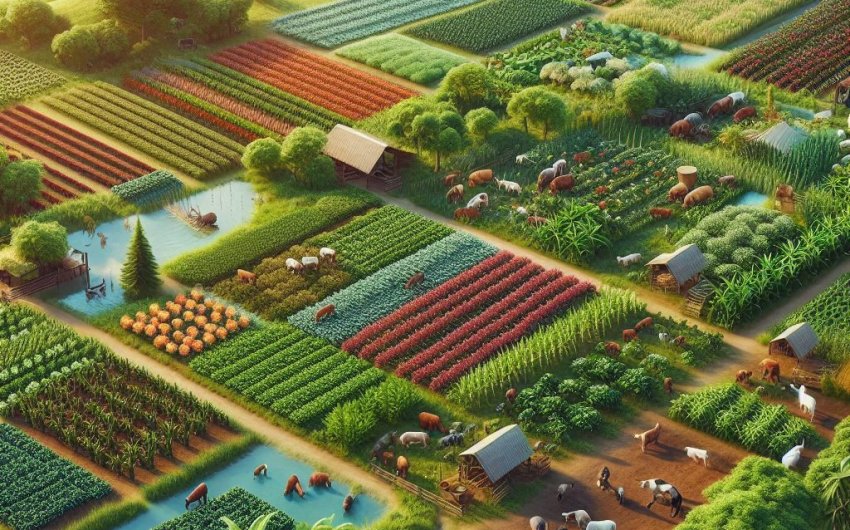
The different types of farm layouts typically range from conventional grid patterns designed for mechanized efficiency to more integrated and ecological designs like permaculture, intensive systems, and mixed-use farms. Each layout prioritizes specific goals, whether it's maximizing output, promoting biodiversity, or optimizing space on varying scales.
Why is Farm Layout Important?
The farm layout is not merely about where things are placed; it's a strategic blueprint that profoundly impacts a farm's efficiency, productivity, sustainability, and profitability. Understanding the importance of a well-planned farm layout is foundational to appreciating the different types of farm layouts and their specific advantages.
1. Maximizing Efficiency and Productivity
A well-designed farm layout streamlines operations, reducing wasted time, labor, and resources.
- Optimized Workflow: Placing buildings, fields, and animal housing in logical proximity minimizes travel time for workers, machinery, and animals. For example, a barn close to pastures reduces the effort for livestock management.
- Resource Management: Efficient placement of water sources, irrigation lines, and storage facilities reduces the energy and labor required for daily tasks.
- Machinery Access: A layout that considers the movement of tractors, harvesters, and other equipment ensures smooth operation, prevents damage to crops or soil, and maximizes machine utility.
- Reduced Overlap: A clear layout avoids redundant tasks or conflicting uses of space.
2. Enhancing Sustainability and Resource Conservation
The physical arrangement of a farm can significantly contribute to environmental stewardship.
- Water Management: Strategic placement of irrigation systems, ponds, and drainage allows for efficient water use and minimizes runoff and erosion.
- Soil Health: A layout that integrates practices like contour farming, terracing, or hedgerows helps prevent soil erosion, retain topsoil, and improve soil fertility over time.
- Biodiversity: Thoughtful integration of natural areas, hedgerows, and diverse plantings supports beneficial insects, pollinators, and wildlife, enhancing the farm's ecological balance.
- Energy Efficiency: Optimizing sun exposure for greenhouses or placing windbreaks strategically can reduce energy consumption for heating or cooling.
3. Improving Animal Welfare and Management
For farms involving livestock, the layout directly impacts animal health and ease of care.
- Pasture Rotation: A well-designed pasture system facilitates easy rotation, preventing overgrazing and allowing pastures to recover, leading to healthier animals and land.
- Shelter and Access: Strategic placement of shelters, water troughs, and feeding stations ensures animals have easy access to essentials and protection from elements.
- Waste Management: Proper segregation of animal waste areas prevents contamination of water sources and allows for efficient composting or manure management.
4. Safety and Accessibility
A clear and logical layout improves safety for workers, animals, and visitors.
- Clear Pathways: Well-defined roads, pathways, and gates reduce accidents involving machinery or animals.
- Hazard Mitigation: Proper placement of chemical storage, fuel tanks, and machinery sheds minimizes risks.
- Emergency Access: Ensuring emergency vehicles can easily access all parts of the farm is crucial.
5. Adaptability and Future Growth
A good farm layout isn't rigid; it allows for future expansion or changes in farming practices.
- Flexibility: Designing with future needs in mind (e.g., leaving space for new barns, irrigation expansion, or crop diversification) makes adaptation easier and less costly.
- Long-Term Vision: A cohesive plan from the outset saves costly reconfigurations down the line.
6. Regulatory Compliance
Certain regulations (e.g., environmental, animal welfare) may influence farm design. A well-planned layout can help ensure compliance from day one.
In essence, the farm layout is the invisible hand that guides all farm activities. It dictates how seamlessly operations flow, how resources are used, and how sustainable the entire enterprise becomes. Investing time in planning a thoughtful farm layout is an investment in the long-term success and vitality of the farm.
What are the Main Considerations When Designing a Farm Layout?
Before delving into the different types of farm layouts, it's essential to grasp the fundamental considerations when designing a farm layout. These factors act as guiding principles, ensuring the chosen layout is functional, efficient, and sustainable for the specific farm and its goals. Ignoring these can lead to inefficiencies, environmental problems, and financial losses.
1. Site Characteristics (The Land Itself)
The inherent features of the land are perhaps the most significant factors influencing layout.
- Topography (Slope and Elevation):
- Flat Land: Allows for more rectilinear (straight-line) layouts, often favored by large-scale mechanized farming.
- Sloping Land: Requires contour farming, terracing, or strip cropping to prevent erosion and manage water runoff. Buildings should ideally be placed on flatter, elevated ground to avoid flooding.
- Soil Type and Quality:
- Fertility: Identify the most fertile areas for primary cultivation.
- Drainage: Areas with poor drainage may require raised beds, drainage ditches, or be relegated to non-crop uses. Well-draining soil is crucial for many crops.
- Composition: Understand if the soil is sandy, clay, or loamy, as this impacts crop selection and water management.
- Water Sources:
- Availability: Proximity to wells, ponds, rivers, or municipal water lines dictates irrigation planning.
- Quality and Quantity: Ensure the water source is reliable and sufficient for all farm needs (irrigation, livestock, domestic).
- Placement: Centralizing a water source can reduce pipe length and pumping costs.
- Sunlight Exposure:
- Crop Needs: Identify areas that receive full sun (for most vegetables, fruits) versus partial shade (for leafy greens, certain herbs).
- Building Orientation: Position greenhouses, solar panels, and south-facing animal shelters to maximize sun exposure in winter and provide shade in summer.
- Existing Infrastructure:
- Buildings: Barns, sheds, houses, existing fences, access roads.
- Natural Features: Trees, rock outcrops, wetlands, windbreaks. Integrating these can save costs and enhance biodiversity.
- Wind Patterns:
- Windbreaks: Planting trees or constructing fences can protect sensitive crops, animals, and buildings from harsh winds, reducing erosion and energy costs.
2. Farm Type and Production Goals
The core purpose of the farm dictates the functional areas needed.
- Crop Farming: Requires large, contiguous fields, efficient access for machinery, irrigation systems. Consider crop rotation needs.
- Livestock Farming: Needs pastures, fencing, water troughs, shelters, waste management areas, and often handling facilities.
- Mixed Farming: Integrates both crops and livestock, requiring careful planning to avoid conflicts (e.g., animals trampling crops) and leverage synergies (e.g., manure for fertilizer).
- Specialty Crops/Agritourism: May require specific infrastructure like greenhouses, high tunnels, dedicated processing areas, parking, or visitor facilities.
- Organic/Permaculture: Prioritizes ecological principles, biodiversity, and often smaller, more integrated zones with natural features.
3. Operational Efficiency
Designing for smooth workflow and reduced labor.
- Work Flow: Arrange functional areas (e.g., harvesting, washing, packing, storage) in a logical sequence to minimize movement and bottlenecks.
- Accessibility: Ensure all areas are easily accessible by foot, vehicles, or machinery. Consider road and pathway networks.
- Storage: Locate storage for tools, equipment, feed, and harvested produce conveniently.
- Processing Areas: If applicable, design dedicated spaces for washing, sorting, and packaging produce or processing animal products.
4. Regulatory and Legal Requirements
Local zoning laws and agricultural regulations can impose significant constraints.
- Setbacks: Minimum distances from property lines, roads, or water bodies for buildings, manure storage, or chemical application.
- Permits: Requirements for constructing buildings, wells, or ponds.
- Environmental Regulations: Rules regarding waste management, water quality, and pesticide use.
5. Future Expansion and Adaptability
A good layout should be flexible enough to accommodate future changes.
- Scalability: Can the farm grow if needed? Are there undeveloped areas for future expansion?
- Diversification: Can new enterprises (e.g., value-added products, agritourism) be integrated without major overhauls?
- Technological Advances: Can new irrigation systems, robotic harvesters, or energy solutions be incorporated?
By meticulously evaluating these considerations, farmers can create a farm layout that is not only effective for current operations but also resilient and adaptable for the future.
What are Conventional and Industrial Farm Layouts?
When discussing the different types of farm layouts, it's common to start with conventional and industrial farm layouts. These designs prioritize efficiency, large-scale production, and mechanization, often at the expense of ecological diversity or complex integrated systems. They are characteristic of modern, high-output agriculture.
1. Conventional (Row Crop) Farm Layout
This is perhaps the most widely recognized farm layout for large-scale agricultural production, especially for commodity crops.
- Characteristics:
- Large, Rectilinear Fields: Fields are typically large, often square or rectangular, allowing for long, uninterrupted passes of machinery. This maximizes efficiency for planting, cultivating, and harvesting with large equipment.
- Monoculture Dominance: Often dedicated to growing a single crop (e.g., corn, soybeans, wheat) over vast areas, at least within a given season.
- Road Networks: Well-defined, straight roads or access lanes traverse the farm, providing easy movement for heavy machinery and transport vehicles.
- Centralized Infrastructure: Barns, grain silos, machinery sheds, and processing facilities are often clustered in a central location for efficient access to all fields.
- Irrigation: Large-scale irrigation systems (e.g., center pivot irrigation, linear move systems) are common, covering vast areas uniformly.
- Advantages:
- High Efficiency: Maximizes the use of large machinery, reducing labor costs per unit of output.
- Economies of Scale: Lower per-unit production costs due to large volumes.
- Simplified Management: Managing a single crop or a few large blocks of crops can be less complex than diverse systems.
- Disadvantages:
- Environmental Impact: Can lead to soil erosion (especially on slopes if not contour farmed), increased need for synthetic fertilizers and pesticides (due to monoculture vulnerability), and reduced biodiversity.
- Soil Degradation: Repeated heavy machinery traffic can cause soil compaction.
- Reliance on External Inputs: High dependence on synthetic fertilizers, pesticides, and often large quantities of fossil fuels.
- Ideal For: Farms producing commodity crops for global markets, large-scale grain farms, or those with extensive flat land.
2. Industrial Livestock Operations (CAFOs - Concentrated Animal Feeding Operations)
While not strictly a "field layout," CAFOs represent a highly specialized and industrial form of farm layout for animal agriculture.
- Characteristics:
- High Density: Large numbers of animals (e.g., cattle, pigs, poultry) are confined to small areas, often indoors or in feedlots.
- Specialized Buildings: Highly engineered structures designed for housing, feeding, and waste management.
- Automated Systems: Heavy reliance on automated feeding, watering, ventilation, and waste removal systems.
- Waste Lagoons/Management Systems: Large-scale facilities for collecting and treating animal manure, which is a significant byproduct.
- Proximity to Feed Sources: Often located near large-scale crop farms to minimize feed transportation costs.
- Advantages:
- Maximized Production: Achieves very high output per animal unit.
- Cost Efficiency: Reduces labor costs and feed per unit of meat/milk/eggs.
- Controlled Environment: Animals are protected from external weather conditions.
- Disadvantages:
- Significant Environmental Concerns: Potential for air and water pollution from manure runoff, greenhouse gas emissions.
- Animal Welfare Concerns: Ethical debates often surround the living conditions of animals in high-density confinement.
- Disease Risk: Higher risk of rapid disease spread due to close proximity, often requiring more antibiotic use.
- Odor Issues: Can generate significant odor, impacting surrounding communities.
- Ideal For: Large-scale meat, dairy, or egg production aimed at high volume and low cost.
Both conventional and industrial farm layouts prioritize maximizing yield and efficiency through standardization and mechanization. While they are highly productive in terms of output, they often face significant environmental and social criticisms compared to more integrated or ecologically focused farm designs. Their layout directly reflects their production-line approach to farming.
What are Permaculture and Ecological Farm Layouts?
In contrast to conventional and industrial models, permaculture and ecological farm layouts prioritize sustainability, biodiversity, and creating self-sustaining systems. These different types of farm layouts focus on working with nature, rather than against it, often leading to more resilient and integrated farms.
1. Permaculture Design
Permaculture is a design system that seeks to create sustainable human habitats and agricultural systems by mimicking natural ecosystems. The farm layout in permaculture is holistic and integrates various elements.
- Characteristics:
- Zones of Use: The farm is divided into zones based on frequency of human interaction and intensity of management:
- Zone 1: Most frequently visited (e.g., herb garden, kitchen garden near the house).
- Zone 2: Regular visits (e.g., orchards, small livestock, main vegetable beds).
- Zone 3: Less frequent visits (e.g., staple crops, larger pastures, main food forests).
- Zone 4: Semi-wild, foraging (e.g., managed woodlots, larger grazing areas).
- Zone 5: Wilderness (untouched natural areas for biodiversity).
- Stacked Functions: Every element serves multiple purposes (e.g., a pond provides water, habitat, and regulates microclimate).
- Relative Location: Elements are placed so that they benefit each other and minimize energy inputs (e.g., water tank above gardens for gravity irrigation, chicken coop near compost to turn materials).
- Swales and Keyline Design: For water management on contours, maximizing infiltration and reducing runoff.
- Food Forests: Multi-layered perennial polycultures mimicking a forest ecosystem, producing food, timber, and habitat.
- Integration of Animals: Livestock are often integrated to manage weeds, fertilize, and provide pest control.
- Emphasis on Perennials: Focus on long-term planting that requires less annual disturbance.
- Zones of Use: The farm is divided into zones based on frequency of human interaction and intensity of management:
- Advantages:
- High Sustainability: Creates a resilient, often self-fertilizing and self-watering system over time.
- Increased Biodiversity: Provides diverse habitats for beneficial insects, wildlife, and native plants.
- Reduced Inputs: Minimizes reliance on external fertilizers, pesticides, and often irrigation.
- Improved Soil Health: Builds living soil through minimal disturbance and continuous organic matter addition.
- Diverse Yields: Produces a wide variety of food, fiber, and fuel.
- Disadvantages:
- High Initial Planning/Labor: Requires significant upfront design and establishment effort.
- Slower to Establish: Perennial systems take time to mature.
- Less Suited for Large-Scale Mechanization: Often more labor-intensive per unit of output, though highly productive per area.
- Ideal For: Small to medium-scale farms focused on holistic sustainability, diversified production, and creating resilient ecosystems.
2. Agroforestry and Silvopasture Layouts
These are specific ecological layouts that integrate trees with crops or livestock.
- Agroforestry:
- Characteristics: Combines trees and shrubs with agricultural crops or livestock in a mutually beneficial system.
- Tree Rows: Trees are planted in rows or clusters, providing shade, windbreaks, soil enrichment (nitrogen fixation), and producing nuts, fruits, or timber.
- Alley Cropping: Annual crops are grown in the "alleys" between tree rows.
- Examples: Nut trees with understory herbs, fruit trees with row crops, living fences that produce fodder.
- Silvopasture:
- Characteristics: Integrates trees, forage, and livestock on the same land.
- Benefits: Trees provide shade for animals (reducing heat stress), fodder (from leaves/fruits), and timber. Animals manage undergrowth and fertilize the soil.
- Layout: Trees might be planted in grids, rows, or clumps within pastures.
- Advantages (for both):
- Increased Biodiversity: Supports a wider range of plant and animal life.
- Enhanced Productivity: Produces multiple outputs from the same land area (e.g., timber, nuts, and grain/meat).
- Improved Environmental Services: Better soil health, carbon sequestration, water quality, and erosion control.
- Animal Welfare: Shade for livestock, diversified forage.
- Disadvantages:
- Complex Management: Requires careful planning and understanding of tree-crop-animal interactions.
- Slower Returns: Tree components take years to mature.
- Initial Establishment Costs: Planting trees requires upfront investment.
- Ideal For: Farmers seeking diversified income streams, enhanced ecological benefits, and long-term land stewardship.
Permaculture and ecological farm layouts represent a shift towards more regenerative and interconnected farming practices. Their designs are fundamentally different from conventional methods, emphasizing harmony with natural processes and the creation of resilient, multi-functional agricultural ecosystems.
What are Intensive and Specialized Farm Layouts?
Beyond broad categories, some different types of farm layouts focus on maximizing yield from a small footprint or specializing in very particular types of production. These are often characterized by intensive management, precise environmental control, or a narrow focus on a single product.
1. Intensive Vegetable/Market Garden Layouts
These layouts are designed to maximize vegetable production on smaller acreages, often for direct sales to consumers (farmers' markets, CSAs).
- Characteristics:
- Permanent Beds: Often utilize permanent raised beds or defined planting beds (e.g., 30-inch wide beds with defined pathways), which are never walked on. This prevents soil compaction and allows for intensive planting.
- Close Spacing: Plants are grown much closer together than in conventional row cropping, often using square foot gardening principles within beds.
- Succession Planting: Rapid rotation of crops within the same beds throughout the season to ensure continuous harvest.
- High Tunnels/Greenhouses: Often incorporate controlled environments to extend the growing season, protect from pests, and enable year-round production of high-value crops.
- Centralized Wash/Pack Station: Efficient flow from field to post-harvest handling.
- Composting/Soil Building: Strong emphasis on building soil fertility directly within beds through compost and amendments, often no-till.
- Advantages:
- High Yields per Acre: Extremely productive on a small footprint.
- Efficient Water Use: Targeted irrigation (drip lines) minimizes waste.
- Improved Soil Health: Permanent beds and no-till practices build rich, healthy soil.
- Quality Produce: Intensive management often leads to high-quality, fresh produce.
- Disadvantages:
- High Labor Input: Very labor-intensive per unit of land, especially for weeding and harvesting.
- Initial Setup Costs: Permanent beds, irrigation, and high tunnels can be costly.
- Less Mechanization: Less suitable for large machinery.
- Ideal For: Small-scale commercial growers, urban farms, community gardens, or serious home gardeners aiming for high output in limited space.
2. Vertical Farming Layouts
Representing the cutting edge of intensive agriculture, vertical farms grow crops in vertically stacked layers, often indoors under controlled conditions.
- Characteristics:
- Multi-Tiered Stacks: Plants are grown on shelves or racks, maximizing cubic space rather than land area.
- Controlled Environment: Precisely controlled temperature, humidity, light (often LED lighting), CO₂, and nutrient delivery.
- Hydroponics/Aeroponics/Aquaponics: Soil-less growing methods are typically used.
- Automated Systems: High degree of automation for watering, nutrient delivery, and environmental monitoring.
- Urban Integration: Often located in urban centers to minimize transportation costs to consumers.
- Advantages:
- Extremely High Yields: Unparalleled productivity per square foot of land.
- Reduced Land Use: Can grow food in dense urban areas.
- Water Efficiency: Recirculating systems use significantly less water (up to 95% less) than field farming.
- Pest/Disease Control: Closed environments reduce the need for pesticides.
- Year-Round Production: Not dependent on climate or season.
- Disadvantages:
- Very High Initial Investment: Significant capital required for infrastructure, lighting, and environmental controls.
- High Energy Consumption: Especially for lighting and climate control, though becoming more efficient.
- Limited Crop Variety: Best suited for leafy greens, herbs, and small fruits.
- Ideal For: Urban food production, specialized high-value crops, research, and addressing food security in challenging climates.
3. Orchard/Vineyard Layouts
Specialized farm layouts designed for perennial fruit production.
- Characteristics:
- Rows and Spacing: Trees or vines are planted in precise rows with specific spacing to allow for sunlight penetration, air circulation, and machinery access (for pruning, spraying, harvesting).
- Trellising/Staking: Vines (like grapes) or sometimes fruit trees require trellising or staking for support and to optimize fruit production.
- Irrigation: Drip irrigation is common to deliver water efficiently directly to the root zone.
- Pollination: Often includes provisions for pollination (e.g., wild flower strips, beehives).
- Processing/Storage: Dedicated facilities for packing, pressing (wine/cider), or cold storage are often integrated.
- Advantages:
- Long-Term Productivity: Perennial crops yield for many years.
- Specialized Expertise: Allows for focus on specific fruit production.
- Potential for High Value Crops: Wine grapes, specialty fruits.
- Disadvantages:
- High Upfront Costs: Significant investment in trees/vines and long wait for first harvest.
- Vulnerability to Weather/Pests: Susceptible to regional climate patterns and specific pests/diseases.
- Requires Specialized Equipment: For pruning, harvesting, and pest management.
- Ideal For: Farmers specializing in fruit, nut, or grape production.
These intensive and specialized farm layouts demonstrate how modern agriculture adapts to specific needs, whether that's maximizing output from a small area, controlling every environmental variable, or dedicating land to long-term perennial crops. Each design is a reflection of focused agricultural goals.