
How Do I Design a Farm Layout for Livestock?
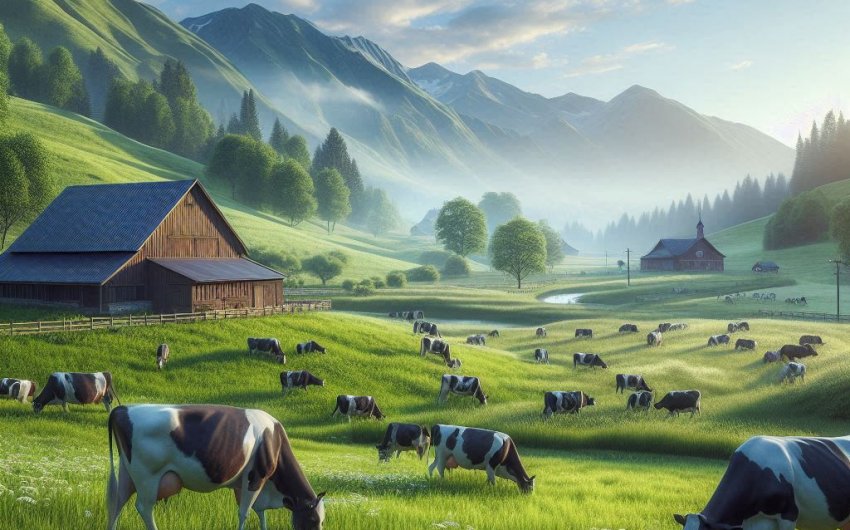
Designing an efficient and sustainable farm layout for livestock requires careful planning to ensure that your animals are healthy, well-fed, and have access to appropriate shelter. A good farm layout maximizes space, optimizes resources, and minimizes labor. Whether you're raising cattle, sheep, chickens, or a mix of different animals, the design of your farm plays a critical role in the success of your operation.
In this guide, we’ll walk through the essential elements of a livestock farm layout, covering key considerations like pasture rotation, fencing, water systems, and shelter. Each aspect of the design aims to support the well-being of your animals while ensuring your farm runs smoothly and profitably.
1. Assessing Your Land and Resources
Before you start designing your livestock farm layout, the first step is to assess your land’s characteristics. Understanding the topography, soil quality, and water sources will help you make informed decisions about where to place grazing areas, barns, and other infrastructure.
Land Topography
The natural slope and shape of your land influence water drainage and where to place shelters, grazing fields, and holding areas. For example, placing barns or shelters on higher ground ensures that animals stay dry during heavy rains, as water naturally flows downhill. If your land has uneven terrain, you can use this to your advantage by creating natural barriers or dividing pastures.
Soil Quality
Different types of livestock require different types of soil for grazing. Testing your soil using a soil testing kit will help you determine which areas of your farm are best suited for specific livestock. For example, cattle thrive on nutrient-rich, well-draining soils, while pigs may do better in slightly wetter, denser soils.
Water Sources
Having access to clean, reliable water is crucial for any livestock farm. When designing your layout, ensure that water systems are placed near your livestock shelters and grazing areas. Installing a livestock waterer that is easy to access for all animals is essential for keeping your livestock hydrated. Natural water sources like ponds or streams can also be integrated into your layout, but ensure they are clean and uncontaminated.
2. Zoning Your Livestock Farm
A well-planned livestock farm layout should be divided into zones, each dedicated to a specific aspect of animal husbandry. Zoning ensures that activities like grazing, feeding, breeding, and handling are kept organized and manageable.
Grazing Areas
Grazing zones should be designed with a rotational grazing system in mind. Rotational grazing allows you to move livestock between different pastures, giving the grass time to regenerate and improving soil health. You can use electric fencing to create temporary paddocks that can be easily adjusted as your animals move between areas.
When designing grazing zones, consider the carrying capacity of your land—how many animals it can support without overgrazing. This will help you determine the size and number of grazing paddocks needed.
Shelter and Barns
Livestock shelters are critical for protecting animals from harsh weather conditions, predators, and providing a space for birthing or health management. Your farm should have enough livestock barns or shelters to accommodate all animals, with proper ventilation and drainage systems in place.
- Cattle Barns: These structures need to be large enough to house the animals and allow them room to move freely. They should also have areas for feeding and milking (if you're managing a dairy operation).
- Sheep and Goat Shelters: These animals require smaller barns or sheds, but the space must be well-ventilated and dry to prevent hoof problems and respiratory issues.
- Chicken Coops: For poultry, chicken coops should be secure, predator-proof, and well-lit. Nesting boxes and perches should be included for egg production and resting.
Feed Storage and Silos
Locate your feed storage areas or silos near the livestock barns and paddocks for easy access during feeding. This minimizes the time and effort it takes to transport feed to your animals. A grain silo or feed bin should be large enough to store several weeks' worth of feed, reducing the number of deliveries needed and ensuring that your livestock always have enough to eat.
3. Designing Efficient Pasture Systems
For livestock farmers, pastures are the foundation of any successful operation. How you manage and design your pasture system directly affects the health of your animals and the sustainability of your farm.
Rotational Grazing System
A rotational grazing system involves dividing your grazing land into multiple paddocks and rotating livestock between them. This method ensures that each section of the pasture has time to recover before animals return, preventing overgrazing and improving soil quality. This also helps manage manure, as it distributes the natural fertilizer evenly across your land.
- Portable Fencing: Use portable fencing, such as electric fencing, to create temporary paddocks that can be easily moved as needed. This gives you flexibility in managing grazing rotations and adjusting paddock size based on the number of animals.
- Pasture Rest Periods: Design your pasture system to allow a minimum rest period of 30 days between grazing sessions. This gives the grass time to regrow and restores soil health.
Strip Grazing
Strip grazing is another form of rotational grazing but is more controlled and often used for high-value animals like dairy cows. In strip grazing, animals are confined to narrow strips of land for short periods, allowing precise control over grazing intensity. Strip grazing can increase productivity and ensure your pastures are utilized fully without overuse.
Water Management in Pastures
Make sure that each paddock or grazing area has easy access to water. If your pastures are far from a main water source, consider installing a water trough in each paddock. Alternatively, a portable water tank can be moved along with your livestock, ensuring they have access to fresh water at all times.
4. Fencing and Security
Fencing plays a vital role in any livestock farm layout. It ensures that animals stay within designated areas and protects them from predators. The type of fencing you choose will depend on the livestock you are raising and your land’s layout.
Electric Fencing
For most types of livestock, electric fencing is an effective and affordable option. Electric fencing can be used to create both permanent and temporary paddocks, allowing you to adapt your layout based on your animals’ grazing needs.
Electric fencing is ideal for cattle, sheep, and goats, as it provides a physical and psychological barrier that prevents animals from escaping.
Perimeter Fencing
Your farm’s perimeter should be surrounded by sturdy fencing, such as woven wire fencing, to keep predators out and livestock in. Perimeter fences need to be high enough to deter wild animals, particularly if you’re raising small livestock like chickens or goats.
Portable Fencing
For smaller livestock like chickens, turkeys, or goats, portable fencing is a great solution. Portable electric netting is lightweight and easy to set up, allowing you to move your animals between different grazing areas quickly. This is particularly useful if you're implementing a rotational grazing system for small ruminants.
5. Animal Health and Veterinary Zones
Every livestock farm should have a designated area for handling animals, administering veterinary care, and carrying out routine health checks. This area should be easily accessible and well-equipped with everything you need to care for your animals.
Handling Facilities
A good handling facility includes a series of pens and chutes where livestock can be sorted, inspected, or treated. It should be designed with ease of movement in mind, using gentle curves and non-slip surfaces to minimize stress on the animals.
For cattle or sheep, having a livestock chute makes it easier to move animals through the system efficiently and safely. Smaller livestock may require a holding pen or smaller chute system for vaccinations, shearing, or hoof trimming.
Veterinary and Isolation Areas
There should be a separate, quiet area on your farm where sick or injured animals can be isolated from the rest of the herd to prevent the spread of disease. This space should be close to your handling area for easy access during health checks. Equip your isolation area with feed bins and a secure water source so that sick animals can recover comfortably.
6. Integrated Systems for Sustainability
A well-designed livestock farm layout can also contribute to long-term sustainability by integrating various systems that work together to reduce waste, improve soil health, and maximize resource use.
Manure Management
Livestock produce large amounts of manure, which can either be a valuable resource or a challenge to manage, depending on your layout. Establish a manure management system that turns waste into an asset by composting it and using it to fertilize pastures and crop fields.
Composted manure can improve soil fertility and reduce the need for chemical fertilizers. Make sure that manure piles are located far from water sources to prevent contamination.
Agroforestry and Silvopasture
If you want to combine agroforestry with livestock farming, you can design a silvopasture system, where trees are planted alongside pastures. The trees provide shade for livestock and help improve biodiversity on your farm. This system also allows for additional income streams through timber, fruit, or nut production. Incorporating fruit trees or nut trees into your layout can provide forage for your animals while diversifying your farm’s revenue sources.
7. Pathways and Access
Clear, wide pathways should connect all the major zones of your livestock farm, including barns, pastures, feed storage, and handling areas. This improves the efficiency of your farm by reducing the time it takes to move between areas and transport feed, water, or equipment.
Vehicle Access
Your farm should be designed with easy access for vehicles, especially if you’re using trucks, tractors, or ATVs to transport feed, animals, or manure. Design wide gravel pathways or compacted dirt roads that can accommodate large machinery without becoming impassable during wet weather.
Livestock Movement Paths
Livestock movement paths should be planned to allow for smooth transitions between different areas, such as from pasture to barn or from holding pen to chute. The design should minimize stress on the animals by avoiding tight turns or narrow alleyways. Paths should be wide enough to prevent overcrowding and have non-slip surfaces to ensure the safety of both animals and workers.
For more information on how to create an efficient and profitable livestock farm layout, explore our 10-Acre Farm Layout guide. This resource provides further insights into designing farms that maximize productivity while ensuring animal welfare and sustainable farming practices.