
What is the Best Farm Layout for Growing Vegetables?
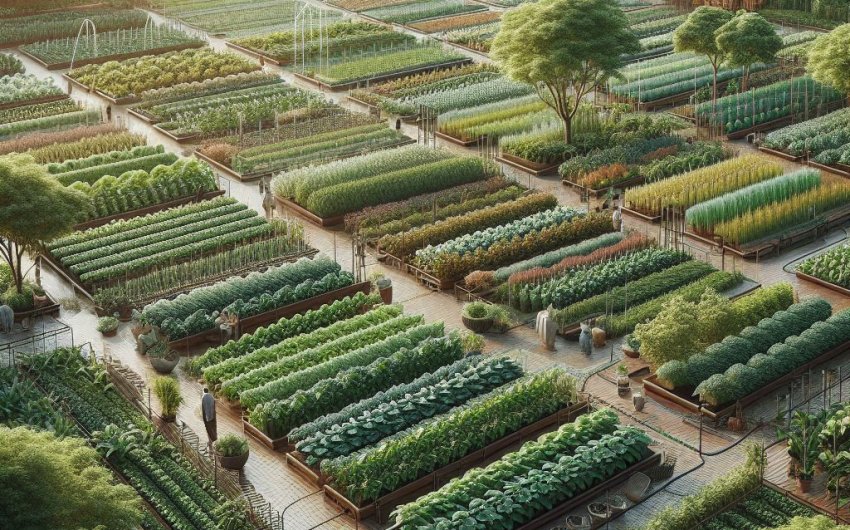
Designing the best farm layout for growing vegetables is a crucial step for maximizing efficiency, increasing yield, and promoting healthy crops. Whether you're working with a large acreage or a small garden, the right layout can make a significant difference in your farm's productivity. By strategically organizing your planting beds, pathways, irrigation systems, and storage areas, you can create a farm that not only supports a wide variety of vegetables but also simplifies the work involved in maintaining them.
In this article, we'll explore several key factors to consider when planning a farm layout for vegetables, including crop rotation, companion planting, irrigation, and how to optimize space for maximum efficiency. The aim is to provide insights that will help both beginners and experienced farmers create a productive and sustainable growing environment.
1. Determining the Size and Location of the Farm
Before laying out the farm, it’s important to consider the size and location of the land you have available. The best farm layout will depend on how much space you have, as well as the climate and soil type in your region. You need to evaluate how much direct sunlight your land receives, which can affect plant growth, and any existing natural features like slopes, water sources, or windbreaks that can impact your vegetable farming.
Key Considerations:
- Sunlight: Most vegetables require at least 6 to 8 hours of sunlight per day. Place the crops that need the most sun (such as tomatoes or peppers) in areas that receive full sun. You can find Solar Sunlight Meters to help monitor light levels in different parts of your farm.
- Soil Type: Knowing your soil’s composition is essential. Sandy soils drain well but may lack nutrients, while clay soils retain water but might need amendments for better aeration. Use a Soil Test Kit to check your soil's pH levels and nutrient availability.
- Water Access: Ensure your farm layout has convenient access to water sources. Setting up an efficient irrigation system can save time and improve the consistency of watering your vegetables.
For more details on organizing space efficiently based on farm size, check out our guide on 10-acre farm layouts for specific tips on maximizing small and large farms alike.
2. Raised Beds vs. In-Ground Planting
When deciding on the layout of your vegetable farm, you’ll need to choose between raised beds and in-ground planting. Both methods have their advantages, depending on your soil conditions, the types of vegetables you want to grow, and your preference for maintenance.
Raised Beds
Raised beds are elevated structures filled with high-quality soil, making them ideal for areas with poor or compacted soil. This method allows for better control of the soil environment, excellent drainage, and reduced compaction from foot traffic. Raised beds also warm up faster in the spring, which can extend your growing season.
Advantages:
- Better soil control: You can mix your own soil with compost and organic matter.
- Easier access: Raised beds reduce the need to bend over, which is beneficial for individuals with physical limitations.
- Improved drainage: Water drains more efficiently, reducing the risk of root rot.
Tools to Consider: Investing in sturdy Raised Bed Garden Kits can make setting up raised beds quick and simple.
In-Ground Planting
In-ground planting works well if your soil quality is already good or you are willing to amend it. This method is traditional, requires less initial setup, and allows you to use larger spaces without the limitations of individual bed sizes.
- Advantages:
- Larger growing area: Ideal for farmers with extensive land, as there’s no need to build structures.
- Fewer materials: It’s a more cost-effective option if your soil is already fertile.
- Natural water retention: In-ground soil often retains moisture longer than raised beds.
Depending on the size of your farm and the specific crops you wish to grow, you might even want to incorporate both methods into your farm layout.
3. Optimizing Pathways and Accessibility
Accessibility is key when planning the best farm layout. The placement of pathways between planting areas is critical to ensuring easy access for watering, weeding, and harvesting. Narrow pathways can lead to compaction and difficulty moving equipment, while pathways that are too wide can waste valuable growing space.
Pathway Design Tips:
- Width: Pathways should be wide enough to accommodate foot traffic and the movement of tools or wheelbarrows. A width of 18 to 24 inches is typically ideal.
- Materials: You can use mulch, gravel, or pavers to create walkable pathways that prevent soil compaction and weeds. Garden Pavers can add an aesthetic touch while maintaining functionality.
- Raised Bed Pathways: If you’re using raised beds, ensure that the space between beds allows for comfortable movement. This will also help when maintaining plants and setting up irrigation systems.
Designing practical and accessible pathways ensures that maintenance tasks like weeding, watering, and harvesting are easy and efficient.
4. Crop Rotation for Better Soil Health
Crop rotation is one of the most effective strategies for maintaining soil fertility and reducing pest problems in a vegetable farm layout. By rotating crops, you avoid depleting the soil of specific nutrients, which can happen when the same crop is grown repeatedly in the same area.
Basic Principles of Crop Rotation:
- Rotating Families: Crops from the same botanical family (e.g., tomatoes, peppers, and eggplants from the Solanaceae family) should not be grown in the same bed year after year. Rotating them reduces the build-up of pests and diseases specific to that family.
- Three-Year Rotation: A simple rotation plan is to use a three-year cycle where you rotate root crops, leafy greens, and fruit-bearing plants. For instance, plant leafy greens one year, followed by root vegetables, and then legumes or beans, which fix nitrogen in the soil.
Rotating crops can drastically improve the health of your soil and reduce the need for chemical fertilizers. Use Plant Markers to keep track of your crops and their rotation schedules.
5. Companion Planting for Natural Pest Control
Companion planting is a technique where certain plants are grown together because of their beneficial effects on each other. This can enhance growth, reduce the need for chemical pesticides, and even improve crop flavor.
Common Companion Planting Examples:
- Tomatoes and Basil: Basil is known to improve the flavor of tomatoes and can repel pests like aphids. Placing Tomato Stakes near your tomato plants ensures they grow upright, maximizing sunlight exposure.
- Carrots and Onions: These two vegetables deter pests from attacking each other’s crops. The scent of onions repels carrot flies, while carrots can help with weed suppression around onions.
- Beans and Corn: Beans fix nitrogen into the soil, benefiting heavy feeders like corn. This symbiotic relationship allows for better yields without the need for synthetic fertilizers.
By strategically placing companion plants in your layout, you can foster a healthier ecosystem and reduce your reliance on pesticides.
6. Efficient Irrigation Systems
Water management is crucial to any farm layout, especially when growing vegetables. An efficient irrigation system ensures that your crops get the right amount of water without waste. Drip irrigation and soaker hoses are two popular options for vegetable farms, as they deliver water directly to the roots of the plants and reduce evaporation.
Types of Irrigation:
- Drip Irrigation: Drip systems are ideal for large farms as they deliver water slowly and directly to each plant's roots, conserving water. You can easily set up a Drip Irrigation Kit for precise control over the water distribution in your beds.
- Soaker Hoses: These hoses allow water to seep out slowly along their length, making them perfect for rows of plants. They are an excellent choice for areas with long planting rows, such as carrots or beans. Soaker Hoses can be easily adjusted to suit different crops’ needs.
- Sprinkler Systems: While less efficient than drip systems, sprinklers can cover a wide area and are useful for crops that need overhead watering.
Setting up an efficient irrigation system can reduce water waste, lower utility costs, and ensure consistent crop hydration.
7. Creating Zones for Different Types of Vegetables
Creating distinct zones for different types of vegetables in your farm layout allows you to organize your crops based on their water, sunlight, and soil requirements. Zoning also helps in managing crop rotation and companion planting practices effectively.
Types of Zones:
- Root Crops Zone: This area should be reserved for vegetables like carrots, beets, and radishes. These crops benefit from loose, well-drained soil. Raised beds work well here, as they prevent soil compaction and make harvesting easier.
- Leafy Greens Zone: Lettuce, spinach, and kale thrive in cooler, shaded areas. Planting these crops in partially shaded areas of your farm will extend their growing season.
- Heavy Feeders Zone: Crops like tomatoes, cucumbers, and peppers require a lot of nutrients. This zone should be enriched with compost or organic fertilizers to support these high-demand crops. Use Compost Tumblers to create rich soil amendments.
- Legumes Zone: Beans and peas fix nitrogen into the soil, improving its quality for future crops. This zone is ideal for rotation with heavy feeders after they’ve depleted the soil's nutrients.
Zoning ensures that you can cater to the specific needs of different vegetable types, promoting healthy growth across the entire farm.
8. The Importance of Windbreaks and Fencing
Vegetable crops are vulnerable to harsh weather conditions, especially wind. Incorporating windbreaks in your farm layout protects delicate crops from wind damage, reduces soil erosion, and helps maintain stable growing conditions. Trees, shrubs, or Garden Windbreak Nets can be strategically planted around the perimeter of your farm to serve as a barrier against strong winds.
Additionally, fencing is essential for keeping out animals like rabbits and deer that might otherwise destroy your crops. Garden Fences can provide a sturdy barrier to safeguard your vegetables while maintaining an aesthetic appeal.
9. Incorporating Greenhouses for Year-Round Growing
If you want to extend your growing season or cultivate vegetables during colder months, incorporating a greenhouse into your farm layout is a smart investment. Greenhouses provide a controlled environment where you can grow sensitive crops that require consistent temperatures and humidity levels.
Greenhouses can also be used for starting seeds earlier in the season or growing crops that need protection from pests. For example, you can use a Mini Greenhouse Kit to start seedlings in the early spring before transplanting them into your outdoor beds.
By integrating a greenhouse, you ensure a continuous supply of fresh vegetables throughout the year.