
How Do I Design a Farm Layout for Sustainable Agriculture?
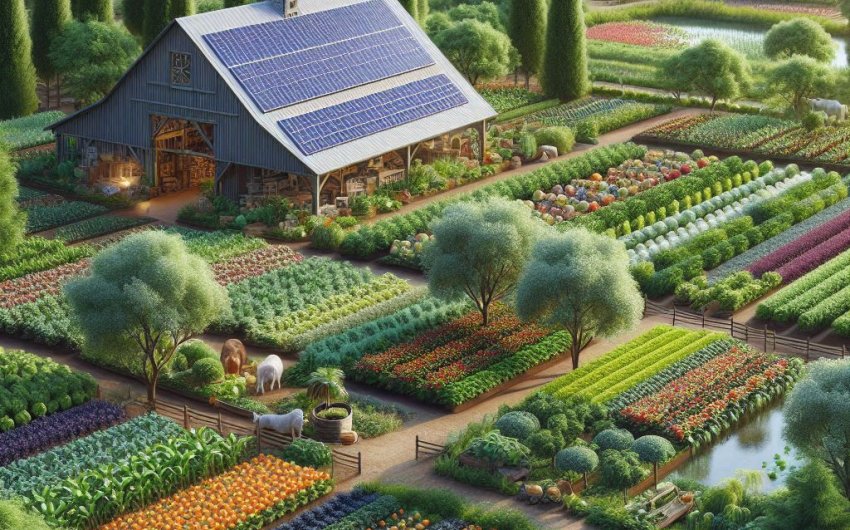
Designing a farm layout for sustainable agriculture involves more than just organizing planting rows and creating pathways. It requires an integrated approach that considers environmental health, economic viability, and social equity. A well-designed farm for sustainable agriculture not only provides high-quality produce but also conserves resources, supports biodiversity, and reduces harmful environmental impacts.
This guide will take you through key steps and strategies for creating a farm layout that prioritizes sustainability while ensuring maximum efficiency and productivity. From permaculture principles to crop rotation and water management, each section will help you plan a farm that thrives while maintaining a balanced ecosystem.
1. Assessing the Land and Environment
Before laying out the farm, it's essential to evaluate the natural characteristics of your land. Sustainable farm design starts with understanding your soil, water availability, climate, and topography. Knowing these factors allows you to plan accordingly and make the best use of natural resources.
Soil Health
Healthy soil is the cornerstone of sustainable farming. Conduct a soil test to determine nutrient levels, pH balance, and soil type. Amend the soil as needed with organic matter like compost, manure, or cover crops to improve its structure and fertility.
You can use a Soil Test Kit to check the pH and nutrient profile of your soil. If your soil is too acidic or alkaline, adjusting it before planting can lead to better crop performance and healthier plants.
Water Resources
Water is a critical resource in any farm layout. Identifying water sources, such as rivers, ponds, or rainfall patterns, helps determine your irrigation strategy. Sustainable farms make the most of natural rainfall and use water-efficient systems to avoid wastage.
Install Rainwater Harvesting Systems to collect and store rainwater for irrigation. Using these systems can greatly reduce your farm’s reliance on external water sources, especially during dry seasons.
Climate and Microclimates
Different crops have different temperature, humidity, and sunlight requirements. Consider your farm's overall climate as well as smaller microclimates within your property, such as shaded areas or regions that retain more heat. This knowledge helps you decide where to plant crops that are sensitive to temperature fluctuations.
Assessing your land's natural features lays the foundation for a farm design that integrates with the environment and enhances productivity.
2. Permaculture Principles in Farm Design
Permaculture is a holistic design philosophy that promotes sustainable, self-sufficient ecosystems. When applied to farm layout, permaculture helps create systems that work with nature rather than against it. Here are some key permaculture principles to guide your farm design:
Zoning
Zoning is a technique used to group similar activities or functions based on how frequently they need attention. The farm is divided into zones, starting from Zone 0 (the home) to Zone 5 (wilderness).
- Zone 1: This area is closest to your living quarters and should house crops or livestock that need daily attention. Raised garden beds, herb gardens, and compost piles are typically located in Zone 1. Use Raised Bed Kits to build easily accessible growing spaces for frequently harvested vegetables.
- Zone 2: This zone may include perennial crops, fruit trees, or animals like chickens that require less frequent care.
- Zone 3: This area is for larger-scale crops and livestock that only need occasional attention, such as row crops or orchards.
- Zone 4: Primarily for woodland, forage, or wild harvesting systems.
- Zone 5: Left as a natural habitat to encourage biodiversity and wildlife conservation.
By organizing your farm into zones, you create a system that maximizes efficiency and minimizes unnecessary labor.
Stacking Functions
In sustainable agriculture, every element of the farm should serve multiple functions. For example, a tree can provide shade, improve soil health with its leaf litter, and produce fruit. Designing your farm layout to stack functions enhances productivity without additional resource use.
Plant Fruit Trees that not only offer food but also improve the surrounding ecosystem by providing habitat for beneficial insects or birds.
Water Conservation
Permaculture farms use water conservatively by capturing and recycling it. Swales, ponds, and ditches can help manage water flow on your farm, preventing erosion and waterlogging while promoting deep water infiltration.
Integrating Drip Irrigation Systems into your layout will allow for efficient watering that directly benefits plant roots, reducing evaporation and excess water use.
3. Crop Rotation and Polyculture
A key aspect of sustainable farming is maintaining healthy soil. Crop rotation and polyculture (growing multiple types of crops together) are two effective strategies for this. They prevent soil depletion, reduce pests and diseases, and promote biodiversity.
Crop Rotation
Crop rotation involves growing different crops in a specific sequence on the same piece of land. This strategy prevents the soil from being depleted of specific nutrients. For example, planting legumes in a field one year and root crops the next helps balance nitrogen levels in the soil.
Common crop rotation schemes follow a three- or four-year cycle where you rotate between:
- Legumes: Fix nitrogen in the soil.
- Leafy Vegetables: Require nitrogen and produce organic matter for the soil.
- Root Vegetables: Benefit from the increased organic matter left behind by leafy crops.
- Fruit-Bearing Crops: Such as tomatoes and squash, which demand high nutrients.
You can use Crop Rotation Charts to keep track of what crops to plant each year, ensuring you maintain soil health and reduce pests.
Polyculture
Polyculture, or planting multiple crops together in the same area, promotes biodiversity and reduces the risk of crop failure. Companion planting is a form of polyculture where certain crops are planted together because they benefit each other. For example, planting basil next to tomatoes enhances growth and repels pests.
Use Companion Planting Guides to determine the best combinations of crops that naturally support each other, reducing the need for pesticides or fertilizers.
4. Sustainable Livestock Integration
Incorporating livestock into your farm layout is another effective way to enhance sustainability. Animals contribute to soil fertility, provide natural weed and pest control, and can be used for meat, milk, or fiber production.
Rotational Grazing
Rotational grazing involves moving livestock from one section of pasture to another, allowing previously grazed areas time to recover. This not only prevents overgrazing but also promotes healthy, nutrient-rich soils. Each paddock gets a rest period, reducing soil compaction and allowing grasses to regrow.
Set up Electric Fencing Systems to create temporary paddocks and move animals around the farm easily while protecting crops.
Manure Management
Manure from livestock can be used to fertilize crops. Instead of relying on chemical fertilizers, properly managed manure provides essential nutrients that improve soil health. Building Compost Bins for manure collection and composting is an eco-friendly way to recycle animal waste into rich, organic fertilizer for your fields.
By incorporating livestock in a responsible way, you can reduce inputs, improve soil health, and diversify farm outputs.
5. Agroforestry and Silvopasture
Agroforestry is the practice of integrating trees and shrubs into agricultural landscapes. Silvopasture, a type of agroforestry, combines forestry with livestock grazing. These methods are both highly sustainable as they improve biodiversity, prevent soil erosion, and help regulate the water cycle.
Agroforestry in Farm Layout
Incorporating trees and shrubs into your fields creates windbreaks, reduces soil erosion, and provides habitats for beneficial insects and birds. Trees can also produce additional yields such as fruit, nuts, or timber. Fruit Tree Seedlings can be planted in rows along the edges of your vegetable beds, providing both a yield and an ecological function.
Silvopasture
Silvopasture combines forestry with rotational grazing systems. Livestock graze in the understory of trees, reducing the need for feed while fertilizing the trees with their manure. The trees provide shade for livestock and additional forage. This system diversifies income by producing both animal products and timber or fruit from the trees.
Set up Portable Animal Shelters to move your animals around the farm as part of a silvopasture system. The integration of trees with grazing lands ensures a sustainable balance between animals and forestry.
6. Efficient Water Management
Water conservation is a top priority in sustainable agriculture. Designing a farm layout that maximizes water use efficiency will help conserve this precious resource while maintaining healthy crops.
Rainwater Harvesting
Setting up a rainwater collection system is an effective way to provide water for your crops and livestock without relying solely on external water sources. Collecting runoff from roofs and other surfaces allows you to store large amounts of water for dry periods.
Install Rain Barrels near barns, sheds, or greenhouses to capture water that can be used for irrigation.
Irrigation Techniques
Sustainable farms use efficient irrigation methods to minimize water loss. Drip irrigation and soaker hoses are two options that deliver water directly to the roots of plants, reducing evaporation. Mulching around crops can also help retain moisture in the soil.
For smaller, high-value crops, consider installing Soaker Hoses to deliver water precisely where it's needed while conserving water across your farm.
Ponds and Swales
Creating ponds and swales helps manage water runoff, recharge groundwater, and reduce the risk of erosion. Ponds can also serve as a water source for livestock, irrigation, or aquaculture. Strategically placed swales (ditches that catch and hold water) allow you to manage water flow and keep more moisture on the land during rain events.
Using Swale Construction Tools will help you dig and design swales that optimize water retention and soil health.
7. Renewable Energy and Sustainable Infrastructure
To truly embrace sustainability, incorporating renewable energy sources and eco-friendly infrastructure is essential. Whether you're looking to reduce your farm's carbon footprint or minimize waste, sustainable infrastructure is a key component of a long-lasting farm.
Solar Power
Solar panels are a great way to generate renewable energy on your farm. They can power irrigation systems, electric fences, or farm machinery, reducing your reliance on non-renewable energy sources.
Installing Solar Panels on your barn or outbuildings is an investment that pays off in the long term, helping you cut energy costs and reduce your environmental impact.
Composting Toilets
For farms located far from municipal sewage systems, composting toilets are a sustainable solution. They don’t require water and produce valuable compost that can be used to enrich the soil.
Set up Composting Toilets in strategic locations across your farm to manage waste sustainably while adding organic matter back into the ecosystem.
8. Biodiversity and Natural Habitats
Promoting biodiversity is crucial for maintaining a balanced and healthy farm ecosystem. Sustainable farm layouts include areas reserved for wildlife, insects, and natural vegetation to encourage pollination, pest control, and soil health.
Pollinator Habitats
Bees, butterflies, and other pollinators play a vital role in fruit and vegetable production. Planting wildflowers, hedgerows, or shrubs around your farm encourages these beneficial insects to thrive. Consider using Pollinator-Friendly Plant Mixes to attract pollinators that will help fertilize your crops.
Beneficial Insects
Create habitats for beneficial insects like ladybugs or predatory wasps, which naturally control pests. Installing Insect Hotels on your farm can give these helpful insects a place to live and breed, further reducing your need for chemical pest control.
Riparian Buffers
If your farm borders a stream or river, maintaining riparian buffers (vegetated areas between water and crops) helps prevent erosion, filter runoff, and support local wildlife.