
What Are Some Tips for Creating a Functional Farm Layout?
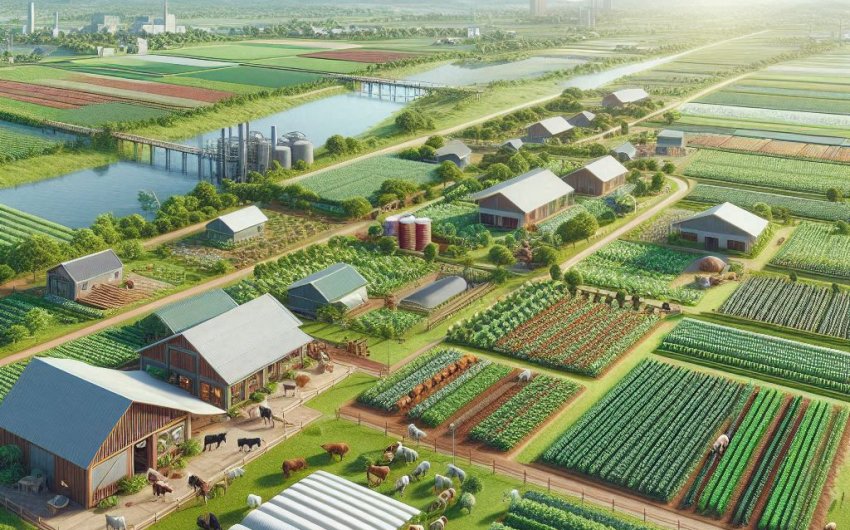
Creating a functional farm layout is essential to maximize efficiency, productivity, and sustainability on your land. Whether you are planning a small garden, a mid-sized homestead, or a large commercial farm, organizing the space thoughtfully can save you time and effort while improving crop yields and livestock management. This article provides practical tips for designing a farm layout that works for your specific needs.
By carefully considering factors like soil, water management, crop placement, livestock movement, and accessibility, you can create a harmonious farm that works with the environment. In addition to enhancing production, a well-planned farm layout can also contribute to your farm's aesthetic appeal, making the space both functional and visually pleasing.
1. Evaluate Your Land and Resources
Before designing your farm layout, it’s crucial to assess the land and resources you have. Knowing the characteristics of your land helps you make informed decisions about where to place crops, structures, and livestock areas.
Topography and Land Contours
Understanding the natural features of your land, such as slopes, flat areas, and natural water channels, will influence where you position various farm elements. Crops that need well-drained soil should be placed on higher ground, while plants that benefit from more moisture can be positioned in low-lying areas.
Incorporating Topography Maps into your planning process can help you visualize elevation changes and plan for natural water drainage.
Soil Quality
Soil quality is another key factor that determines crop success. Conducting a soil test to check for nutrient levels and pH balance will help you decide where to plant specific crops. Areas with rich, loamy soil are ideal for high-nutrient crops like vegetables, while more challenging soil conditions can be improved with cover crops or organic matter.
You can use a Soil Testing Kit to assess the fertility and composition of your soil.
Water Access
Water is essential for both crops and livestock. Identify your main water sources, such as ponds, wells, or municipal water connections, and plan the layout around efficient water access. Installing Drip Irrigation Systems or other water-conserving techniques will reduce water waste and ensure that crops are watered efficiently.
Proper planning of irrigation systems and water storage, such as installing Rainwater Harvesting Barrels, will allow you to use natural water resources wisely.
2. Organize Zones Based on Usage
Zoning is a critical part of creating an efficient farm layout. Grouping similar activities and functions in specific zones minimizes travel time and energy spent moving between different parts of the farm. A well-organized zoning system can also improve the overall workflow.
Zone 1: High-Traffic Areas
Zone 1 is where you will spend the most time. These high-traffic areas should include your house, greenhouse, tool shed, and vegetable garden. Crops that require frequent maintenance or daily harvest, such as herbs or leafy greens, should be located in this zone for easy access.
Building Raised Garden Beds in this area allows for organized and efficient planting and harvesting.
Zone 2: Livestock and Orchard
Zone 2 is ideal for animals or perennial crops that require less frequent attention. This zone may include orchards, chicken coops, or grazing areas for livestock. These should be close enough for daily visits but far enough from the main living space to minimize noise and odors.
Installing Chicken Coops or Livestock Fences will help create safe, functional spaces for animals.
Zone 3: Fields and Pastures
Fields and pastures should be located in Zone 3, further from the house and reserved for larger-scale crop production or grazing livestock. These areas will not need daily attention, but their organization is still important for irrigation and movement planning.
Use Electric Fencing Systems to manage livestock grazing efficiently and prevent overgrazing.
Zone 4: Woodland and Natural Resources
Zone 4 is where you can include forested areas or wild-growing crops. These spaces provide natural resources like timber, firewood, or wild foraging opportunities. While they do not need regular care, they are an essential part of a balanced farm layout.
Zone 5: Wilderness and Conservation
Zone 5 is often the untouched, wild area of your farm. This zone is left in its natural state to promote biodiversity and act as a buffer zone for wildlife. Keeping some wild spaces on your farm can help manage pests naturally and encourage pollinators.
3. Create Efficient Pathways and Access Points
Pathways and access points are essential for moving equipment, people, and animals across the farm efficiently. Well-planned pathways reduce compaction in planting areas and prevent excess wear on pastures or gardens.
Pathways for Vehicles and Machinery
Ensure that wide, sturdy paths are available for farm vehicles and machinery like tractors. These pathways should lead to key areas like barns, storage buildings, and fields. Consider gravel or compacted dirt for high-traffic zones to prevent mud during wet seasons.
A Gravel Pathway Kit can help establish durable, long-lasting paths.
Walking Paths
For areas like gardens or orchards, create narrower pathways that allow for foot traffic without disturbing the soil. Mulched paths work well for these areas, as they prevent weeds from growing and allow for easy movement.
Use Garden Pavers to create aesthetic and functional walking paths between raised beds and garden areas.
4. Integrate Crop Rotation and Companion Planting
Crop rotation and companion planting are vital strategies for maintaining healthy soil and reducing the need for chemical fertilizers or pesticides. Incorporating these techniques into your farm layout can prevent nutrient depletion, control pests naturally, and increase overall yields.
Crop Rotation
Crop rotation involves planting different types of crops in a specific area each season to avoid depleting the soil of specific nutrients. For example, you can rotate between legumes, which add nitrogen to the soil, and heavy feeders like corn, which deplete nutrients.
Use Crop Rotation Charts to plan your field rotations and track which crops have been planted where.
Companion Planting
Companion planting involves growing certain crops together that benefit each other. For example, planting marigolds near tomatoes can help deter pests, while beans add nitrogen to the soil for neighboring corn. Planning your garden layout with companion planting in mind can reduce the need for chemical interventions.
Companion Planting Guides can help you identify beneficial plant pairings for your specific crops.
5. Plan for Livestock Movement and Grazing
If your farm includes livestock, planning how animals will move and graze is crucial. Rotational grazing, where animals are moved between different pasture areas, is one of the most effective methods to maintain healthy grasslands and prevent overgrazing.
Rotational Grazing
Set up multiple fenced paddocks so that livestock can graze in one area while another recovers. This method prevents soil compaction and allows grass to regrow, ensuring that pastures remain productive.
Portable Electric Fencing makes it easy to set up temporary enclosures for rotational grazing.
Shelter and Water Access
Ensure that all grazing areas have easy access to shelter and water. Placing Automatic Waterers in each paddock will ensure that animals stay hydrated without the need for frequent manual refills.
Shelters can be simple portable structures that provide shade in the summer and protection from wind and rain during cooler months.
6. Install Efficient Irrigation Systems
Water management is crucial for a functional farm layout. An efficient irrigation system ensures that your crops and livestock receive adequate water without wasting resources. Depending on the size of your farm and the types of crops you’re growing, you may need a combination of different irrigation methods.
Drip Irrigation
Drip irrigation is one of the most efficient ways to water crops, as it delivers water directly to the plant roots with minimal evaporation. This method works particularly well for raised beds, vegetable gardens, and orchards.
Installing Drip Irrigation Kits allows you to create a customized irrigation system that fits your farm's unique layout.
Rainwater Harvesting
Collecting rainwater for irrigation is an eco-friendly and cost-effective way to manage water. Large storage barrels can be connected to gutters on barns or greenhouses to collect runoff, which can then be used to water crops during dry periods.
Invest in Rainwater Harvesting Barrels to store water and ensure that you're utilizing natural resources effectively.
7. Build Multi-Functional Farm Structures
Farm structures like barns, sheds, and greenhouses are essential for storing equipment, protecting livestock, and extending the growing season. When designing your farm layout, think about how these structures can serve multiple purposes.
Barns and Sheds
Barns and sheds should be centrally located, providing easy access to tools, machinery, and feed. Multi-purpose barns can house livestock, store equipment, and act as a workspace for farm tasks. Organizing these structures efficiently ensures that all necessary materials are easily accessible.
Consider purchasing Multi-Purpose Barn Kits for a customizable storage solution.
Greenhouses
A greenhouse is a valuable addition to any farm, especially if you want to extend the growing season or start seedlings early. Position the greenhouse in a location that receives ample sunlight and is protected from strong winds. Greenhouses can also double as storage spaces for tools and supplies during the off-season.
Greenhouse Kits can provide a controlled environment to grow sensitive crops and young plants.
8. Promote Biodiversity with Strategic Planting
Biodiversity plays a significant role in sustainable farming, as it helps maintain soil health, control pests, and support pollinators. Incorporating a variety of plants, trees, and habitats into your farm layout can improve resilience and productivity.
Pollinator Gardens
Planting flowers and shrubs that attract pollinators, such as bees and butterflies, ensures the successful pollination of crops like fruit trees, vegetables, and berries. These gardens should be located near your main planting areas to encourage frequent visits from pollinators.
Planting Pollinator-Friendly Flower Seeds is a great way to boost biodiversity while enhancing your farm’s aesthetic appeal.
Cover Crops
Cover crops, such as clover or alfalfa, can be grown between harvests to protect the soil from erosion, fix nitrogen, and improve overall fertility. These crops are especially useful in larger fields or pastures, as they help maintain soil health when cash crops are not being grown.
Using Cover Crop Seed Mixes ensures that your soil remains healthy and productive year-round.
9. Include Windbreaks and Natural Barriers
Windbreaks are essential for protecting crops, livestock, and farm structures from strong winds. They also reduce soil erosion and create a more stable microclimate on your farm.
Planting Windbreaks
Rows of trees, shrubs, or tall grasses can be planted along the edges of your farm to act as natural windbreaks. These plants not only block strong winds but also provide shelter for wildlife and beneficial insects.
Consider planting Fast-Growing Windbreak Trees along your farm boundaries to create an effective barrier against wind and erosion.
Fencing for Security
In addition to windbreaks, secure fencing is necessary to protect your crops and livestock from animals, both wild and domestic. Fencing can also mark boundaries, organize grazing areas, and protect sensitive crop zones.
Installing Durable Farm Fencing will help ensure that your farm remains secure and functional at all times.
By following these tips and strategically planning your farm layout, you can create a highly efficient, sustainable, and productive farm. To learn more about optimizing larger properties, check out our detailed guide on 10-acre farm layouts for further insights.