
How Do I Ensure Proper Water Flow in My Farm Layout?
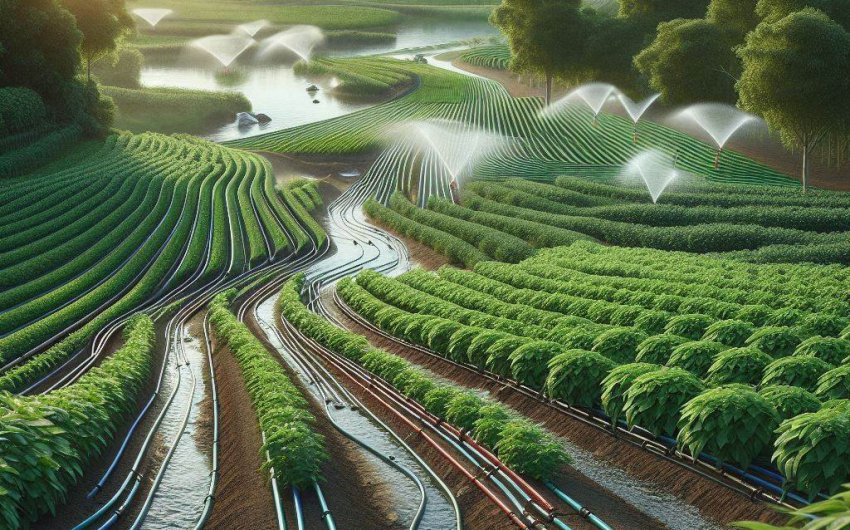
Efficient water management is a fundamental aspect of a productive and sustainable farm layout. Proper water flow ensures that crops and livestock get the hydration they need while minimizing water waste, preventing erosion, and reducing the risk of flooding. In addition to improving overall farm efficiency, good water flow can help conserve this precious resource, reduce operating costs, and promote healthy crop growth.
In this article, we'll explore various strategies for ensuring optimal water flow throughout your farm, covering everything from assessing the landscape to installing irrigation systems. By incorporating these tips, you can create a farm layout that effectively manages water resources, promotes sustainability, and improves the productivity of your land.
1. Assess Your Land's Topography
The natural landscape and topography of your farm play a significant role in how water flows. Hills, valleys, and flat areas influence where water naturally collects or runs off, which will affect the placement of crops, irrigation systems, and drainage solutions.
Identify High and Low Points
Before you start planting or installing water management systems, map out the high and low points of your land. High points tend to drain faster, making them ideal for crops that don’t need as much water, while low-lying areas may collect excess water, which could lead to root rot if not managed properly.
Using Topography Maps can help you visualize elevation changes across your farm and guide your planning for water flow. High-resolution maps allow you to identify slopes, ridges, and valleys that might impact your drainage and irrigation systems.
Contour Farming
Contour farming is a method of planting along the natural contours of the land to slow down water runoff and increase water retention. By following the natural curves of the terrain, contour farming prevents soil erosion and ensures that crops have more consistent access to water.
Consider using Contour Farming Tools to shape your fields along the land’s natural topography. This technique can help improve water absorption and reduce the need for artificial irrigation.
2. Implement Swales and Berms for Water Control
Swales and berms are two effective strategies for managing water flow on farms with uneven terrain. Both techniques work by capturing rainwater and directing it toward specific areas of the farm where it can be used efficiently.
Swales
A swale is a shallow ditch dug along the contour of the land, designed to capture water as it flows downhill. Swales help slow down water runoff, allowing it to soak into the soil and be absorbed by crops or trees. They can also prevent erosion in areas with steep slopes by redirecting the water flow into safer channels.
If you’re dealing with hilly terrain, installing Swale Construction Tools can help you easily create swales that manage water flow and reduce erosion risks.
Berms
Berms are raised mounds of soil that work together with swales to slow down and direct water flow. They can be placed at the downslope side of a swale to further slow water movement or used to guide water into retention ponds or low-lying fields.
Berms are also useful for preventing flooding in certain areas of your farm. Constructing Soil Berm Kits can ensure that water flows in the direction you want, protecting crops from excess moisture.
3. Install Drip Irrigation Systems
Drip irrigation is one of the most efficient ways to control water flow on your farm. By delivering water directly to the roots of plants, this system reduces water waste due to evaporation and ensures that your crops receive consistent moisture.
Benefits of Drip Irrigation
- Water Efficiency: Drip irrigation uses up to 50% less water than traditional overhead sprinkler systems. The slow and steady flow minimizes evaporation, allowing plants to absorb water more effectively.
- Reduced Weed Growth: Since water is only delivered to the plants you want to irrigate, drip systems can help reduce the number of weeds that grow in your fields.
- Healthy Root Systems: Consistent water delivery promotes deep root growth, which leads to stronger, healthier plants.
To set up a drip irrigation system on your farm, use Drip Irrigation Kits that include hoses, emitters, and connectors designed for easy installation. These kits are customizable to fit various farm layouts and plant types.
Customizing Your Drip Irrigation
For different crops or areas of your farm, you can adjust the flow rate and placement of the drip system. For instance, heavy-feeding crops like tomatoes or melons may need more water than herbs or leafy greens. By adjusting the emitters, you can tailor the water flow to match the needs of specific plants.
4. Plan Water Storage Solutions
To ensure that your farm has enough water even during dry periods, it’s essential to have reliable water storage solutions in place. Storing rainwater or excess runoff can provide a backup supply of water for irrigation or livestock during times of drought.
Rainwater Harvesting
Rainwater harvesting is a sustainable and cost-effective way to capture water that would otherwise be lost as runoff. Installing Rainwater Harvesting Barrels under roof gutters or other collection points allows you to store water that can be used for crops, livestock, or even cleaning equipment.
Ponds and Reservoirs
If your farm has natural low-lying areas, consider digging a pond or reservoir to store water. Ponds can serve multiple purposes, including irrigation, fish farming, and providing a water source for livestock. They also act as a buffer to capture and store water during heavy rain, reducing the risk of flooding elsewhere on the farm.
You can use Pond Liner Kits to line and seal the bottom of your pond, ensuring it retains water throughout the year. This is especially useful in regions with inconsistent rainfall.
5. Design Efficient Drainage Systems
While proper irrigation is crucial, managing excess water is equally important. A well-designed drainage system will help prevent waterlogging in fields and protect crops from root rot. It will also protect buildings, roads, and other infrastructure from water damage during heavy rains.
French Drains
French drains are a common drainage solution that uses perforated pipes buried in gravel-filled trenches. Water enters the pipe through the gravel and is carried away from the fields or building foundations. This system is especially useful for farms with clay soils that tend to retain water.
Installing French Drain Pipe Kits helps control water buildup in low-lying areas and direct it to more suitable places, such as ponds or natural streams.
Surface Ditches
Surface ditches or channels are another way to move excess water away from your crops. These shallow ditches can be dug along field edges or near buildings to direct runoff into a pond or swale. Ditches are most effective in regions with high rainfall, where large amounts of water need to be diverted quickly.
You can maintain these drainage ditches with Ditch Maintenance Tools to ensure they stay clear and functional year-round.
6. Utilize Mulch to Retain Soil Moisture
Mulching is an easy and effective way to regulate water flow in your farm's soil. Mulch helps reduce evaporation, keeps the soil cool, and retains moisture around the roots of plants. By covering the soil surface with mulch, you prevent the direct exposure of soil to the sun and wind, thereby reducing water loss.
Organic Mulch
Organic mulches, such as straw, leaves, or wood chips, slowly break down over time, adding nutrients to the soil while preserving moisture. These materials are ideal for vegetable gardens, orchards, or flower beds where soil fertility is important.
Using Organic Mulch around your plants not only improves water retention but also boosts soil health over the long term.
Inorganic Mulch
Inorganic mulches, such as plastic sheeting or gravel, are best for controlling water in areas with heavier rainfall or in raised beds where excessive moisture might be an issue. Inorganic mulch creates a barrier that prevents weeds from growing and keeps water concentrated around the plant’s base.
Installing Plastic Mulch Sheets in large fields or raised beds can ensure that water is used efficiently while minimizing evaporation.
7. Consider Permaculture Design for Water Efficiency
Permaculture is an agricultural system that emphasizes working with natural ecosystems to promote sustainability and efficiency. When designing a permaculture farm layout, water flow is one of the key considerations. The goal is to capture and use as much natural water as possible, ensuring that every drop is put to good use before it leaves the farm.
Zone Planning in Permaculture
In permaculture design, farms are divided into zones based on the amount of attention and water they require. For example, Zone 1 (the area closest to your home) should be reserved for water-intensive crops like vegetables or herbs. Zone 3 or 4, further from the house, can be used for pasture or low-maintenance trees, which need less water.
Use Permaculture Design Guides to help plan a layout that makes the most efficient use of natural water flow across different zones of your farm.
Keyline Design
Keyline design is a water management technique often used in permaculture farming. It involves plowing parallel to the contour of the land to create a network of furrows that capture and redistribute water evenly across the farm. This method increases water infiltration and reduces erosion.
By using Keyline Plows, you can enhance the effectiveness of your water management system, especially on larger or sloping properties.
8. Prevent Soil Erosion with Ground Cover
Erosion control is essential for maintaining proper water flow on a farm. Eroded soil not only loses valuable nutrients but also contributes to water runoff problems. Using ground cover plants and maintaining soil structure can prevent erosion and improve water retention.
Cover Crops
Planting cover crops, such as clover, rye, or alfalfa, between growing seasons helps protect the soil from erosion. Cover crops slow down water movement across the soil, allowing it to be absorbed rather than washed away. They also improve soil structure, making it more resilient to heavy rains.
You can plant Cover Crop Seeds to improve soil health, reduce erosion, and enhance water retention.
Perennial Ground Cover
Perennial ground cover plants, such as creeping thyme or sedges, provide year-round erosion control. These low-growing plants hold the soil in place while allowing water to filter through. In areas where water naturally collects, such as near swales or ponds, perennial ground covers can prevent washouts.
Consider planting Perennial Ground Cover Plants to establish permanent erosion control in sensitive areas of your farm.
9. Plan for Flood and Drought Contingencies
Weather patterns are becoming increasingly unpredictable, making it essential for farms to plan for both flood and drought conditions. By implementing flexible water management strategies, you can ensure that your farm remains productive even in extreme weather.
Flood Control
During periods of heavy rain, having adequate drainage and retention systems in place is crucial to prevent flooding. Incorporating swales, ditches, and retention ponds can mitigate the effects of floods by redirecting water away from fields and buildings.
Use Flood Control Barriers around low-lying areas to prevent flood damage to crops and infrastructure.
Drought Mitigation
For drought-prone regions, investing in water-saving technologies like drip irrigation and rainwater harvesting is essential. Ensuring that water is used efficiently during dry spells will help keep crops alive without overtaxing local water resources.
During droughts, you can use Irrigation Timers to carefully control when and how much water your crops receive.
10. Monitor Water Flow Regularly
Once you've implemented your water management systems, it’s important to monitor them regularly to ensure they’re working effectively. Over time, changes in soil, plant growth, or weather patterns may require you to adjust your system.
Soil Moisture Meters
Soil moisture meters help you track how much water is available in the soil at different points around your farm. Monitoring moisture levels allows you to adjust your irrigation practices, ensuring that water is neither over- nor under-applied.
You can use a Soil Moisture Meter to monitor water availability in your fields and optimize irrigation schedules.
By following these strategies for managing water flow, you can create a farm layout that promotes healthy crop growth, conserves resources, and supports long-term sustainability. For additional guidance on farm layout design, check out our in-depth article on 10-acre farm layouts to maximize your farm's potential.