
What is the Importance of Fencing in a Farm Layout?
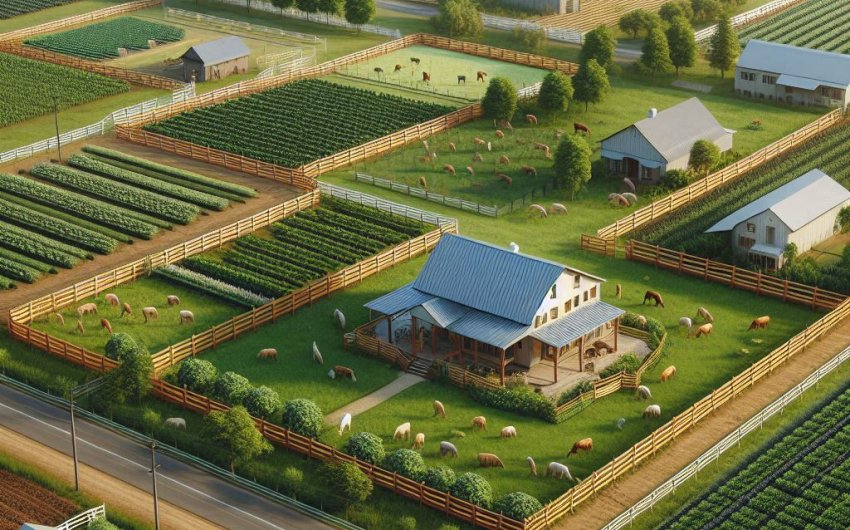
Fencing is one of the most critical components of a well-designed farm layout. It serves numerous functions, from securing livestock to protecting crops, ensuring privacy, and managing land divisions efficiently. The choice and placement of fencing not only define the boundaries of a farm but also contribute significantly to its operational success and sustainability. Without proper fencing, farms are vulnerable to predation, trespassing, and resource mismanagement, which can undermine productivity.
In this article, we will explore the various roles that fencing plays in a farm layout and why it is essential for the efficient management of any agricultural operation. We will also cover different types of fencing options, strategies for maximizing functionality, and tips for selecting the right fencing materials for specific farming needs.
1. Livestock Containment and Protection
One of the primary reasons for installing fencing in a farm layout is to safely contain livestock. Different animals, such as cattle, sheep, horses, and goats, have unique containment needs. Proper fencing not only keeps them within designated areas but also protects them from external threats like predators and trespassers.
Preventing Livestock from Escaping
Without secure fencing, livestock are prone to wander off, which can lead to costly losses, damage to neighboring properties, and even harm to the animals themselves. Robust fencing, like Electric Fences, provides a reliable barrier that deters animals from pushing or jumping over the boundary.
Protection from Predators
Fencing also plays a crucial role in keeping predators such as coyotes, wolves, and foxes away from livestock. High-tensile wire fencing or Mesh Fences can provide an additional layer of protection, especially for smaller animals like chickens or sheep, which are more vulnerable to attacks.
Strategically placed fences, combined with Motion-Activated Deterrents, can ensure that both small and large livestock are safeguarded from predatory threats.
2. Crop Protection and Field Division
Fencing is equally important for protecting crops from wild animals and managing field division within a farm. Whether you're growing vegetables, fruits, or grains, fencing can keep unwanted intruders, such as deer, rabbits, or birds, from damaging your crops.
Protecting High-Value Crops
High-value crops such as fruits, berries, or specialty vegetables are particularly susceptible to damage from wildlife. Installing Deer Fencing or netting around these crops can prevent devastating losses and ensure that your farm continues to produce high-quality yields.
Managing Crop Rotation and Field Division
Dividing fields with internal fencing allows farmers to manage crop rotation effectively. Rotating crops helps maintain soil fertility and prevents the spread of pests and diseases. By creating separate fenced-off areas for different crops, you can control access and improve the organization of your farm.
Using Temporary Fence Panels for field division is a flexible option, allowing you to easily reconfigure the farm layout based on planting needs each season.
3. Enhanced Security and Privacy
A secure and well-fenced farm offers peace of mind by providing protection against trespassing, theft, and vandalism. In rural areas, where farms can be expansive and isolated, fences serve as the first line of defense against unwanted intruders.
Preventing Trespassing and Theft
Farmlands are often targeted for theft, with farm equipment, tools, and even livestock at risk. Barbed Wire Fences or electrified fencing can act as a strong deterrent for would-be intruders, helping secure the farm from unauthorized access.
For farms located near public roads or urban areas, Chain-Link Fences can provide a visible barrier, making it difficult for anyone to enter the property without permission.
Preserving Privacy
Privacy is another important aspect of farm fencing, especially for homesteads or mixed-use farms that combine residential and commercial activities. Tall Wooden Privacy Fences can shield your home and family from public view while allowing you to work and live in peace without distractions from passersby.
By enclosing private areas like the home or garden, you create a peaceful retreat within the farm while keeping the commercial sections open and accessible for daily operations.
4. Land Management and Resource Allocation
Fencing plays a crucial role in managing land and resources within a farm. It enables farmers to divide land into distinct zones for different purposes, such as grazing, planting, or water conservation. This organized approach helps in the efficient allocation of resources like water, feed, and fertilizers.
Rotational Grazing
Rotational grazing is a farming technique in which livestock are moved between different paddocks or pastures to prevent overgrazing and allow the land to regenerate. This practice helps maintain soil health and ensures that grasslands remain productive throughout the year.
Portable Electric Fences are a popular choice for rotational grazing because they can be easily moved to create temporary enclosures that guide livestock from one paddock to another. This flexibility allows you to make the most of your grazing lands without overburdening any single area.
Managing Water Resources
In farms with ponds, streams, or other natural water sources, fencing is essential for controlling livestock access and preventing water contamination. By installing Livestock Water Troughs and fencing off sensitive water areas, you can protect the water supply while ensuring that animals have access to clean drinking water.
Fencing can also be used to divide irrigation zones, allowing you to allocate water more efficiently across different sections of the farm.
5. Predator Management and Wildlife Control
Uncontrolled wildlife can have devastating effects on both livestock and crops. Fencing serves as a barrier between your farm and the surrounding wilderness, helping to manage the flow of animals in and out of your property.
Keeping Predators Out
As previously mentioned, fencing is crucial for keeping predators at bay, but it's also essential for protecting smaller animals like chickens, rabbits, and young livestock. A Mesh Predator-Proof Fence can be installed around coops or pens to stop predators from digging or climbing into enclosures.
Additionally, Electric Poultry Fencing is an excellent option for protecting flocks from nocturnal predators like raccoons or foxes.
Managing Wildlife Access
While some wildlife, like pollinators, are beneficial to farms, others can wreak havoc. Deer, rabbits, and wild boars are notorious for damaging crops, especially during planting season. Installing tall Deer-Proof Fences around your fields can prevent these animals from trampling or eating crops, ensuring that your harvests are protected.
6. Aesthetic Appeal and Farm Identity
In addition to its practical functions, fencing can enhance the aesthetic appeal of a farm and help establish its identity. The type of fence you choose can reflect the character of your farm and create a welcoming environment for visitors and customers.
Enhancing Curb Appeal
Fencing that surrounds the perimeter of your farm contributes to its overall curb appeal. For example, Split Rail Fencing, commonly used on horse farms and homesteads, adds rustic charm and blends harmoniously with the surrounding landscape.
Farms that welcome visitors for agrotourism or farmers’ markets can benefit from Decorative Wooden Fencing, which creates a polished look while marking the boundaries of the farm.
Creating Farm Identity
Fences also help define the boundaries of a farm, contributing to its sense of place and identity. Custom Farm Gates with the farm's name or logo can give your property a professional look while welcoming guests and clients.
By using consistent materials and design elements in your fencing, you can create a cohesive look that enhances your farm's brand and presentation.
7. Safety for Workers and Visitors
A well-fenced farm is also a safer environment for workers, visitors, and customers. Fencing helps keep people out of dangerous areas, prevents accidents, and ensures that work zones are clearly marked.
Securing Hazardous Areas
Certain areas of a farm, such as machinery sheds, chemical storage zones, or animal enclosures, pose potential risks to workers and visitors. Installing Safety Fencing around these areas helps prevent unauthorized access and reduces the likelihood of accidents.
Fences around ponds, wells, or irrigation channels can also protect visitors, especially children, from falling into water or other hazardous areas.
Controlling Access During Events
For farms that host events, tours, or educational programs, fencing helps control the flow of people and ensures that visitors stay within designated areas. Temporary Event Fencing can be set up to guide crowds, prevent access to sensitive areas, and create safe pathways for guests.
Properly marked and fenced areas also make it easier to conduct farm tours or agrotourism activities while keeping everyone safe and accounted for.
8. Supporting Conservation and Environmental Sustainability
Sustainable farming practices often rely on fencing to manage natural resources and promote environmental conservation. Fencing can help protect riparian zones, control erosion, and support reforestation efforts, all while maintaining the productivity of the farm.
Protecting Waterways
Fencing off riparian zones (the areas surrounding rivers and streams) is critical for preventing livestock from trampling vegetation, eroding banks, and contaminating water sources. By installing Riparian Fencing, you can create a buffer zone that preserves the health of waterways and promotes biodiversity.
Reforestation and Erosion Control
Fencing can also be used to protect newly planted trees or shrubs during reforestation projects. Temporary Tree Protection Fencing can prevent livestock or wildlife from damaging young plants, allowing them to grow and contribute to long-term soil stability and carbon sequestration.
For farms located on sloped terrain, erosion control fences can help prevent soil loss during heavy rains, preserving the integrity of the land and supporting sustainable farming practices.
9. Managing Animal Breeding and Isolation
Fencing is crucial for controlling animal breeding and managing isolated spaces for specific animals, especially during calving, lambing, or breeding seasons. Proper fencing ensures that animals are kept in their designated areas, minimizing the risks associated with overpopulation or unintended breeding.
Breeding Enclosures
Certain animals, such as horses or cattle, may require special enclosures for controlled breeding programs. Breeding Pens allow you to manage the breeding process by isolating specific animals, preventing unintended breeding, and ensuring the health of the herd.
Quarantine Areas
Fencing is also essential for isolating sick animals or new arrivals to prevent the spread of disease. Quarantine Fencing can help create a safe and separate area where animals can be observed and treated without risking the health of the rest of the livestock.
Effective fencing systems not only aid in managing breeding programs but also promote biosecurity on your farm, ensuring that your livestock remains healthy and productive.
To explore more about creating a functional and sustainable farm layout, check out our comprehensive guide on 10-acre farm layouts for detailed insights on maximizing farm space and efficiency.