
How to Create a Farm Layout That is Both Efficient and Aesthetically Pleasing?
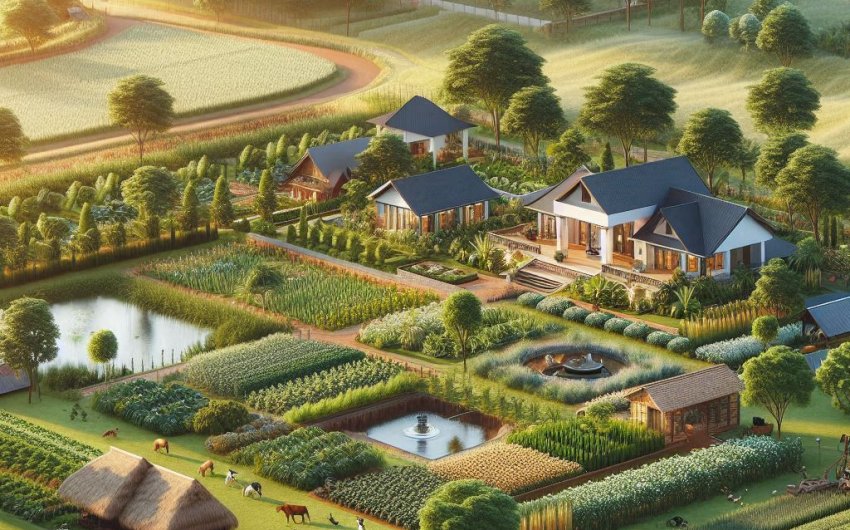
Designing a farm layout that is both efficient and aesthetically pleasing can be a rewarding process. It blends the practical aspects of farming with the beauty and harmony of nature, allowing you to maximize the utility of your land while creating a landscape that brings joy and inspiration. Whether you are working with a small or large piece of land, this guide will help you plan your farm for optimal productivity and visual appeal.
To achieve a well-balanced farm design, there are several key considerations including functionality, land management, zoning, plant and livestock placement, and sustainability. Each plays a role in how you will interact with your farm and what it will look like over time.
Assessing Your Farm Land
Before starting, it's crucial to understand the characteristics of your land. Conduct a thorough analysis, taking into account factors like soil quality, topography, and climate. Each of these will affect what you can grow and where, influencing both your layout and productivity.
- Soil Testing: It’s important to know the type and quality of your soil as it will determine what crops and trees will thrive. Consider purchasing a soil testing kit to assess pH levels, nutrients, and other factors.
- Topography Mapping: Understanding the shape and slope of your land will help you manage water runoff, avoid erosion, and choose the best spots for buildings, livestock areas, and crops.
- Climate Analysis: Different regions have unique weather patterns, which should influence your plant selection. You’ll also want to ensure that your layout considers sun exposure, wind direction, and seasonal changes.
Take the time to review these factors carefully, as they will form the foundation for your farm layout.
Zoning and Dividing Your Farm
An efficient farm layout relies heavily on zoning—dividing your farm into distinct areas based on function. The idea is to ensure each part of the farm serves its purpose effectively, while still contributing to the overall aesthetic. Some common zones to include in a farm layout are:
- Residential Zone: Where you and your family will live.
- Crop Zone: Where you will grow fruits, vegetables, and grains.
- Livestock Zone: Where animals such as cattle, poultry, and sheep will be kept.
- Orchard Zone: Dedicated to long-term tree crops.
- Recreational Zone: Any areas for leisure activities, such as a pond or garden.
- Utility Zone: Space for storage buildings, machinery, and other equipment.
Designing the Residential Zone
Your home or residence should be easily accessible and provide you with a clear view of the farm’s most important aspects, including animal pens, gardens, and equipment storage. A driveway with good drainage is a must to avoid issues during rainy weather. Surround your house with pleasing elements such as flower beds, pathways, and sitting areas to make this space visually appealing.
For utility purposes, it is helpful to position your home near water sources or solar panels. Keeping these close ensures that your household remains connected to the essential infrastructure of the farm.
Crop Zones and Companion Planting
When planning your crop zone, think about what crops you want to grow and how to rotate them to maintain soil health. Group similar plants together, such as placing all vegetables in one area, and consider the benefits of companion planting. For instance, planting tomatoes next to basil can help deter pests, while improving the flavor of the tomatoes.
To ensure both efficiency and beauty in your crop layout, consider designing raised beds or rows with neat paths in between. You might want to incorporate pergolas or trellises for climbing plants like beans or peas.
Additionally, integrating permaculture techniques, such as cover cropping and mulching, can enhance the aesthetics while benefiting the soil. These methods reduce the need for synthetic fertilizers and make your farm more sustainable.
Livestock Management and Layout
Livestock requires dedicated space, and the placement of these zones is crucial to the flow of the farm. Ideally, the barns, pens, and grazing areas should be located on flatter land with easy access to water. You can create an attractive and organized look by using wooden fencing that complements the farm’s natural surroundings.
Consider a rotational grazing system where animals are regularly moved to different paddocks. This system not only promotes soil fertility but also adds a neat, orderly appearance to your farm. Keep in mind that your livestock zone should be located away from the residential and crop zones to prevent any contamination.
Provide shelters that blend into the landscape, such as barns with earthy tones or green roofing that mimic natural surroundings. You can also use hedgerows and trees as natural barriers, enhancing both the look and functionality of your layout.
Efficient Water Management
Water is one of the most critical elements of any farm. A well-designed water system should ensure that your crops and livestock are well-supplied, while also minimizing waste and avoiding waterlogging or drought conditions.
Irrigation Systems
Installing an irrigation system like drip irrigation is essential for an efficient farm. Not only does it conserve water, but it also allows for precision watering, ensuring that every plant receives the correct amount. Irrigation hoses should be neatly arranged in straight lines or loops that blend into the farm design, maintaining a tidy appearance.
Water Collection
Setting up a rainwater collection system allows you to sustainably gather and store water for dry seasons. This can be done by installing gutters along barn roofs and directing them into large storage tanks. The collection tanks can be hidden behind hedgerows or placed in more secluded areas of the farm to preserve aesthetics.
You should also plan out drainage ditches, retention ponds, and permeable surfaces around your farm to handle excess rainwater efficiently. This prevents flooding while adding a natural, rustic touch to the landscape.
Utilizing Natural Features
A farm that works with the natural environment tends to be more efficient and visually appealing. Look for existing trees, streams, ponds, and other land features to build around. These can be focal points of beauty as well as functional parts of your layout.
For example, planting trees along the borders of your fields creates natural windbreaks, reducing soil erosion. Similarly, incorporating ponds or streams into your layout can provide irrigation while adding a tranquil visual element.
You might also choose to leave sections of your farm as wildlife habitat. Not only does this attract beneficial animals and insects, but it also gives the farm a more organic, less manicured appearance.
Incorporating Infrastructure and Equipment Storage
Every farm needs infrastructure for storing tools, machinery, and harvested crops. Well-planned storage areas help streamline your workflow, but they can also contribute to the overall look of the farm.
Start by placing storage buildings and sheds in convenient yet unobtrusive locations, preferably near the crop zones and livestock areas. These structures should complement the aesthetic of your farm. Consider rustic wood siding or stone exteriors that blend with the natural surroundings.
To avoid clutter, keep machinery in covered shelters when not in use, and organize your tools neatly using wall racks or storage cabinets inside these buildings.
If you plan to use solar panels to power your equipment or provide electricity to your home, these can be installed on rooftops or mounted in open fields. However, keep in mind that their placement should not interfere with the visual harmony of your farm.
Pathways and Fencing
Paths and fencing are important elements of a well-organized farm layout. They guide movement, delineate zones, and contribute to the aesthetic appeal. Wide, graveled pathways allow for easy access between zones, while also reducing mud and water buildup during wet seasons. If you prefer a more natural look, consider wood chip paths or stepping stones made of natural slate.
Fencing can serve multiple purposes—keeping livestock safe, protecting crops, and enhancing the visual appeal. Picket fences are a classic choice, but for a more rustic feel, consider using split-rail fences. Natural hedgerows can also be used to create boundaries, while doubling as wildlife habitats.
Ensure that paths are lined with trees or shrubs to give them a more finished, landscaped look. Adding benches or shaded areas along the way will also make these paths more enjoyable for walking, further enhancing the aesthetics.
Implementing a Sustainable Design
Efficiency and beauty both rely on sustainability, and integrating eco-friendly practices into your farm layout ensures that your farm remains productive for generations. Techniques like composting, mulching, and crop rotation can increase soil fertility, while also reducing the need for chemicals. Installing a solar-powered irrigation system can save water and energy.
Moreover, using native plants for hedges and borders requires less maintenance, supports local ecosystems, and makes your farm look naturally beautiful. Consider the addition of a wildflower meadow or bee garden, which will not only attract pollinators but also create vibrant splashes of color across your landscape.
Make sure to check out this detailed guide on 10-acre farm layouts for more insights into how to organize and optimize medium-sized farms for beauty and productivity.