
How Do I Grow Blackberries in Pots on a Patio?
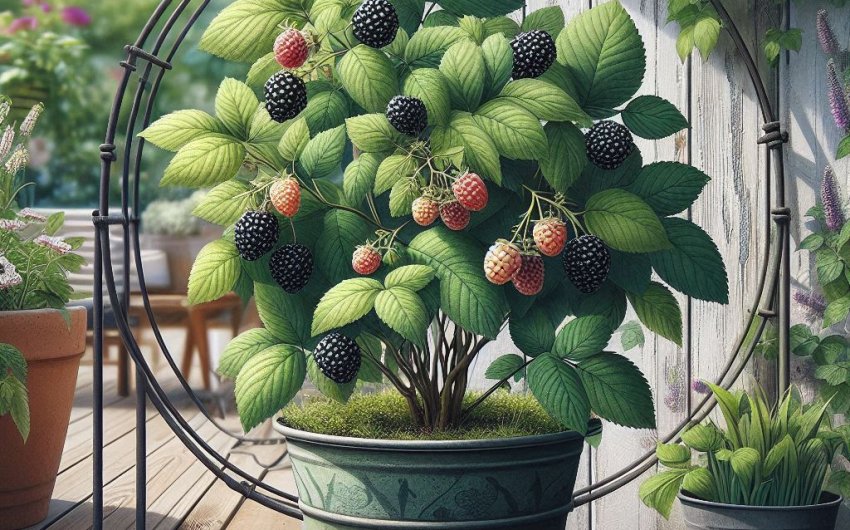
Growing blackberries in pots on your patio is a rewarding and practical way to enjoy fresh fruit, even if you don’t have access to a full garden. Not only do blackberry plants thrive in containers, but they also add greenery and aesthetic appeal to your outdoor space. By following a few simple steps, you can ensure a successful harvest and savor the sweet, juicy berries that blackberries are known for.
This guide will walk you through everything you need to know about growing blackberries in containers, from selecting the right variety to caring for your plants throughout the season.
Why Grow Blackberries in Pots?
Growing blackberries in pots is an excellent option for those with limited space or for gardeners who want to enjoy fresh fruit without committing to a large garden bed. Here are a few reasons why container gardening is ideal for blackberry plants:
- Mobility: You can move your plants to optimal locations based on sunlight and weather conditions.
- Space Efficiency: Even small patios or balconies can accommodate blackberry plants in pots.
- Easier Maintenance: Containers allow you to control the soil quality, water levels, and pest management more easily.
- Pest Control: Growing in pots can help prevent certain soil-borne diseases and pests that typically affect ground-level crops.
Choosing the Right Blackberry Variety for Containers
Not all blackberry varieties are suited for container growth, so it’s important to choose the right type for your patio garden. The best varieties for pots are dwarf or compact varieties, as these tend to have smaller growth habits and require less space than traditional blackberry bushes.
Recommended Blackberry Varieties for Pots
- Baby Cakes Blackberry: This is a dwarf variety that is perfect for containers. It grows to a manageable size and produces large, sweet berries. The compact nature of the Baby Cakes Blackberry makes it ideal for patio pots.
- Prime-Ark Freedom: This is a thornless, everbearing blackberry that produces fruit in the first year. Its upright growth makes it suitable for containers, and it’s known for large, sweet berries.
- Black Diamond: Another thornless variety, the Black Diamond Blackberry is a good choice for containers. It has high yields and is relatively low-maintenance.
Choose a variety that is thornless, especially if you’ll be moving the plants around frequently or if children will be helping in the garden.
Selecting the Right Pot
When growing blackberries in containers, the size of the pot is crucial to the plant's success. Blackberry plants have extensive root systems, so it’s important to give them enough space to grow.
Pot Size
The minimum size for a pot should be at least 18-24 inches in diameter and depth. This size allows for adequate root development and ensures the plant has enough nutrients to thrive. If you choose a larger variety or plan to grow multiple plants in one container, opt for a larger container, such as one that is 24-30 inches in diameter.
Ensure that the pot has sufficient drainage holes at the bottom to prevent water from pooling, which can lead to root rot.
Pot Material
The material of the pot can also impact the plant’s growth. Common options include:
- Plastic Pots: Lightweight and affordable, plastic pots are easy to move around but may not be as durable over time.
- Clay or Terracotta Pots: These are more breathable and provide good air circulation to the roots. However, terracotta pots are heavier and can crack in freezing temperatures.
- Fabric Pots: Fabric grow bags are a great option for blackberries as they provide excellent drainage and aeration, which encourages healthy root growth.
Choosing the Right Soil for Blackberry Plants
The type of soil you use plays a significant role in the health and productivity of your blackberry plants. Blackberries prefer well-draining, slightly acidic soil with a pH of 5.5 to 6.5.
Potting Mix
Use a high-quality potting mix designed for containers, as it will provide the necessary nutrients while promoting proper drainage. Avoid using garden soil, which may become too compact in containers and can harbor pests or diseases.
A mix of peat moss, perlite, and compost works well for blackberries in pots. This combination ensures that the plant's roots receive enough air while retaining the right amount of moisture.
Fertilizer
Blackberry plants are heavy feeders, so it’s important to provide them with regular nourishment. Use a balanced, slow-release fertilizer that contains equal parts nitrogen, phosphorus, and potassium (NPK ratio of 10-10-10 or 12-12-12).
You can also supplement with a liquid fertilizer during the growing season to give your blackberries an extra boost.
Planting Blackberries in Containers
Once you've gathered your pot, soil, and blackberry plant, it’s time to get planting. Follow these steps to ensure your blackberry plant thrives in its container.
Step-by-Step Planting Instructions
- Prepare the Pot: Place a layer of gravel or broken pottery at the bottom of the pot to aid drainage. Fill the pot with the potting mix, leaving a few inches at the top.
- Position the Plant: Place the blackberry plant in the center of the pot, ensuring the crown of the plant (where the stems meet the roots) is at soil level.
- Fill the Pot: Add more soil around the plant, pressing down lightly to eliminate air pockets. Make sure not to bury the crown, as this can cause the plant to rot.
- Water Thoroughly: After planting, water the pot thoroughly to settle the soil around the roots.
Watering Blackberries in Pots
Consistent watering is crucial when growing blackberries in containers. Unlike plants in the ground, potted blackberries are more susceptible to drying out because their roots are confined to a smaller space.
Watering Frequency
During the growing season, water your blackberry plant regularly to keep the soil consistently moist but not waterlogged. In hotter climates, this may mean watering every day or every other day. A moisture meter can help you determine when your plant needs water by measuring the moisture levels in the soil.
In cooler months or during periods of rain, reduce watering to avoid overwatering and potential root rot.
Mulching
To help retain moisture in the soil and regulate temperature, apply a layer of mulch around the base of the plant. Organic mulches such as straw, bark chips, or pine needles work well and can also help to slightly acidify the soil, which blackberries prefer.
Providing Support for Blackberry Plants
Blackberries are naturally vining plants, meaning they require some form of support as they grow. A trellis or stake system will help keep the canes upright and off the ground, making it easier to harvest fruit and preventing the plant from taking up too much space.
Types of Supports
- Trellis System: A simple trellis placed in the pot or behind the container works well for training blackberry canes upward. This method allows the plant to receive better airflow, which helps prevent fungal diseases.
- Cages: For smaller blackberry varieties, you can use a tomato cage to support the canes as they grow.
As the canes grow, gently tie them to the support structure using garden ties or soft twine to prevent damage.
Pruning and Training Blackberry Plants
Pruning is essential for maintaining the health and productivity of your blackberry plants. Not only does it promote new growth, but it also helps keep the plant manageable in a container.
Pruning Guidelines
- First-Year Canes: Blackberries produce fruit on second-year canes (also called floricanes). After the first year, allow the canes to grow and establish themselves without pruning heavily.
- Second-Year Canes: Once the plant has finished fruiting, prune the second-year canes back to the base to encourage new growth for the next season.
- Dead Canes: Regularly remove any dead, damaged, or diseased canes throughout the year to improve airflow and prevent disease.
Use a pair of sharp pruning shears to make clean cuts when pruning your blackberry plant.
Training Tips
As the canes grow, train them along your trellis or support system to keep the plant neat and organized. This will also help prevent the canes from sprawling and potentially snapping under the weight of the fruit.
Protecting Blackberries from Pests and Diseases
While growing blackberries in pots can reduce some pest and disease issues, it’s still important to be vigilant and take preventative measures.
Common Pests
- Aphids: These small insects can feed on blackberry leaves, causing them to curl and stunt growth. Use insecticidal soap or neem oil to control aphid infestations.
- Spider Mites: In hot, dry conditions, spider mites may appear. Keep the foliage moist by misting the plant regularly or use a miticide to eliminate them.
- Birds: Birds love ripe blackberries, so protect your fruit by covering the plant with bird netting or installing a scarecrow.
Diseases
- Powdery Mildew: This fungal disease appears as a white powder on the leaves. Prevent it by ensuring good air circulation around the plant and avoid watering the leaves directly. If necessary, use a fungicide to treat the plant.
- Root Rot: Overwatering or poor drainage can lead to root rot, so always ensure that your pot has good drainage and that the soil remains moist but not waterlogged.
Harvesting Blackberries
One of the most exciting parts of growing blackberries in pots is harvesting the fruit. Depending on the variety, blackberries will typically begin to ripen in midsummer, although some varieties may produce fruit as early as spring or as late as fall.
How to Harvest
- When to Harvest: Blackberries are ready to harvest when they are fully black, plump, and slightly soft to the touch. If they are still red or firm, leave them to ripen a bit longer.
- How to Pick: Gently pull the berries from the canes, ensuring not to damage the plant. Use a berry picking basket to collect the fruit.
- Harvesting Frequency: Blackberries ripen in waves, so check your plants every few days during the harvest season to pick the ripest berries.
Enjoy your freshly harvested blackberries as a healthy snack, or use them in a variety of recipes such as pies, jams, and smoothies.