
What Is the Best Fertilizer for Spanish Peanuts?
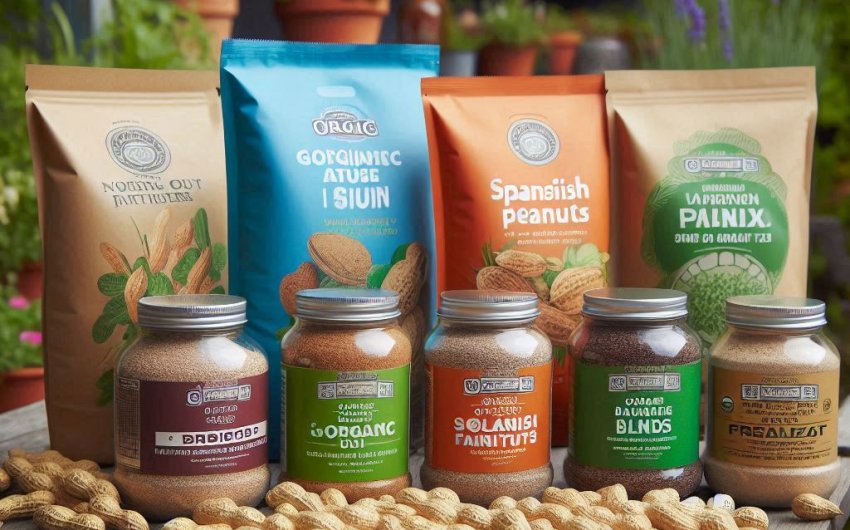
Growing Spanish peanuts can be a truly rewarding experience, offering up those delicious, small, and often reddish-skinned nuts right from your own garden. Unlike some garden plants that seem to grow anywhere, peanuts, and especially Spanish peanuts, have a few specific needs to really thrive and produce a good harvest. Getting the right fertilizer is one of the most important steps to ensure your plants are healthy, vigorous, and loaded with tasty peanuts. It's not just about tossing some general plant food on the ground; it's about understanding what these unique plants truly crave.
Peanuts are not like your average vegetable. They are legumes, which means they have a special relationship with tiny bacteria in the soil. These bacteria help the peanut plant "fix" nitrogen from the air, turning it into a form the plant can use. This means peanuts don't need a lot of added nitrogen in their fertilizer, unlike leafy greens. Instead, they have other nutrient demands that are critical for developing those underground pods. Knowing these specific requirements is key to success. Let's dig into what makes the best fertilizer for Spanish peanuts and how to give your plants exactly what they need for a bountiful yield.
What Do Spanish Peanuts Need to Grow Best?
To pick the best fertilizer for your Spanish peanuts, you first need to understand what they need from the soil. It's like knowing what ingredients go into a good recipe. Peanuts have a few special requirements that make them different from many other garden plants.
What Kind of Soil Do Spanish Peanuts Prefer?
Spanish peanuts absolutely love loose, well-draining, sandy loam soil. Think of the kind of soil you'd find in the southeastern United States, where peanuts are a major crop. This type of soil allows the "pegs" (which are the parts of the flower that grow down into the soil to form the peanuts) to easily penetrate and develop. Heavy, clay soil is a big no-no because it makes it hard for the pegs to enter the ground and for the peanuts to grow properly. If your soil is too heavy, you'll need to loosen it up by adding things like sand or perlite. Good drainage also prevents waterlogging, which can lead to root rot.
What pH is Best for Spanish Peanuts?
The soil pH is super important for Spanish peanuts. They prefer a slightly acidic to neutral pH, ideally between 6.0 and 6.5. This range allows the plant to absorb all the necessary nutrients efficiently. If your soil is too acidic (below 6.0), you might need to add agricultural lime to raise the pH. If it's too alkaline (above 6.5), you might need to add elemental sulfur to lower it. A soil test is the best way to find out your current pH and get recommendations.
Do Spanish Peanuts Need a Lot of Nitrogen?
This is where peanuts are unique. As legumes, Spanish peanuts have a special trick: they can get much of their own nitrogen from the air. This happens through a process called nitrogen fixation, thanks to beneficial bacteria (Rhizobia) that live in nodules on their roots. Because of this, Spanish peanuts don't need a lot of extra nitrogen fertilizer. Too much nitrogen can actually be harmful, leading to lots of leafy growth (foliage) but very few peanuts. This is known as "all vine and no nuts." So, when looking for a fertilizer, you want one with a low nitrogen number.
What Other Nutrients are Important?
While nitrogen isn't a primary concern, other nutrients are absolutely critical for a good peanut harvest.
- Phosphorus (P): This nutrient is essential for strong root development and for flowering. Remember, peanuts flower above ground, then send pegs down to form the nuts. Good phosphorus levels mean good flowers and good pegging.
- Potassium (K): Potassium helps with overall plant health, disease resistance, and is key for developing plump, full peanuts. It's often called the "quality" nutrient.
- Calcium (Ca): This is probably the most critical nutrient for Spanish peanuts, especially for pod development. The pegs absorb calcium directly from the soil where the peanuts are forming. A lack of calcium leads to "pops" – empty or poorly filled peanut shells. This is different from most plants where calcium is absorbed through the roots. For peanuts, it needs to be available right where the pods are developing.
- Micronutrients: Small amounts of micronutrients like boron and magnesium are also important for healthy growth and good yield, but usually, these are needed in much smaller quantities and often found in sufficient amounts in balanced soils.
What is the Best NPK Ratio for Spanish Peanuts?
When you look at a fertilizer bag, you'll see three numbers, like 5-10-10. These represent the percentage of Nitrogen (N), Phosphorus (P), and Potassium (K), always in that order. This is the NPK ratio. For Spanish peanuts, you want a specific balance.
Why is Low Nitrogen Important?
As mentioned, Spanish peanuts fix their own nitrogen. Therefore, a low nitrogen content in your fertilizer is crucial. You don't want the first number (N) to be high. A high nitrogen fertilizer will encourage lush, green leaf growth at the expense of peanut production. This means more leaves and fewer actual peanuts. Aim for a ratio where nitrogen is the lowest number, or even zero.
What Phosphorus and Potassium Levels Are Best?
You want moderate to high levels of phosphorus (P) and potassium (K).
- For phosphorus, aim for a good amount to support those flowers and pegging.
- For potassium, a similar level will help with overall plant vigor and nut development. A common recommendation for Spanish peanuts is a fertilizer with an NPK ratio like 0-10-10, 5-10-10, or 0-20-20. If your soil test shows sufficient nitrogen, 0-10-10 or 0-20-20 is ideal. If your soil is very poor or brand new, a little initial nitrogen from something like 5-10-10 might be okay, but generally, less is more with nitrogen for peanuts.
Do Peanuts Need a Separate Calcium Source?
Yes, Spanish peanuts almost always benefit from a separate calcium source. Even if your soil test shows good calcium levels, it's about where that calcium is available. For peanuts, calcium needs to be in the soil directly surrounding the developing pods (the "pegging zone"). This is usually done by adding gypsum (calcium sulfate) to the soil. Gypsum provides calcium without changing the soil pH significantly, which is important. It's best applied when the plants start to flower and the pegs are beginning to form. Don't skip this step; it's vital for preventing "pops." You can find agricultural gypsum like Oldcastle APG Gypsum at most garden supply stores.
When and How to Fertilize Spanish Peanuts?
Knowing what to use is only half the battle. Knowing when and how to apply fertilizer is just as important for Spanish peanuts. Timing is everything to give your plants the nutrients exactly when they need them.
When to Apply Pre-Planting Fertilizer?
The best time to apply your main fertilizer is before planting your Spanish peanut seeds. This gives the nutrients time to mix into the soil where the young roots can access them.
- Before you plant, spread your chosen NPK fertilizer (like 0-10-10) evenly over the planting area.
- Gently work it into the top 4-6 inches of soil. This ensures the phosphorus and potassium are available in the root zone.
- If you're incorporating compost or well-rotted manure, do this at the same time. Remember, compost adds nutrients and improves soil structure, which peanuts love.
When to Apply Gypsum for Calcium?
This is a critical step for Spanish peanuts. The ideal time to apply gypsum is when your peanut plants begin to flower, which is typically about 40-60 days after planting. This is because the pegs, which form the peanuts, start growing down into the soil around this time, and they absorb calcium directly from the soil around them.
- Sprinkle gypsum around the base of each plant, making sure it's in the soil where the pegs will penetrate.
- A general recommendation is about 1 tablespoon per plant, or a good handful per linear foot of row.
- You can gently scratch it into the top inch or two of soil, but don't dig too deep, as you don't want to disturb the shallow roots or emerging pegs. This calcium application is crucial for full, healthy peanuts and to prevent those frustrating "pops."
Do Spanish Peanuts Need More Fertilizer Later?
Generally, Spanish peanuts do not need a lot of additional fertilizer once they are growing well, especially if you started with good soil preparation and applied gypsum.
- Avoid adding more nitrogen once the plants are established. It will just encourage more vine growth and less peanut production.
- If your soil test indicated very low levels of phosphorus or potassium, a light side-dressing of 0-10-10 or 0-20-20 might be considered around flowering time, but usually, the initial application is sufficient.
- The focus should always be on providing that vital calcium through gypsum during the pegging stage.
What Are the Best Fertilizers for Spanish Peanuts?
Now that you know the principles, let's look at specific types of fertilizers that are ideal for Spanish peanuts. Remember, the goal is low nitrogen, good phosphorus and potassium, and plenty of available calcium in the pegging zone.
What are Good Commercial Fertilizers for Peanuts?
When looking for commercial fertilizers, you'll want to check the NPK ratio.
- 0-10-10 Fertilizer: This is an excellent choice if your soil test shows enough nitrogen, or if you've added compost that provides some nitrogen. It focuses on phosphorus for root and flower development, and potassium for overall plant health and nut quality. A product like Espoma Organic Bone Meal (which is high in phosphorus) combined with a potash source would work, or a pre-mixed 0-10-10.
- 0-20-20 Fertilizer: If your soil is particularly low in phosphorus and potassium, a 0-20-20 blend would provide a stronger dose of these essential nutrients without adding unwanted nitrogen.
- 5-10-10 Fertilizer: If your soil is very poor or you're starting a new garden bed with no existing nutrients, a 5-10-10 could be used as a base fertilizer before planting. The small amount of nitrogen here helps kickstart initial growth, but be careful not to overdo it.
Why is Gypsum Crucial for Peanuts?
Gypsum, which is calcium sulfate, is perhaps the single most important amendment for Spanish peanuts. As discussed, it provides the essential calcium that the developing peanut pods absorb directly from the soil. Without enough calcium in the pegging zone, your peanuts won't fill out properly, leading to empty shells or malformed nuts.
- Look for agricultural gypsum specifically. It's different from drywall gypsum.
- Apply it generously around the plants when flowering begins.
- Popular brands include Oldcastle APG Gypsum or similar products available at garden centers.
Can Organic Amendments Be Used?
Absolutely! Organic amendments are fantastic for building healthy soil, which directly benefits Spanish peanuts.
- Compost: Incorporating generous amounts of well-rotted compost into your soil before planting is always a good idea. Compost improves soil structure, drainage, and slowly releases a wide range of nutrients. It will provide some nitrogen, phosphorus, and potassium, plus many micronutrients.
- Bone Meal: This is a great organic source of phosphorus. If your soil test shows a phosphorus deficiency, adding bone meal before planting is an excellent choice. You can find Espoma Organic Bone Meal easily.
- Greensand or Kelp Meal: These can provide a good organic source of potassium and various micronutrients. Kelp Meal is also known to promote overall plant vigor.
- Dolomitic Lime: If your soil pH is too low (acidic) AND you need magnesium, Dolomitic lime can provide both calcium and magnesium while raising the pH. However, if your pH is already good, stick with gypsum for calcium. When using organic amendments, remember that their nutrients are released slowly as microbes break them down. This is great for long-term soil health.
Common Problems and Solutions for Spanish Peanuts
Even with the best fertilization plan, sometimes things can go wrong. Knowing how to spot and fix common problems can save your Spanish peanut harvest.
What Causes "Pops" or Empty Peanut Shells?
The most common and frustrating problem for peanut growers is "pops," which are empty or poorly filled peanut shells.
- Cause: This is almost always due to a lack of available calcium in the pegging zone where the peanuts are forming. Remember, peanuts absorb calcium directly through the shell, not through their main roots.
- Solution: The best solution is to ensure you apply gypsum when the plants begin to flower and the pegs are starting to form. Make sure the gypsum is spread directly in the soil around the base of the plant, not just broadly over the garden bed. Also, ensure consistent moisture during pegging and pod development, as water helps move calcium to the pegs.
What Causes Lots of Leaves but Few Peanuts?
If your Spanish peanut plants look lush and green with lots of leafy growth, but aren't producing many peanuts, you likely have too much nitrogen.
- Cause: Excess nitrogen encourages vegetative growth (leaves and stems) at the expense of reproductive growth (flowers and nuts).
- Solution:
- Avoid using high-nitrogen fertilizers. Stick to ratios like 0-10-10 or 0-20-20.
- If you've already applied too much, there's not much you can do directly to remove nitrogen, but ensure future applications are low in nitrogen.
- Focus on adding phosphorus, potassium, and especially calcium at the right times to encourage nut development.
What if Leaves are Yellowing?
Yellowing leaves can be a sign of several issues, but if it's not due to overwatering or disease, it could be a nutrient deficiency.
- General yellowing of older leaves: This usually points to nitrogen deficiency, but for Spanish peanuts, this is less common due to their nitrogen-fixing ability, unless your soil is extremely depleted or you've used very little initial nitrogen.
- Yellowing between veins on new leaves (interveinal chlorosis): This often indicates iron deficiency or manganese deficiency. This is more common in alkaline soils where these micronutrients become less available.
- Solution: A soil test is your best friend here. It will pinpoint exactly which nutrient is missing. For micronutrient deficiencies, a liquid micronutrient spray can offer a quick fix while you address soil pH issues if necessary. For iron deficiency in alkaline soils, chelated iron can be very effective.
What if Plants are Stunted?
Overall stunted growth in Spanish peanuts can be a sign of various problems, including poor soil, lack of water, disease, or a nutrient deficiency.
- Cause: It could be a general lack of phosphorus or potassium, or an overall poor growing environment.
- Solution:
- Start with a soil test to check nutrient levels and pH.
- Ensure your soil is loose, well-draining, and that you're watering consistently.
- Make sure you've provided the correct pre-planting fertilizer (0-10-10 or 0-20-20) and applied gypsum at the right time.
- If growing conditions are good, consider if early cold snaps or extreme heat affected growth.
Tips for a Great Spanish Peanut Harvest
Beyond just fertilization, there are other important practices that contribute to a successful Spanish peanut harvest. These tips ensure your plants can fully use the nutrients you provide.
How Important is Proper Watering?
Consistent watering is absolutely critical for Spanish peanuts, especially during flowering, pegging, and pod development.
- Too little water: Drought stress will lead to reduced flowering, poor pegging, and smaller, fewer peanuts. It also makes calcium uptake less efficient, contributing to "pops."
- Too much water: Waterlogged soil can lead to root rot and other fungal diseases, which will severely impact your plant's health and ability to absorb nutrients. Aim for consistently moist, but not soggy, soil. Using a soil moisture meter can help you gauge when to water.
Should I Inoculate My Spanish Peanut Seeds?
While many soils naturally contain the right type of Rhizobia bacteria for Spanish peanuts, if you're growing peanuts for the first time in your garden, or if your soil has been disturbed, inoculating your seeds can ensure healthy nitrogen fixation.
- Inoculation involves coating your peanut seeds with a special powder containing the correct Rhizobia bacteria before planting.
- This ensures the plant forms those vital nitrogen-fixing nodules on its roots.
- You can buy peanut inoculant specifically designed for peanuts and other legumes. It's an inexpensive way to ensure your plants get all the nitrogen they need naturally.
Why is Good Drainage Necessary?
We've talked about it already, but good soil drainage cannot be overstressed for Spanish peanuts.
- Peanuts are susceptible to root rot and fungal diseases in waterlogged conditions.
- More importantly, the pegs need to easily penetrate the soil, and a dense, poorly draining soil will hinder this.
- If your soil is heavy clay, seriously consider amending it with sand, compost, and composted pine bark to improve its structure. Raised beds are also an excellent option for growing peanuts if you have problematic soil.
When to Harvest Spanish Peanuts?
Knowing when to harvest is the final step to enjoying your efforts.
- Spanish peanuts typically mature in about 100-110 days from planting.
- Look for signs of maturity: the foliage will start to yellow and the leaves may begin to drop. This indicates the plant is putting all its energy into filling those last nuts.
- To check for ripeness, dig up a plant or two. The shells should be firm, and the kernels inside should be plump and well-developed. If they're mushy or shriveled, they're not ready or something went wrong.
- Harvest before the first hard frost. Gently dig up the entire plant, shake off loose soil, and hang the plants in a warm, dry, well-ventilated place for a few weeks to cure the nuts before separating them from the plant. This curing process is essential for flavor and storage.