
How to Amend Soil for Optimal Growth of Spanish Peanuts?
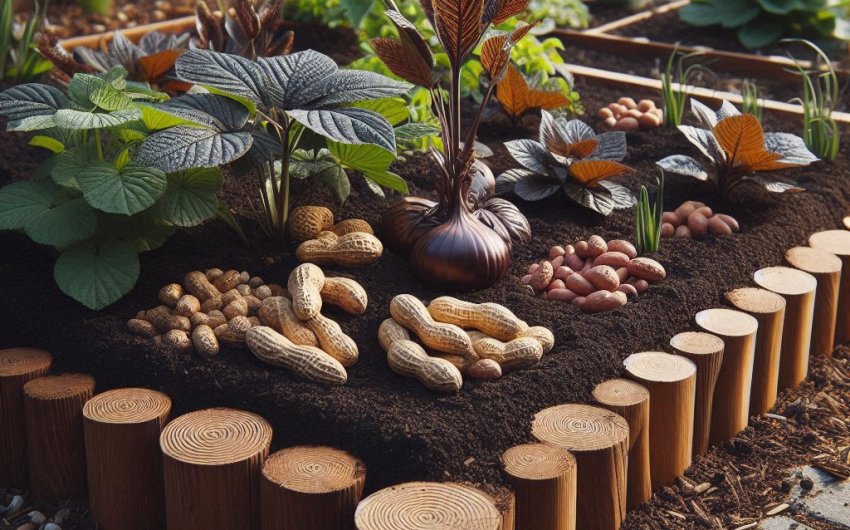
Getting your garden soil just right for Spanish peanuts can feel like a big puzzle. But it's actually quite simple once you know a few key things. Imagine the perfect bed for your peanut plants: loose, well-drained, and full of the good stuff they need to grow big and healthy. This isn't just about throwing some dirt around; it's about creating an ideal environment where those little peanuts can really thrive underground.
Healthy soil means healthier plants, and healthier plants mean a better harvest. We're going to break down how to give your Spanish peanut plants the best start possible by getting their soil just right. From understanding what peanut plants love to knowing exactly what to add, this guide will make you a soil-amending pro.
What Kind of Soil Do Spanish Peanuts Really Love?
Spanish peanuts are a bit picky about their home. They don't like heavy, compact soil. Think of it like trying to sleep on a rock-hard bed versus a soft, fluffy one. For peanuts, that soft, fluffy bed means soil that's loose and sandy.
Why is Sandy Loam the Best for Peanuts?
Sandy loam is the dream soil for Spanish peanuts. It's a mix of sand, silt, and a little bit of clay, with a good amount of organic matter thrown in. The sand keeps the soil loose, allowing the peanut "pegs" (the parts that grow into peanuts) to easily push into the ground. Silt and clay help hold onto water and nutrients, but not so much that the soil gets waterlogged.
If your soil is too heavy, the pegs will struggle to get into the ground, and your peanut harvest will suffer. Water won't drain well, leading to root problems and diseases.
How Does Drainage Affect Peanut Growth?
Good drainage is super important for Spanish peanuts. If water sits around the roots, it can cause them to rot. Peanuts need moisture, but they don't like wet feet. Sandy soil naturally drains well, which is why it's so perfect for them. If your soil holds too much water, you'll need to do some work to improve its drainage.
How Can I Test My Soil to See What It Needs?
Before you start adding things to your soil, it's smart to know what you're working with. Think of it like getting a check-up before starting a new diet. A soil test tells you what nutrients are present and what the pH level is.
What is a Soil pH Level and Why Does it Matter?
The pH level tells you how acidic or alkaline your soil is. The scale goes from 0 to 14, with 7 being neutral. Numbers below 7 are acidic, and numbers above 7 are alkaline. Spanish peanuts prefer a slightly acidic to neutral pH, ideally between 5.9 and 6.5.
If your soil is too acidic or too alkaline, even if nutrients are present, the peanut plants might not be able to take them up. It's like having a fridge full of food, but the door is locked.
You can get a simple soil test kit from a garden store, like the Luster Leaf Rapitest Soil Test Kit. For a more detailed analysis, consider sending a sample to your local agricultural extension office. They can provide a very precise report.
How Do I Know if My Soil Has Enough Nutrients?
The soil test will also tell you about the levels of important nutrients: nitrogen (N), phosphorus (P), and potassium (K), often called N-P-K. These are like the main food groups for plants.
- Nitrogen helps with leafy growth.
- Phosphorus is good for roots and flowering.
- Potassium helps with overall plant health and disease resistance.
Peanuts are special because they are legumes. This means they can take nitrogen from the air and "fix" it in their roots with the help of special bacteria. So, they don't need as much added nitrogen as other plants. However, they do need good levels of calcium and magnesium, especially for the peanuts themselves to form properly.
What Can I Add to My Soil to Make it Perfect for Peanuts?
Once you know what your soil needs, you can start adding the right stuff. This is where the real "amendment" part comes in.
How Can I Improve Soil Drainage and Texture?
If your soil is too heavy and clay-like, you'll need to loosen it up.
Adding Organic Matter
Organic matter is your best friend when it comes to improving soil. This includes things like:
- Compost: This is decomposed plant and animal material. It's like superfood for your soil, improving drainage in clay soils and helping sandy soils hold water better. You can make your own compost or buy bags of Dr. Earth Organic 5 Tomato, Vegetable & Herb Fertilizer with Bone Meal.
- Well-rotted manure: Make sure it's completely decomposed, or it can harm your plants.
- Peat moss: This is good for loosening heavy soils and adding acidity, but use it sparingly as it's not a sustainable resource.
- Aged bark chips or pine needles: These can help loosen soil and add some acidity.
Aim to mix in a good layer of organic matter, about 2-4 inches deep, into the top 6-8 inches of your soil.
Using Sand (With Caution!)
While sandy loam is ideal, just adding sand to heavy clay soil can sometimes make it worse, turning it into something resembling concrete. If your soil is very heavy clay, it's best to rely on a lot of organic matter and possibly gypsum to improve its structure. If your soil is only slightly heavy, adding some coarse construction sand along with a lot of organic matter can help.
How Do I Adjust Soil pH for Peanuts?
If your soil pH is off, you'll need to adjust it.
Raising Soil pH (Making it Less Acidic)
If your soil is too acidic (pH below 5.9), you can raise the pH by adding agricultural lime. Dolomitic lime is often recommended because it also provides calcium and magnesium, which are important for peanuts. The amount to add depends on your current pH and soil type. Your soil test results should give you specific recommendations.
Lowering Soil pH (Making it More Acidic)
If your soil is too alkaline (pH above 6.5), you can lower the pH by adding elemental sulfur or peat moss. Again, the amount depends on your current pH and soil type.
Always follow the instructions on the product packaging and re-test your soil after a few months to see if you've achieved the desired pH.
What Nutrients Do Peanuts Need the Most?
While peanuts fix their own nitrogen, they still need other nutrients to grow well.
Calcium for Strong Shells
Calcium is super important for Spanish peanuts, especially for the quality of the kernels and the strength of the shells. When the peanut pegs go into the soil, they absorb calcium directly from the soil surrounding them. If there's not enough calcium, the peanuts can be "pops" (empty shells) or have underdeveloped kernels.
You can add gypsum (calcium sulfate) to provide calcium without changing the soil pH significantly. This is a good option if your pH is already in the right range. Another option is dolomitic lime if you also need to raise your pH. You can find Espoma Organic Bone Meal for phosphorus and calcium.
Phosphorus and Potassium
While peanuts need less nitrogen, they still benefit from good levels of phosphorus and potassium.
- For phosphorus, bone meal is a great organic option.
- For potassium, greensand or wood ash (use sparingly and only if your soil needs potassium and is acidic, as it raises pH) can be used.
Your soil test will indicate if you're low in these nutrients. If so, you can apply a balanced fertilizer with low nitrogen, or separate sources of phosphorus and potassium.
Micronutrients
Don't forget the micronutrients! These are needed in smaller amounts but are still vital. Boron, zinc, and manganese are particularly important for peanuts. Often, if you have rich organic matter in your soil, you'll have enough of these. If your soil test indicates a deficiency, you can use a trace mineral supplement.
When Should I Amend My Soil?
Timing is everything when it comes to soil amendments.
Preparing Soil Before Planting
The best time to amend your soil is in the fall before planting or at least several weeks before you plan to plant in the spring. This gives the amendments time to break down and mix with the soil. For instance, if you add lime to change pH, it takes time for the chemical reactions to occur.
How to Work Amendments into the Soil
Once you've added your amendments, you need to mix them into the soil.
- Tilling: Use a garden tiller or a broadfork to mix the amendments into the top 6-8 inches of soil. Be careful not to over-till, as it can damage soil structure.
- Hand mixing: For smaller beds, you can use a shovel or spade to thoroughly mix the amendments.
After mixing, level the area and let the soil settle. Watering the bed can help the amendments integrate.
What About During the Growing Season?
Amending soil is mostly done before planting, but there are a few things you can do during the growing season to keep your Spanish peanuts happy.
Top-Dressing with Gypsum
Around the time your peanut plants start flowering and sending out pegs, it's a good idea to top-dress with gypsum. This means sprinkling gypsum around the base of the plants, directly over the area where the pegs will enter the soil. This ensures the pegs have a readily available source of calcium right where they need it most. Use about 1 tablespoon per plant, spread in a 6-inch circle around the stem.
Mulching to Retain Moisture and Suppress Weeds
Applying a layer of mulch around your peanut plants can be very beneficial. Mulch helps:
- Retain soil moisture: This means you won't have to water as often, and the soil temperature will stay more consistent.
- Suppress weeds: Weeds compete with your peanut plants for water and nutrients.
- Add organic matter: As the mulch breaks down, it slowly adds more organic matter to your soil.
Good mulching materials for peanuts include pine needles, straw, or shredded leaves. Avoid using wood chips that are too large, as they can interfere with the pegs getting into the soil.
Are There Any Mistakes to Avoid When Amending Soil?
Yes, there are a few common pitfalls to watch out for.
Over-Fertilizing with Nitrogen
Remember, Spanish peanuts are legumes and can fix their own nitrogen. Adding too much nitrogen will lead to lots of leafy growth but fewer peanuts. It's like eating only dessert; you get energy, but not all the nutrients you need. Focus on phosphorus, potassium, and especially calcium.
Not Testing Your Soil
Skipping the soil test is a big mistake. You might add amendments your soil doesn't need, or miss something crucial it does need. A soil test takes the guesswork out of it and saves you time and money in the long run.
Working Wet Soil
Never work in your garden soil when it's very wet. This can compact the soil, destroying its structure and making it harder for the peanuts to grow. Wait until the soil is moist but crumbly. You can test this by squeezing a handful of soil. If it forms a tight ball, it's too wet. If it crumbles easily, it's ready to work.
Neglecting Good Soil Practices Long-Term
Amending your soil is not a one-time thing. Good soil health is an ongoing process. Continue to add organic matter each year, rotate your crops, and avoid compacting your soil. These practices will ensure your soil stays healthy and productive for many seasons of delicious Spanish peanuts.