
How Do I Maintain a Worm Farm for Continuous Vermicomposting?
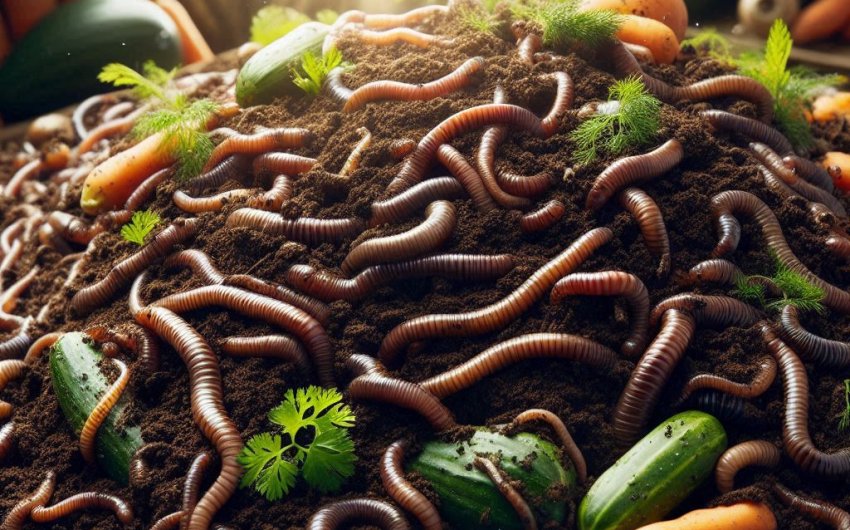
Starting a worm farm is a fantastic way to turn kitchen scraps into rich, nutrient-filled fertilizer for your plants. It's an eco-friendly practice that reduces waste and provides a continuous supply of "black gold" for your garden. But a worm farm isn't a "set it and forget it" system. Like any living ecosystem, it requires a bit of regular attention to thrive. Think of yourself as the caretaker of a bustling underground city.
The key to success is knowing how to maintain a worm farm for continuous vermicomposting. This means keeping your worm residents happy, healthy, and productive. When your worms are content, they'll diligently munch through your organic waste, producing valuable worm castings and nutrient-rich "worm tea." This guide will walk you through the essential steps, common challenges, and simple solutions to ensure your worm farm flourishes, providing you with a steady stream of garden gold.
What Are the Basics of a Healthy Worm Farm?
A successful worm farm is built on providing the right environment for your hard-working composting worms.
What Kind of Worms Do I Need?
You cannot use just any worms from your backyard. You need specific types of composting worms.
- Red Wigglers (Eisenia fetida): These are the most common and best choice for a worm farm. They are voracious eaters, tolerate a wide range of temperatures, and reproduce quickly. They are excellent at processing kitchen scraps. You can buy red wiggler composting worms online or from specialty suppliers.
- European Nightcrawlers (Eisenia hortensis): These are larger than red wigglers and can also be used for composting, though they are slower eaters. They are often preferred by anglers for fishing bait. They can also go deeper into compost piles.
Do not use common garden earthworms (Lumbricus terrestris). They are deep-burrowing worms that prefer mineral soil and are not efficient at composting organic waste in a contained bin.
What Kind of Bin Do I Need?
A good worm composting bin needs to be well-ventilated, easy to access for feeding and harvesting, and ideally stackable for continuous harvesting.
- Plastic Bins: Many commercially available worm bins are made of plastic. They are durable, retain moisture well, and are relatively inexpensive. Look for ones with multiple trays or compartments. A worm compost bin often comes with multiple tiers.
- Wooden Bins: Can be built from untreated wood. They breathe well but may degrade over time.
- DIY Bins: You can create your own worm bin from plastic storage totes by drilling drainage and ventilation holes.
Regardless of the type, the bin must have:
- Drainage: Holes at the bottom to allow excess liquid (often called "worm tea" or "leachate") to drain. This prevents the bin from becoming waterlogged and anaerobic.
- Ventilation: Holes (covered with mesh to keep pests out) along the sides or lid to allow air circulation. Worms are aerobic (need oxygen).
- Opaque Sides: Worms are sensitive to light and prefer darkness.
What Do Worms Need to Eat (Food Scraps)?
Worms will eat a variety of organic materials, but some are better than others.
- Yes, Feed Them These (Greens):
- Fruit and vegetable scraps (peels, cores, wilted greens)
- Coffee grounds (and filters)
- Tea bags (staples removed)
- Bread scraps (in moderation)
- Crushed eggshells (provide grit for digestion and calcium)
- Yes, Feed Them These (Browns):
- Shredded newspaper (black and white ink only)
- Shredded cardboard (plain, non-glossy)
- Dried leaves
- Small amounts of sawdust (from untreated wood)
- Cardboard egg cartons
- No, Avoid These (or Use in Moderation):
- Meat, Bones, Dairy, Oily Foods: These can attract pests (like rodents, flies) and produce foul odors as they decompose. They can also harm the worms.
- Citrus Peels: Small amounts are okay, but large quantities can make the bin too acidic.
- Onions, Garlic: Can be irritating to worms and produce strong odors.
- Pet Waste: Can contain pathogens harmful to humans.
- Diseased Plants: Can spread disease to healthy plants when castings are used.
- Heavily Processed Foods: High in salt, sugar, or preservatives that worms don't like.
Remember, chop food scraps into smaller pieces. Smaller pieces break down faster, making it easier for worms to eat.
How Do I Maintain the Right Conditions in My Worm Farm?
Keeping your worm farm healthy is about balance: the right moisture, temperature, and feeding routine.
What Is the Ideal Moisture Level for a Worm Farm?
Moisture is critical. The bedding and food scraps should be consistently moist, like a wrung-out sponge.
- Too Wet: If it's too wet, the bin becomes anaerobic (lacking oxygen), which can kill worms and cause foul odors. The bedding will look soggy, and you'll see a lot of liquid collecting at the bottom.
- Too Dry: If it's too dry, worms will become sluggish, try to escape, or even die. The bedding will feel crumbly and light.
- Checking Moisture: Squeeze a handful of bedding. A few drops of water should come out.
- Adjusting Moisture:
- Too Wet: Add more dry "brown" materials like shredded newspaper or cardboard. Gently fluff the bedding to increase air circulation.
- Too Dry: Lightly mist the bedding with pure water (rainwater or dechlorinated tap water) or add some moist food scraps. A garden spray bottle works well for misting.
What Temperature Do Worms Prefer?
Composting worms are sensitive to extreme temperatures.
- Ideal Range: They thrive in temperatures between 55-77°F (13-25°C).
- Too Hot: Above 85°F (29°C), worms can become stressed and die.
- Too Cold: Below 40°F (4°C), they become inactive and stop composting. Freezing temperatures will kill them.
- Placement: Keep your worm bin indoors (kitchen, garage, basement, laundry room) or in a sheltered outdoor spot (covered patio, shed) where temperatures remain stable. Avoid direct sunlight.
- Winter Protection: In cold climates, insulate outdoor bins with straw or blankets, or bring them indoors. In hot climates, place bins in the shadiest, coolest spot possible, and consider burying them slightly to moderate temperature.
How Much and How Often Should I Feed My Worms?
This is where many beginners go wrong – usually by overfeeding.
- Start Small: When you first set up your bin, start with a small amount of food. Your worms need time to settle in and adjust.
- Observe: The best way to know how much to feed is to observe. Wait until the worms have mostly processed the last meal before adding more. You should see a mix of finished castings and some identifiable food scraps.
- General Guideline: A healthy worm population can eat about half its weight in food per day. If you start with 1 pound of worms, they can eat about 0.5 pounds of food daily. As the population grows, they will eat more.
- Bury Food: Always bury food scraps just beneath the surface of the bedding. This deters fruit flies and other pests, and encourages worms to move around. Dig a small hole, drop in the food, and cover it with bedding. Rotate feeding spots in the bin.
- Balanced Diet: Provide a mix of "greens" (food scraps) and "browns" (shredded paper, cardboard) to ensure a balanced diet for the worms.
- No Sudden Large Amounts: Avoid adding large quantities of food all at once, as this can lead to anaerobic conditions and odor.
What is the Importance of Bedding?
Bedding is the living environment for your worms. It's where they live, burrow, and begin to break down food.
- Materials: Ideal bedding materials include shredded newspaper (black and white ink only), shredded cardboard, aged leaves, coconut coir, or peat moss.
- Moisture: Bedding should be pre-moistened to the consistency of a wrung-out sponge when you set up the bin.
- Aeration: Fluff up the bedding every few weeks to keep it airy and prevent compaction.
- Replenishing: As worms eat the bedding (it's carbon for them), you'll need to add fresh bedding over time.
How Do I Harvest Worm Castings and Worm Tea?
The fruits of your worm farm labor are rich worm castings (the finished compost) and worm tea (liquid leachate).
How Do I Harvest Worm Castings?
There are a few methods for harvesting the solid castings:
1. The Migration Method (Most Common for Stackable Bins)
- For multi-tray systems: When the bottom tray is full of finished castings and fewer active worms, simply add new bedding and food scraps to the tray above it.
- Worms Move Up: Over a few weeks, the worms will migrate upwards through the holes in the bottom of the new tray, moving towards the fresh food.
- Harvest: Once the bottom tray is mostly worm-free (or contains only a few stragglers), you can remove it and harvest the finished castings.
- Time: This method can take a few weeks or even months per tray, depending on feeding and worm activity.
2. The "Dump and Sort" Method
- For single-bin systems: Empty the entire contents of your worm bin onto a large plastic sheet or tarp in a well-lit area (worms avoid light).
- Cone Method: Form the pile into several small cones. As the worms burrow deeper to escape the light, gently scrape off the top layers of finished castings.
- Repeat: Keep scraping off the top layers until you are left with mostly worms at the bottom of each cone. Collect the worms and return them to the cleaned bin with fresh bedding.
- Time: Can be done in a single session, but requires more manual sorting.
3. The "Side-to-Side" Method
- For single-bin systems: Push all the contents to one side of the bin.
- Add New Bedding: Fill the empty side with fresh bedding and food scraps.
- Worms Migrate: Over a few weeks, the worms will migrate to the new, fresh side.
- Harvest: Once the old side is mostly worm-free, you can harvest the castings.
What Is Worm Tea (Leachate) and How Do I Use It?
Worm tea (or leachate) is the liquid that drains from the bottom of your worm bin.
- Collection: Many worm bins have a spigot at the bottom for easy collection.
- Use Caution: While it's nutrient-rich, this liquid is essentially water that has passed through the compost and may contain some dissolved nutrients and microbes. However, it's NOT the same as actively brewed compost tea and can sometimes contain anaerobic bacteria if the bin is too wet.
- Dilution: Always dilute worm tea heavily (1 part tea to 10 parts water, or even more) before using it on plants.
- Use Immediately: Use collected worm tea within 24 hours, as it can quickly become anaerobic and smelly.
- Alternative: If your bin is healthy and has good moisture, you shouldn't have excessive leachate. Some worm farmers prefer not to collect or use it, focusing solely on the castings.
How Do I Use Worm Castings?
Worm castings are an incredible natural fertilizer and soil amendment.
- Soil Amendment: Mix into garden beds when preparing for planting.
- Top Dressing: Sprinkle a layer of castings around the base of existing plants (indoor or outdoor).
- Seed Starting Mix: Add a small amount to your seed starting mix.
- Compost Tea (Brewed): You can "brew" an aerobic compost tea by steeping castings in aerated, dechlorinated water for 24-48 hours. A compost tea brewer can help with this.
What Are Common Worm Farm Problems and How Do I Fix Them?
Even experienced worm farmers encounter issues. Here's how to troubleshoot.
Problem: Bad Odor
- Cause: Often indicates anaerobic conditions (lack of oxygen), usually due to overfeeding (especially with meat/dairy) or too much moisture.
- Solution:
- Stop feeding for a few days.
- Add more dry, shredded "brown" materials (newspaper, cardboard).
- Gently fluff the bedding with a hand cultivator or garden fork to increase air circulation.
- Remove any rotting food that smells particularly foul.
- Ensure proper drainage in your bin.
Problem: Fruit Flies
- Cause: Exposed food scraps, especially fruit and vegetable peels.
- Solution:
- Always bury food scraps completely under a layer of bedding.
- Don't add too much food at once.
- Avoid high-sugar foods like melons in large quantities.
- If flies persist, add a layer of shredded paper or a moist newspaper sheet over the top surface of the bedding to act as a barrier. A fruit fly trap can also help reduce existing populations.
Problem: Worms Escaping
- Cause: Something is wrong in the bin: too wet, too dry, too hot, too cold, too acidic, or too much uneaten food.
- Solution: Check temperature, moisture, and feeding levels. Adjust as needed. Worms will try to escape if conditions are not ideal. They might also try to escape a brand new bin for the first day or two as they settle in; just put them back gently.
Problem: Mites or Other Pests
- Cause: Mites are usually harmless decomposers and indicate good conditions. If they become overwhelming, it's often due to too much moisture or too much uneaten food. Ants can be attracted by sweet foods.
- Solution:
- Mites: Reduce moisture, reduce feeding, and add more dry bedding.
- Ants: Elevate the bin legs in small containers of water (like a moat) to prevent ants from climbing in. Avoid food scraps that ants love.
Problem: No Castings Being Produced (or Very Slowly)
- Cause: Worms aren't eating much, usually due to:
- Too few worms for the amount of food you're adding.
- Temperature too cold or too hot.
- Bedding too dry or too wet.
- Lack of grit (crushed eggshells help their digestion).
- Bin is too new (they need time to establish).
- Solution: Check environmental conditions. Add a handful of crushed eggshells. Be patient. If your population is too small, consider adding more worms.
Learning how to maintain a worm farm for continuous vermicomposting is a journey of observation and adjustment. By providing the right food, moisture, and temperature, and addressing problems promptly, you'll be able to keep your worm residents happy and productive, ensuring a steady supply of nutrient-rich castings for your thriving garden.