
How Can I Compost Manure Safely for Use in an Organic Garden?
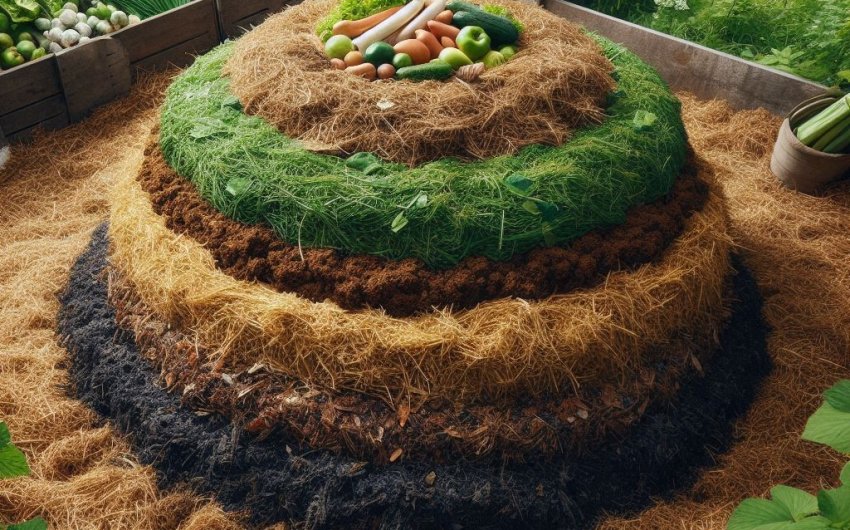
For centuries, gardeners have recognized the immense value of manure as a potent natural fertilizer and soil amendment. Rich in essential nutrients and organic matter, it has the power to transform tired, unproductive soil into a vibrant, fertile foundation for robust plant growth. However, direct application of fresh manure to an organic garden comes with significant risks, potentially harming plants and posing health hazards. This is where the crucial process of composting manure steps in, unlocking its full potential while neutralizing its drawbacks.
Composting manure safely is a cornerstone of sustainable, organic gardening. It transforms raw animal waste into a stable, nutrient-rich, and pathogen-free soil conditioner, often referred to as "black gold." This process isn't just about waiting; it's about actively managing conditions to encourage beneficial microbial activity that breaks down harmful compounds, kills weed seeds, and renders pathogens inactive. By mastering the art of manure composting, you can tap into a powerful, free resource to supercharge your organic garden, ensuring bountiful harvests while maintaining ecological balance and garden safety.
Why is Composting Manure Necessary for Organic Gardens?
While fresh manure is rich in nutrients, it comes with several risks that make composting it essential for safe and effective use in an organic garden.
What are the Dangers of Using Fresh Manure?
Applying fresh (raw, uncomposted) manure directly to your garden can cause several problems:
- Pathogens: Fresh manure can contain harmful bacteria (like E. coli, Salmonella), viruses, and parasites that can cause human illness. These can contaminate edible crops, especially leafy greens and root vegetables, if consumed.
- Ammonia Burn: Fresh manure is very high in soluble nitrogen, often in the form of ammonia. This concentrated nitrogen can "burn" plant roots and foliage, turning them yellow or brown, and even killing young plants.
- Weed Seeds: Animals consume seeds, and many pass through their digestive system unharmed. Fresh manure is often full of viable weed seeds, which you would then be introducing directly into your garden, leading to a frustrating weeding problem.
- Strong Odor: Fresh manure (especially from certain animals) can have a strong, unpleasant odor, making your garden less enjoyable for you and your neighbors.
- Nutrient Imbalance: The nutrients in fresh manure are quickly released, which can lead to an imbalance, and much of the nitrogen can be lost through leaching or volatilization (turning into gas) before plants can use it.
How Does Composting Manure Make it Safe?
Composting is a controlled biological process that transforms raw organic materials into a stable, nutrient-rich, and safe product.
- Pathogen Kill: During hot composting, the internal temperatures of the compost pile (ideally 130-160°F or 54-71°C) are high enough to kill most harmful bacteria, viruses, and parasites. This is known as pathogen inactivation.
- Weed Seed Kill: The sustained high temperatures in a properly managed hot compost pile also kill most weed seeds, preventing them from sprouting in your garden.
- Stabilizes Nutrients: Composting breaks down complex organic compounds into simpler, more stable forms. This converts raw, quickly available nitrogen (ammonia) into more stable forms that are released slowly to plants, preventing burn and reducing nutrient loss.
- Odor Reduction: A properly managed compost pile with good aeration will decompose efficiently and significantly reduce unpleasant odors.
- Improved Structure: The finished compost is a homogeneous, crumbly material (humus) that significantly improves soil structure, aeration, and water retention. A compost thermometer helps ensure temperatures are high enough to kill pathogens and weed seeds.
What are the Benefits of Composted Manure for Soil and Plants?
Composted manure is a powerhouse for an organic garden.
- Rich in Nutrients: Provides a balanced array of essential plant nutrients, including nitrogen, phosphorus, potassium, and numerous micronutrients, in a slow-release form.
- Boosts Soil Organic Matter: Adds abundant organic matter to the soil, which is the backbone of soil health. This improves soil structure, increases water retention in sandy soils, and improves drainage in clay soils.
- Enhances Soil Biology: Feeds and fosters a thriving soil food web (beneficial bacteria, fungi, earthworms), which are crucial for nutrient cycling, suppressing plant diseases, and improving overall soil fertility.
- Reduces Compaction: Contributes to a crumbly soil structure that resists compaction.
- Improved Plant Growth: Healthier soil leads to stronger root development, increased plant vigor, and ultimately, higher yields of fruits, vegetables, and flowers. A bag of composted manure can offer instant benefits.
What Kinds of Manure Can I Compost?
Not all manure is created equal. Understanding the source is important for safe composting.
Is All Animal Manure Safe for Composting?
Most animal manure from common farm animals can be composted, but some require extra caution or should be avoided.
- Safe to Compost:
- Horse Manure: Very common, heats up well, usually mixed with bedding like straw.
- Cow Manure: Often contains less bedding, but still good.
- Chicken Manure: High in nitrogen, needs to be well-balanced with "browns."
- Rabbit Manure: Smaller pellets, easier to handle, less likely to contain weed seeds.
- Goat/Sheep Manure: Good balanced nutrients.
- Use with Caution/Avoid:
- Pig Manure: Can contain specific pathogens. Requires very hot composting (above 140°F / 60°C for longer periods) to ensure safety. Some sources recommend avoiding it for home composters.
- Dog/Cat Manure: Can contain harmful pathogens and parasites specific to humans. DO NOT compost dog or cat waste in a home compost pile intended for garden use, especially for edible crops.
- Human Manure (Night Soil): Very dangerous due to human pathogens. DO NOT compost human waste for gardening purposes without highly specialized, industrial-scale composting systems.
What is the Importance of the Animal's Diet and Medications?
This is a critical consideration for organic gardeners when sourcing manure.
- Herbicide Contamination: The biggest concern is manure from animals that have grazed on pastures or been fed hay treated with persistent herbicides, particularly those in the aminopyralid or clopyralid families (often found in broadleaf weed killers for pastures). These herbicides can pass through the animal's digestive system unharmed and remain active in the manure, even after composting. If this contaminated manure is used in your garden, it can damage or kill sensitive broadleaf plants like tomatoes, potatoes, beans, peas, and many ornamentals. This is often called "herbicide carryover."
- Prevention: Always ask the manure source (farmer, stable owner) if their animals graze on treated pastures or are fed treated hay. Look for certifications or assurances that no persistent herbicides were used. This is why obtaining organic cow manure from reputable sources is safer.
- Medications: While less common for home composting, some animal medications (e.g., antibiotics) can theoretically pass into manure. For a truly organic approach, sourcing manure from organically raised animals is ideal.
Should I Use Aged Manure or Fresh Manure for Composting?
- Aged Manure: If you can get manure that has already been piled up for a few months (aged or "cured" manure), it's a good starting point. Some of the immediate ammonia burn risk is reduced, and some weed seeds may have died. However, it likely hasn't reached pathogen-killing temperatures, so it still needs to be properly composted before use, especially for edibles.
- Fresh Manure: This is ideal for hot composting because its high nitrogen content helps kickstart the microbial activity and bring the pile to high temperatures quickly. You'll need to balance it with plenty of "brown" (carbon-rich) materials.
What is Hot Composting and Why is it Best for Manure?
Hot composting is the preferred method for composting manure because it quickly creates the high temperatures needed for safety and efficiency.
What are the "Greens" and "Browns" in Composting Manure?
A successful compost pile relies on the right balance of nitrogen-rich ("greens") and carbon-rich ("browns") materials.
- Manure as a "Green": Manure is primarily a "green" material because it's rich in nitrogen. However, its exact C:N (carbon to nitrogen) ratio depends on the animal and how much bedding (a "brown") is mixed in. Fresh chicken manure is very high in nitrogen.
- "Brown" Materials: You need to balance the high nitrogen of manure with plenty of "brown" (carbon-rich) materials.
- Examples: Straw, dried leaves, wood chips, shredded paper, cardboard, sawdust (untreated).
- Ratio: Aim for a ratio of roughly 2 parts brown to 1 part green by volume (e.g., 2 wheelbarrows of leaves to 1 wheelbarrow of manure). This balance encourages rapid decomposition and hot temperatures. A bale of organic straw for gardening is a great carbon source.
How Do I Build a Hot Compost Pile with Manure?
Building a hot compost pile ensures the temperatures necessary to kill pathogens and weed seeds.
- Size Matters: A compost pile needs to be a certain size to generate and hold heat effectively. Aim for a minimum size of about 3x3x3 feet (1 cubic meter). Larger piles generally get hotter and stay hot longer.
- Layering: Build the pile in layers. Start with a base of coarse brown material (like twigs or straw) for aeration. Then alternate thin layers of manure ("greens") with thicker layers of "browns."
- Moisture: As you build, lightly moisten each layer. The pile should be damp like a wrung-out sponge – moist but not soggy. Use a garden hose with a nozzle for easy wetting.
- Aeration: Ensure good air circulation. Don't compact the layers too much. The mix of coarse browns helps create air pockets.
What Temperature Should the Compost Pile Reach?
- Pathogen Kill Temperature: For safe manure composting, the pile must reach and maintain temperatures between 130°F to 160°F (54°C to 71°C).
- Monitoring: Use a long-stemmed compost thermometer to monitor the internal temperature. Insert it into the center of the pile.
- Duration: The pile needs to stay within this temperature range for a minimum duration. For home composting, turning the pile regularly helps redistribute heat and ensures all parts of the pile reach the target temperature.
How Often Should I Turn the Compost Pile?
Turning the compost pile is essential for hot composting manure.
- Aeration: Turning introduces oxygen into the pile, which is vital for the aerobic microbes that generate heat and break down materials efficiently. Without turning, the pile can become anaerobic (stinky and slow).
- Even Heating: Turning mixes the outer, cooler layers into the hot core and brings the hot core materials to the outside, ensuring all parts of the pile are exposed to pathogen-killing temperatures.
- Frequency: For truly hot composting, turn the pile every few days (e.g., every 3-5 days) after it has reached peak temperature. You'll notice the temperature drop after turning, but it should quickly rebound within a day or two if the moisture and green/brown ratio are correct. A compost aerator tool can make turning easier.
How Do I Ensure Safety and Quality of My Composted Manure?
Beyond temperature, adherence to guidelines and careful observation are crucial for safe and effective composted manure.
What are the Regulations for Using Manure in Organic Gardens?
For certified organic operations, the USDA National Organic Program has specific rules. For home gardeners following organic principles, it's good to be aware of the "rules of thumb" to ensure food safety:
- Raw Manure Application: If you must use raw (uncomposted) manure, do not apply it within 90 days of harvesting edible crops where the edible part does not touch the soil (e.g., corn, tomatoes). For crops where the edible part does touch the soil (e.g., leafy greens, carrots, radishes), extend that to 120 days before harvest. This long waiting period helps sunlight and natural processes break down pathogens.
- Composted Manure: Properly hot-composted manure (that meets specific temperature and turning criteria) can be applied any time, even on the day of planting, because the pathogens have been inactivated. This is why composting is highly recommended.
- Contaminated Manure: If you suspect herbicide contamination, it's best to avoid using that manure on edible crops entirely, or use it only on ornamental beds (and even then, test a small area first).
How Long Does Manure Composting Take?
- Hot Composting: A properly managed hot compost pile with the correct balance of greens, browns, and moisture, and frequent turning, can produce finished compost in as little as 4-8 weeks.
- Cold Composting: If you're simply piling manure without turning, or in cool conditions, it's a slower "cold composting" process. This can take 6-12 months or even longer. While it will eventually break down, it may not reach temperatures high enough to kill all pathogens or weed seeds, so a longer aging period is crucial for safety.
- Maturity (Curing): Even after the hot composting phase, many gardeners let the compost "cure" or mature for another few weeks to a month. This stabilization process ensures all materials are fully broken down and creates the rich, earthy smelling humus.
How Do I Know When Compost is Ready to Use?
Finished composted manure (or any compost) should meet specific criteria:
- Smell: It should have a pleasant, earthy smell, like forest soil. It should NOT smell like ammonia, rotten eggs, or putrid.
- Appearance: It should be dark brown or black, crumbly, and homogeneous. You should no longer be able to distinguish the original materials (like straw, manure clumps, or leaves).
- Temperature: It should be cool to the touch and roughly the same temperature as the outside air. If it's still warm in the middle, it's still actively composting and needs more time.
- Texture: It should feel light and airy, not heavy or soggy. A compost sifter can help refine the texture.
What About Potential Herbicide Contamination?
This is a serious issue that gardeners must be vigilant about.
- Source Your Manure Carefully: As emphasized, the best prevention is to know your source. Ask about the animals' diet and any herbicides used on their feed or pasture.
- Bioassay Test: If you suspect contamination, perform a bioassay test.
- Fill several small pots with your finished composted manure.
- Plant a few sensitive broadleaf plants (e.g., beans, peas, tomatoes, lettuce, marigolds) in these pots.
- Plant a control group of the same seeds in pots filled with a known clean potting mix.
- Observe growth over 2-4 weeks. If the plants in the composted manure show symptoms like cupped leaves, distorted growth, stunted roots, or fail to germinate, the compost is likely contaminated.
- Contaminated Compost Use: If contaminated, do NOT use it on edible broadleaf crops. It might be safe for grass, conifer trees, or some woody ornamental shrubs, but it's risky.
What Are Practical Tips for Composting Manure at Home?
Setting up a successful manure composting system at home is achievable with proper planning.
What Kind of Compost Bin is Best for Manure?
- Size: A large compost bin (minimum 3x3x3 feet) is best for hot composting manure, as it helps the pile retain heat.
- Types:
- Three-Bin System: Allows you to have one pile actively composting, one curing, and one for adding new materials. Great for larger volumes.
- Wire Mesh Bins: Inexpensive and provide good airflow, but can dry out quickly.
- Pallet Bins: Easy to construct from recycled pallets, offering good size and airflow.
- Tumblers: Convenient for turning, but often too small to reach and maintain high temperatures consistently for effective pathogen kill, especially with large amounts of manure. Not ideal for truly safe manure composting unless very large. An outdoor compost bin for larger volumes.
- Location: Place your compost bin in a convenient spot, ideally in partial shade (to prevent drying out too quickly), but not in a hidden corner that gets ignored. Ensure it's not too close to your house or neighbor's property due to potential odors.
How Do I Balance the "Greens" and "Browns" with Manure?
- Ratio is Key: For hot composting, the ideal carbon-to-nitrogen (C:N) ratio is roughly 25-30 parts carbon to 1 part nitrogen.
- Manure Variable: Manure itself varies widely. Fresh chicken manure is very high in nitrogen. Horse manure with lots of straw is more balanced.
- Practical Approach: For home composting, aim for roughly 2 parts "brown" material (by volume) for every 1 part "green" material (manure). Adjust as you learn. If your pile smells like ammonia, add more browns. If it's not heating up, add more greens (or more fresh manure) and turn it.
- Diverse Inputs: Mix in other compostable materials like kitchen scraps (greens), grass clippings (greens), leaves (browns), and shredded paper/cardboard (browns) to create a diverse and balanced pile. A garden shredder can help with browns.
What Tools Will I Need for Composting Manure?
- Compost Bin: As discussed above.
- Compost Thermometer: Essential for monitoring temperatures and ensuring safety.
- Pitchfork or Compost Aerator: For turning the pile. A compost turning tool makes the job easier.
- Water Source/Hose: To moisten the pile as you build and turn it.
- Wheelbarrow or Cart: For moving materials to and from the pile. A heavy-duty wheelbarrow is invaluable.
- Gloves: For hygiene.
- Shovel: For scooping and mixing.
What Are the Environmental Benefits of Composting Manure?
Beyond gardening, manure composting contributes positively to the environment.
How Does it Reduce Greenhouse Gas Emissions?
- Methane Reduction: When fresh manure is left in large piles or managed anaerobically (without oxygen), it produces methane (CH4), a potent greenhouse gas much more impactful than CO2. Proper composting ensures aerobic decomposition, significantly reducing methane emissions.
- Carbon Sequestration (indirectly): By creating stable humus that improves soil health, composted manure contributes to the soil's ability to sequester (store) carbon from the atmosphere.
What is its Role in Nutrient Recycling and Water Protection?
- Nutrient Cycling: Composting manure is a perfect example of circular economy in gardening. It takes a waste product (manure) and transforms it into a valuable resource, returning nutrients to the soil where they can be reused by plants.
- Reduced Runoff: When applied as fresh manure, excess nutrients can run off into waterways. Composted manure's stable form is less prone to leaching and runoff, protecting local water quality.
- Reduced Need for Synthetic Fertilizers: By providing a rich, natural source of nutrients, composted manure reduces the need for synthetic chemical fertilizers, minimizing their associated environmental impacts (energy consumption in manufacturing, pollution from runoff).
How Does it Improve Soil Resilience?
- Drought Resistance: Soil amended with composted manure has improved water-holding capacity, making it more resilient to dry spells and reducing the need for irrigation.
- Disease Suppression: A healthy, biologically active soil, fostered by compost, can naturally suppress some plant diseases, leading to healthier plants without chemical interventions.
- Erosion Control: Improved soil structure from compost makes soil less prone to erosion by wind and water.
By embracing the safe and effective practice of composting manure, you can transform a potential waste product into a powerful asset for your organic garden, fostering vibrant plant life, building healthy soil, and contributing to a more sustainable and resilient environment.