
Can I Compost Food Waste from Restaurants or Commercial Kitchens?
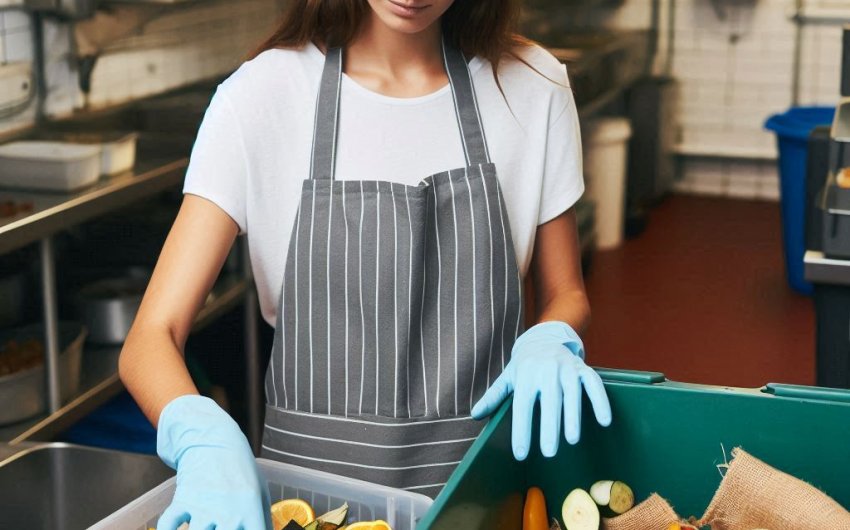
Managing organic refuse effectively is a growing challenge for businesses, and for restaurants and commercial kitchens, this often means dealing with substantial amounts of food scraps. The good news is that these seemingly waste materials can be transformed into a valuable resource through composting. Exploring the potential for composting food waste from restaurants or commercial kitchens offers a sustainable solution to reduce landfill burden, create nutrient-rich soil amendments, and even save on disposal costs. It's a practice that benefits both the environment and the bottom line, but it does come with its own set of considerations and requirements.
Why is Composting Commercial Food Waste Important?
The sheer volume of food waste from restaurants or commercial kitchens is staggering. A significant portion of what ends up in landfills from these establishments is organic material that could be composted. Diverting this waste has a massive positive impact on the environment and can also offer economic advantages. It's a proactive step towards a more sustainable food system.
What Environmental Benefits Does It Offer?
Composting commercial food waste delivers numerous environmental advantages:
- Reduces Landfill Volume: Food waste takes up valuable space in landfills. By composting it, businesses drastically reduce the amount of waste they send to landfills, extending the life of these facilities. This is a primary driver for many commercial composting solutions.
- Lowers Methane Emissions: When organic matter breaks down in oxygen-starved landfills, it produces methane, a potent greenhouse gas that is much more impactful than carbon dioxide in warming the planet. Composting, which is an aerobic (oxygen-present) process, produces significantly less methane. This directly contributes to combating climate change.
- Creates Valuable Soil Amendment: The end product of composting is compost, a dark, rich, crumbly material full of beneficial microorganisms. This compost can be used to enrich soil in gardens, farms, and landscaping, improving soil structure, water retention, and nutrient availability. It reduces the need for chemical fertilizers.
- Conserves Resources: By turning waste into a resource, composting closes the loop in the food system. It conserves energy and resources that would otherwise be used to produce new fertilizers or dispose of waste.
- Reduces Pollution: Less waste in landfills means less leachate (the liquid that seeps through decomposing waste) contaminating groundwater and fewer emissions polluting the air.
Are There Economic Advantages for Businesses?
Beyond the environmental benefits, composting food waste from restaurants or commercial kitchens can also make good financial sense for businesses:
- Reduced Waste Disposal Costs: Landfill tipping fees can be expensive, especially for large volumes of waste. By diverting organic waste to composting, businesses can significantly reduce their trash collection frequency and volume, leading to lower waste hauling bills. Many waste haulers charge per pound or per dumpster pull, so less volume equals more savings.
- Potential Revenue from Compost: While not always the primary goal for restaurants, large-scale commercial composting facilities might be able to sell the finished compost, creating a new revenue stream. Even if a restaurant uses the compost for its own landscaping, it saves money on purchasing soil amendments.
- Improved Public Image and Customer Loyalty: Consumers are increasingly valuing sustainability. Businesses that publicly commit to composting and other green practices can attract environmentally conscious customers, enhance their brand reputation, and foster positive public relations. Highlighting efforts like restaurant food waste recycling can be a great marketing tool.
- Compliance with Regulations: In some regions, laws are being enacted that mandate organic waste diversion for businesses. Implementing a composting program helps businesses comply with these regulations, avoiding potential fines.
- Employee Engagement: Implementing a composting program can boost employee morale as staff feel they are contributing to a positive environmental initiative. Training staff on sorting can lead to better overall waste management practices.
What Types of Food Waste Can Be Composted?
The good news is that a vast majority of the organic waste produced by restaurants and commercial kitchens can be composted. However, there are some important distinctions and considerations about what's ideal for composting and what should be avoided, especially in larger-scale operations. Understanding this is key to a successful commercial composting program.
What Are "Green" (Nitrogen-Rich) Materials?
In composting, "green" materials are those rich in nitrogen. They are typically moist and help kickstart the decomposition process. Food scraps are a prime example of green materials.
- Fruit and Vegetable Scraps: This includes peels, cores, ends, spoiled produce, and plate scrapings of fruits and vegetables. These are perfect for composting and make up a large portion of restaurant waste.
- Coffee Grounds and Tea Bags: Used coffee grounds are an excellent source of nitrogen and add a great texture to the compost pile. Tea bags (ensure they are plastic-free) are also good. Many coffee shops already produce large volumes of this.
- Leftover Grains and Pasta: Cooked or uncooked rice, pasta, bread, and other grain-based products are ideal nitrogen sources.
- Plate Scrapes (Vegetable-heavy): The remains from customers' plates, particularly vegetable-based dishes, are good. The challenge here is separating them from non-compostable items.
- Spent Brewery Grains: For breweries, this is a significant waste stream that is very high in nitrogen and great for composting.
These "greens" are crucial for fueling the microbial activity in the compost pile.
What About "Brown" (Carbon-Rich) Materials?
"Brown" materials are rich in carbon and provide the structure and aeration for the compost pile. They balance out the nitrogen-rich greens and prevent the pile from becoming slimy or smelly.
- Cardboard and Paper: Uncoated cardboard (like pizza boxes, cereal boxes, paper towels, paper bags) and shredded paper (non-glossy, non-colored) are excellent carbon sources. Many restaurants have plenty of these. Consider a commercial paper shredder for large volumes.
- Napkins and Paper Towels: Used paper napkins and paper towels are compostable, provided they haven't been heavily contaminated with non-compostable chemicals.
- Wood Chips and Sawdust: If a kitchen uses wood for smoking or cooking, or has access to clean, untreated wood scraps, these are great carbon additions.
- Straw and Hay: If a facility has landscaping or outdoor areas, these can be good additions.
- Dry Leaves and Plant Trimmings: From any outdoor landscaping around the commercial kitchen.
A good balance of greens and browns (typically 1 part green to 2-3 parts brown by volume) is essential for effective composting.
What Materials Should Be Avoided?
While most food waste is compostable, some items are problematic for composting, especially in larger, unmanaged or local community piles. Commercial composting facilities often have more advanced systems that can handle some of these, but it's important to be aware of the general guidelines.
- Meat, Bones, Dairy, and Oily Foods: These are the big ones to avoid in most smaller or traditional compost piles. They can attract pests (rats, raccoons, flies), produce strong odors, and break down very slowly, sometimes not fully decomposing. For a true commercial composting solution, specialized high-temperature composting systems can handle these, but it requires significant management and monitoring.
- Fats, Oils, and Grease (FOG): Large quantities of FOG can create anaerobic conditions (lack of oxygen), lead to odors, and repel water, hindering the composting process. Small amounts on plate scrapings are usually fine, but dedicated FOG waste should not go into standard compost.
- Plastic (including "Biodegradable" and "Compostable" Plastics): Unless a commercial composting facility specifically states it can accept certified compostable plastics (which require very specific conditions to break down), assume no plastics are acceptable. Many "biodegradable" plastics do not break down in typical composting environments. Always check certifications for items like BPI certified compostable bags and confirm with your composting service.
- Styrofoam, Aluminum Foil, Glass, Metal: These are non-organic materials and will not break down in compost. They are contaminants.
- Heavily Processed or Chemically Treated Items: Items like treated wood, pressure-treated lumber, or products contaminated with harsh cleaning chemicals should not be composted, as they can introduce harmful substances.
- Pet Waste: Risk of pathogens.
For restaurants looking into food waste composting, it's vital to have a clear separation system to prevent contamination.
How Do Commercial Food Waste Composting Programs Work?
Implementing a commercial composting program for restaurant food waste is different from a backyard compost pile. It involves careful planning, adherence to regulations, and often collaboration with specialized facilities. It's a systematic approach to handling large volumes of organic material.
What Are the Collection and Segregation Steps?
The success of composting food waste from restaurants or commercial kitchens starts long before the waste reaches the compost pile – it begins with effective collection and segregation at the source.
- Training Staff: This is perhaps the most crucial step. All kitchen and serving staff need to be thoroughly trained on what goes into the compost bins and what doesn't. Clear, visual guides should be posted in key areas. For example, a sign above a bin might show pictures of "compostable" (fruit peels, coffee grounds) and "not compostable" (plastic wrap, bones).
- Designated Bins: Establish clearly labeled, easily accessible bins specifically for food waste in the kitchen, prep areas, and dishwashing stations. Use different colored bins or distinctive labels, perhaps even with foot pedals for easy access. For example, a green commercial compost bin could be used.
- Pre-Consumer vs. Post-Consumer:
- Pre-consumer waste: This is food waste generated before it reaches the customer (e.g., vegetable trimmings, coffee grounds, spoiled ingredients). This is usually cleaner and easier to segregate.
- Post-consumer waste: This is food waste from customer plates. This is much harder to segregate cleanly due to non-compostable items (plastic forks, napkins with chemical cleaners, non-food items). Some businesses may choose to only compost pre-consumer waste initially.
- Liner Bags: Use BPI-certified compostable bags, like compostable kitchen bags, to line collection bins. These bags are designed to break down in commercial composting facilities. Do not use regular plastic bags.
- Storage: Store collected food waste in a cool, secure, and well-ventilated area to minimize odors and pests until collection day. Refrigeration or freezer storage might be an option for very sensitive materials or longer storage periods.
Effective segregation at the source minimizes contamination, which is vital for the compost's quality and the efficiency of the composting facility.
What Are the Different Composting Methods Used Commercially?
Commercial composting operations handle massive volumes of waste and often employ more advanced methods than backyard composting.
- Aerated Static Piles (ASP): This method uses a system of pipes and blowers to force air through large piles of organic waste, ensuring consistent aeration and rapid decomposition. It's an efficient way to manage odors and achieve high temperatures.
- In-Vessel Composting: This involves composting materials within an enclosed container, such as a rotating drum or tunnel. This method offers excellent control over temperature, moisture, and airflow, leading to very rapid decomposition and odor control. It's ideal for urban areas or sites where space is limited and odor control is paramount. Many large-scale food waste composting machines use this method.
- Windrow Composting: This is one of the most common large-scale methods. Organic waste is piled into long rows (windrows) and turned regularly (using specialized machinery or front-end loaders) to aerate the material and mix it. While less controlled than ASP or in-vessel, it's cost-effective for large volumes of relatively clean organic waste.
- Vermicomposting (Worm Composting): While often associated with home composting, large-scale vermicomposting operations exist. Earthworms consume organic waste and excrete nutrient-rich castings (worm manure). This method is excellent for relatively clean food scraps but is slower and more sensitive to material types. It produces excellent quality compost. You can buy a large worm composting bin for smaller commercial scale.
The choice of method depends on the volume of waste, available space, budget, and regulatory requirements.
How Do Regulations and Permitting Factor In?
Operating a commercial composting facility or collecting food waste for composting is subject to various regulations, which vary significantly by location.
- State and Local Regulations: These govern everything from facility siting, operational standards, odor control, stormwater management, and end-product quality. You'll likely need permits from environmental agencies.
- Food Safety and Health Codes: If handling food waste, especially pre- and post-consumer scraps, there will be health and safety regulations to ensure proper handling, storage, and transport to prevent contamination and pest issues.
- Transportation Rules: Moving large volumes of food waste might require specific licenses or adherence to waste transportation regulations.
- Mandatory Composting Laws: As mentioned, some jurisdictions now mandate organic waste diversion for businesses exceeding a certain volume of waste. Understanding these laws is critical. For example, some cities have a food waste diversion program that commercial kitchens must join.
Businesses looking to establish their own on-site composting (rare for large kitchens) or partner with a commercial hauler need to research and comply with all applicable laws. Ignorance of regulations is not an excuse for non-compliance.
What Are the Challenges and Solutions in Composting Commercial Food Waste?
While the benefits of composting food waste from restaurants or commercial kitchens are clear, implementing and maintaining such a program comes with its own set of challenges. Luckily, there are often practical solutions to overcome these hurdles, making commercial composting a viable and successful endeavor.
What Are the Main Challenges?
Businesses often face several common difficulties when starting or maintaining a commercial composting initiative:
- Contamination: This is the biggest hurdle. Non-compostable items (plastics, glass, metal, polystyrene) accidentally or intentionally mixed into the food waste can ruin batches of compost, requiring manual sorting (expensive) or making the compost unusable. This leads to increased costs and can jeopardize partnerships with composting facilities.
- Odor Control: Food waste can produce unpleasant odors if not managed correctly, especially if bins are not regularly emptied, stored improperly, or if the compost process goes anaerobic. Odors can lead to complaints from neighbors and local authorities.
- Pest Attraction: Food waste can attract rodents, insects (flies, cockroaches), and other animals if not stored in secure, sealed containers. This is a major concern for restaurants due to health regulations and public perception.
- Space Constraints: Urban restaurants and kitchens often have limited space for dedicated compost bins, especially if collection is not daily. Secure, easily accessible, and sufficient storage for multiple waste streams can be a challenge.
- Staff Training and Buy-in: Getting all employees on board and consistently following segregation rules requires ongoing training, clear communication, and management commitment. High staff turnover can exacerbate this challenge.
- Cost of Collection and Processing: While ultimately leading to savings, the initial costs of setting up a collection system or paying for commercial composting services might seem higher than traditional landfilling, especially if local infrastructure is not well-developed.
- Finding a Commercial Composting Partner: Depending on the region, finding a reliable, permitted commercial composting facility that accepts your specific type and volume of food waste might be difficult. Not all facilities accept meat/dairy, for instance. A strong food waste collection service is essential.
What Are the Solutions to Overcome These Challenges?
Fortunately, many practical solutions exist to address the difficulties in composting food waste from restaurants or commercial kitchens:
- For Contamination:
- Intensive Training and Visual Aids: Continuous, clear training for all staff. Use highly visible, graphic-based signage above and on bins illustrating what is and isn't allowed. Consider a color-coding system for different waste streams.
- Pre-consumer Focus: Start by composting only pre-consumer waste (kitchen scraps) which is easier to control, then expand to post-consumer if successful.
- Regular Audits: Periodically check the contents of compost bins to identify common contaminants and retrain staff on specific issues.
- Clear Bin Labels: Use large, unambiguous labels like "Food Waste ONLY" or "Compost Here."
- For Odor Control and Pests:
- Sealed Bins: Use containers with tight-fitting lids. For larger volumes, consider specialized odor-proof commercial compost bins.
- Frequent Collection: Arrange for frequent pick-ups by your composting service, ideally daily or every other day, especially in warm weather.
- Clean Bins Regularly: Wash out bins thoroughly after each emptying to prevent residual odors and attractants.
- Cool Storage: Store bins in a cool, shaded area or even refrigerated if volume and space allow.
- "Brown" Layer: If composting on-site, always cover fresh food scraps with a layer of "brown" carbon material to minimize odors and deter pests.
- For Space Constraints:
- Compact Bins: Utilize tall, slender bins that fit into tight kitchen spaces.
- Outside Storage: Designate a secure, accessible outdoor area for larger collection bins if local regulations allow.
- Consider On-Site Processing (for large operations): If space allows, an on-site food waste dehydrator or grinder can reduce volume significantly before off-site transport, though this requires an investment.
- For Staff Training and Buy-in:
- Lead by Example: Management must show commitment to the program.
- Incentives/Recognition: Reward staff for successful participation.
- Ongoing Refreshers: Conduct periodic training sessions, not just once.
- Explain "Why": Help staff understand the environmental and economic benefits of their efforts.
- For Cost and Partnering:
- Request Quotes: Contact multiple commercial waste haulers who offer composting services to compare prices.
- Calculate ROI: Quantify the savings from reduced landfill waste against the cost of composting service.
- Seek Grants/Subsidies: Research local government programs or grants that support businesses in sustainable waste management. Many municipalities offer incentives for restaurant food waste recycling programs.
- Collaborate: Explore sharing a composting service with neighboring businesses if volumes are low individually.
By proactively addressing these challenges with practical solutions, restaurants and commercial kitchens can successfully implement and maintain effective food waste composting programs, contributing to a more sustainable future while often realizing significant cost savings.