
Role of Fungi in Composting & How to Encourage Fungal Growth in Your Pile
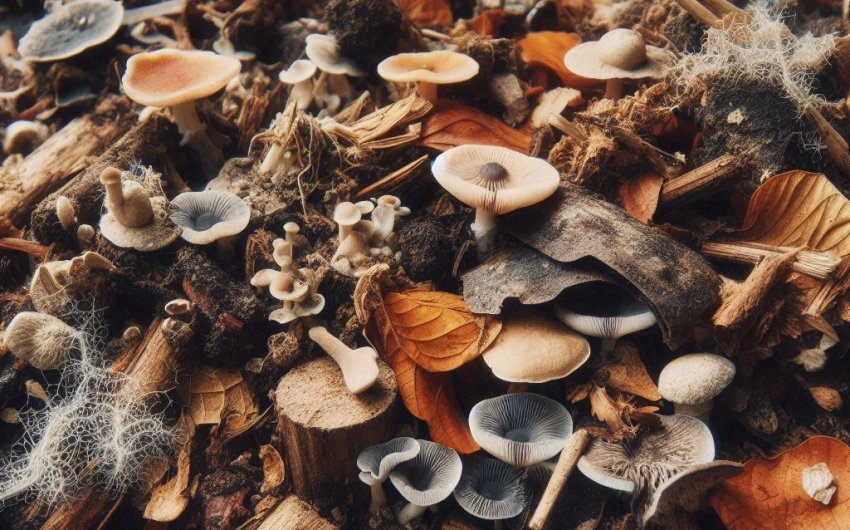
Composting is often thought of as a magical process, transforming kitchen scraps and garden waste into rich, dark "black gold" for your plants. While bacteria frequently get the spotlight as the primary decomposers, there's another crucial, often overlooked, group of microscopic workers that play an equally vital role: fungi. These fascinating organisms are the unsung heroes of the compost pile, quietly breaking down tough organic materials that other microbes struggle with.
Understanding the role of fungi in composting and knowing how to encourage fungal growth in your pile can dramatically improve the efficiency and quality of your finished compost. A truly thriving compost pile isn't just a bacterial hotbed; it's a diverse ecosystem, and fungal communities are essential for breaking down woody stalks, stubborn leaves, and other fibrous materials. Let's delve into the hidden world of compost fungi and discover how to cultivate these powerful decomposers for your most nutrient-rich compost yet.
What is the Role of Fungi in Composting?
While bacteria are the initial rapid responders in a compost pile, the work of fungi is indispensable, particularly for breaking down the tougher, more resilient organic materials. They are the patient, persistent workhorses that ensure a truly finished and rich compost.
1. Breaking Down Lignin and Cellulose
This is the fungi's specialty and their most significant contribution.
- Tough Material Eaters: Bacteria excel at breaking down soft, easily digestible materials like fresh green leaves, fruit and vegetable scraps, and grass clippings. However, they struggle with the complex, sturdy molecules that make up woody plants.
- Lignin and Cellulose: Fungi, especially specialized groups like white-rot fungi, are unique in their ability to produce powerful enzymes (like ligninases and cellulases) that can break down lignin and cellulose.
- Lignin: This is the rigid, woody substance that gives plants their structural integrity. It's incredibly tough and resistant to decomposition. Fungi are among the very few organisms that can effectively degrade lignin.
- Cellulose: This is the primary component of plant cell walls, found in all plant matter. While bacteria can break some cellulose, fungi are highly efficient at degrading tougher forms.
- Examples of Fungi's Target Materials: Woody stems, branches, tough stalks (like corn stalks), old leaves (especially deciduous leaves from hardwood trees), straw, and cardboard. Without fungi, these "brown" materials would take an incredibly long time to break down.
2. Creating Stable Humus
- Humus Formation: As fungi break down lignin and cellulose, they contribute significantly to the formation of humus. Humus is the stable, dark, rich organic matter that gives finished compost its characteristic look and smell. It's highly beneficial for soil structure, nutrient retention, and water holding capacity.
- Long-Term Fertility: The decomposition products of fungi are more resistant to further breakdown, meaning they contribute to the long-term fertility and stability of the soil once the compost is applied.
3. Nutrient Cycling
- Unlocking Nutrients: By breaking down complex organic molecules, fungi release locked-up nutrients (like nitrogen, phosphorus, and potassium) that were bound within the plant material. They convert these nutrients into forms that become available for plant uptake.
- Mycelial Networks: Fungi grow as a network of thread-like structures called hyphae (collectively forming mycelium). These networks can penetrate deep into tough materials, efficiently absorbing nutrients from large surfaces.
4. Aeration and Structure
- Physical Breakdown: As fungal hyphae grow through the compost pile, they physically penetrate and loosen the organic materials, creating tiny channels. This action improves aeration within the pile, which is beneficial for both aerobic bacteria and other organisms.
- Aggregates: The fungal mycelium also helps bind smaller particles of organic matter together, forming stable soil aggregates. This improves the overall structure of the compost and ultimately, the soil it will be applied to.
5. Suppressing Pathogens
- Competition: A diverse and healthy microbial community, including beneficial fungi, can help suppress the growth of undesirable bacteria and disease-causing fungi in the compost pile through competition for resources.
- Antibiotics: Some fungi produce natural antimicrobial compounds that can inhibit the growth of pathogens.
While bacteria perform the initial rapid decomposition and generate heat, fungi are the essential long-haul workers, patiently dismantling the toughest plant compounds and transforming them into the stable, nutrient-rich humus that defines high-quality finished compost. A compost pile without significant fungal activity will be slow, incomplete, and less effective.
What Are the Signs of Fungal Growth in My Compost Pile?
Recognizing the presence of fungi in your compost pile is an indicator that your decomposer community is robust and your pile is on the right track, especially for breaking down tougher materials. Unlike bacteria, which are usually invisible to the naked eye until they form slimy masses, fungi often make their presence known visually.
1. White, Thread-Like Growth (Mycelium)
- Appearance: This is the most common and definitive sign of fungal activity. You'll see a white or grayish, fuzzy, cobweb-like, or thread-like network spreading through the organic material. This is the mycelium, the vegetative part of the fungus.
- Where to Find It: You'll typically find this white growth on woodier materials like twigs, shredded branches, bark, and dried leaves (especially deciduous tree leaves). It can also spread across newspaper, cardboard, and tougher vegetable scraps.
- Texture: It can range from a delicate, wispy cotton candy texture to a thicker, matted felt-like appearance.
- Good Sign: This white mycelial growth is a very positive sign, indicating that lignifying (woody) materials are actively being broken down. It confirms your pile has a healthy fungal population at work.
2. Mushroom Caps (Less Common, But Good)
- Appearance: Occasionally, you might see actual mushroom caps sprouting from your compost pile. These are the fruiting bodies of certain fungi.
- Why They Appear: Mushrooms often appear when the compost pile is relatively mature, has a good moisture level, and is in a slightly cooler phase (not in the active hot stage, as most mushrooms prefer cooler, damper conditions).
- Significance: The presence of mushrooms means there's a fungal network (mycelium) actively breaking down organic matter underneath the surface. You generally don't see mushrooms in the very early, hot, bacterial-dominated stages.
- Safety: While most compost mushrooms are harmless decomposers, it's generally not advisable to eat mushrooms from your compost pile unless you are an expert in mushroom identification, as some wild mushrooms can be toxic. Just let them do their work.
3. Earthy or "Forest Floor" Smell
- Aroma: A healthy, actively decomposing compost pile should have a pleasant, earthy smell, reminiscent of rich forest soil after rain.
- Fungal Contribution: While bacteria contribute to this, a strong, rich, deep earthy smell often indicates significant fungal activity, particularly as they break down lignin and contribute to humus formation. It should not smell rotten or sour.
4. Breakdown of Woody Materials
- Observation: Over time, you'll observe that woody stems, branches, and tough leaves that you added to the pile are becoming noticeably softer, darker, and starting to fall apart.
- Fungi's Work: This breakdown is largely attributable to the enzymatic activity of fungi. If these tougher materials are not breaking down, it suggests insufficient fungal activity.
5. Increased Presence of Actinomycetes
- Appearance: While technically bacteria, actinomycetes (often visible as grayish-white, powdery, or spiderweb-like threads) are closely associated with fungi in the later stages of composting. They also produce powerful enzymes that break down complex organic matter and contribute to the "earthy" smell.
- Indicator: Their presence is often a good indicator of a mature, healthy compost pile with strong fungal partnerships.
Seeing these signs of fungal growth in your compost pile confirms that your decomposition process is robust and proceeding efficiently, especially in transforming stubborn organic matter into rich, valuable compost.
How Do I Encourage Fungal Growth in My Compost Pile?
Encouraging a thriving population of fungi in your compost pile involves creating the right conditions that favor their growth and providing them with their preferred food sources. This means going beyond just the basics of composting to optimize the environment for these powerful decomposers.
1. Provide Adequate "Brown" Materials (Carbon-Rich)
- Fungi's Food: Fungi are particularly adept at breaking down carbon-rich, lignified (woody) materials. These are often referred to as "browns" in composting.
- Ideal Brown Materials:
- Woody Stems and Branches: Shredded or chipped branches (wood chipper for home use), pruning waste (cut into small pieces).
- Autumn Leaves: Especially deciduous leaves like oak, maple, and beech, which contain significant lignin.
- Straw and Hay: Excellent sources of cellulose and lignin.
- Cardboard and Newspaper: Shredded, non-glossy cardboard and newspaper provide carbon and structure.
- Sawdust and Wood Shavings: Use sparingly as they are very carbon-rich and can lead to nitrogen depletion if not balanced.
- Balance is Key: While fungi love browns, you still need a good carbon-to-nitrogen (C:N) ratio for overall compost health. A general target ratio is around 25-30 parts carbon to 1 part nitrogen. An abundance of browns without enough "greens" (nitrogen-rich materials) will result in a slow, cold pile. Aim for a mix that is roughly 2 parts browns to 1 part greens by volume.
2. Maintain Consistent Moisture Levels
- Not Too Wet, Not Too Dry: Fungi, like most decomposers, need moisture to thrive. The compost pile should be consistently damp, like a wrung-out sponge.
- Avoid Extremes:
- Too Dry: Fungal activity will slow down dramatically or cease.
- Too Wet: The pile can become anaerobic (lacking oxygen), which favors different microbes and can lead to foul odors and inhibits aerobic fungal growth.
- How to Maintain: Water your compost pile if it feels dry. Use a compost aerator tool to turn the pile after watering to distribute moisture evenly. In dry climates, a compost bin liner or cover can help retain moisture.
3. Ensure Good Aeration (Oxygen)
- Aerobic Decomposers: The most beneficial fungi for composting are aerobic, meaning they require oxygen to do their work.
- Turning the Pile: Regularly turning your compost pile (every few days to weekly) introduces oxygen throughout the material, which is crucial for fungal respiration. This also helps distribute moisture and microbes evenly. A compost tumbler makes this very easy.
- Proper Pile Size: Build a pile that is large enough to retain heat but not so large that air can't penetrate the center. A minimum size of 3x3x3 feet (1 cubic meter) is often recommended.
- Bulking Agents: Incorporate coarser brown materials like chopped woody stems or straw. These create air pockets within the pile, improving airflow and preventing compaction.
4. Optimize Temperature (Moderately Warm)
- Mesophilic Fungi: While some fungi can tolerate higher temperatures, many of the most important lignin and cellulose decomposers (mesophilic fungi) thrive in moderate temperatures (around 70-90°F or 20-32°C).
- Cooler Stages: You'll often see the most visible fungal growth (white mycelium) in the outer, cooler layers of a hot compost pile or during the maturation/curing phase after the initial hot bacterial phase has subsided.
- Heat Tolerance: While some thermophilic (heat-loving) fungi exist, the super-hot temperatures (130-160°F or 55-70°C) of active bacterial decomposition can actually inhibit many fungal species. This is why fungi become more prominent in the "curing" or "maturation" stage after the pile cools down.
5. Introduce Fungal Spores (Optional, but Can Help)
While fungal spores are ubiquitous in the environment and will naturally colonize your compost pile, you can give them a kickstart.
- Soil and Finished Compost: Adding a shovel-full of good garden soil or mature compost (which is rich in fungal spores and mycelium) to a new pile can help inoculate it with beneficial fungi and other microbes.
- Forest Floor Litter: A handful of leaf litter from a healthy forest floor can also introduce a diverse fungal community.
- Commercial Inoculants: Some compost starter products contain fungal spores and beneficial bacteria to jumpstart decomposition.
- Mycorrhizal Fungi Products: While primarily for plants, some products with beneficial fungi might contribute to your pile.
By carefully managing your compost pile's ingredients, moisture, aeration, and temperature, you can create an inviting environment that specifically encourages the diligent work of fungi, leading to faster breakdown of tough materials and ultimately, a richer, more robust finished compost.
How Does a Fungal-Rich Compost Benefit My Garden?
A compost pile that has been diligently worked by fungi isn't just visually appealing; it delivers exceptional benefits to your garden soil and plants, contributing to a healthier and more sustainable growing environment.
1. Superior Soil Structure
- Humus Formation: As fungi break down stubborn materials like lignin and cellulose, they contribute significantly to the formation of stable humus. Humus is the dark, rich, stable organic matter that improves soil structure like nothing else.
- Aggregates: Fungal hyphae (thread-like structures) act like tiny biological glue, binding soil particles together to form stable soil aggregates. These aggregates create a crumbly, porous soil structure.
- Benefits to Soil:
- Improved Aeration: Better airflow in the soil, crucial for root respiration.
- Enhanced Drainage: Water drains efficiently, preventing waterlogging.
- Increased Water Retention: Paradoxically, healthy soil aggregates also hold onto moisture more effectively, reducing runoff and irrigation needs.
- Better Root Penetration: Roots can easily grow through well-structured soil, accessing water and nutrients.
2. Enhanced Nutrient Availability and Retention
- Slow-Release Nutrients: Fungi, along with bacteria, mineralize organic matter, converting nutrients like nitrogen, phosphorus, and potassium from organic forms into inorganic forms that plants can readily absorb. This process provides a slow, steady release of nutrients, feeding plants over a longer period.
- Reduced Leaching: The stable humus and improved soil structure from fungal activity help retain nutrients in the root zone, preventing them from leaching away with irrigation or rain. This means less nutrient waste and less runoff into waterways.
- Micronutrient Availability: Fungi can also make micronutrients more available to plants by chelating (binding) them into forms that are easily absorbed.
3. Disease Suppression
- Beneficial Microbes: A fungal-rich compost introduces a diverse community of beneficial microorganisms into your soil. These beneficial fungi and bacteria compete with harmful soil-borne pathogens (disease-causing organisms) for resources, effectively suppressing their growth.
- Natural Defense: Some beneficial fungi can even parasitize or produce antibiotic compounds against disease-causing organisms, offering a natural defense mechanism for your plants.
- Stronger Plants: Plants grown in biologically active soil are generally healthier and more resilient, better able to withstand disease attacks.
4. Improved Drought Tolerance
- Water Retention: As mentioned, good soil structure from humus and fungal activity significantly improves the soil's water-holding capacity.
- Deeper Roots: Fungi contribute to better soil aeration and structure, encouraging plants to develop deeper, more extensive root systems. Deep roots can access water from deeper in the soil profile, making plants more resilient during dry spells.
5. Stimulates Plant Growth (Mycorrhizal Fungi)
- Mycorrhizal Partnerships: While not directly added through compost in large quantities, a healthy, fungal-rich compost creates an ideal environment for beneficial mycorrhizal fungi to thrive in your garden soil. Mycorrhizal fungi form symbiotic relationships with plant roots, extending the plant's root system and enhancing its ability to absorb water and nutrients (especially phosphorus).
- Overall Vigor: The holistic improvements to soil health provided by fungal-rich compost lead to more vigorous, healthier plants that are better able to resist stress, pests, and diseases.
6. Reduces Need for Synthetic Inputs
- Natural Fertility: By building a rich, living soil ecosystem, a fungal-rich compost reduces your reliance on synthetic fertilizers, pesticides, and other chemical inputs. The soil becomes more self-sufficient in providing for your plants.
- Sustainable Gardening: This approach aligns perfectly with organic and sustainable gardening principles, contributing to environmental health and long-term soil fertility.
Deliberately encouraging fungal growth in your compost pile is an investment in the long-term health and productivity of your entire garden. The resulting fungal-rich compost delivers unparalleled benefits, creating vibrant, resilient plants and a truly sustainable growing environment.