
How Do I Create a Composting System for a School or Educational Project?
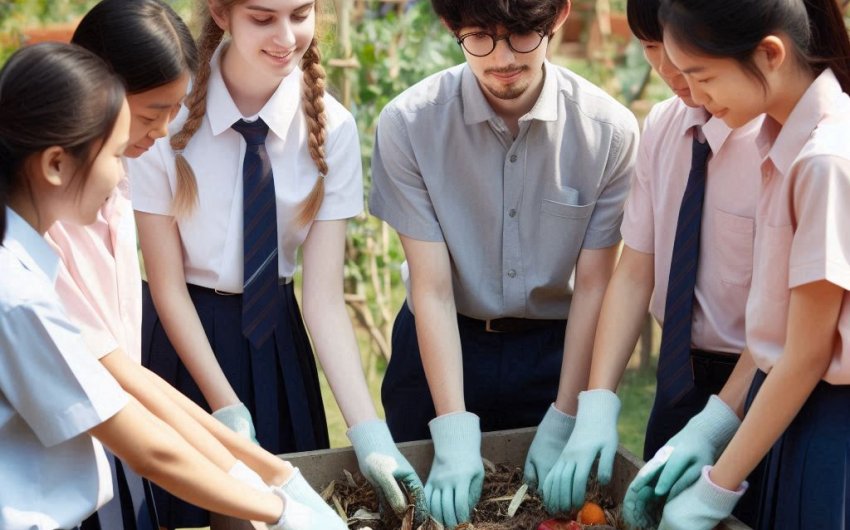
Embarking on a composting project at a school offers a remarkable opportunity to transform waste into a valuable resource, all while providing an invaluable hands-on learning experience. Far more than just turning food scraps into soil amendment, a school composting system becomes a living laboratory, teaching students about environmental responsibility, nutrient cycles, waste reduction, and the fascinating world of soil microbes. It's a tangible way to connect abstract scientific concepts to real-world impact, fostering a deeper understanding of sustainability.
However, setting up a composting system for an educational environment comes with its own set of unique considerations, from managing large volumes of diverse waste to ensuring safety and active student participation. This comprehensive guide will walk you through the essential steps to create a composting system for a school or educational project, providing practical advice on planning, choosing the right method, involving students, and maintaining a thriving compost pile. Get ready to cultivate a richer understanding of our planet, one organic material at a time, building self-sufficiency from the ground up within your school community.
Why Start a Composting System at School?
What Are the Educational Benefits for Students?
A composting system at school offers a wealth of educational benefits for students across various subjects and age groups, making learning truly hands-on and impactful.
- Environmental Responsibility: Directly teaches students about waste reduction, resource conservation, and the importance of sustainability. They see firsthand how their actions can positively impact the environment.
- Science and Biology: Provides a living laboratory for understanding concepts like:
- Decomposition: The process of organic matter breaking down.
- Nutrient Cycling: How nutrients move through an ecosystem.
- Microbiology: The role of soil microbes (bacteria, fungi, worms) in decomposition.
- Ecosystems: How different organisms interact within the compost pile.
- Chemistry: The importance of carbon-to-nitrogen ratios and chemical reactions in composting.
- Math Skills: Measuring inputs ("greens" and "browns"), monitoring temperature, calculating ratios, and tracking waste diverted from landfills.
- Problem-Solving: Students learn to troubleshoot common compost pile problems (smell, lack of heat) and find solutions.
- Practical Life Skills: Teaches practical skills in waste management, gardening, and resourcefulness.
- Teamwork and Collaboration: Students work together to collect, sort, and manage the compost system.
- Observation Skills: Encourages students to observe changes in the compost pile, identify different organisms, and understand natural processes.
- Patience and Delayed Gratification: Composting takes time, teaching patience and the rewards of long-term effort.
A school compost project moves learning beyond textbooks into tangible, real-world experiences.
How Does School Composting Help the Environment?
Beyond the educational benefits, school composting directly helps the environment in several significant ways, contributing to a more sustainable planet.
- Reduces Landfill Waste: Food waste and other organic matter make up a substantial portion of school waste. Composting diverts these materials from landfills, extending landfill life and reducing the need for new ones.
- Prevents Methane Emissions: When organic matter decomposes in landfills (an anaerobic process), it produces methane, a potent greenhouse gas. Composting (an aerobic process) prevents methane production, significantly reducing the school's carbon footprint and fighting climate change.
- Creates Valuable Soil Amendment: Instead of waste, composting produces nutrient-rich compost (or "black gold"), which can be used in the school garden, landscaping, or potted plants. This reduces the need for synthetic fertilizers (which have their own environmental impacts).
- Improves Soil Health: Using compost on school gardens improves soil structure, water retention, and overall soil health, leading to healthier plants and potentially reduced watering needs.
- Reduces Transportation Emissions: Less waste sent to landfills means fewer garbage trucks on the road, reducing fuel consumption and associated emissions.
- Teaches Sustainable Habits: By institutionalizing composting, the school fosters sustainable habits among its students and staff, promoting a culture of environmental responsibility that extends beyond the classroom.
A school composting system is a powerful tool for environmental stewardship.
What Are the Potential Challenges in a School Setting?
While highly beneficial, setting up a composting system in a school setting can present some unique challenges that need to be addressed in the planning phase.
- Contamination: A major concern is inappropriate materials (plastics, meat, dairy, non-compostable packaging) ending up in the compost pile, which can attract pests, create odors, or contaminate the finished compost.
- Odor and Pest Attraction: If not managed correctly (especially with improper "greens" and "browns" balance or lack of turning), the compost pile can produce odors and attract unwanted pests (rodents, flies).
- Location: Finding a suitable location that is accessible, aesthetically acceptable, and not too close to classrooms or neighbors.
- Staff and Student Buy-in: Securing consistent participation and understanding from all students, teachers, cafeteria staff, and maintenance personnel.
- Long-Term Maintenance: Ensuring consistent watering, turning, and management of the compost pile over holidays, breaks, and across school years.
- Volume Management: Handling the sheer volume of organic waste generated by a school, especially from the cafeteria.
- Funding: Securing initial funding for bins, tools, and educational materials.
- Safety: Ensuring the compost area is safe for students to work in.
Addressing these challenges proactively is key to a successful school composting project.
How to Plan Your School Composting System?
Who Are the Key Stakeholders and Their Roles?
Identifying key stakeholders and their roles is crucial for building a successful and sustainable school composting system. Collaboration is paramount.
- Students: The primary participants and beneficiaries. Their roles include collecting food scraps, sorting, adding materials to bins, turning the compost, and using the finished compost in school gardens. Their enthusiasm is contagious.
- Teachers: Integrate composting into curriculum (science, math, environmental studies). Supervise student activity, educate about proper sorting. A dedicated teacher champion is invaluable.
- Cafeteria Staff: Critical for collecting and sorting food waste from lunchrooms. They need clear instructions on what can and cannot be composted.
- Custodial/Maintenance Staff: Important for site selection, transportation of larger materials (e.g., leaves), and sometimes assistance with turning larger piles. Their support is vital for hygiene and safety.
- School Administration: Provides approval, allocates resources (space, budget), and offers overall support and promotion of the project.
- Parents/Community Volunteers: Can assist with construction, long-term maintenance, fundraising, and educational events.
- Garden Club/Environmental Club: Often the driving force, providing student leadership and ongoing support.
Engage all stakeholders early in the planning process to foster ownership and commitment.
What Is the Best Location for the Composting Site?
Choosing the best location for the composting site is a critical decision that impacts efficiency, aesthetics, and ease of management.
- Accessibility:
- For Input: Close enough to the cafeteria and school garden (if applicable) for easy transport of food scraps and yard waste.
- For Output: Close to the school garden for easy use of finished compost.
- Visibility (Balanced): Visible enough to serve as an educational tool and reminder, but not so prominent that it causes aesthetic complaints or attracts unwanted attention from pests.
- Sunlight/Shade: Partial shade is often ideal, as it helps prevent the compost pile from drying out too quickly in summer. Full sun can work but requires more frequent watering. Avoid deep shade, which can slow down decomposition.
- Drainage: Choose a well-drained area to prevent waterlogging. Avoid low spots where water might collect.
- Proximity to Water Source: Essential for keeping the compost pile moist. A nearby spigot or access to rainwater is ideal.
- Space: Ensure enough space for the compost bins, turning area, and potentially storage for "browns" (e.g., leaves).
- Away from Buildings: Place a reasonable distance from classrooms, offices, and playgrounds to avoid potential odors (though a well-managed pile should not smell badly) or pest attraction. Consider prevailing wind direction.
Careful site selection sets the composting system up for long-term success.
How to Select the Right Composting Method and Bins?
Selecting the right composting method and bins is dependent on the volume of waste, available space, desired speed, and the level of student involvement.
- Volume Assessment: Estimate the amount of food waste and yard waste the school will generate. This dictates the size and number of bins needed.
- Methods:
- Traditional Cold Composting: Passive, takes longer, minimal effort. Suitable for lower volumes or less active management.
- Hot Composting: Requires proper carbon/nitrogen balance, moisture, and frequent turning to generate heat. Faster decomposition, kills weed seeds and pathogens. Ideal for larger volumes and active student involvement.
- Vermicomposting (Worm Composting): Uses red wiggler worms to break down food scraps. Suitable for smaller volumes of food waste, great for indoor classroom learning, produces rich worm castings. Requires indoor or sheltered location to protect worms from extreme temperatures.
- Bins:
- Three-Bin System (for Hot Composting): Three connected bins (often made of wood pallets or wire mesh) allow for turning the compost from one bin to the next as it progresses through decomposition stages. Excellent for larger volumes. A Wood Pallet Compost Bin can be built simply.
- Tumbler Composters: Enclosed, rotating barrels that make turning easy and mess-free. Good for medium volumes, can deter pests. A Dual Chamber Composter Tumbler is great for continuous output.
- Enclosed Plastic Bins: Simple, individual bins for smaller to medium volumes. Can be bought ready-made.
- Worm Bins: Specialized multi-tiered bins for vermicomposting. A Worm Composter Bin is a great classroom resource.
Choose a system that matches the school's capacity and educational goals.
How to Set Up Your School Composting System?
What Materials Can and Cannot Be Composted?
Educating all stakeholders on what materials can and cannot be composted is absolutely critical to prevent contamination and ensure compost pile success.
- Can Be Composted ("Greens" & "Browns"):
- "Greens" (Nitrogen-rich): Fruit and vegetable scraps (from cafeteria and staff lunches), coffee grounds, tea bags, fresh grass clippings, green plant trimmings, fresh weeds (without seeds).
- "Browns" (Carbon-rich): Dry leaves, shredded paper (non-glossy, non-colored), shredded cardboard, sawdust (from untreated wood), straw, dry plant stalks.
- Cannot Be Composted (Avoid at all costs in a school setting):
- Meat, bones, dairy products, oils/fats: Attract rodents, flies, and other pests, create foul odors, and can carry pathogens. This is the biggest source of problems in school compost systems.
- Pet waste: Contains harmful pathogens and parasites.
- Diseased plants: Can spread disease to the school garden.
- Weeds with seeds: Unless you are consistently achieving high temperatures in a hot compost pile, seeds can survive and sprout in the garden.
- Treated wood/sawdust: Can contain harmful chemicals.
- Plastics, metals, glass, styrofoam, rubber, aluminum foil: Non-biodegradable contaminants.
- Paper with glossy finish, colored ink, stickers: May contain harmful chemicals.
- "Compostable" plastics: Often require commercial composting facilities to break down; don't belong in backyard or school piles.
Clear signage and consistent education are essential for proper sorting.
How Do I Balance "Greens" and "Browns"?
Balancing "greens" and "browns" is the fundamental secret to a healthy, actively decomposing compost pile that doesn't smell or attract pests. This refers to the carbon-to-nitrogen ratio.
- "Greens" (Nitrogen-rich): Provide the fuel for microbial activity and heat. Too many "greens" lead to a smelly, slimy pile.
- "Browns" (Carbon-rich): Provide bulk, structure, and a long-term energy source for microbes. Too many "browns" lead to a slow, cold, inactive pile.
- Ideal Ratio: Aim for roughly 2-3 parts "browns" to 1 part "greens" by volume.
- Practical Application in a School:
- Cafeteria Waste: Primarily "greens." Need to be mixed with abundant "browns."
- Yard Waste: Leaves and shredded paper are excellent "browns."
- Storage: Have a designated, covered storage area for "browns" (e.g., a pile of dry leaves, shredded cardboard) so you always have enough to mix with incoming "greens" from the cafeteria.
- Layering: Encourage students to add "greens" in thin layers and immediately cover them with a thicker layer of "browns." This helps prevent odors and deters flies.
A well-balanced pile will heat up and break down quickly and efficiently.
What Tools Are Essential for Composting?
Having the essential tools for composting makes the process easier, more efficient, and more engaging for students.
- Compost Fork/Aerator: For turning the compost pile to add oxygen and mix materials. A Compost Turning Fork is sturdy. A Compost Aerator Tool is also good.
- Wheelbarrow: For moving finished compost to the garden, or for transporting "browns" to the compost area.
- Shovel: For mixing and moving materials.
- Watering Can/Hose: For keeping the compost pile consistently moist (should feel like a wrung-out sponge).
- Compost Thermometer: An invaluable tool for hot composting. Helps students monitor the internal temperature of the pile, confirming microbial activity and indicating when to turn. A Compost Thermometer Long Stem is essential.
- Gloves: For students and staff handling compost materials.
- Small Buckets/Containers: For collecting food waste in classrooms or the cafeteria.
- Shredder (Optional but Helpful): A garden shredder can break down larger "browns" (leaves, small branches) faster, speeding up decomposition.
Invest in durable, child-safe tools appropriate for the age of participating students.
How to Manage and Maintain Your School Composting System?
How to Monitor Temperature and Moisture?
Monitoring temperature and moisture are key indicators of a healthy, active compost pile, especially for hot composting.
- Temperature:
- How to Monitor: Use a compost thermometer by inserting it deep into the center of the pile.
- Ideal Range: For "hot" composting, the internal temperature should reach between (130^\circ\text{F}) and (160^\circ\text{F}) ((54^\circ\text{C}) and (71^\circ\text{C})). This heat is generated by microbial activity and helps kill weed seeds and pathogens.
- Indicates Turning: When the temperature starts to drop, it usually indicates that the microbes have consumed most of the available oxygen, signaling it's time to turn the pile.
- Moisture:
- The "Wring-Out Sponge" Test: The compost pile should be consistently moist, like a wrung-out sponge. It should feel damp to the touch, and if you squeeze a handful, a few drops of water should come out, but not a steady stream.
- Too Dry: If too dry, decomposition slows significantly. Add water when turning.
- Too Wet: If too wet and soggy, it can become anaerobic (lacking oxygen), leading to odors and slow decomposition. Add more "browns" (carbon).
Teach students how to perform these checks regularly to keep the compost pile active.
How Often Should the Compost Pile Be Turned?
The frequency of turning the compost pile is directly related to the desired speed of decomposition and the method of composting.
- Hot Composting: For a fast, hot compost pile, aim to turn it every 2-3 days or whenever the internal temperature starts to drop below the ideal range. This frequent turning replenishes oxygen, mixes materials, and redistributes microbes and moisture, keeping the decomposition process vigorous.
- Cold Composting: For a passive or slow composting system, turning may only be needed once every few weeks or months, or simply when adding new materials. Decomposition will still occur, but it will take much longer (several months to a year).
- Benefits of Turning:
- Aeration: Provides much-needed oxygen to the aerobic microbes.
- Mixing: Ensures even decomposition and distribution of nutrients.
- Heat Regulation: Helps distribute heat and reactivate cooling piles.
- Odor Prevention: Prevents anaerobic conditions that cause foul smells.
Involve students in the turning process, using appropriate tools, as it's a great physical and educational activity.
What Is a Compost Schedule for a School Year?
Creating a compost schedule for a school year is essential for consistent management and successful composting, especially when students are involved.
- Daily/Weekly Tasks:
- Daily: Collection of food waste from cafeteria/classrooms. Layering "greens" with "browns" in the bin.
- Weekly: Check temperature and moisture. Lightly turn the current working bin. Add water if dry.
- Monthly/Bi-Monthly Tasks:
- Turning: More thorough turning of the main compost pile (e.g., rotating materials in a three-bin system).
- Harvesting finished compost: Sift and collect finished compost for use in the garden**.
- Seasonal Tasks:
- Fall: Collect abundant dry leaves ("browns") for winter storage. Prep for winter slowdown.
- Winter: Slower decomposition. Continue adding "greens" and "browns" but expect less activity. Ensure pile doesn't freeze solid (if active composting).
- Spring: Begin more frequent turning as temperatures rise. Prepare new bins for fresh materials.
- Summer: Peak decomposition period. Ensure adequate watering to prevent drying out (especially if school is out).
- Designated Roles: Assign specific tasks to different classes or student groups on a rotating basis (e.g., one class responsible for food scrap collection, another for turning).
- Holiday Planning: Plan for who will manage the compost pile during school holidays and summer break (e.g., parent volunteers, maintenance staff).
A clear schedule ensures the compost system remains vibrant and productive throughout the school year.
How to Utilize Finished Compost and Enhance Learning?
How Can Finished Compost Be Used in the School Garden?
Finished compost is "black gold" and can be used in numerous ways in the school garden, providing a tangible reward for the students' efforts.
- Soil Amendment: Mix finished compost into garden beds before planting. This improves soil structure, enhances drainage (in clay), increases water retention (in sandy soil), and provides a slow release of nutrients.
- Top-Dressing: Spread a thin layer (1-2 inches) of finished compost over existing garden beds as a top-dressing. It slowly releases nutrients, suppresses weeds, and improves soil health.
- Potting Mix Component: Mix finished compost with sterile potting mix (e.g., 1 part compost to 2-3 parts potting mix) for growing seedlings or container plants.
- Compost Tea: Make compost tea (steeping compost in water) to create a nutrient-rich liquid fertilizer that can be applied to plants.
- Educational Demonstrations: Use the finished compost to demonstrate its benefits compared to unamended soil.
Using the compost reinforces the concept of a circular economy and the value of waste.
How Can Composting Be Integrated into the School Curriculum?
Composting can be actively integrated into the school curriculum across various subjects, enhancing interdisciplinary learning.
- Science:
- Biology: Study microorganisms, decomposition, food webs, plant nutrition.
- Chemistry: Explore carbon/nitrogen ratios, chemical changes during decomposition.
- Environmental Science: Discuss climate change, landfill waste, sustainability.
- Math:
- Measurement: Weighing waste, measuring temperature, calculating ratios.
- Data Analysis: Graphing temperature changes, tracking waste reduction over time.
- Language Arts: Students can write compost journals, create educational posters, write persuasive essays on composting benefits.
- Art: Design compost bin signage, illustrate the compost cycle, create artwork from recycled materials.
- Social Studies: Discuss waste management in communities, global environmental issues, local food systems.
- Health/Nutrition: Link healthy soil to healthy food.
Develop specific lesson plans or projects around different aspects of composting to deepen understanding.
What Are Ideas for Student Engagement and Education?
Ensuring active student engagement and education is key to the longevity and success of a school composting system.
- Hands-on Roles: Assign age-appropriate tasks:
- Younger Students: Sorting food waste, observing worms in a vermicompost bin.
- Older Students: Measuring temperature, turning compost piles, record-keeping, building new bins, educating younger students.
- Compost Leaders/Green Team: Empower students to take ownership. Establish a student "Compost Crew" or "Green Team" responsible for daily/weekly tasks.
- Design and Signage: Involve students in designing attractive and informative signs for sorting bins and the main compost area.
- Compost Journal/Blog: Have students keep a garden journal of compost activity, observations, and challenges.
- Field Trips/Guest Speakers: Invite local compost experts or farmers to speak about composting and soil health.
- Harvest and Use: Involve students in harvesting and using the finished compost in the school garden to grow food. Eating the food they helped grow is incredibly motivating.
- Contests/Awards: Create fun competitions for "best sorting classroom" or "most improved compost pile."
- Parent/Community Involvement: Host open garden days or compost workshops for parents and the community to spread the knowledge.
By making composting fun, relevant, and hands-on, you foster a lifelong appreciation for sustainability.