
Can I Compost in Colder Climates, and What Are the Best Practices for Winter Composting?
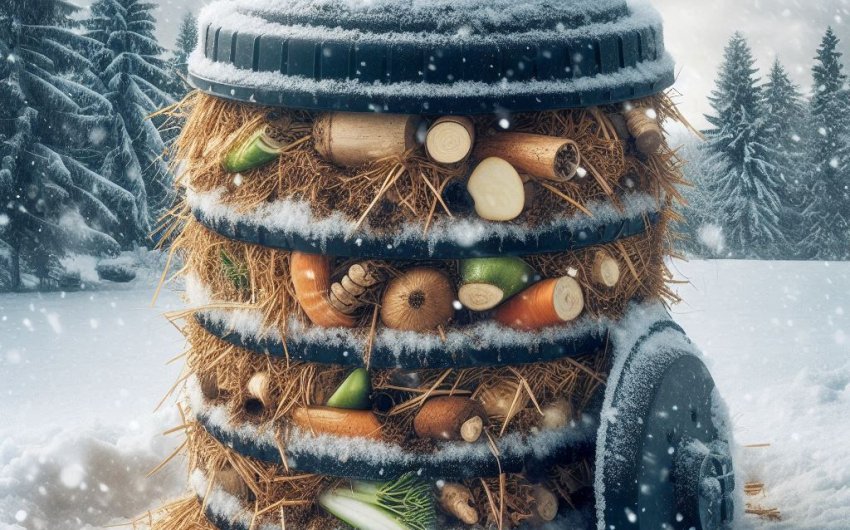
As the days grow shorter and the temperatures drop, many gardeners start thinking about putting their tools away for the winter. But for those dedicated to enriching their soil and reducing waste, the question often arises: does composting have to stop when the snow flies? The good news is, absolutely not! Composting in colder climates is not only possible but can be a hugely rewarding practice that keeps your kitchen and garden waste out of landfills all year round. While the process might slow down a bit compared to the warmer months, the beneficial microbes are still there, just waiting for the opportunity to get back to work.
Winter composting simply requires a slightly different approach and perhaps a bit more patience. It's about adapting your methods to the chill, understanding that freezing doesn't kill the essential decomposers, merely puts them into a dormant state. By making a few smart adjustments, you can continue transforming your organic scraps into nutrient-rich compost, ensuring your garden is ready for a fantastic spring. Let's explore the best practices for successful winter composting, proving that even in the coldest temperatures, the spirit of decomposition never truly freezes.
Can I Really Compost When It's Freezing Outside?
The short answer is a resounding yes! While you won't see the same rapid, steaming decomposition that happens in summer, composting in colder climates is entirely feasible.
Understanding Cold Composting vs. Hot Composting
The key difference lies in the process.
- Hot Composting: This is the fast method, where you actively manage a compost pile to reach high temperatures (130-160°F or 54-71°C). These temperatures are generated by the intense activity of aerobic (oxygen-loving) microorganisms rapidly breaking down organic matter. This process significantly slows down or stops altogether once outside temperatures drop below freezing for extended periods.
- Cold Composting (Winter Composting): In colder climates, your compost pile will likely shift to a "cold composting" mode. This doesn't mean decomposition stops entirely; rather, it becomes a much slower process. The microbial activity slows to a crawl or pauses when the pile freezes. However, the good news is that freezing temperatures do not kill the beneficial bacteria and fungi; they simply go dormant. When temperatures rise, either due to a warmer spell or spring, they "wake up" and resume their work. Think of it as a long pause, rather than a full stop.
The Benefits of Winter Composting
- Year-Round Waste Reduction: This is the primary benefit. You can continue to divert kitchen scraps, leaves, and other organic materials from landfills, even when your garden beds are covered in snow.
- Ready for Spring: By continuing to add materials through winter, you'll have a jump start on a partially decomposed pile when spring arrives. As temperatures warm, decomposition will rapidly accelerate, potentially yielding finished compost sooner than if you waited until spring to start a new pile.
- Rich Soil Amendment: The end result is the same nutrient-rich compost that will nourish your garden soil, improve its structure, and support healthy plant growth.
- Sustainability: It’s a core sustainable gardening practice, reducing your environmental footprint all year long.
What's the Best Setup for Winter Composting?
The right compost bin or pile setup can make a big difference for success in colder temperatures. The goal is to retain as much heat as possible and protect the pile from extreme cold and excess moisture.
Insulated Compost Bins
- Retain Heat: While hard to maintain "hot" composting in freezing weather, an insulated bin can help the core of the pile stay active longer into the cold season and thaw out quicker in spring.
- Materials: Look for commercial insulated compost tumblers or bins made with thicker plastic or wood. You can also DIY by insulating an existing bin with straw bales, old blankets, or rigid foam insulation around the outside. A compost tumbler can offer good insulation.
Larger Compost Piles
- Thermal Mass: A larger volume of material generates and retains more heat than a small pile. If you have the space, aim for a pile at least 3x3x3 feet (1 cubic meter) in size. This thermal mass helps the core of the pile resist freezing completely, allowing some microbial activity to continue.
Enclosed Bins vs. Open Piles
- Enclosed Bins: Often preferable for winter composting as they offer more protection from snow, rain, and cold winds. They also deter pests more effectively, which can be an issue when food scraps are accumulating without rapid breakdown.
- Wood or Plastic: Choose sturdy bins. Wood offers some natural insulation. Plastic bins, especially darker ones, can absorb solar heat on sunny winter days.
Location, Location, Location!
- Sheltered Spot: Place your compost bin in a sheltered location, away from harsh winter winds. Against a shed, garage, or a fence can help.
- Sunny Exposure: A spot that receives some winter sun can help warm the bin on sunny days, reactivating microbial activity. However, avoid a spot that gets direct, intense winter sun and then deep freezes every night, as rapid freeze-thaw cycles can sometimes be less effective than a consistent cold.
- Accessibility: Make sure your compost bin is easily accessible, even when there's snow on the ground. You'll be adding kitchen scraps regularly, so you don't want to trudge through deep drifts.
What Are the Best Practices for Winter Composting?
Adapting your composting habits for colder temperatures is key to success.
1. Maintain a Good Carbon-to-Nitrogen Balance
This principle remains critical, even in winter.
- "Greens" (Nitrogen-rich): Kitchen scraps (fruit and vegetable peels, coffee grounds, tea bags), spent cut flowers. These are usually abundant in winter.
- "Browns" (Carbon-rich): Dry leaves, shredded paper/cardboard (non-glossy, non-colored), wood chips, straw, sawdust. You should ideally collect and store plenty of "browns" in the fall to have on hand for winter use.
- Layering: When adding kitchen scraps (greens) in winter, always try to cover them with a layer of "browns." This helps balance the pile, reduce odors, and deter pests.
2. Prepare Materials Properly
- Smaller Pieces: Cut or shred your materials into smaller pieces. This increases the surface area for microbes to work on. This is especially important in winter, as slower decomposition means larger pieces will take even longer to break down.
- Drain Excess Liquid: For very wet kitchen scraps, you can drain excess liquid before adding to the pile. This prevents the pile from becoming too soggy and anaerobic (smelly).
3. Keep Adding Materials (Even If It Freezes)
Don't stop adding your kitchen scraps!
- Layer and Cover: Continue to add "greens" from your kitchen and cover them with your stored "browns."
- Expect Freezing: It's perfectly normal for your pile to freeze solid. The decomposition will resume when temperatures rise.
4. Resist the Urge to Turn Too Much
- Turning in Winter: While turning your pile helps with hot composting, it can actually work against you in winter. Frequent turning in freezing temperatures can release precious heat from the core and expose the warm inner layers to cold air, slowing down the process even further.
- Occasional Turning: If you have a warmer spell, you can give the pile a turn to aerate it and mix things up. Otherwise, focus on keeping materials consolidated.
5. Manage Moisture Levels
- Avoid Excess Water: In winter, less evaporation occurs, so be mindful of too much moisture from rain or snow. Your enclosed bin should help with this. If your pile gets too wet, it can become a frozen, soggy mess or go anaerobic.
- Keep It Damp, Not Soaked: The ideal moisture level is like a wrung-out sponge. If your "greens" are very wet, add more "browns."
6. Consider a "Holding" Bin
If you're worried about your main compost pile freezing solid and becoming hard to add to, or if you prefer a very controlled hot pile in summer, consider having a separate "holding" bin just for winter.
- Temporary Storage: This bin can be a simple container where you throw all your winter kitchen scraps and carbon materials.
- Spring Activation: In spring, once temperatures rise, you can then add the contents of the holding bin to your main compost pile, giving it a big boost to kickstart active decomposition.
7. Avoid Adding Problem Materials
While generally good for composting, some items are best avoided in winter composting if your pile isn't actively hot, as they can attract pests.
- Meat, Bones, Dairy, Oils: These can attract rodents, raccoons, and other scavengers who are hungrier in winter. They also break down very slowly in a cold pile and can cause odors.
- Diseased Plants: If your pile isn't consistently hot enough to kill pathogens, diseased plant material should be avoided to prevent spreading disease in your garden later.
Troubleshooting Common Winter Composting Issues
Even with the best practices, you might run into a few challenges.
Odors
- Cause: Usually a sign of too much "greens" (nitrogen) and not enough "browns" (carbon), or too much moisture, leading to anaerobic conditions.
- Solution: Add more dry, carbon-rich materials like shredded leaves, newspaper, or straw. If the pile is too wet, try to aerate it if temperatures allow, or simply add more dry browns. Ensure good ventilation in your bin.
Attracting Pests (Rodents, Raccoons)
- Cause: Often due to exposed food scraps, especially meat, dairy, or oily items.
- Solution:
- Bury Food Scraps: Always bury new kitchen scraps deep within the pile and cover them with a layer of "browns."
- Avoid Problem Materials: Do not add meat, bones, dairy, or oily foods to a cold compost pile.
- Enclosed Bin: Use a sturdy, enclosed compost bin that pests cannot easily access. You can also secure lids with bungee cords.
Pile Freezes Solid and Nothing Happens
- Cause: Extended periods of freezing temperatures, insufficient pile size for thermal mass.
- Solution: This is normal! Decomposition will simply pause. The microbes are still alive, just dormant. It will resume in the spring. You can continue adding materials. If you have stored a lot of "browns," you can use them to help insulate the pile further from the top.
Material Not Breaking Down Fast Enough
- Cause: Cold temperatures are the main reason.
- Solution: Be patient! Winter composting is a slower process. You can chop materials into smaller pieces before adding them. Come spring, as temperatures rise, decomposition will dramatically speed up.
Composting in colder climates is an incredibly rewarding practice that extends your commitment to sustainable gardening year-round. While the pace of decomposition may shift from the active heat of summer to a more patient, cold storage mode, your efforts through the winter months will directly contribute to a healthier, more vibrant garden come spring. By choosing the right setup, balancing your materials, and adapting your methods, you'll continue to turn your organic waste into valuable garden gold, no matter how low the thermometer drops.